


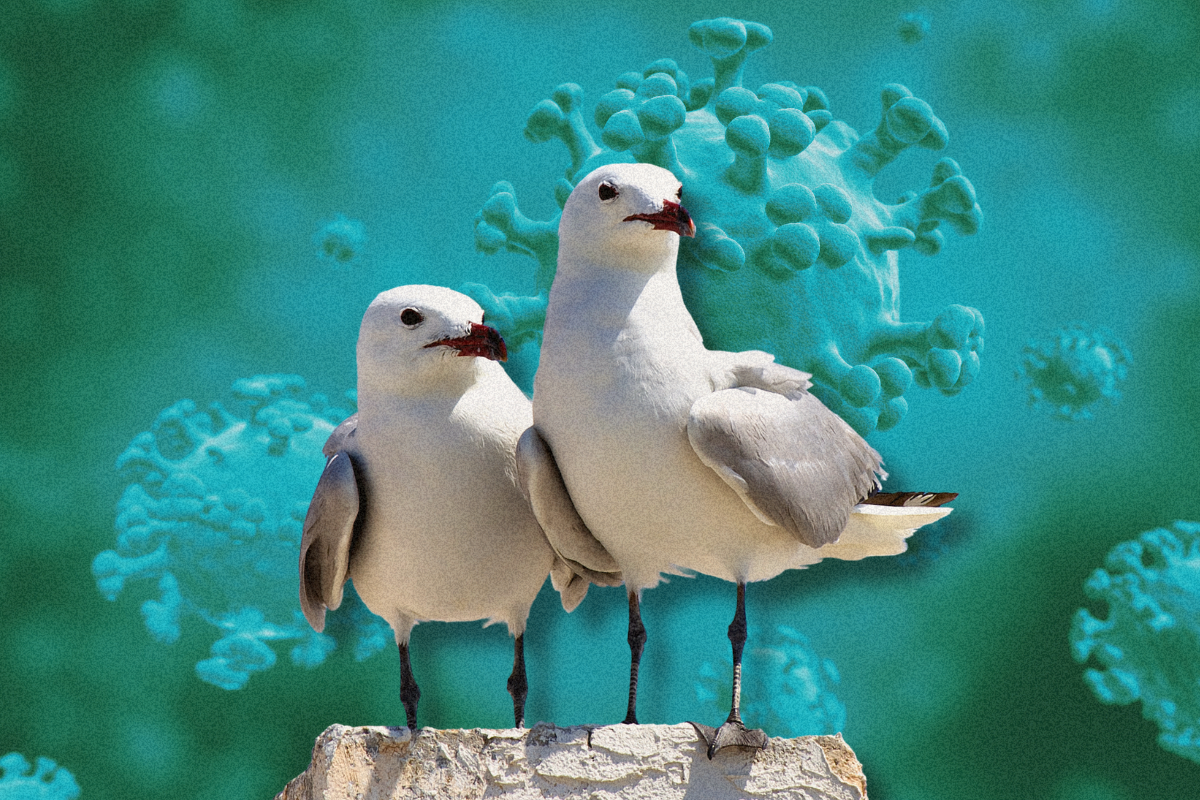
Can your pets catch it? Is it safe to eat chicken and eggs? And what should you do if you find a sick bird? Here’s what you need to know about bird flu in SA.
If you’ve noticed bird flu turning up in headlines about sea lions on Kangaroo Island, little penguins at Victor Harbor or the vaccination queue at Adelaide Zoo, you’ve probably got questions, especially if you’ve got kids, pets or chickens.
Here’s what’s actually going on, and what it does (and doesn’t) mean for you.
First things first: What actually is bird flu?
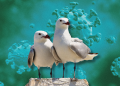
Bird flu (avian influenza) is a virus that mainly affects birds, though it can spread to other animals and, rarely, people. The strain currently in South Australia is H5N1 clade 2.3.4.4b – known simply as “H5 bird flu” – which has spread to every continent over the past few years and caused serious illness in wild birds, poultry and some mammals overseas.
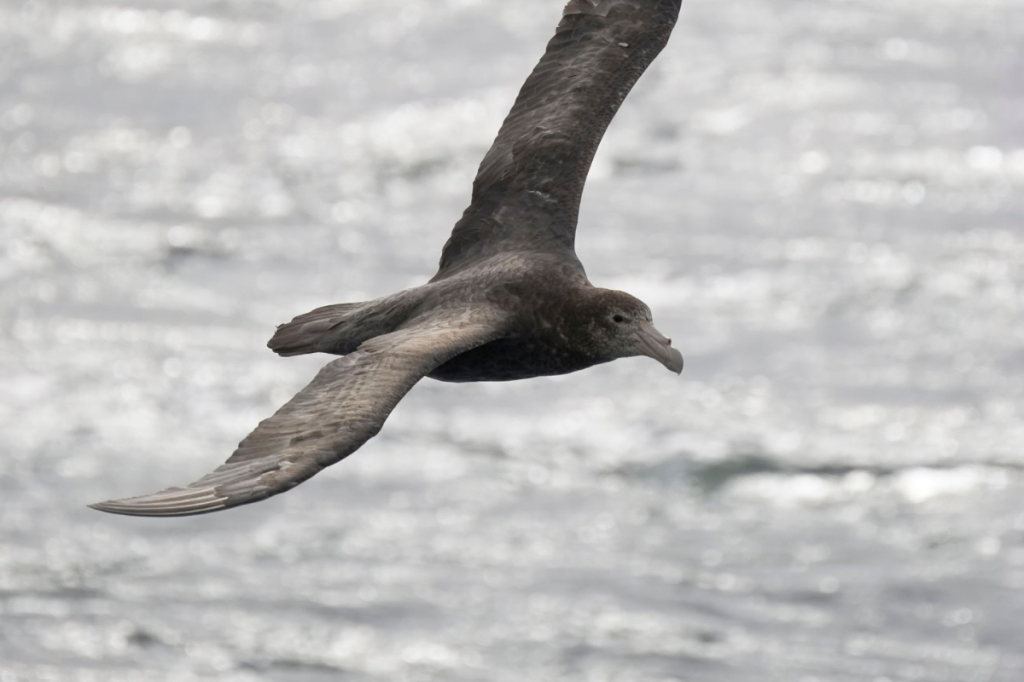
SA’s first case turned up in a wild migratory bird, a southern giant petrel, at Knights Beach in Port Elliot back in June. Since then it’s spread through wild bird populations along the coast.
How does it actually spread?
Infected birds pass the virus on through saliva, droppings and feathers, and healthy birds pick it up through contact with sick birds, or contaminated water, food, soil and surfaces. It can also hitch a ride on things like shoes, vehicles and equipment.
The virus doesn’t spread easily from birds to people, and there’s no evidence it’s spreading between people at all. There’s been very few human cases overseas and most of these have involved close, prolonged contact with infected animals – not casual contact.
Has it reached SA poultry or livestock?
Not so far. There have been no H5 bird flu detections in poultry or other livestock anywhere in South Australia, or the rest of the country. So far there have been 317 confirmed events in SA, out of 2286 tests conducted since January.
South Australians have also reported more sightings to the emergency animal disease hotline (1800 675 888) per capita than anywhere else in the country, helping detect cases early.
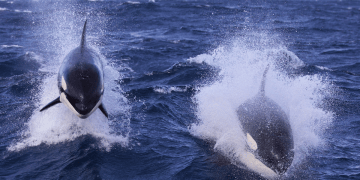
Is it true sea lions have died from this?
Yes – and it’s the kind of loss authorities have been expecting since bird flu arrived.
Overseas, wherever the virus has reached sea lion and seal colonies, deaths have followed. This isn’t SA being hit uniquely hard – unfortunately it’s what bird flu does everywhere it lands.
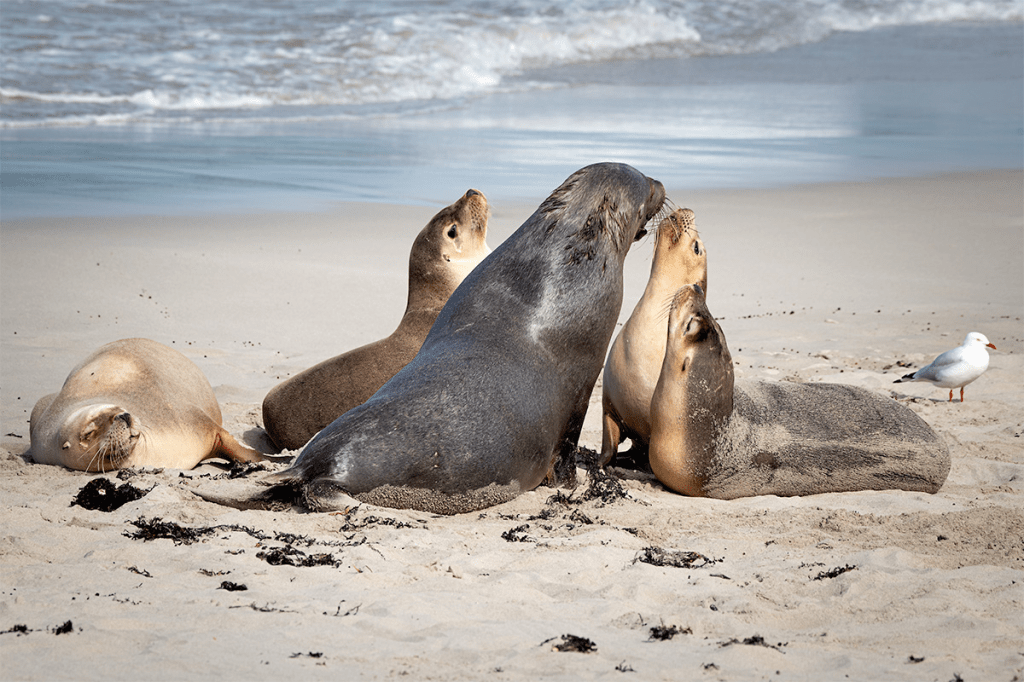
So far, a small number of Australian sea lions have died and tested positive for H5 bird flu in South Australia.
The species is endangered, with more than 80 per cent of the estimated 10,000 to 12,000 left in the wild living in SA waters.
The state government have made recent moves to protect sea lions: beach access at Seal Bay was paused in August (the boardwalk stays open), hundreds of feral cats in the area have been trapped since they can spread the virus too, and more than 400 pups have been treated for hookworm to boost their overall health and resilience.
There’s no approved bird flu vaccine yet for marine mammals, but the state government is ready to use one here as soon as it gets federal approval.

Could I get sick?
For almost everyone, the risk stays low. You’re not in danger just from walking past a dead or sick bird on the beach, at the park or in the backyard – but don’t touch it.
If you or your kids do end up in contact with a sick or dead bird, its droppings or its feathers, keep an eye out for symptoms over the next 10 days: fever, cough, tiredness, muscle aches, sore throat, shortness of breath, runny nose, headache, diarrhoea or conjunctivitis (pink eye). See a GP and mention the exposure if anything shows up.
Otherwise, life carries on as usual – beach walks, park visits and birdwatching are all fine, just teach kids the same rule: look, don’t touch.
Is it still safe to eat chicken and eggs?
Yes. There’s no evidence that bird flu poses a food safety risk from eating properly produced chicken meat or eggs. People do not catch bird flu from consuming chicken or eggs, and no cases of this have been reported.
As with any food, standard food safety practices should always be followed, including washing hands after handling raw poultry, avoiding cross-contamination, and thoroughly cooking poultry products.
How do I keep my pets safe?
Cats are more at risk than dogs, since hunters and scavengers can catch it from eating an infected bird. Dog cases are rare overseas, and usually mild.
Keep cats indoors, or in a secure outdoor enclosure, with food and water kept away from wild birds. Keep dogs on a lead in public areas – especially the beach, wetlands or anywhere wildlife gathers – away from sick or dead birds, and clean your shoes afterwards.
If your pet’s had contact with a sick or dead bird, its droppings or feathers, watch for any signs of illness for up to seven days: fever, lethargy, discharge from the eyes or nose, coughing or any neurological signs such as tremors. Call your vet and advise them of the history before you turn up, so the clinic can prepare.
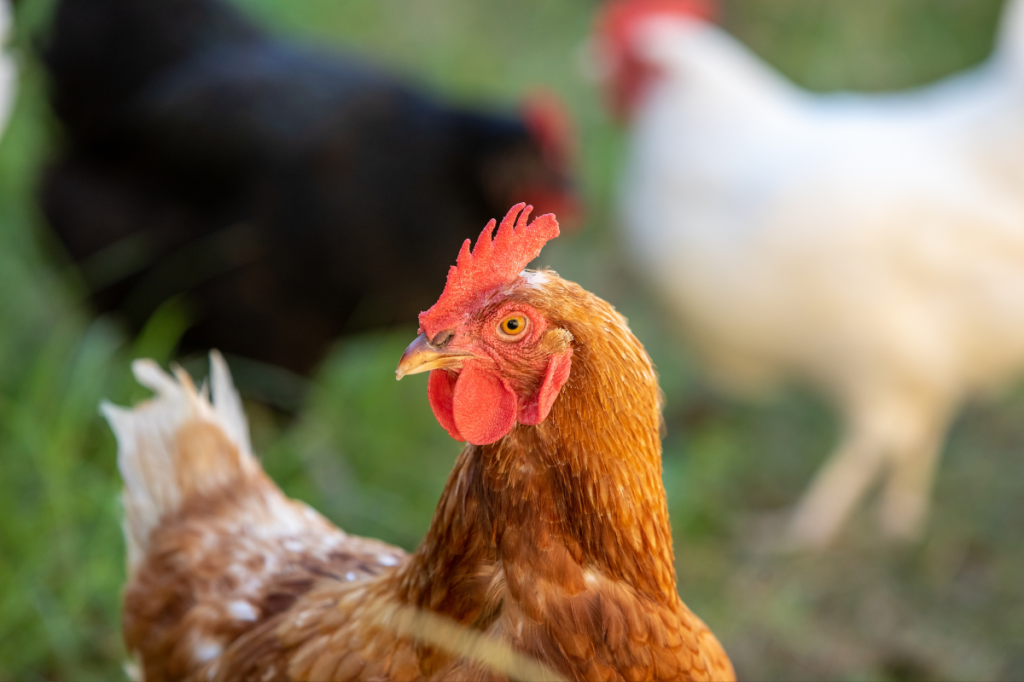
Backyard poultry needs more attention. Prevent contact between your poultry and wild birds using equipment such as fencing and netting. Keep feed and water covered where wild birds can’t reach it, refresh it daily, and quarantine new birds for at least two weeks. Keep different poultry types separate, and wash your hands before and after handling your flock.
Watch for sudden deaths, laboured breathing, a twisted neck, reduced or misshapen eggs, or a droopy, off-colour bird.
Call your vet or the Emergency Animal Disease Hotline on 1800 675 888 if you spot any of these signs.
What’s the story with the vaccinations at Cleland and the zoos?
This one’s about protecting vulnerable wildlife. In early September, around 150 birds across more than 30 species at Cleland Wildlife Park had their first vaccine dose, aimed at protecting threatened native species like orange-bellied parrots and regent honeyeaters.
Zoos SA has also been given the green light – under a national emergency permit – to vaccinate priority species at both Adelaide Zoo and Monarto Safari Park. Little penguins and Australian pelicans are first in line at Adelaide Zoo, since they live in open enclosures and are considered most exposed.
The vaccine needs two doses (three to four weeks apart), and isn’t approved for poultry, pet birds or backyard chickens. It also won’t stop vaccinated birds getting infected altogether, just reduces the risk and how sick they get. Australia’s actual plan for poultry outbreaks is still rapid detection and containment, not vaccination.
What’s actually happening behind the scenes?
PIRSA (the Department of Primary Industries and Regions SA) is running the response, backed by a combined $8.1 million in state and federal funding for surveillance and testing, while a further $3.5 million is allowing the Department for Environment and Water (DEW) to protect vulnerable wildlife, including feral cat and pig control at breeding sites around the state.
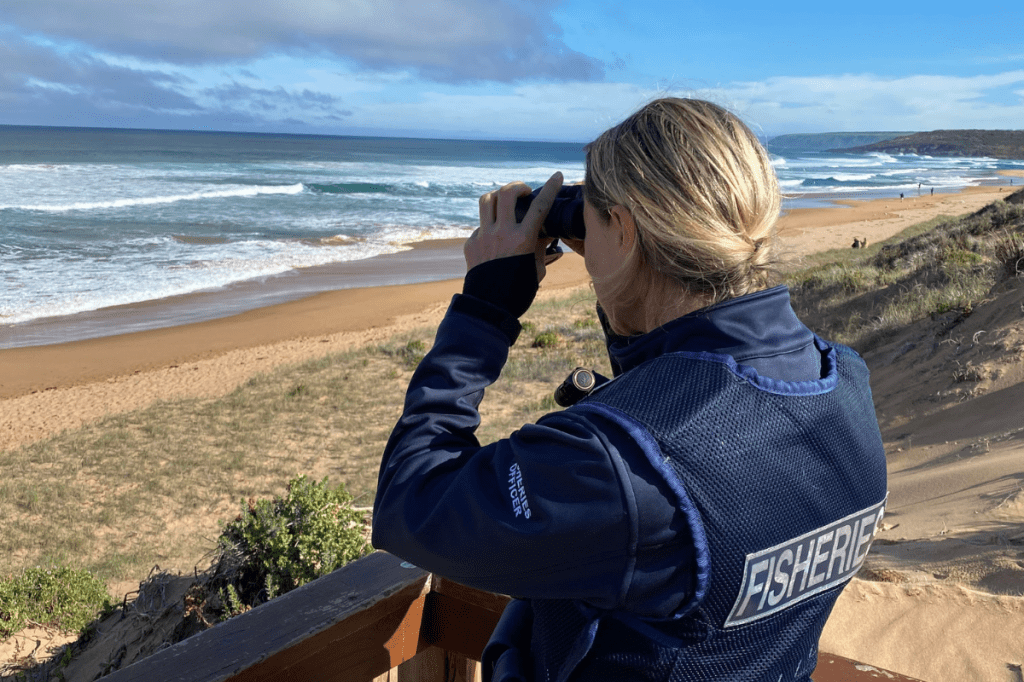
Aerial and ground surveillance has covered more than 11,000km of coastline, and vets, wildlife carers and volunteer birdwatchers are being trained to help spot cases early.
So, how worried should I actually be?
Not very, for you personally if you follow the advice given – but that doesn’t make this a non-event. The real risk is to the wildlife, not your family or your pets – as the news from Seal Bay shows. We also understand that seeing wildlife that are sick or dead can be distressing. You can get guidance on appropriate support here.
The most useful thing you can do is simple: avoid touching sick or dead birds and other wildlife, record what you see, and report it to the Emergency Animal Disease Hotline on 1800 675 888. Not every report turns out to be bird flu, but every one helps – and could mean fewer birds and animals lost in the long run.
Track confirmed events and get the latest advice at birdflu.sa.gov.au.