



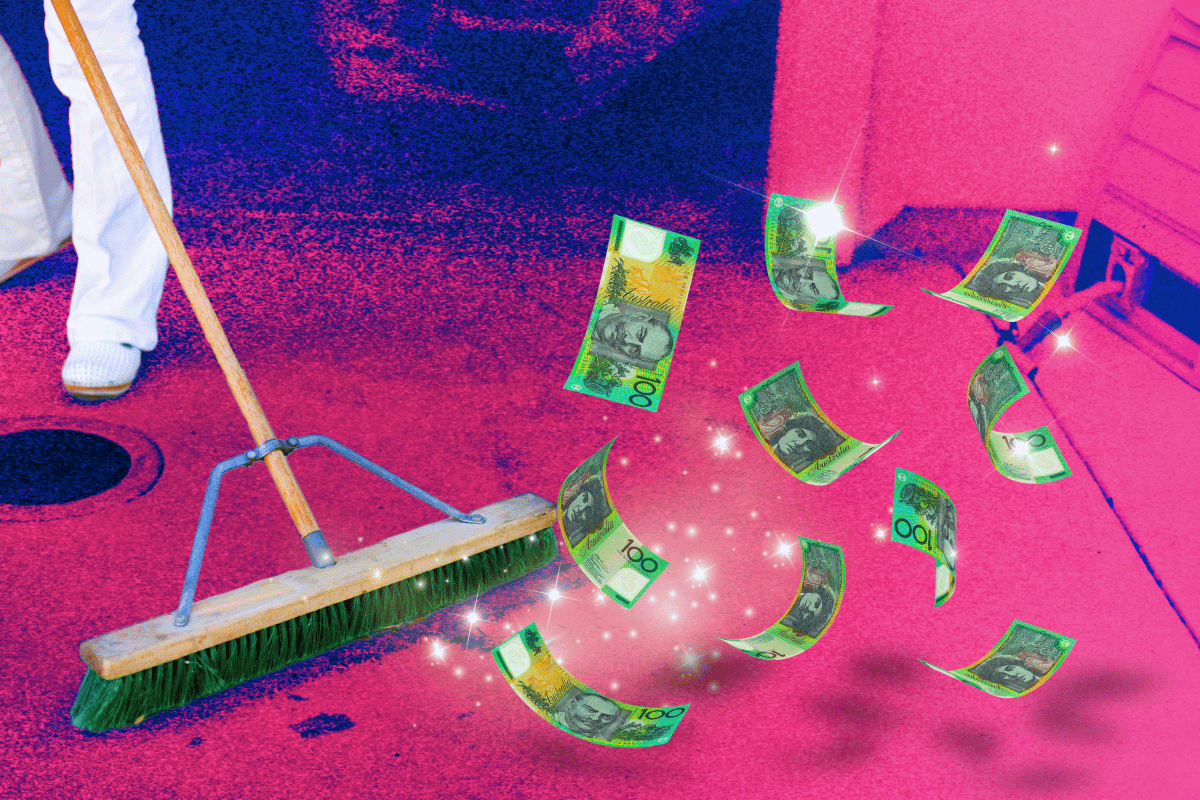
The average Australian household has $1349 worth of unused stuff at home. Here’s how to sell, donate, recycle or safely dispose of your unwanted stuff in SA.
Spring has finally got the memo. The sun is out, the doors can stay open and it’s time to clear enough space in your house, garage and shed to enjoy the long, balmy evenings ahead.
Unfortunately, that means confronting the chair that has become a wardrobe, the cupboard full of mystery cables and whatever is happening in the junk drawer.
The good news is that some of your clutter could be worth actual money. A 2025 PayPal Circular Economy Research Report found 89 per cent of Australians had unused items at home they could sell, with the average household sitting on $1349 worth.
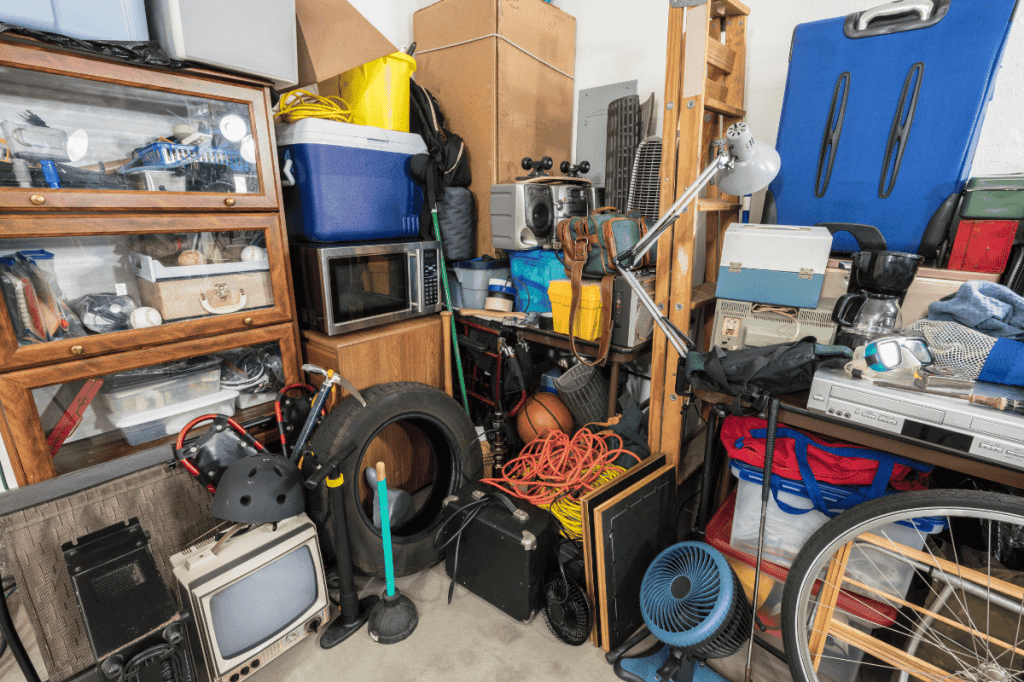
Your clutter has a side hustle
So before you start feeding things to the bins, work out what could have a second life.
You might make some money, and keeping useful stuff in circulation is exactly what South Australia’s move towards a circular economy is about.
Instead of the old “take, make, throw away” model, products and materials stay in use for longer – cutting waste and pollution and helping the state reach net zero emissions by 2050.
The environmental payoff goes well beyond landfill: Green Industries SA (GISA) says more than 55 per cent of global greenhouse gas emissions come from extracting and processing materials.
In other words: someone else gets your stuff, you might get paid and one less useful thing becomes waste.
Your best bets are:
- Furniture and appliances: Facebook Marketplace or local online buy/sell/swap groups. They’re also the easiest options for anything bulky enough to make postage ridiculous.
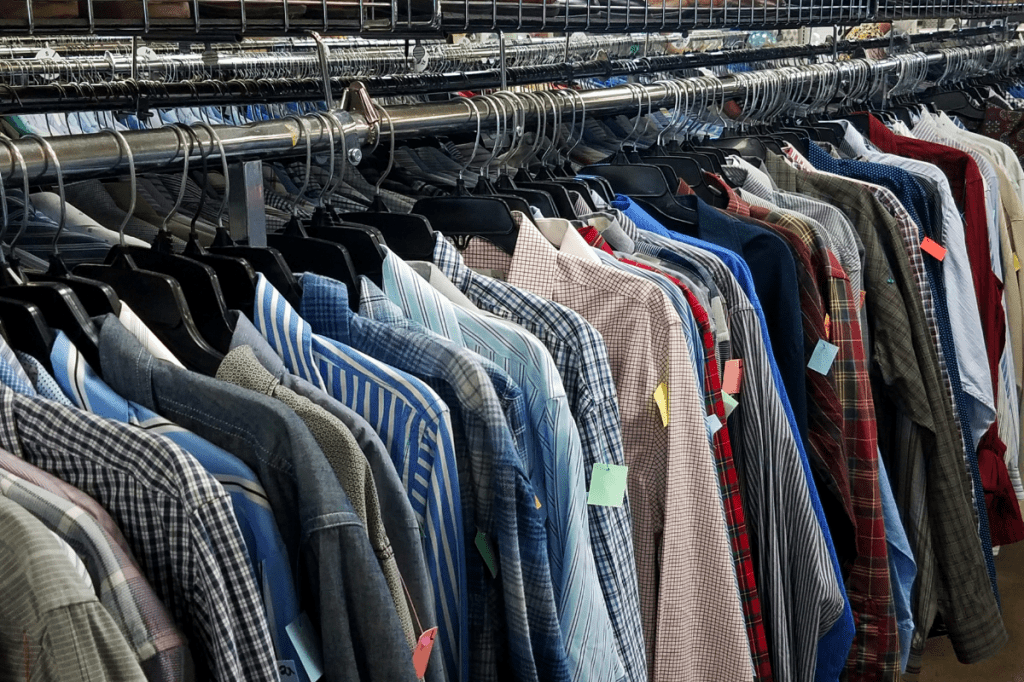
- Clothes, shoes and accessories: Depop or one of Adelaide’s rent-a-rack stores, which save you from answering 14 messages asking whether a $20 dress is “still available”.
- Collectables, tech, books and niche stuff: eBay can connect you with buyers outside Adelaide, while specialist social media groups can be surprisingly effective for toys, gaming gear, musical instruments and hobby equipment.
Take clear photos in daylight, be honest about any damage and price things according to how badly you want them gone. Whichever platform or group you use, watch for fake payment links and suspicious courier stories – we’ve covered the warning signs here.
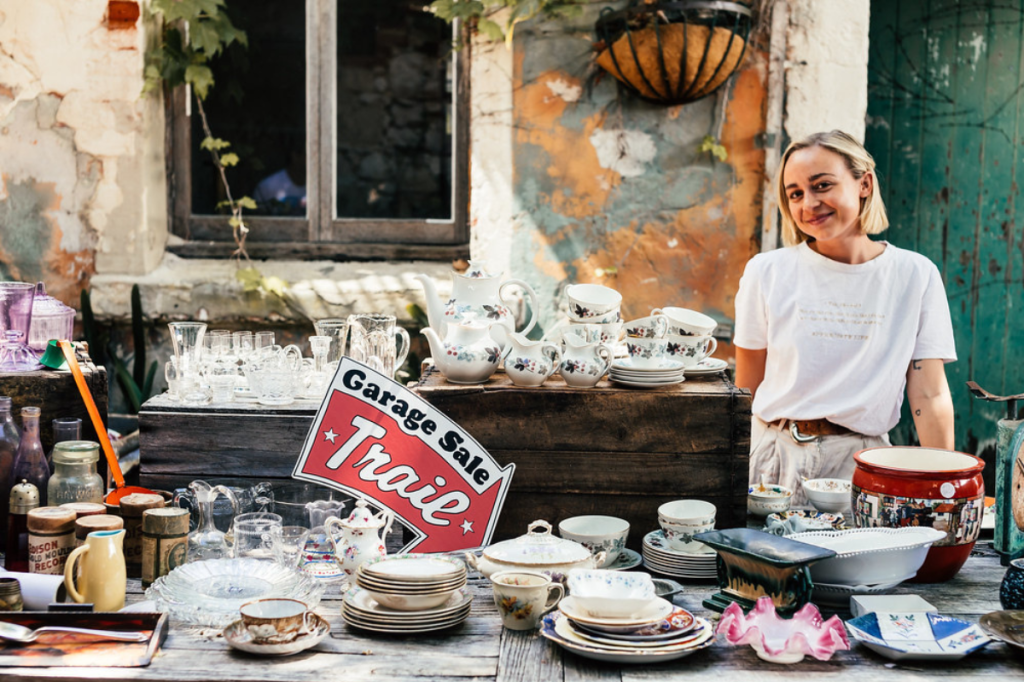
The other option is a good, old-fashioned garage sale. Thanks to GISA, it’s free to register for the Garage Sale Trail 2026. Australia’s biggest second-hand treasure hunt is happening on 7-8 and 14-15 November – the perfect chance to clear some space and make a bit of cash.
Ten cents adds up
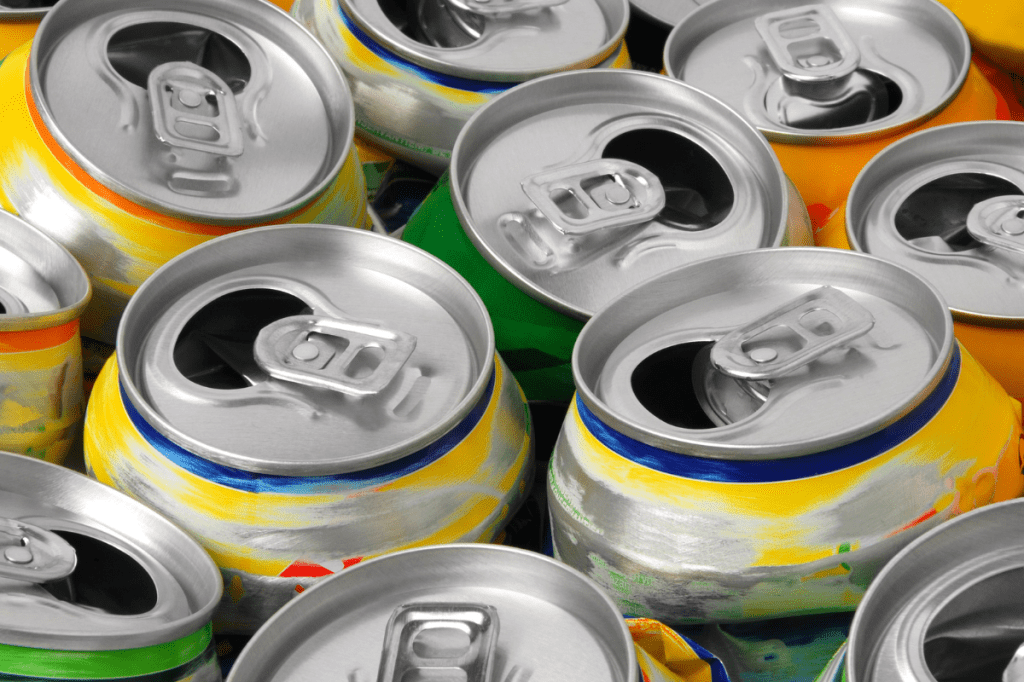
Don’t overlook the easiest money in the house. Most drink cans and bottles sold in SA have a 10-cent refund – check the label if you’re unsure.
Five hundred containers is $50. If you live in a sharehouse, entertain a lot or have quietly accumulated bags of cans in the shed, a car boot full can produce a surprisingly decent payday at a collection depot.
Do some good with it
Not everything needs to turn a profit. Donating good-quality things is the feel-good option: you clear space, someone else gets what they need and you support a cause you care about.
SA is already pretty good at keeping materials out of landfill: in 2022–23, 82.2 per cent of the state’s waste was recovered for further use, and 93 per cent of that was reprocessed locally. Donating instead of dumping keeps that loop moving.
Here are three ways to give your stuff another life:
- Set your clothes free with GISA
Clearing out clothes or linen? GISA’s Set your clothes free event will accept washed clothing, footwear and household linen in any condition at several SA drop-off points on Saturday 31 October, from 9am to 3pm.
Good-quality items go to charities; the rest is recycled. Doonas, pillows, soft toys and mattresses are out. Check the website for locations.
- Book a charity collection or drop it off
Organisations including Red Nose, Salvos Stores and Habitat for Humanity SA ReStore collect some good-quality clothes, household goods, furniture and appliances from Adelaide homes.
Op shops also accept suitable items at drop-off points.
What they take varies, so check before booking a collection or loading the car.
Remember, donating to charity is never an excuse to dump your rubbish. A useful test is whether you’d happily give the item to a friend. If it’s stained, broken, mouldy or missing important pieces, a charity shouldn’t have to pay to dispose of it for you.
- Give it away through Buy Nothing
Buy Nothing groups are increasingly popular local online communities where neighbours give away useful things, ask for what they need and keep good stuff circulating without money changing hands.
Find one for your area and post what you have – or check whether someone nearby is already looking for it.
The things none of your bins want
Some clutter is far too dangerous for kerbside bins.
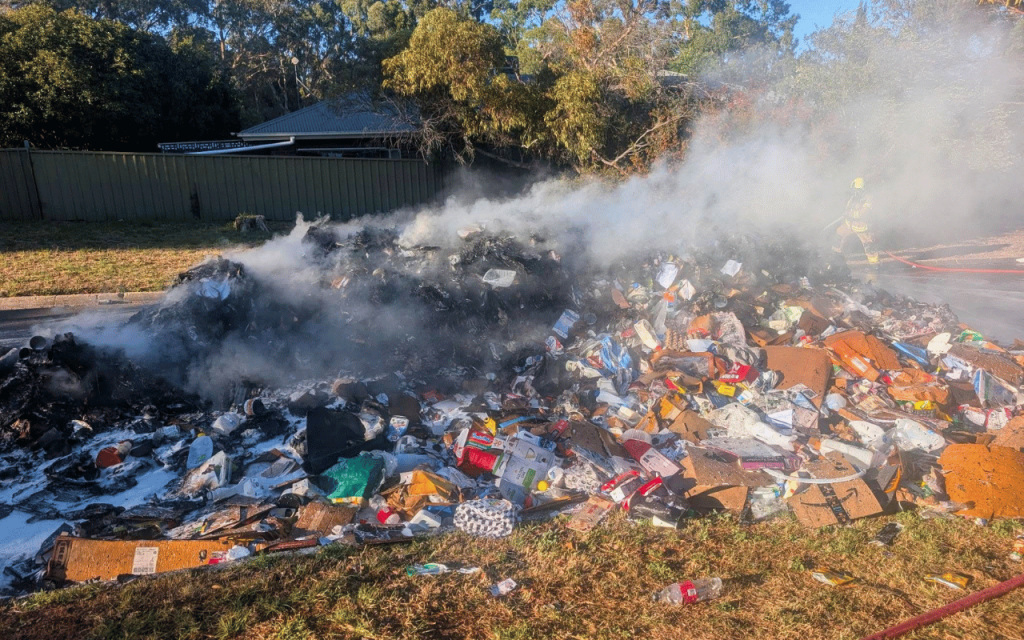
In just the past few years, loose and built-in batteries have caused nearly 10,000 reported fires and fire events across Australia’s waste and recycling industry.
Never put any of the following in a kerbside bin – it would put collection truck drivers, waste workers and property at risk:
- Loose batteries: Tape the terminals and take them to a participating supermarket, hardware store or B-cycle drop-off.
- Items with built-in lithium-ion batteries: Vapes, earbuds, electric toothbrushes, speakers, cordless vacuums, e-scooters and similar devices can go to four free permanent drop-off sites at North Plympton, Campbelltown, Heathfield and Edinburgh North.
- E-waste: TVs, computers, phones, cables and other electronics don’t belong in kerbside bins – whether they contain a battery or not. Try a retailer recycling scheme, MobileMuster or an Unplug N’ Drop site.
- Paint, chemicals and other hazardous stuff: Household chemicals, oils, LPG bottles and light globes can be taken to free permanent depots. Unwanted medicines can go back to a pharmacy.
Too big for the bin?
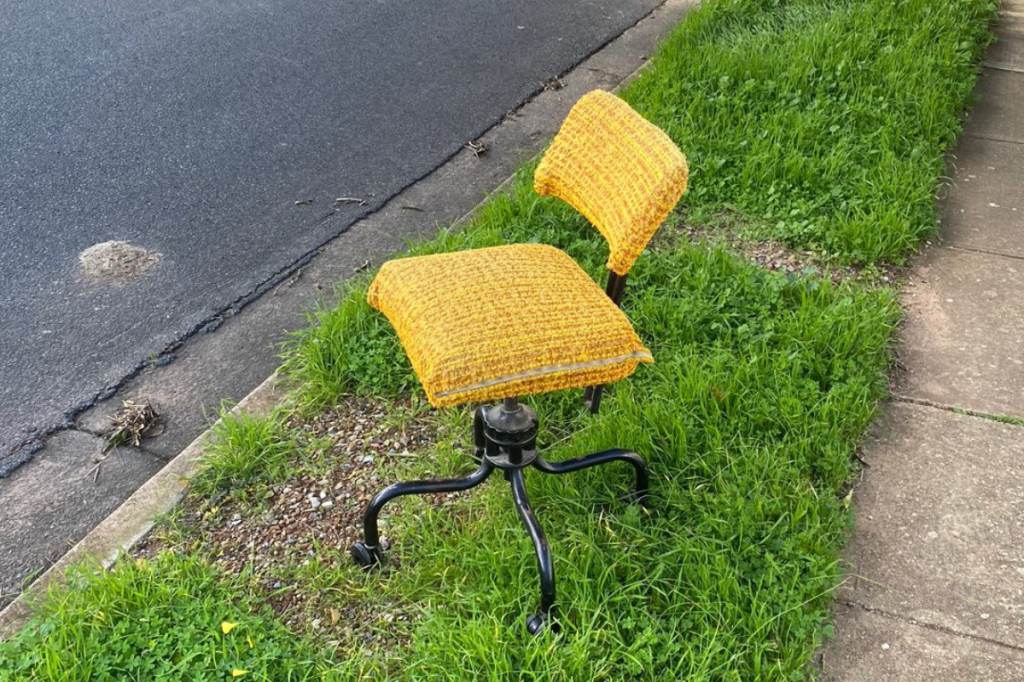
Almost every metropolitan council offers hard waste collection, but services vary. Depending on where you live, that could mean a booked kerbside collection, drop-off vouchers or a separate service for mattresses.
Check your own council’s website for its booking system, limits and banned items before dragging anything onto the verge. Putting it out without a booking – or too early – can count as illegal dumping, and batteries, chemicals and asbestos definitely aren’t hard waste.
Which bin? The 30-second version
Still got a small pile to sort? Here’s what belongs in each kerbside bin. For anything trickier, check out our full A–Z disposal guide.
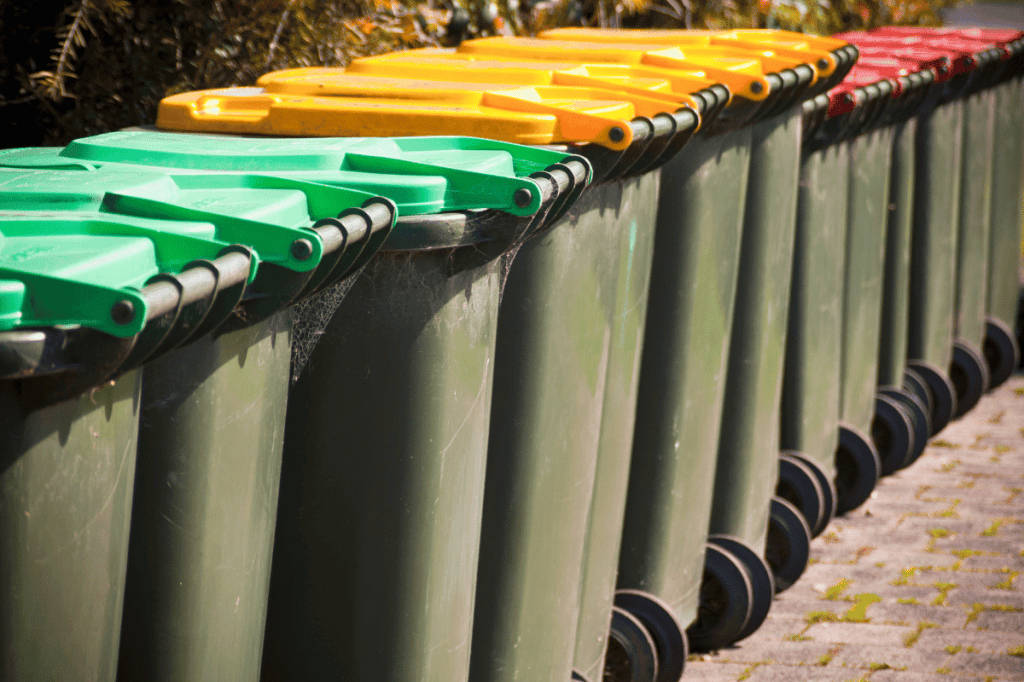
- Green: All food scraps – including meat, dairy and bones – plus garden waste, tissues, paper towel and greasy pizza boxes. “Compostable” packaging needs the AS 4736 seedling logo. That one is worth getting right: 230,000 tonnes of food waste is still sent to landfill in SA each year.
- Yellow: Empty and rinsed glass bottles and jars, cans and tins, paper, cardboard and rigid plastic containers. Keep everything loose, not bagged.
- Red or blue: Things that can’t be reused, recycled or composted. But never batteries, e-waste or hazardous chemicals.
Still stuck? Use GISA’s Which Bin tool to find the right bin or nearest drop-off point for your suburb.