


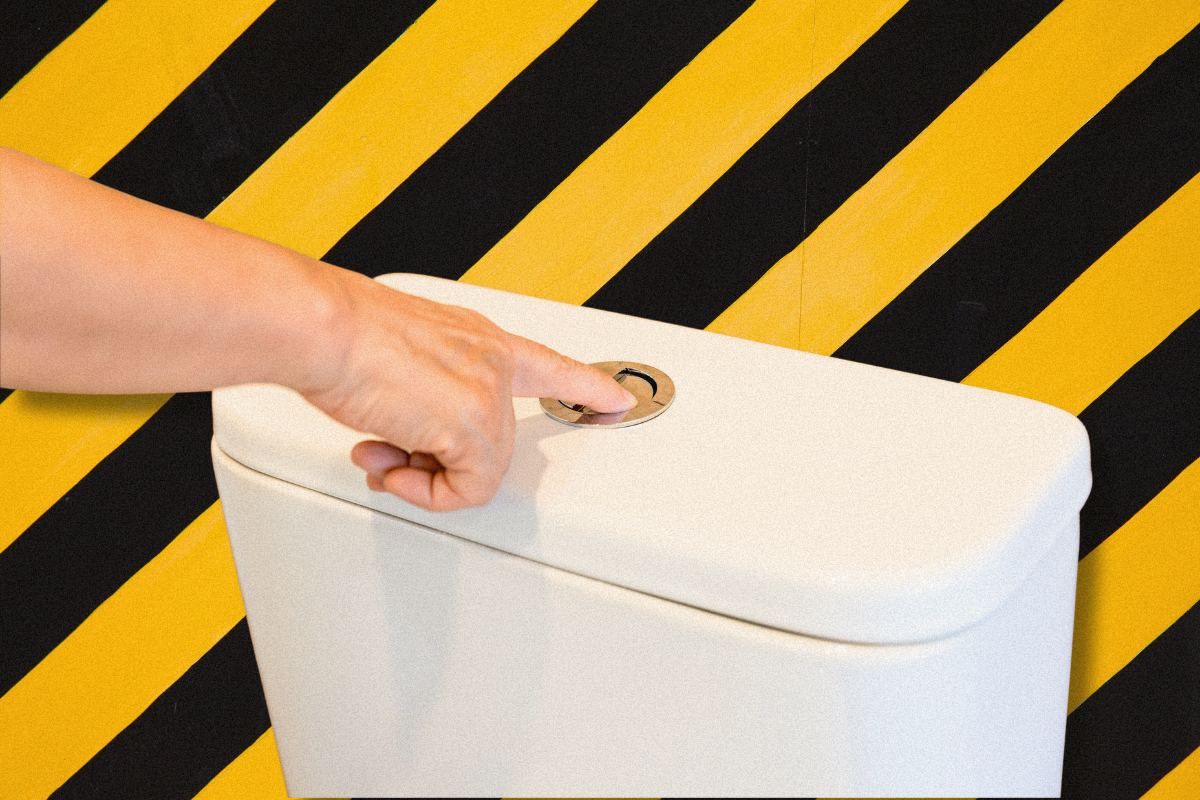
SA has hit a new record for sewer blockages — and some of the stuff clogging our pipes is just plain … weird.
You’ve probably heard of fatbergs – those foul, sticky blobs made from grease, wipes and other junk that congeals underground. They’re more famous overseas, but in SA, we’re dealing with the same bad habits that cause them.
In 2025, our sewers copped a beating. SA Water logged a record 5,167 blockages across the state – the highest number on record – thanks to a year’s worth of bad flushing, sink abuse and some seriously weird items that had no business going underground.
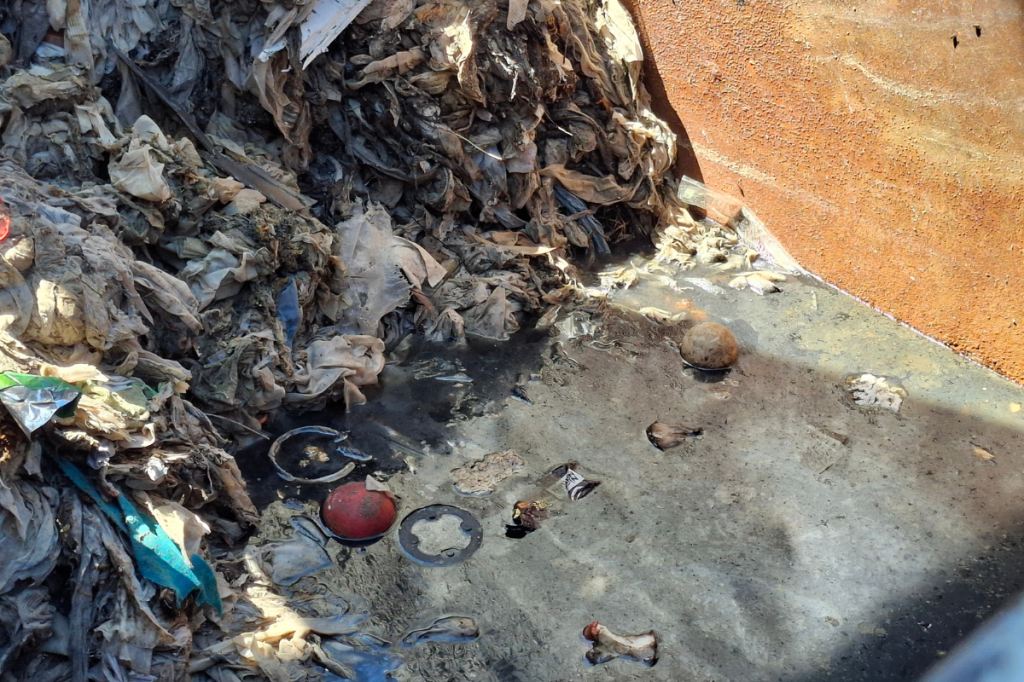
Further downstream, at the Bolivar Wastewater Treatment Plant – one of the final stops in Adelaide’s sewer network – more than 120 tonnes of wipes, fat and debris were pulled out every month. It’s a grim reminder of what’s still slipping through.
“Once these materials merge in the sewer network, they can form dense, greasy masses that resemble foul-smelling grey-brown lumps,” says SA Water’s Senior Manager of Infrastructure, Planning and Strategy, Dr Daniel Hoefel. “Slimy on the outside and solid in the middle, they trap anything passing through the pipes and emit strong sewage odours as they obstruct wastewater flow – and sometimes, evolve into fatbergs.”
So far, Adelaide’s dodged the worst-case scenarios. In Perth, a fatberg last year shut down an entire hospital – and (far less tragically) also cancelled a Bryan Adams concert.
Grease, wipes and regrets
Cooking oils might look harmless as they slide down the plughole, but inside the sewer they cool, harden and cling to other waste – especially food scraps and wet wipes. Over time, they can build up into full-blown fatbergs that block wastewater flow, back up sewage, and unleash odours no backyard or city street should ever experience.
Daniel says around 22 per cent of last year’s blockages were caused by preventable build-ups like these – and while most don’t make the news, they’re still disgusting, disruptive and expensive.
“What goes down the drain has lasting consequences beyond the kitchen or bathroom,” Daniel says. “By keeping cooking fats, food scraps and toys out of the sewer, South Australians can help protect their homes, the environment and the state’s essential infrastructure.”
To avoid creating a fatberg:
- Let cooking oils and fats cool before disposal
- Scrape them into the bin
- Wipe greasy pans with a paper towel before washing
- Use a sink strainer to catch food scraps

Flush with caution (and certification)
But it’s not just your sink that can trigger a sewer disaster – what goes (or doesn’t go) down the toilet matters just as much.
SA Water’s rule is simple: only flush the four Ps – pee, poo, (toilet) paper and products with proof of flushability.
That last one trips a lot of people up.
Many wet wipes are labelled ‘flushable’, but unless they’re certified to the Australian and New Zealand Flushable Products Standard (look for the logo), they’re unlikely to break down properly – and that means they can clog your drains.
Even worse, wipes that survive the flush often team up with fats and oils to form a fatberg. It’s why SA Water is still finding them in massive quantities at the treatment plant, despite years of public campaigns.
If you must use wipes, look for proof of certification – or just bin them instead.
We know what you flushed last year
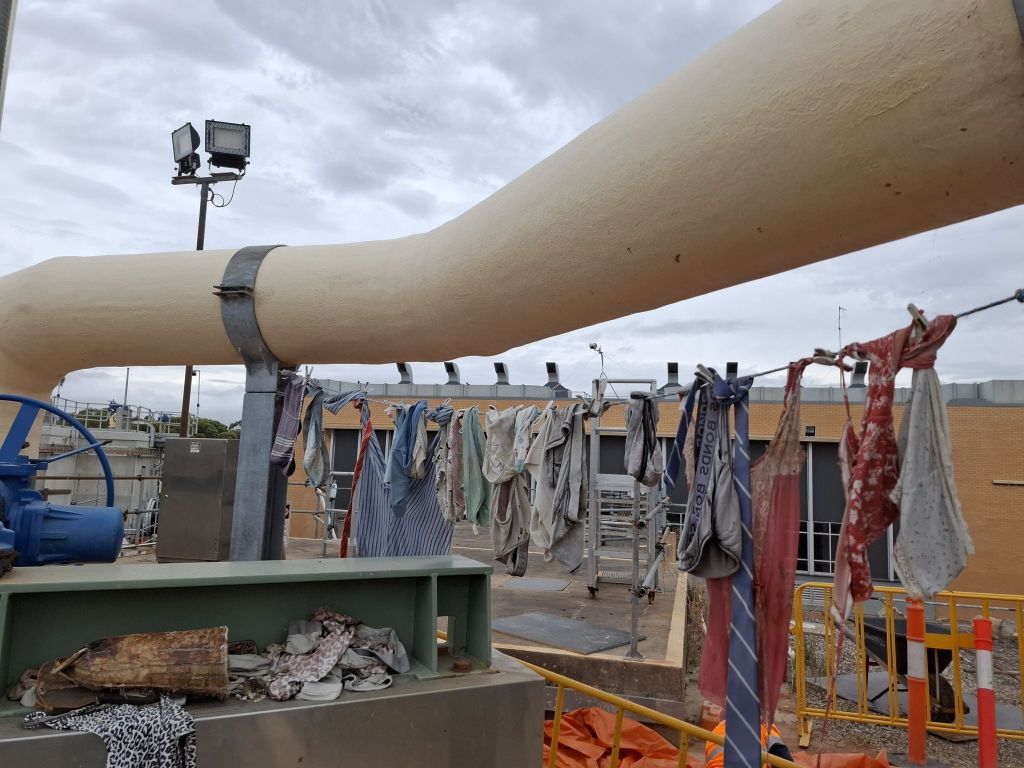
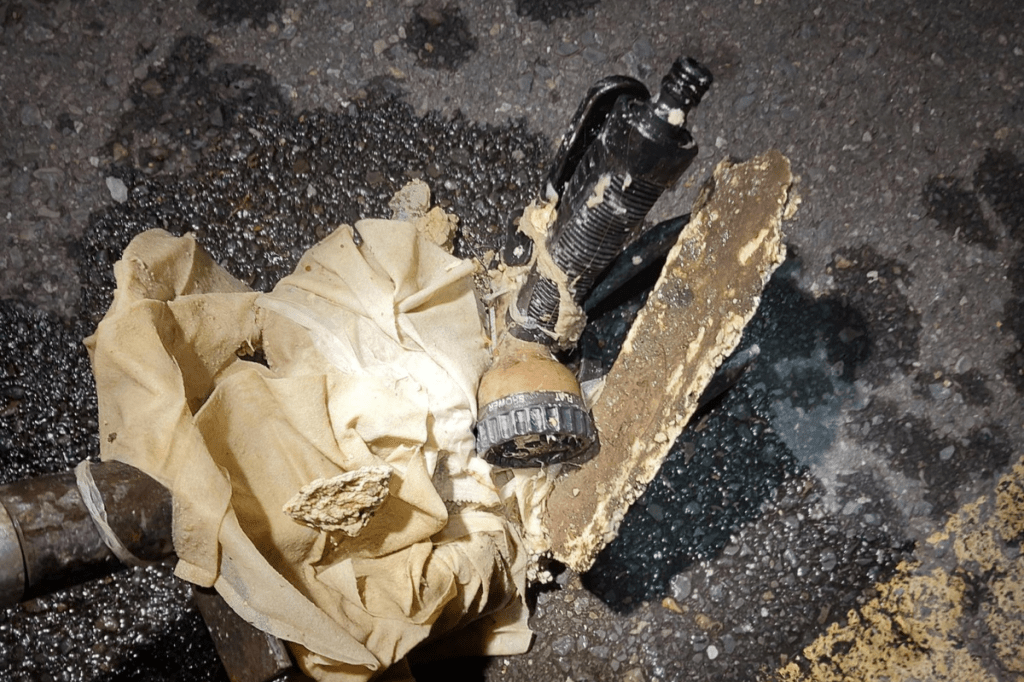
In 2025, SA Water pulled some pretty strange things from the system. Alongside the usual suspects – wipes, tampons, condoms, tissues and floss – they also found:
- Hose attachments
- Cricket balls
- Kids’ toys
- Socks
- Undies
- Ties
- Shirts
- Shoes
Poonamis: When a blockage hits back
If a blockage forms in the pipes outside your home, wastewater can’t escape. And when that happens, it comes back the way it came – sometimes fast.
“These blockages can force raw sewage back into homes or into the environment, creating serious health and hygiene risks, along with inconvenience and mess,” says Daniel.
These eruptions are known as poonamis, and they’re as horrible as they sound.
Blockages caused by cooking fats and wipes are a big risk. But they’re not the only ones. Tree roots, especially during dry weather, are the single biggest cause of blockages – responsible for about 65 per cent of last year’s total.
Roots infiltrate pipes looking for water, then snag wipes and debris until the whole thing blocks. If the pressure builds up enough, sewage can overflow into your garden, your patio, or your laundry floor.
Want to know more about poonamis – and how to poonami-proof your house? We’ve got a guide here.
The stink beneath your feet
There’s another source of household sewer smell that’s on the rise – and you might not know it exists.
It’s called a gully trap. You’ll usually find it just outside the house, near an outdoor tap. It’s designed to stop sewer odours escaping by holding a small amount of water in the bend of the pipe, acting as a seal.
But in hot weather or newer homes where those taps don’t get much use, the water evaporates – and the smells sneak out.
SA Water recorded 65 odour complaints linked to dried gully traps last year, mostly in new developments in Adelaide’s north.
“Dry and hot weather can cause gully traps to dry out which then allows odours to escape,” Daniel says. “We’re encouraging residents to regularly check their outdoor gully traps and top them up with water if they appear dry.”
How bad was it in your suburb?
Every year, SA Water tallies up where the worst blockages happen. In 2025, these suburbs came out on top:
Top 10 for non-flushable blockages:
- Morphett Vale (12)
- Athelstone (11)
- Modbury North, Prospect, Campbelltown, Ingle Farm (8 each)
- Norwood, Enfield, Elizabeth North, Hackham West (7 each)
Top 10 for fats and oils:
- Grange, Henley Beach (9 each)
- Mitchell Park (8)
- Aberfoyle Park, Port Lincoln, Morphett Vale, Findon, Fulham Gardens, South Plympton (7 each)
- Oakden (6)
For more information on keeping our sewers healthy, visit SA Water.