


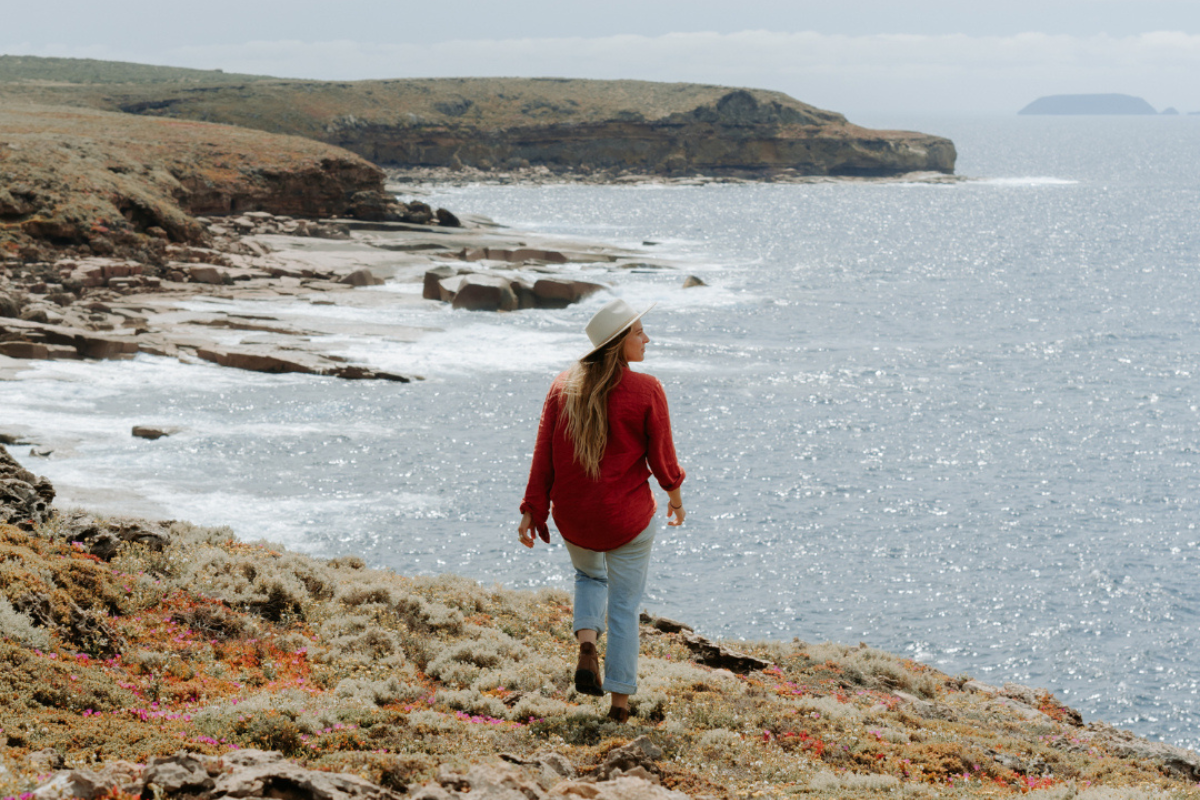
What happens when you remove five invasive species from a remote South Australian island? Orchids bloom, seabirds return and the next chapter of rewilding begins.
In 1979, Peter and Pamela Woolford did something their son Jonas still describes as “unhinged”: they bought an island. Not a shack on the coast, but an actual island. Four thousand hectares of wild South Australian wilderness, 35km off the Eyre Peninsula, surrounded by the Great Australian Bight. The island was Flinders Island – the state’s fourth largest island – and they moved there with Jonas as a one-year-old and his brother Tobin as a six-week-old to run it as a merino sheep station.
“Looking back on it, it was pretty special growing up there,” says Jonas. The only formal “classroom” was an hour a day of school-of-the-air lessons crackling through on the radio from Port Augusta. The remaining education happened outside.
“We were running around in bare feet, climbing trees and without a care in the world,” Jonas says.
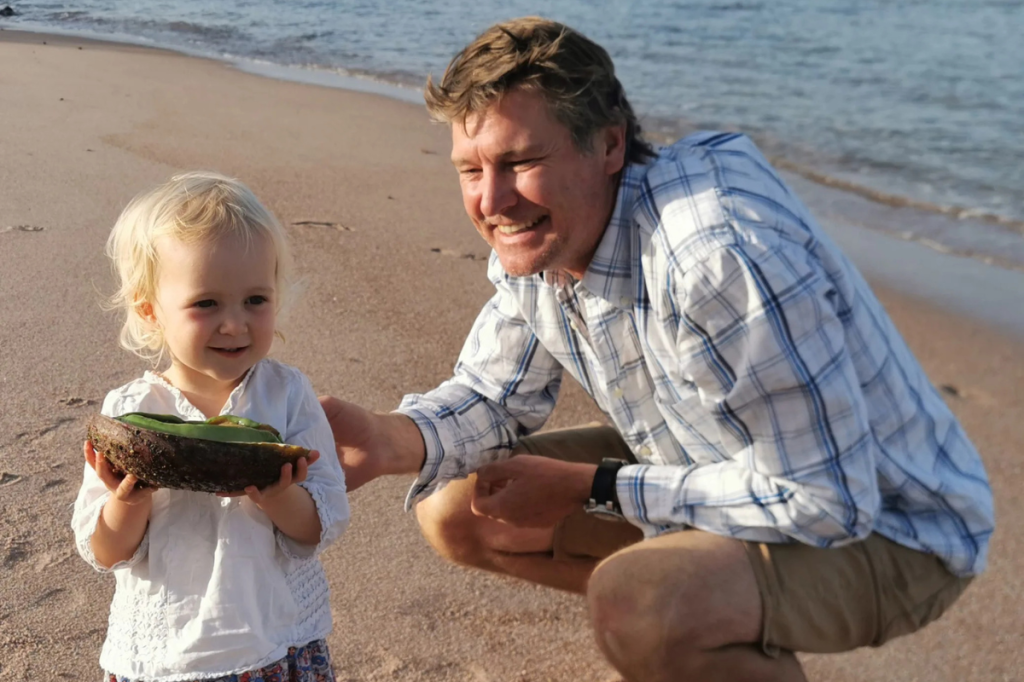
Then there was the sea. “We’d be down there with a mask on, just swimming around, exploring and collecting crabs – it was kind of inevitable that we became divers ourselves.”
Today, the sheep are gone, the family businesses are wild abalone harvesting and eco-tourism, and the island is being turned into a refuge for endangered native animals.
“After growing up out there, exploring the place extensively, it’s really nice to be able to contribute as humans to actually restoring things, rather than wrecking them.”
A 20-year vision
That instinct kickstarted the Flinders Island Safe Haven project – a conservation partnership between the Australian and South Australian governments, the Eyre Peninsula Landscape Board and the Woolfords as private landholders.
The aim is to protect and restore the island’s unique ecosystems by removing livestock, eradicating cats, rats and mice and preparing the island for the return of threatened native mammals that haven’t lived there in decades.
Sheep farming wound down in the early 2000s. In its place, the family expanded Eyrewoolf Abalone, harvesting wild greenlip abalone from the cold waters off the Eyre Peninsula – a business they’ve run since 1987. Conservation on the island always felt like unfinished business.
“It’s been around 20 years in the making,” Jonas says. “From the first time we floated the concept to actually getting it done.”
Funding from the Australian Government Saving Native Species Program and the South Australian Government Landscape Priority Fund unlocked a formal conservation covenant across most of the island – and the multi-layered partnership Jonas says is the real strength of the project.
“That’s what’s really unique about this,” he says. “It’s Commonwealth, state, regional board, and us as the private landholders – and then the community, who we really tried to involve in the whole journey.”
What happened on the island last year
Talking about conservation is easy. Removing five invasive species from 3854ha is not.
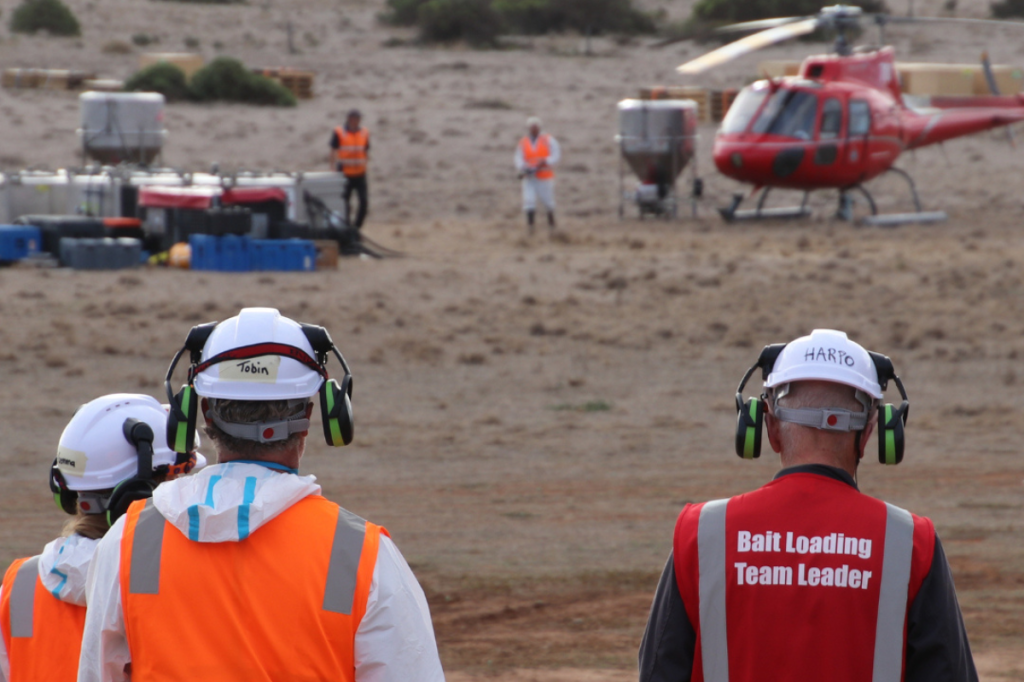
From May to December 2025, Flinders Island closed to visitors. Helicopters flew grid patterns overhead, dropping bait across the island in what became the largest aerial rodent eradication ever attempted in SA. Thermal drones scanned the coastline.
International specialists – brought in from New Zealand and Tasmania specifically for this kind of work – humanely removed every feral cat.
By the end of the program, five invasive species were gone: cats, rats, mice, feral cattle and sheep.
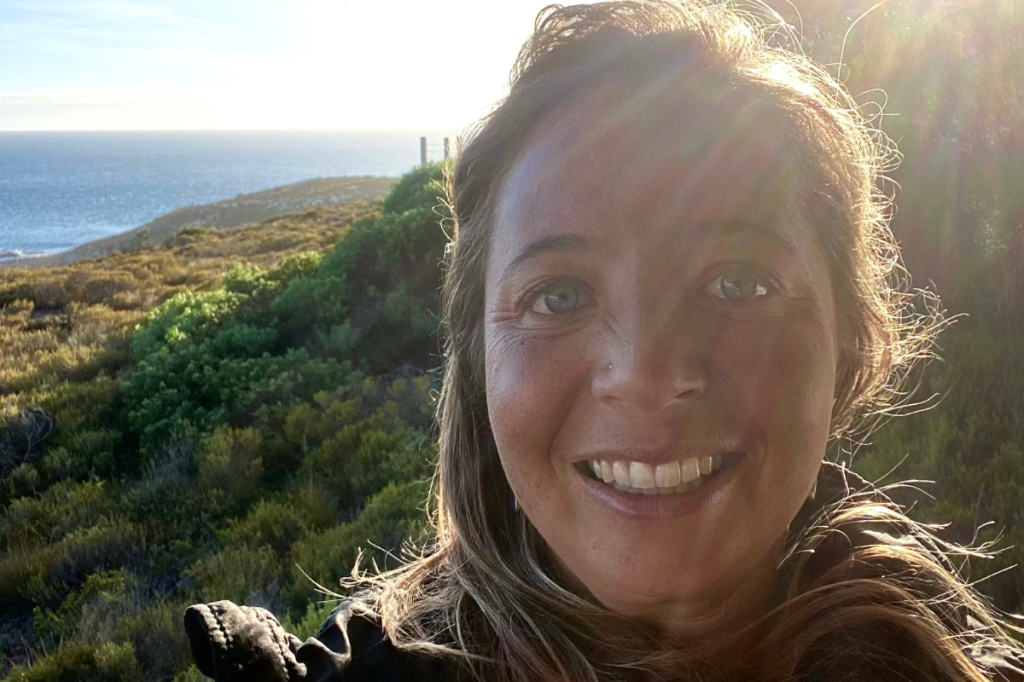
Liz McTaggart, Senior Ecologist with the Department for Environment and Water and Project Manager of the Flinders Island Safe Haven Project, says it’s ground-breaking.
“This is something South Australia has never, ever done in conservation before,” Liz says. “A full five-species eradication – that’s radical.”
It matters because the island once teemed with life.
When Matthew Flinders sailed past in 1802, he logged the tammar wallabies bounding across the scrub as “small kangaroos” – a mistake that hints at how many there were.
Subfossil remains show southern brown bandicoots lived there too. Both were driven to local extinction after pest species arrived – rats via a shipwreck in 1942, then cats introduced to control the rats (it didn’t work out as planned).
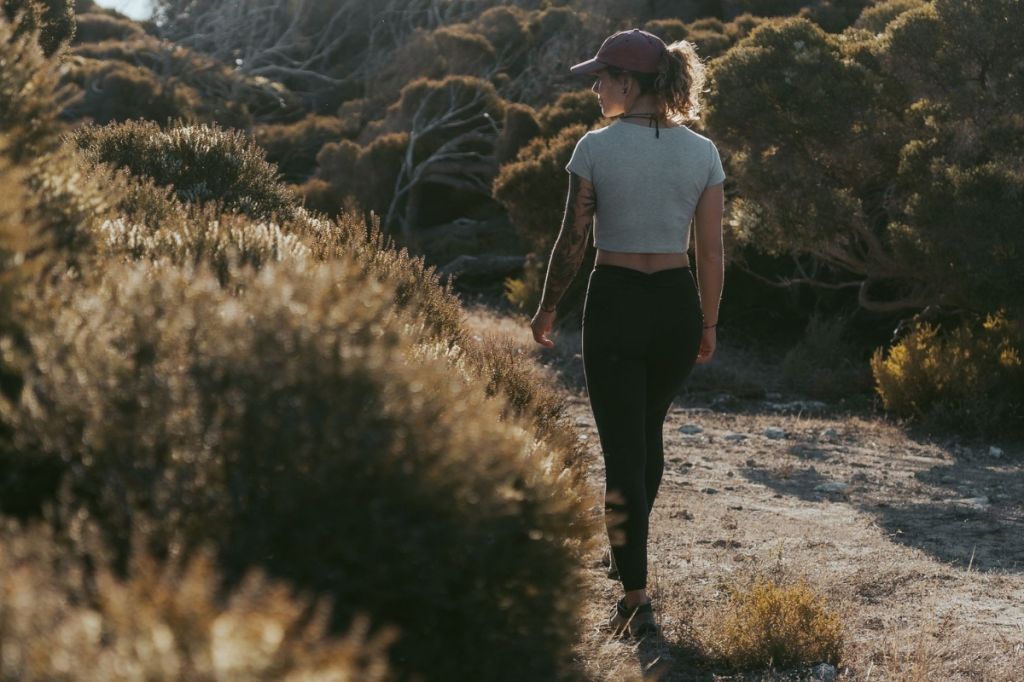
The island is already responding
The on-ground eradication operations finished in October 2025. Formal confirmation of pest-free status won’t come until mid-2027 – but nature, it turns out, doesn’t wait for paperwork.
This past spring, Liz counted at least 12 species of native orchids blooming across the island – including two that had never been recorded there before. In some spots, she says, they’re just “abundant.” Sheoak seedlings are pushing up after a single season free from grazing.
Birds like hooded plovers, pied oystercatchers and silvereyes are breeding on the beaches – safe from invasive predators for the first time in more than 80 years. Drone surveys have picked up little penguins reappearing at two sites.
“It’s so rare to see this on the mainland,” Liz says. “It’s just so positive. Unreal.”
Jonas’s own early signal of the changes was watching a pair of ospreys circling a nest that’d sat abandoned for 20 years.
“Hopefully they take it up again,” he says.
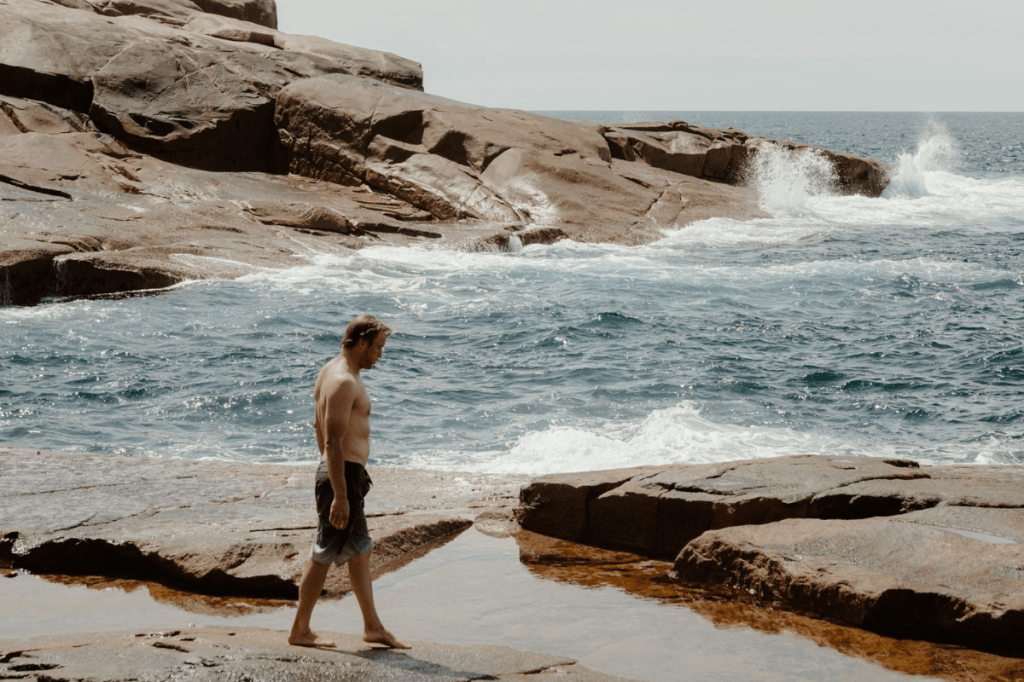
Why islands matter
Flinders Island might sit 35km offshore, but it has never been isolated from the Elliston community. Local families have worked, fished and camped there for generations.
During the eradication process, school students visited, ran projects and followed the science. They’re going to grow up watching what happens next.
As Liz explains, islands are incredibly important in conservation.
“We don’t make more islands,” she says. “Not big, old, large ones like this – not in Australia.”
“When landowners are really motivated and they genuinely care about their island, you’ve got the best possible mix to succeed.”
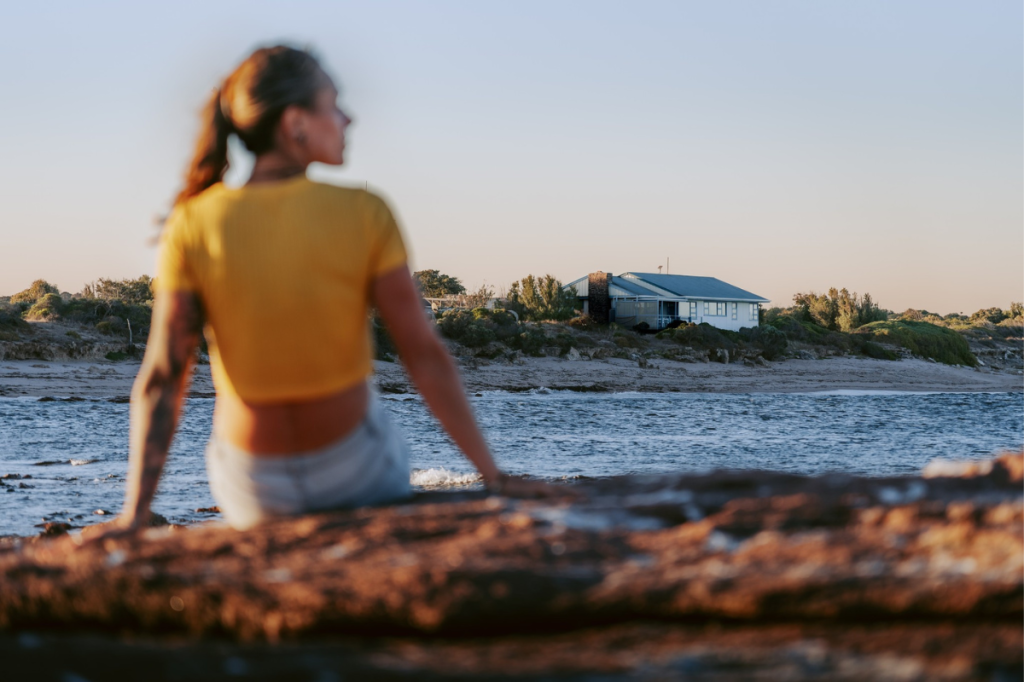
An island all to yourselves
The Woolfords don’t see conservation and tourism as competing ideas. They see them as interdependent.
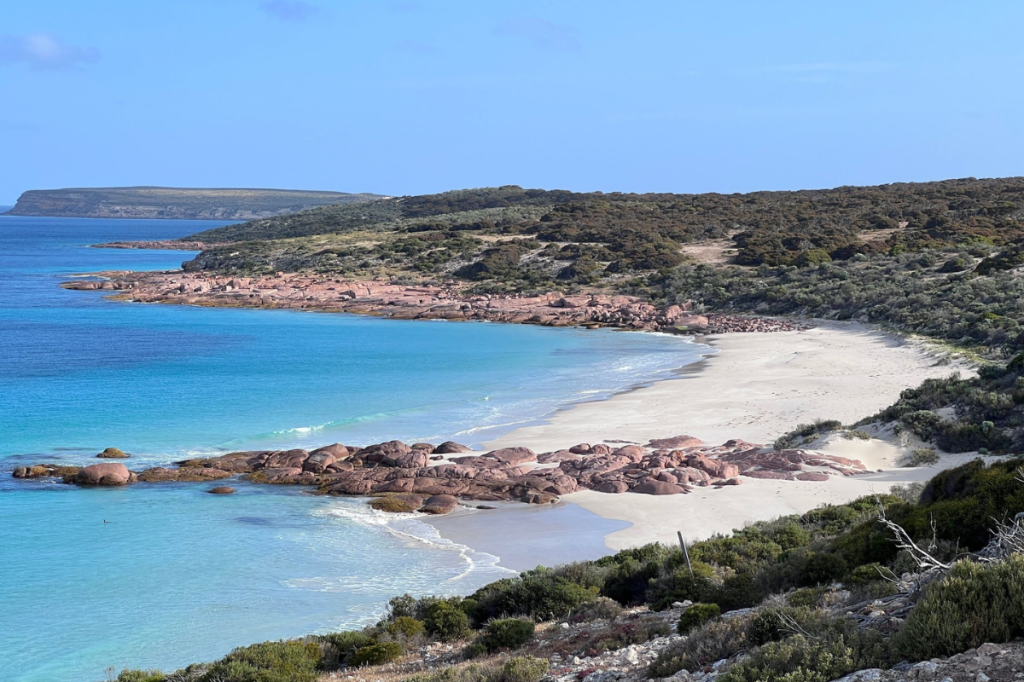
When you book a stay at Flinders Island Eco Escape, you and your group become, for however long you’re there, the only guests on a near-4000ha island. More than 2000 football ovals’ worth of coastline, bush and beach. No other holidaymakers.
The Eyrewoolf Homestead sits right on the sand at Groper Bay – off-grid on solar, with a proper kitchen, a fire pit, and 4WD vehicles fuelled and ready to go. If you prefer to arrive by sea, Jonas often skippers the barge from Elliston himself.
While guests have the run of the island’s beaches and bushland, an onsite manager remains on Flinders throughout each stay – part of the careful stewardship that keeps both visitors and wildlife safe.
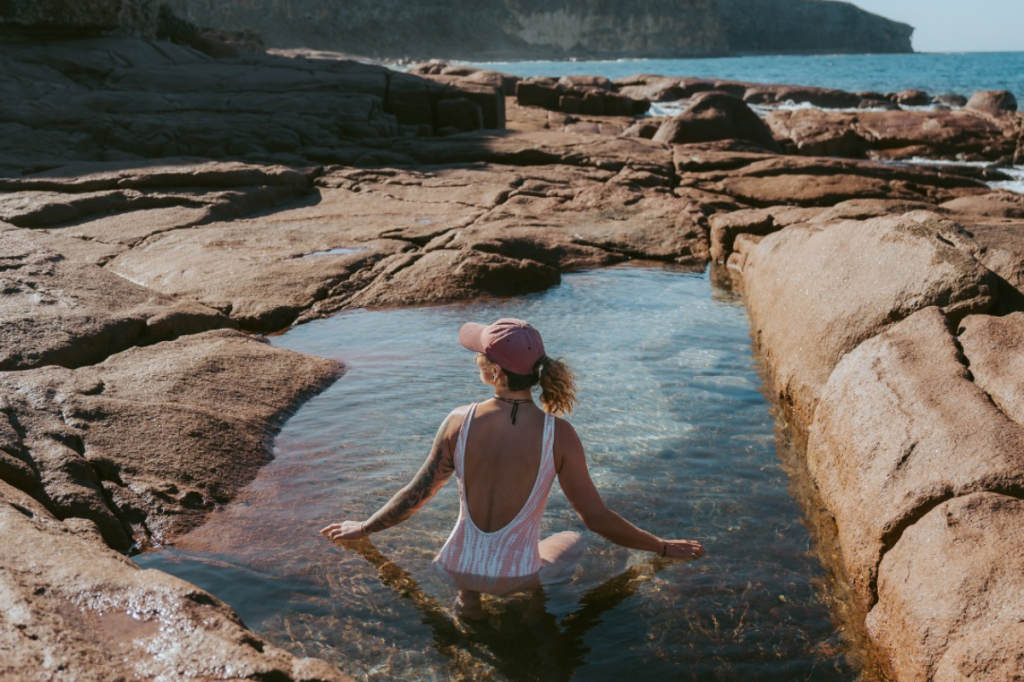
You can surf three distinct breaks, including the famous Kitchenview. You can kayak alongside dolphins, snorkel above western blue groper on the reef at Groper Bay, or fish for King George whiting at Bryant’s Bay. You can find shipwrecks, crawl through sea caves, and stand at the entrance of a guano mine with 1892 carved above the doorway.
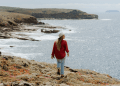
Or you can do none of that, drag a deck-chair onto the beach, and watch sea lions haul themselves onto the granite rocks below Seal Point. At night, with zero light pollution, the stars do the rest.
The island reopened to visitors in January – but on new terms. Strict biosecurity applies: check, clean and seal your luggage before you leave the mainland. The wildlife returning to Flinders Island is worth protecting.
“Conservation and eco-tourism aren’t competing here,” says Liz. “They’re aiming for the same outcome. For offshore islands especially, it’s a no-brainer.”
What comes next
The first mammal reintroductions are expected within 18 months to two years, once the island is formally confirmed pest-free.
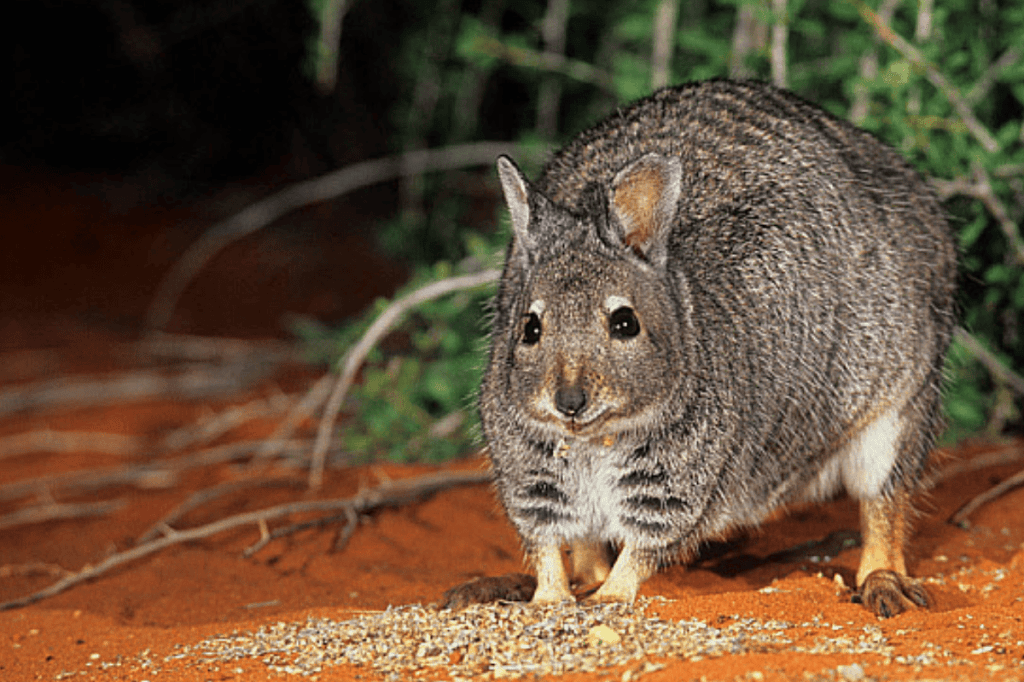
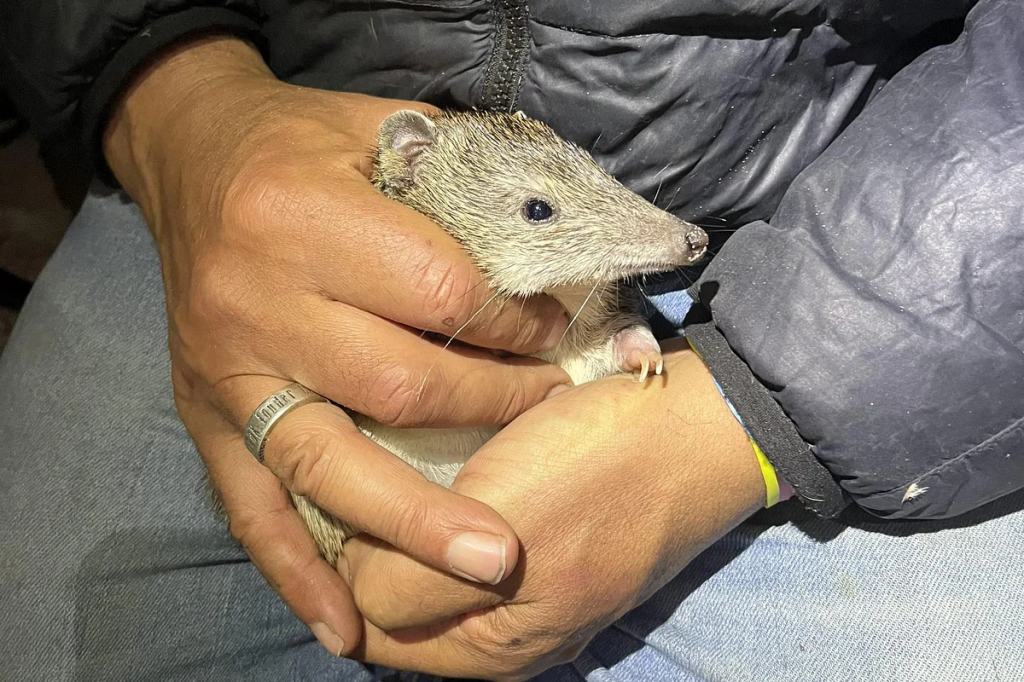
The shortlist for reintroduction includes species many South Australian city-dwellers have never seen but should: the banded hare-wallaby, the Nuyts Southern Brown Bandicoot, the greater stick-nest rat, and the dibbler – a tiny, carnivorous marsupial with enormous eyes and an unforgettable name.
And what will we see on Flinders Island in a decade? Here’s what Liz predicts: “Sheoaks and Melaleucas across the island. Orchids in the thousands. Birds nesting on the beaches and then flying back to the mainland to repopulate the coast. Small mammals moving through the understorey at dusk, and visitors watching them. … I know it can work”.
Find out more about Flinders Island Safe Haven here.