


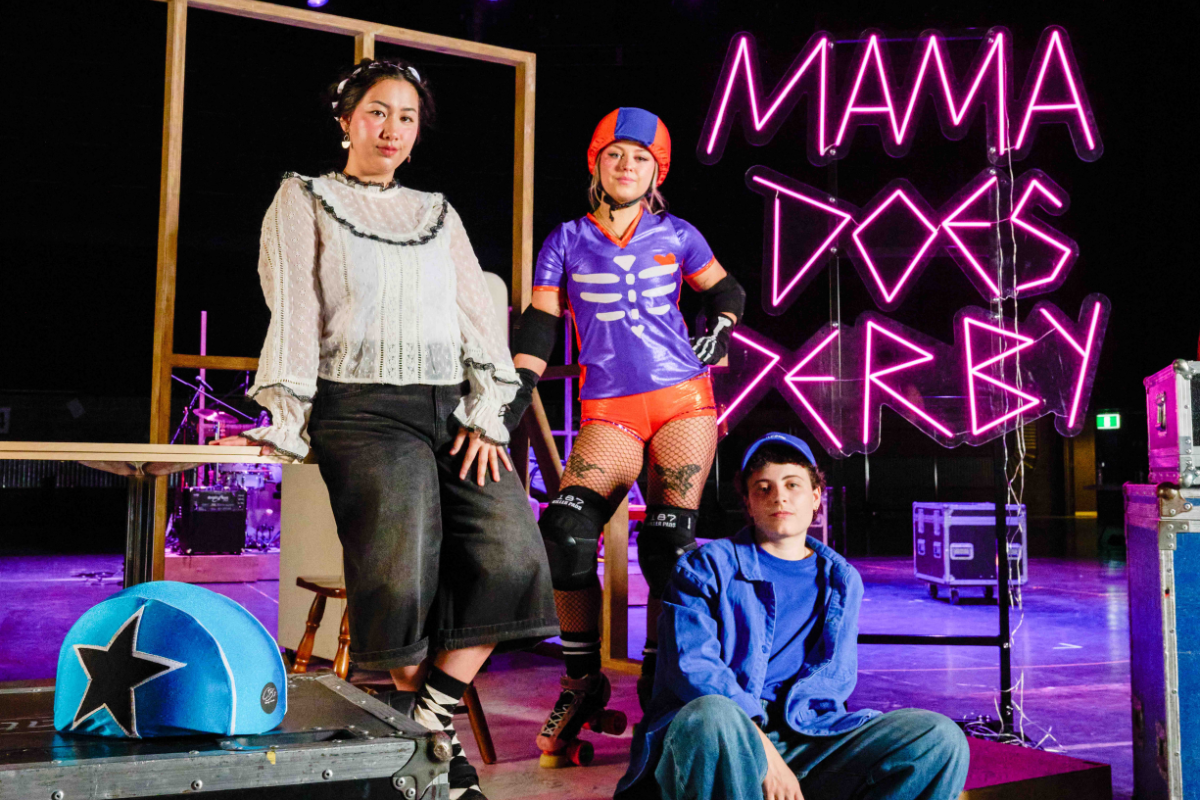
Roller derby, club nights and $40 tickets for under-40s – 2026 is the year the Adelaide Festival throws its doors wide open to a new generation.
“I want people to have mind-blowing experiences that stay with them for a decade,” says Adelaide Festival Artistic Director Matthew Lutton.
If “theatre” still makes you think of school excursions, yawns and cringey jokes, 2026 is your wake-up call.
This year’s Adelaide Festival is ready to change your perception of what live theatre (and dance and even opera) can be – with wild shows, epic musical moments, and $40 tickets for under-40s.
Running from 27 February to 15 March, it’s also the first Festival under new Artistic Director Matthew Lutton OAM, who’s making it his mission to open the doors to audiences of all ages – especially those who haven’t made the leap from Fringe to Festival yet.
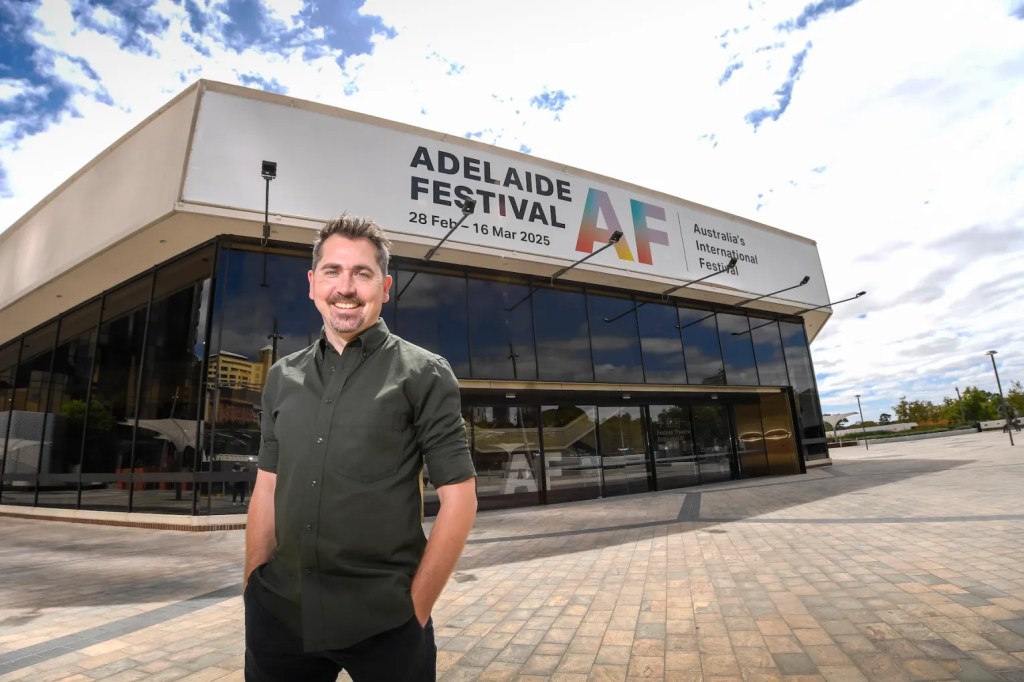
What to expect from AF 2026
Bolder, weirder and more welcoming than ever – that’s the vibe for AF 2026.
“If you’ve never been to a Festival show before, I want you to see something that blows your mind and makes you say, ‘I want more of that,’” Matthew says. “I want people to leave shows full of adrenaline, mind-blown and with lots to talk about … overstimulated in a good way and saying, “I’ve never seen anything like that before.”
This year, under-40s can access most major shows for $40, thanks to a new pricing initiative. “If it’s your first time going to a Festival show, that makes the risk much lower,” he says. “You’re not dropping $120 to see something you’re not sure about. You can just go… and then maybe go again the next night.”
“I want young South Australians to see Adelaide Festival as something that’s for them. You don’t have to change who you are to enjoy it – just show up and let yourself be surprised.”
And with 59 shows, 10 world premieres, 22 Australian premieres and 22 exclusives across 17 “ecstatic” days – plus a stacked lineup of global artists flying in to perform here in Adelaide – the only challenge is picking what to book.
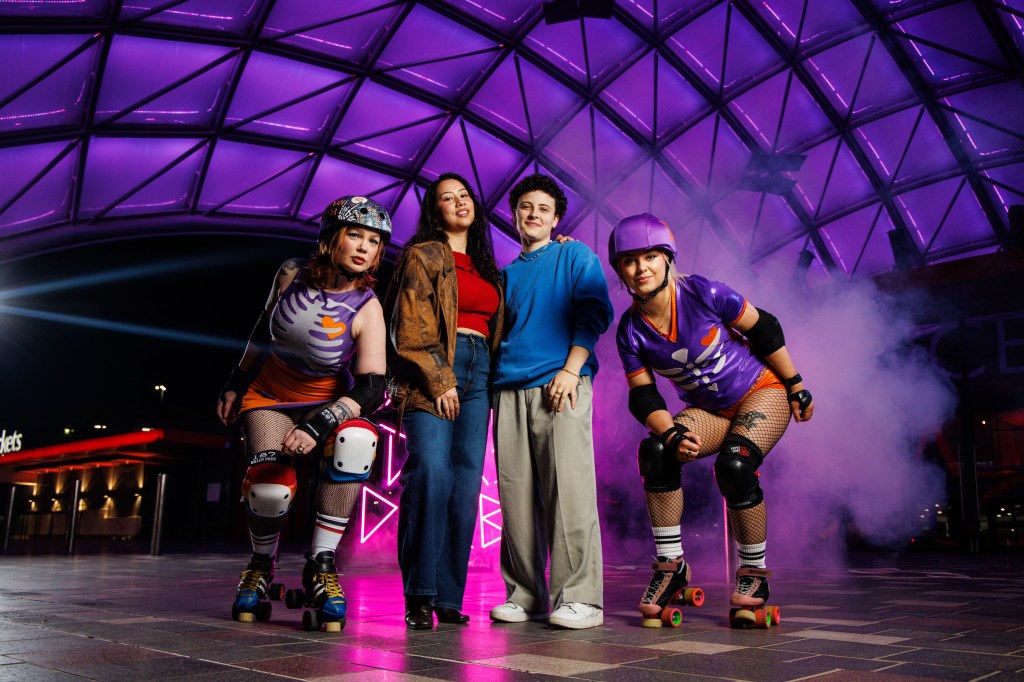
Your gateway show: Theatre, punk and roller skates
If you’re looking for your first Adelaide Festival show, Mama Does Derby at the Adelaide Entertainment Centre Theatre is the place to start.
A production by South Australia’s legendary Windmill Production Company, it’s co-created by director Clare Watson and writer Virginia Gay. Clare’s daughter Ivy Miller also gave specific script advice to make sure the dialogue lands with younger audiences.
The story follows 16-year-old Billie and her mum as they both try to figure themselves out – while real-life derby skaters smash laps around them and a live band rocks out punk tracks.
Clare describes the mother-daughter dynamic as having “that Gilmore Girls energy” – fast, funny and full of sharp banter, where you’re laughing one minute and getting hit in the chest the next.
“It’s for teenagers, for young adults, for parents,” says Elvy-Lee Quici, who plays Billie. “It’s such a big show … it feels really special to be part of something like this.”
Aud Mason-Hyde, who plays Billie’s “cool friend” Hux, says the show is “absolutely for young people” – but it’s bigger than that too. “It’s written very conversationally. It’s so funny … it’s about young people, it’s for young people. And it’s for everybody – quite specifically for people who want to have fun.”
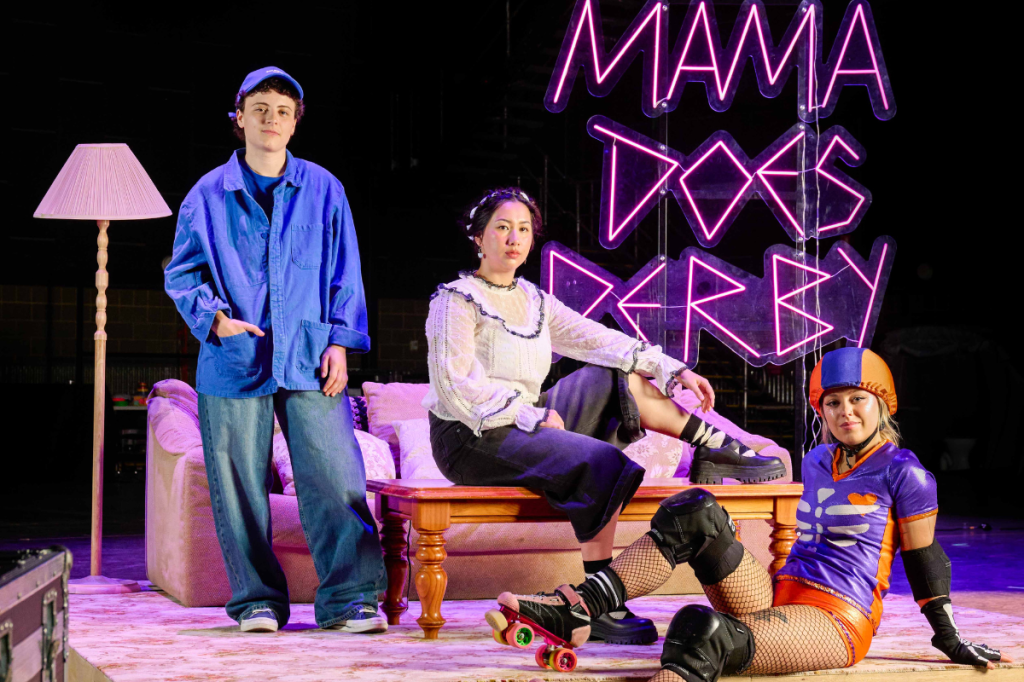
Built from skates, sweat and Adelaide history
The roller derby action isn’t just for spectacle – it’s woven into the story itself. Billie and her mum have just moved to a regional town and need to make their own fun. As Billie searches for connection, her mum spirals through her own kind of rebellion, finding freedom in skates and sweaty elbow pads.
Ten skaters from the Adelaide Roller Derby League perform live as part of the show, with team leader Maddy “BB Gun” Wilkinson involved throughout the creative process.
“There’s so much freedom to express yourself in derby,” Maddy says. “You get to create an alter ego. You’ve got the face paint, the outfits, the derby name – but it’s also a real sport. It’s physically demanding, it’s strategic, and it’s joyful. When young people come to see us, they see people who are just so strong. It’s inspiring.”
That community has deep roots in Adelaide. Australian roller derby started here in 2007, when skater Barrelhouse Bessy gathered a group of women at The Wheaty to form what would become the very first Adelaide Roller Derby League intake. Maddy’s derby name – BB Gun – is a tribute to her legacy.
Other artistic treats on offer
Once Mama Does Derby pulls you in, there’s a whole lot more Festival to explore.
Matthew has programmed a line-up that covers electric theatre, wild visual spectacle, international music and club culture – and he’s hoping it’s the year younger South Australians jump in.
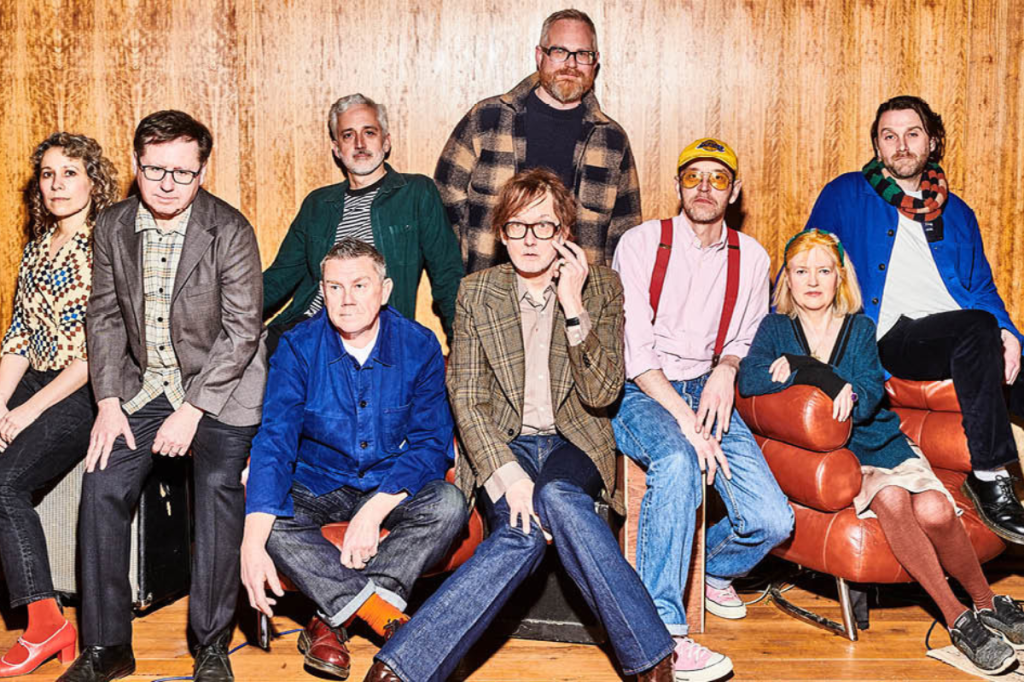
Kicking things off? A huge free concert in Elder Park from Pulp – 90s Britpop legends and basically the cool kids’ answer to Oasis. It’s loud, it’s iconic, and it’s open to everyone – Matt describes it as a “big, welcoming hug to the audience”.
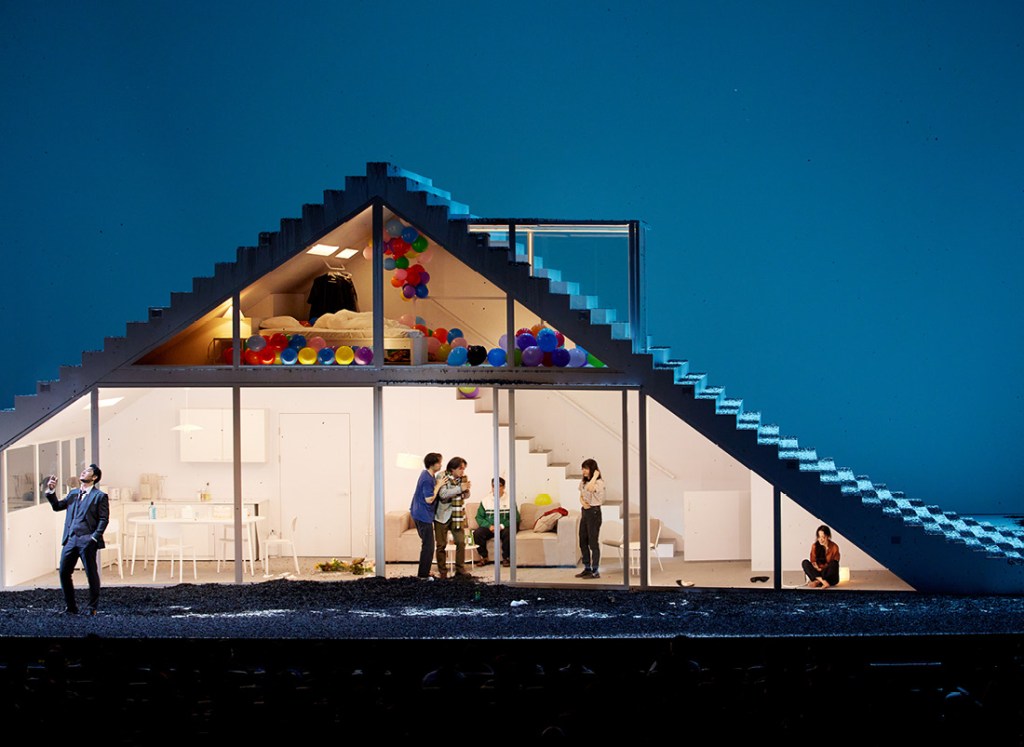
Want more theatre? “If you love a good Netflix drama, The Cherry Orchard will suck you right in,” Matthew says. “It’s directed by Simon Stone, it’s sharp and filmic and just pulls you into the world completely.” It even stars Squid Game’s Haesoo Park.
Then there’s Works and Days, a surreal Belgian show with no dialogue – just visuals, sound, spectacle and steam engines that have to be seen to be believed. “There was an 18-year-old guy sitting behind me when I saw it,” Matthew says. “And every five minutes he just went, ‘what the f**k?’”
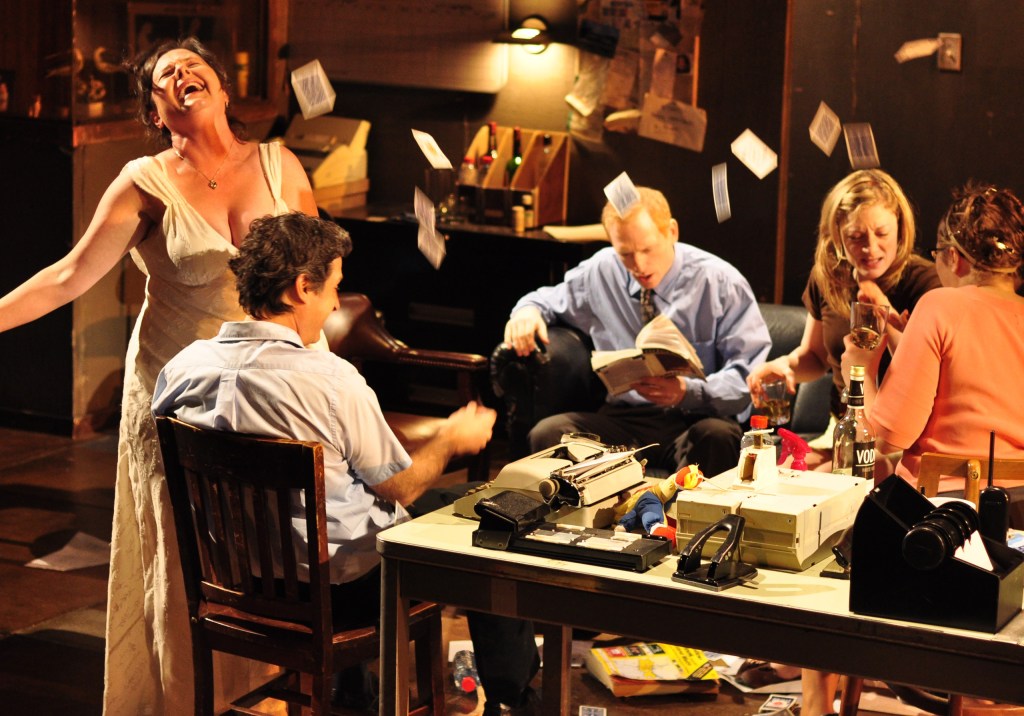
And if you think theatre can’t still completely surprise you, there’s Gatz. Taking over the Festival’s final weekend, this cult hit from American company Elevator Repair Service performs The Great Gatsby word for word across eight hours (yes – there are breaks, including dinner).
It starts in a boring office, where a worker begins reading the novel aloud, and slowly the whole Gatsby universe spills out around him as his co-workers slip into the story. It’s funny, strange, unexpectedly moving and the kind of once-only theatre experience people still talk about years later.
Late-night beats and club culture
Tryp, a new two-part music program, brings international electronic and experimental artists to Adelaide for boundary-pushing club-style sets across two venues.
“It’s the best kind of night out,” Matthew says. “You don’t know who any of the artists are, and you leave with a whole new Spotify playlist.”
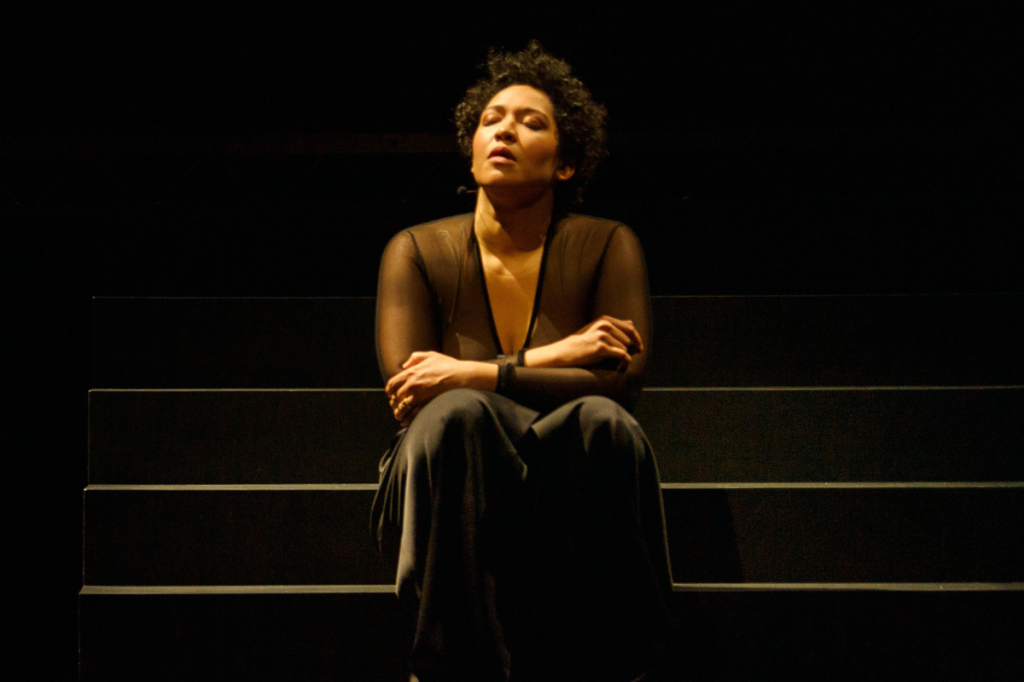
Also in the mix: Perle Noire, a genre-blurring concert about Joséphine Baker – one of the most famous women in the world during the 1920s. She was a dancer, a singer, a spy during WWII, and a civil rights activist. This show reclaims her story through opera, spoken word and powerful vocals by Julia Bullock – it’s nothing like the school history version.
CODA – the Festival’s riverside hub near Elder Park – is also open most nights with DJs, drinks, and a festival crowd. It’s the “scene within the scene” of the Festival, where artists and audiences mingle.
Australia’s international festival – then and now
The 2026 program’s mix of big ideas, unexpected shows and international artists has been part of Adelaide Festival’s identity for a long time.
When it launched in 1960, it was the first festival of its kind in Australia – an event designed to bring the world to Adelaide, and to put the city on the global cultural map.
It began as the coolest festival in the country: the place young people flocked to see ambitious international work they couldn’t experience anywhere else.
That DNA still drives the event. Adelaide Festival continues to bring the best productions from around the globe to SA – works that feels buzzy, unexpected and genuinely exciting – while also backing local work at its absolute best, staged on a scale that only a festival like this can support.
In 2026, that mix of international ambition and local confidence delivers an absolute banger – a festival built for the world, happening right here in Adelaide, and still inviting younger South Australians to claim it as their own.
The work behind the wow
Big shows don’t happen by accident. Behind every Festival moment is a huge amount of invisible work: crews, rehearsals, venues, and artists being paid to take creative risks.
“Local work is of equal importance,” Matthew says. “But it has to be work that couldn’t happen without a festival context.”
“Mama Does Derby is a brilliant example. The scale of this show is massive… Windmill are creating an awesome, energetic, amazing show – but they wouldn’t be able to do it without the support of the Festival.”
Adds Clare: “Adelaide Festival are one of our commissioning partners, and they led the charge on this. We feel really fortunate to have them as key collaborators on this project. Without them, a show of this scale could not have happened… Without that early and fundamental support, we wouldn’t have had the means to take it to the next stage.”
That support has broader flow-on effects. Adelaide Festival brings visitors from interstate and overseas, fills hotels and restaurants, and injects millions into the local economy – all while backing South Australian artists to make work that can sit confidently alongside international productions.
The state government has invested an additional $4.3 million since 2022 in Adelaide Festival to deliver major international drawcards and events, with Adelaide Festival contributing an estimated gross expenditure of $62.6 million to the South Australian economy in 2025.
You can view the full Adelaide Festival program and book your tickets here.