


Major hospital projects – led by the new Women’s and Children’s – are modernising care, increasing capacity and improving patient flow statewide. Here’s how.
For generations, the Women’s and Children’s Hospital has been part of some of the biggest moments in South Australian life – welcoming new babies, caring for sick kids, supporting women through complex health needs, and backing families when they need it most.
Now, after years of planning, it’s entering a new chapter.
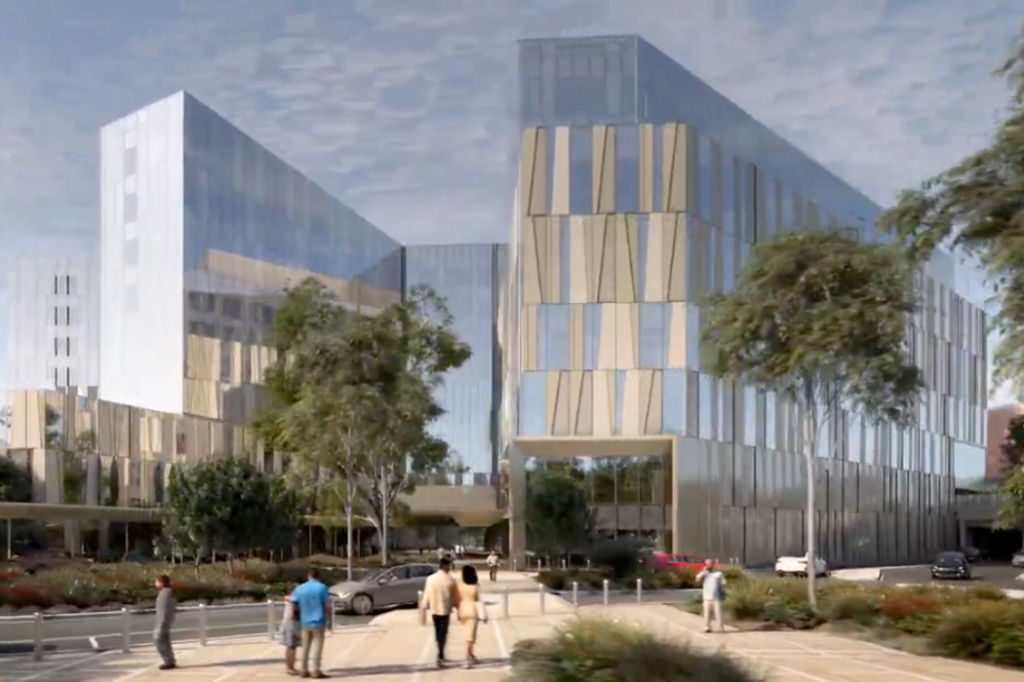
The new Women’s and Children’s Hospital (WCH) at Thebarton is one of the biggest health projects ever undertaken in South Australia. It’s being built to give women, babies and children more space, more specialised care and a hospital that reflects how healthcare works today.
This goes beyond replacing an old building. It’s about creating a hospital that can grow with the state – one that’s designed to support families not just now, but for decades to come.
Now you can see it for yourself
Until recently, all of that existed mainly in planning documents.
Now, a newly-released fly-through video offers the first proper glimpse of what’s taking shape – showing not just how the hospital will look, but how it’s being designed to feel.
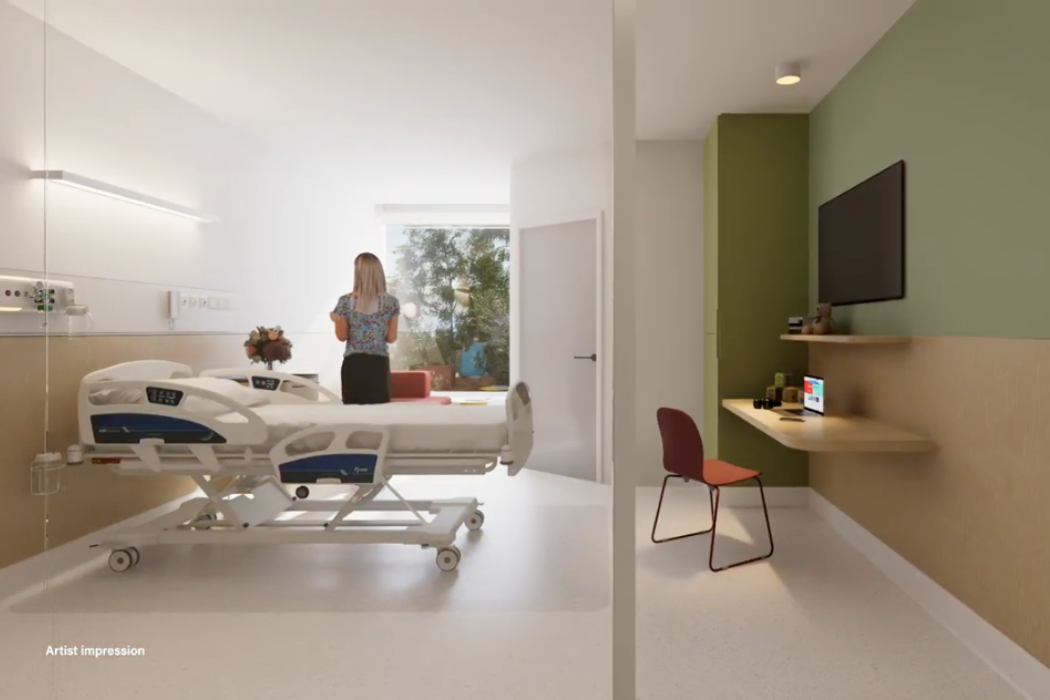
The video reveals light-filled clinical spaces, calmer layouts and a strong focus on privacy, movement and comfort.
In neonatal care, for example, the design replaces shared cot spaces with single rooms – creating quieter, more private spaces for longer stays, with room for parents to stay nearby.
Across the hospital, the layout supports clear sightlines for staff, easier movement between services, and more comfortable spaces for people going through some of the hardest moments in their lives.
It’s not just a better-looking hospital. It’s one that’s built to work better.
A hospital built for modern care
When it opens in 2031, the new WCH will include 414 overnight beds – 56 more than the current site – with the ability to add another 20 if needed.
Emergency care will be expanded. Intensive care for women will be located alongside the paediatric ICU. Operating theatres will be larger and better equipped, supporting more complex surgery and smoother flow.
Specialist services are growing too. Oncology beds will double, neonatal care will gain additional cots, and the entire layout is being designed to match how clinicians actually work – rather than trying to make old spaces fit new needs.
The goal: faster, safer and more comfortable care for patients and their families.
Progress on the ground
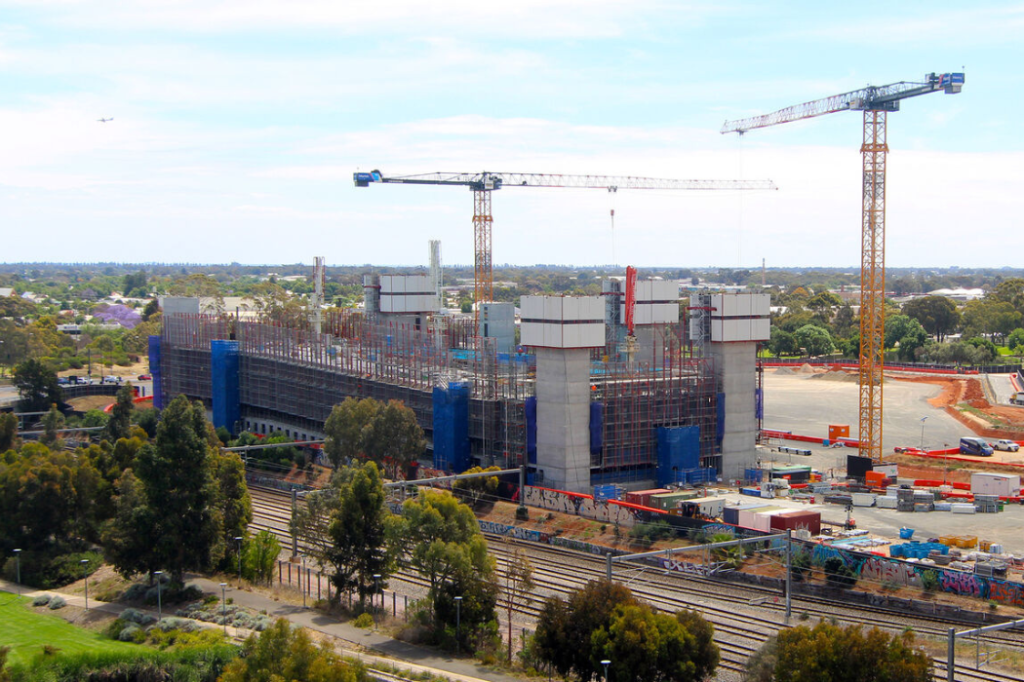
That vision is now being matched by progress on site.
The new eight-storey carpark is nearing top-out, with 1,300 spaces – a nearly 40 per cent increase on what’s currently available – set to make parking easier for families and staff. Main hospital construction is expected to start later this year.
Behind the scenes, planning has moved into detailed design. Clinical teams are working through how each service will function – from patient movement to equipment and technology – to make sure the building doesn’t just look great, but functions well too.
It’s where big ideas start to become day-to-day reality.

Part of a bigger shift in SA healthcare
The new WCH is being built for patients from right across the state – but its impact will be felt more widely.
By increasing capacity, updating care models and freeing up space at other hospitals, it’s part of a much broader shift in how healthcare is delivered in South Australia.
The aim isn’t just more hospital beds. It’s a stronger, more united system that works better for everyone.
What else is happening across SA’s hospital system?
The new WCH might be the most visible project underway – but it’s not the only one.
From major metro redevelopments to new regional wards, there’s a lot happening to expand hospital capacity and modernise care across the state. Take a look:
- At The Queen Elizabeth Hospital, a new ward for surgical patients and another for general medicine have added 36 extra beds.
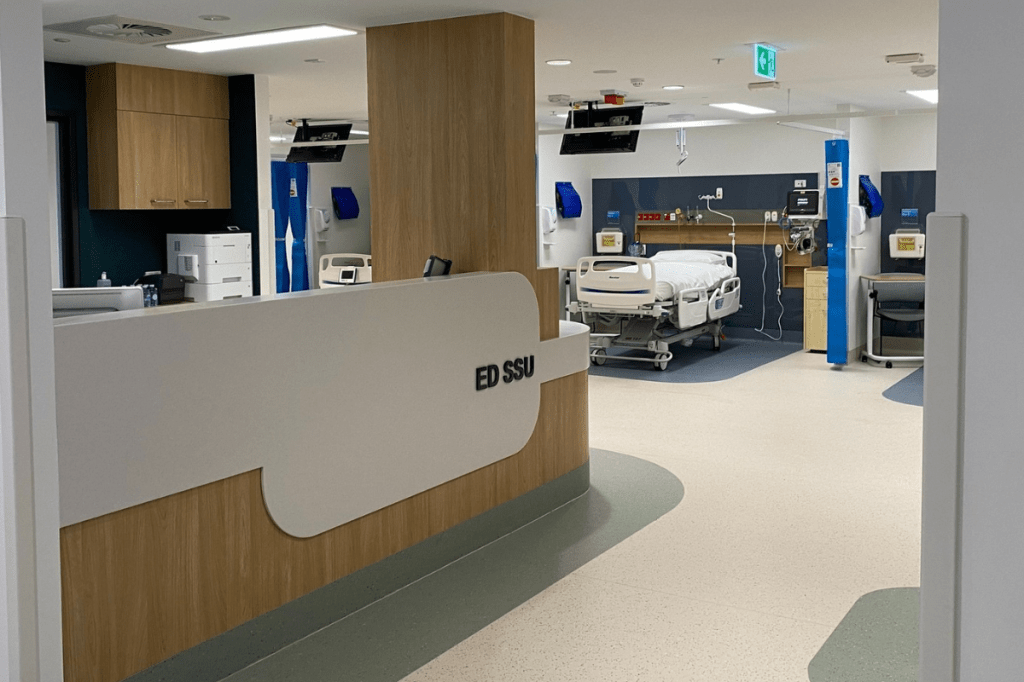
- At Mount Gambier and Districts Health Service, a six-bed Emergency Department Short Stay Unit has opened, giving staff a dedicated space for patients expected to be discharged within 24 hours. It’s part of a $24 million upgrade that also includes new beds for mental health and drug and alcohol care, plus an expanded on-site pathology service.
- In Mount Barker, a $365.8 million hospital redevelopment will triple inpatient capacity from 34 to 102 beds and expand key services like maternity, mental health, rehabilitation and palliative care.

More ways to get care earlier
It’s not just hospitals getting an upgrade.
A growing network of virtual and community-based services is helping people access care sooner – and sometimes avoid hospital altogether when possible.
These include:
- SA Virtual Care Service, connecting adults in rural or isolated areas and people in disability homes to doctors online – avoiding hospital visits for most patients.
- Child and Adolescent Virtual Urgent Care Service, offering free online support for kids and teens with injuries, illnesses or mental health concerns.
- Virtual Women’s Assessment Service, providing early-pregnancy and post-natal care from home.
- Medicare Urgent Care Clinics, giving walk-in, bulk-billed treatment for non-life-threatening conditions at key sites across the state.
- Priority Care Centres, fast-track options by referral from SA Ambulance Service or local GPs for things like infections, fractures and dehydration.
- 24/7 pharmacies, open day and night for scripts, minor ailments and health advice.
- More healthcare options at community pharmacies – including same-day UTI treatment and oral-contraceptive resupply, with more pharmacy treatments like ear infections, wound care and gastro soon to follow.
Together, these changes are changing the shape of healthcare in South Australia.
Stay updated on healthcare upgrades in your area here.