


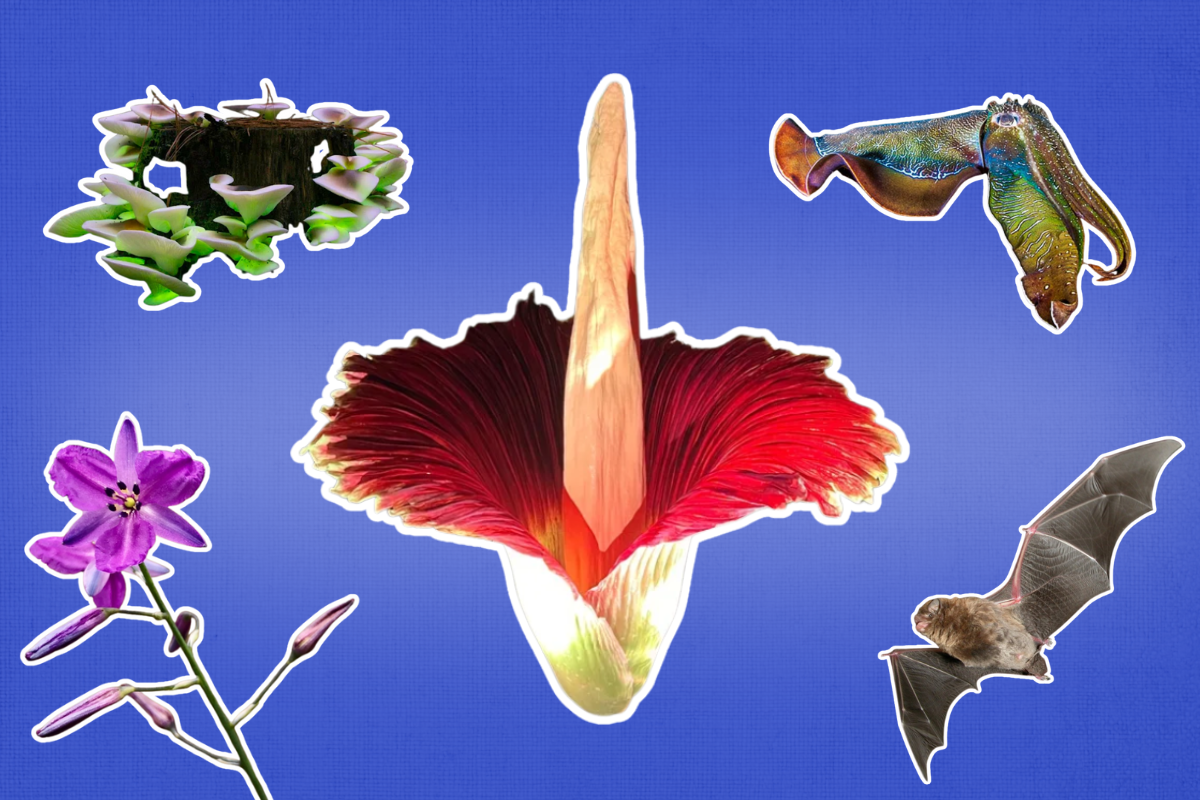
Some natural moments are ancient. Others exist only briefly. Together, they make South Australia’s landscapes strange, spectacular and anything but ordinary.
From glowing mushrooms to technicolour lakes and a flower that smells like death, South Australia is full of natural wonders that feel almost fake until you see them yourself.
Some last for weeks. Some for a single night. Some appear once every few years – or even decades – before vanishing again.
Our national parks, conservation parks, marine parks and botanic gardens are home to ancient survivors, seasonal spectacles and short-lived freaks of nature that reward good timing (and sometimes a bit of luck).
Some are easy to catch. Some you’ll have to chase. All are worth knowing about – because once they’re gone, they’re gone.
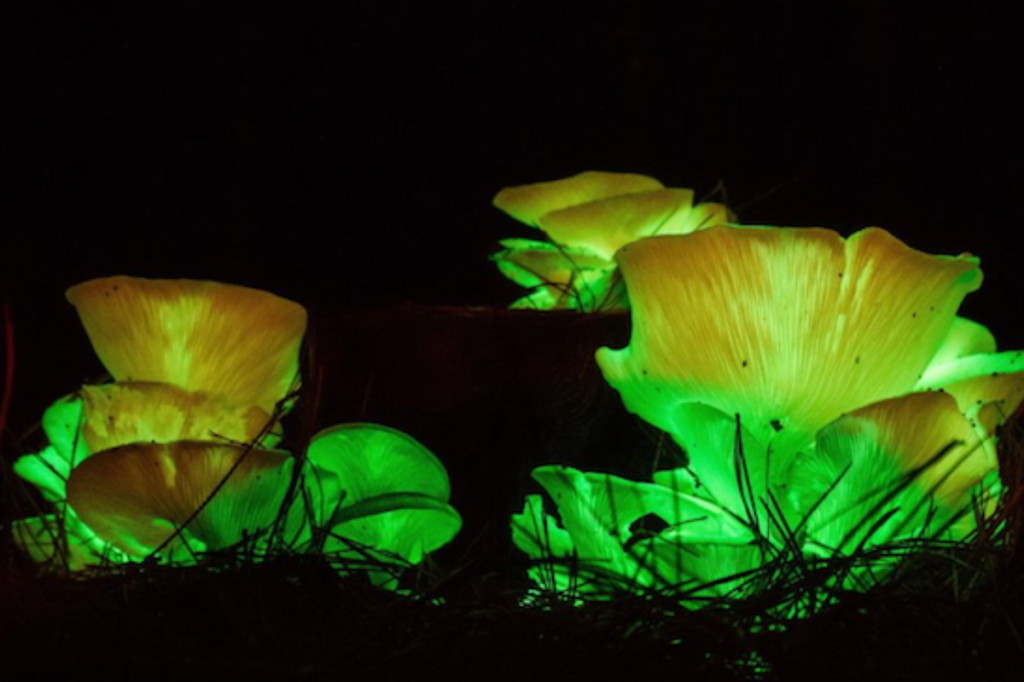
1. A glowing forest floor
Where: Conservation parks in SA’s South East
After late autumn rain, ghost mushrooms appear in pine forests and conservation areas near Mount Gambier – and glow an eerie green after dark.
It’s subtle. It’s spooky. And it’s almost impossible to photograph properly without a long exposure and a bit of patience. But once you see them, you won’t forget them.
More info here.
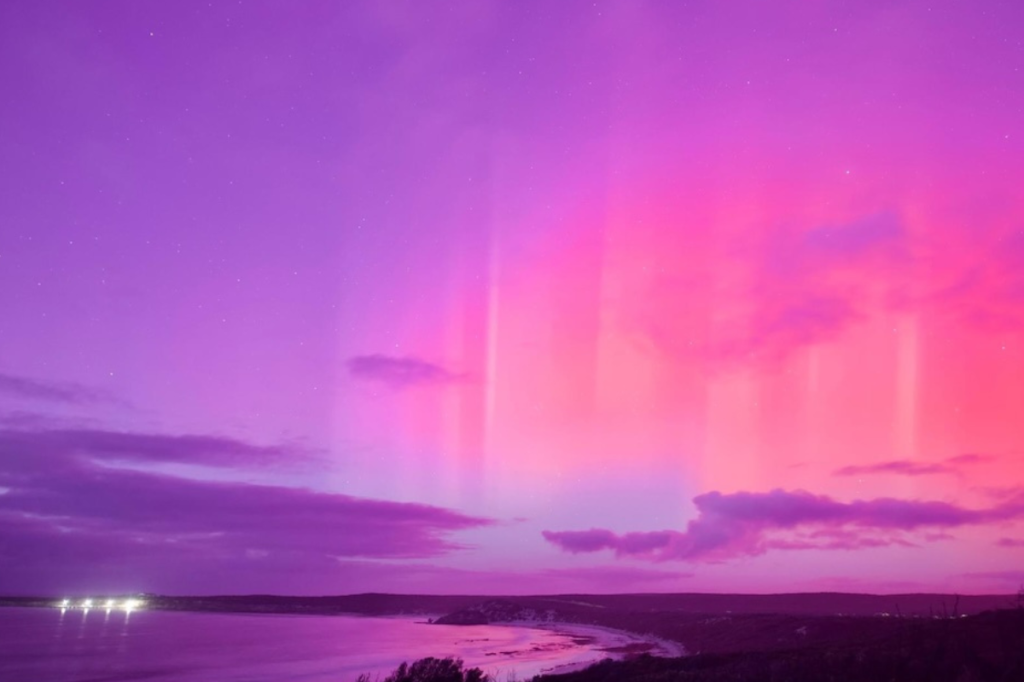
2. The southern lights over SA skies
Where: Kangaroo Island, Fleurieu Peninsula, Yorkes and more
Yes, you really can see the Aurora Australis from South Australia – but only when the conditions line up.
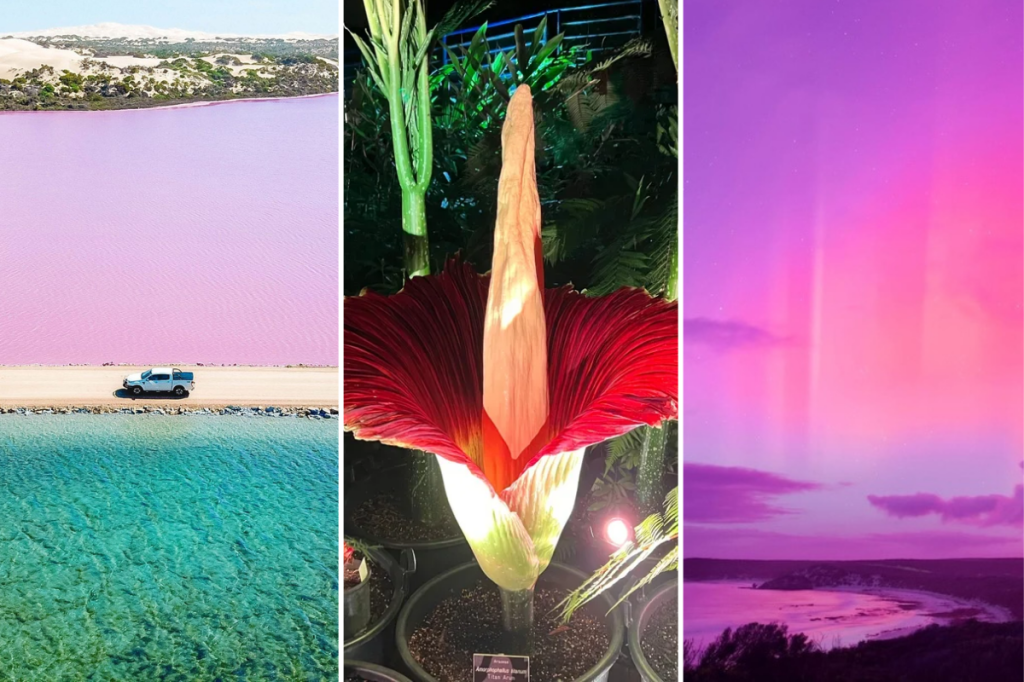
Also known as the southern lights, the Aurora Australis is a natural light show caused by solar storms. Charged particles from the sun hit Earth’s magnetic field and collide with gases in our atmosphere, producing streaks and waves of colour – usually green, pink, red or purple – across the night sky.
Your strongest chances of seeing them are from May to August, but they can appear year-round when solar activity, dark skies and new moons overlap. You’ll need a clear night, distance from city lights and a bit of luck.
More info here.
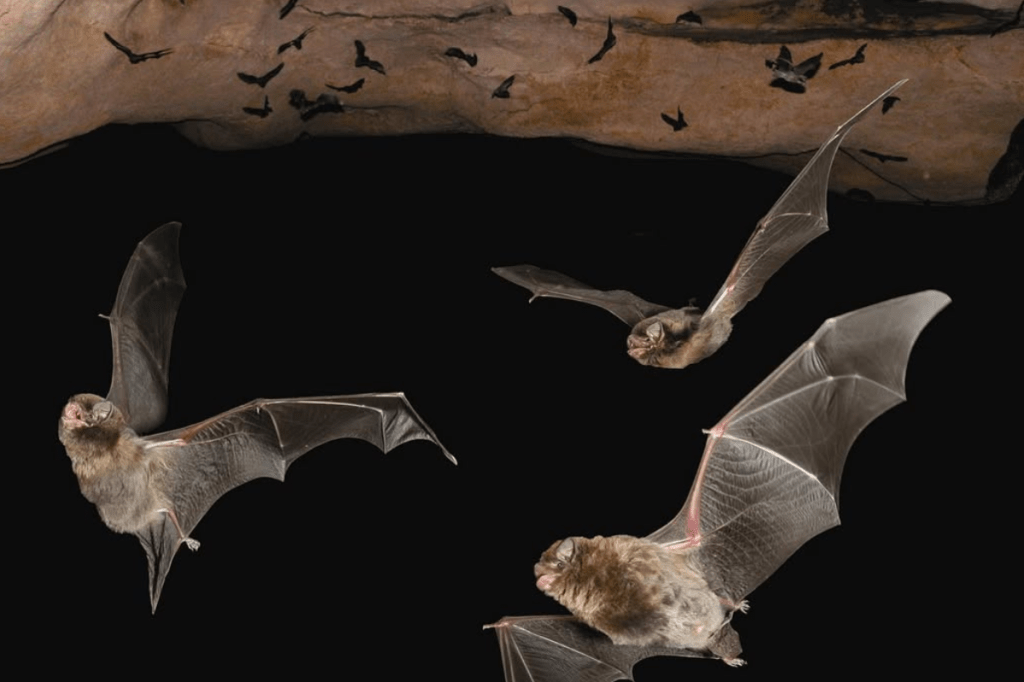
3. Bats pouring out of caves at sunset
Where: Naracoorte Caves National Park
Every dusk, thousands of tiny southern bent-wing bats stream out of Bat Cave in a chaotic, slightly unsettling swarm.
It happens daily during summer – but still feels like something out of a David Attenborough doco. Bring someone who doesn’t mind bats.
More info here.
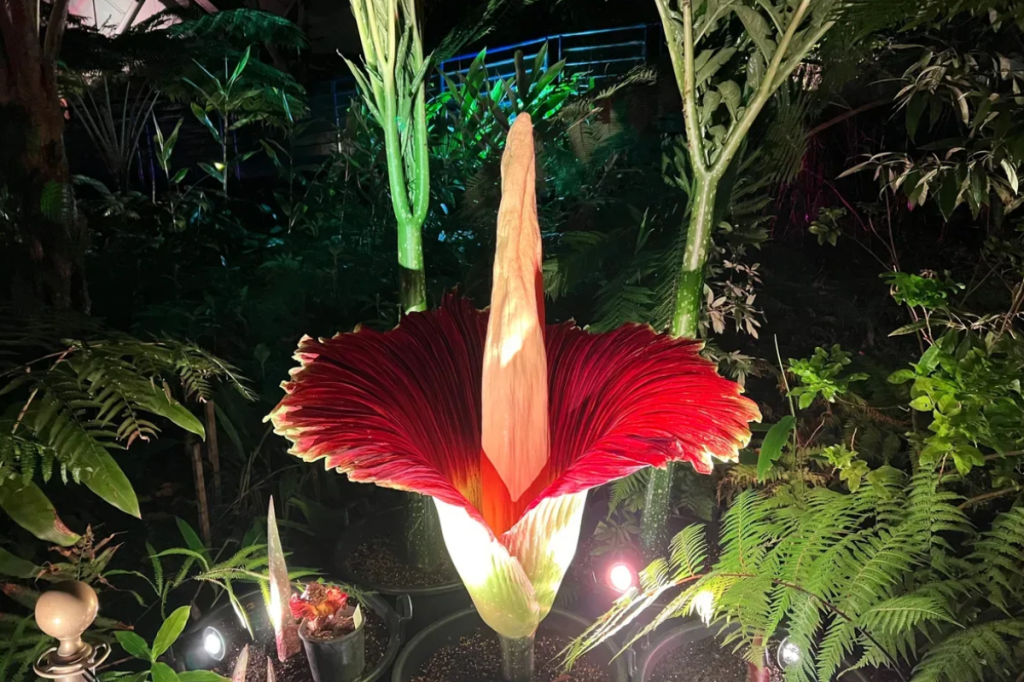
4. The corpse flower (when it blooms)
Where: Adelaide Botanic Garden
It only blooms for a day or two. It smells like rotting flesh. And when it happens, people queue for hours just to witness it.
Also known as the titan arum, the corpse flower is one of the rarest flowering events in the world. When Adelaide Botanic Garden’s specimen finally opened, crowds gathered to see – and smell – a bloom that collapses almost as quickly as it appears.
Affectionately nicknamed “Smellanie”, the plant doesn’t flower on a schedule. Months (or years) of anticipation can build toward a brief, dramatic payoff – and if you miss it, that’s it.
When the next bloom happens, you’ll know. And if you’re lucky enough to catch it, you’ll have a very strange story for your group chat.
More info here.
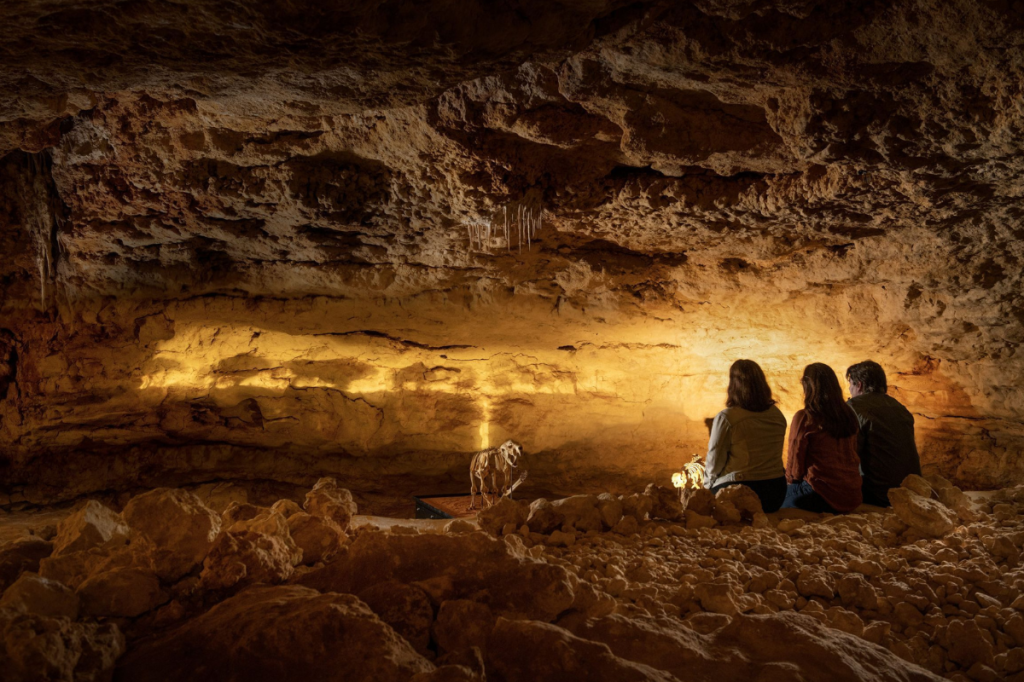
5. Megafauna fossils still in the ground
Where: Naracoorte Caves National Park
Forget museum cases – these fossils are still embedded in the cave floor, exactly where the animals died tens of thousands of years ago.
You’ll see bones from extinct giant kangaroos, marsupial lions and wombat-like creatures … all inside an underground World Heritage site. It’s like stumbling into a prehistoric crime scene.
More info here.
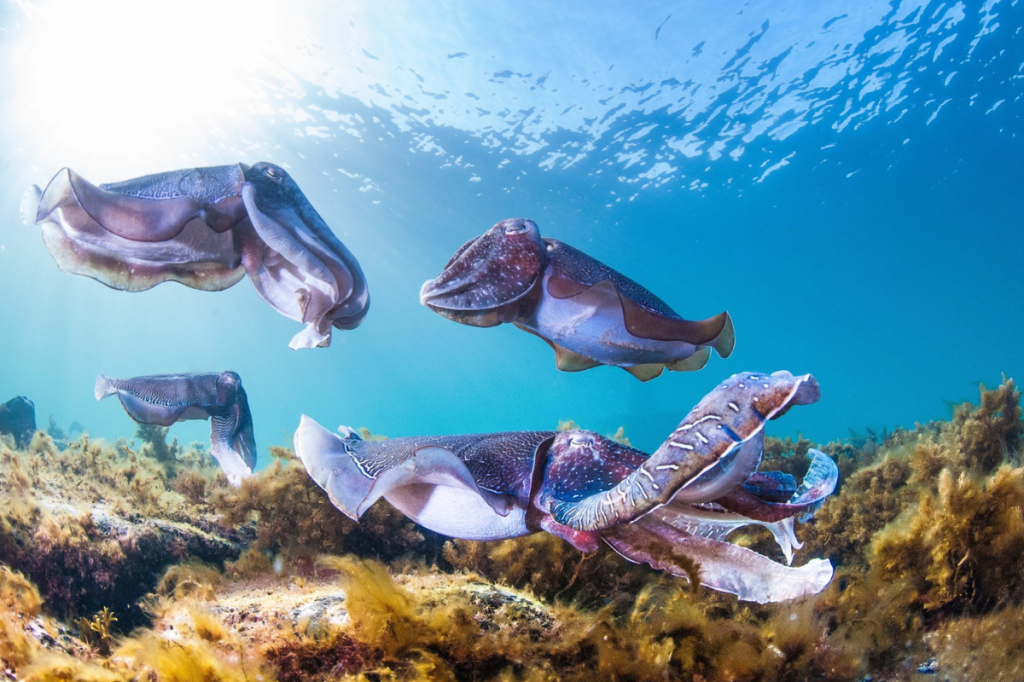
6. The giant cuttlefish gathering in winter
Where: Upper Spencer Gulf Marine Park, near Whyalla
Every winter, thousands of giant cuttlefish migrate to the rocky shallows near Whyalla to mate – and the display is incredible.
They flash colours, change textures, and float like aliens through the water. You can snorkel with them during peak season (May to August), or watch the underwater disco from the rocks on a calm day.
It’s the only known mass aggregation of giant cuttlefish in the world – and it happens in South Australia.
More info here.
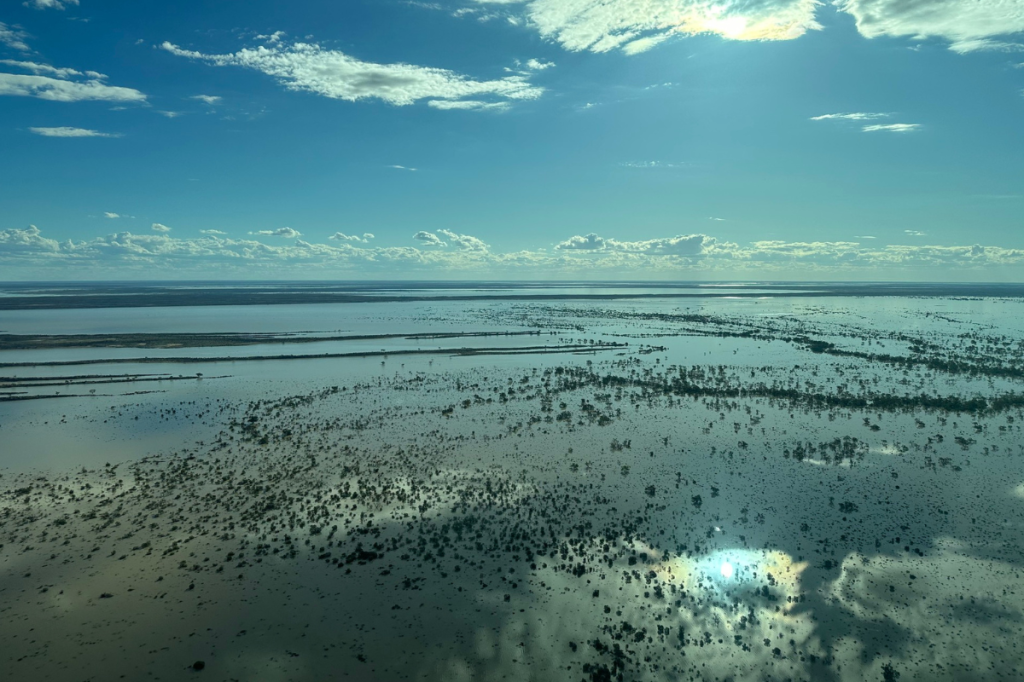
7. When Kati-Thanda-Lake Eyre fills
Where: Kati Thanda-Lake Eyre National Park
Most of the time, it’s dry white salt stretching to the horizon. But after rare inland rain, Kati Thanda-Lake Eyre fills – and becomes a shallow inland sea, complete with fish and frogs.
Masses of birds arrive. The colour shifts. The lake becomes reflective. Then it vanishes again. It doesn’t happen often, and when it does, it’s so worth the trip.
You do need to wait until the outback cools down to visit Kati Thanda-Lake Eyre, though: Desert Parks, including Kati Thanda-Lake Eyre National Park, are closed until 6pm Saturday 15 March 2026 for public safety due to anticipated high daytime temperatures during the closure period
More info here.
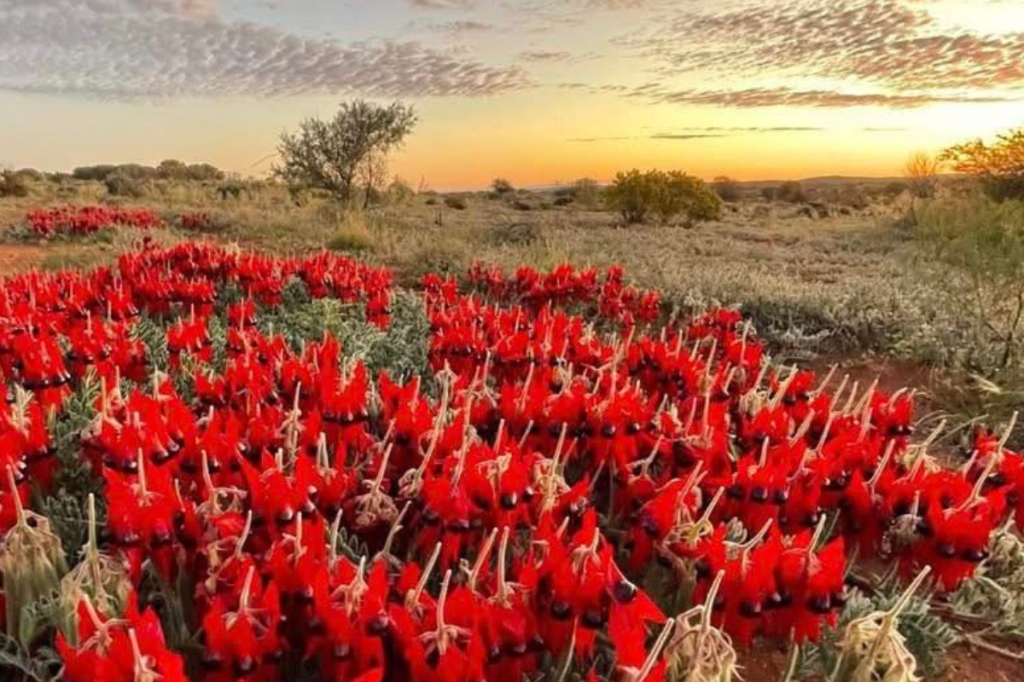
8. Desert wildflowers going off after rain
Where: Ikara–Flinders Ranges & SA’s desert parks
Some years, the desert feels empty. Other years, it turns psychedelic.
After rain, native wildflowers, wattles and Sturt desert peas erupt across the Flinders and other arid parks – creating weird, colourful carpets that fade just as fast.
But remember: desert parks are closed until 6pm Saturday 15 March 2026 for public safety due to anticipated high daytime temperatures during the closure period.
More info here.
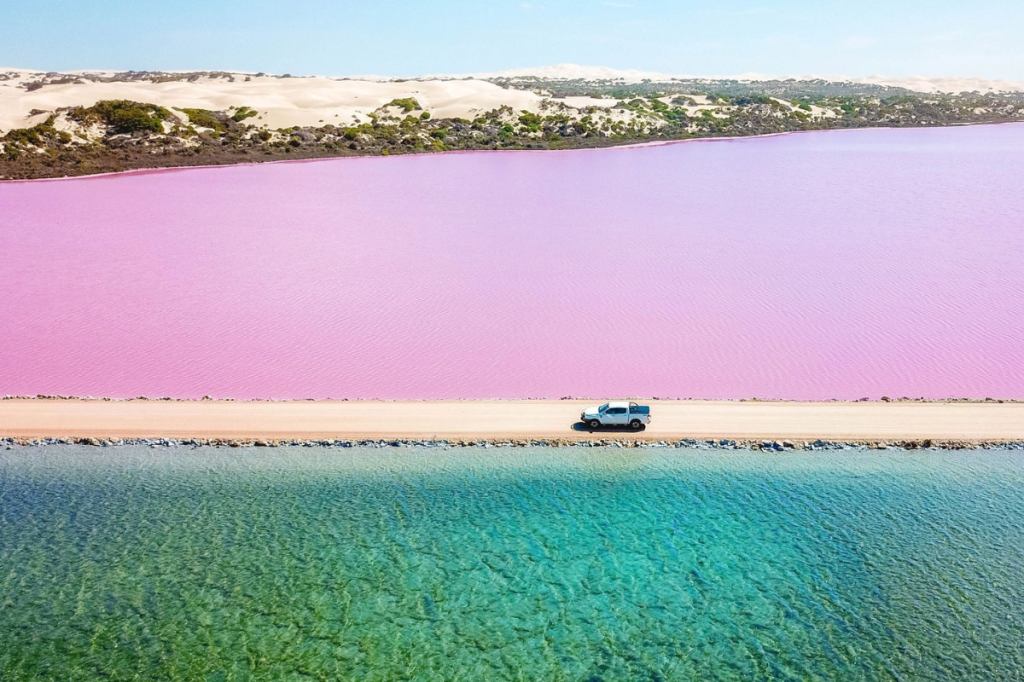
9. Salt lakes turning technicolour
Where: Lake Bumbunga, Lake MacDonnell & Lake Hart
Algae, salt levels and sunlight can all shift the colour of SA’s salt lakes – from pale pink to hot coral to deep crimson.
You’ll find dramatic scenes (and occasional pink bubbles) at Lake MacDonnell, pastel tones near Port Augusta, and cotton candy colours just outside Lochiel. The lakes don’t always look this wild – which makes it better when they do.
More info here.
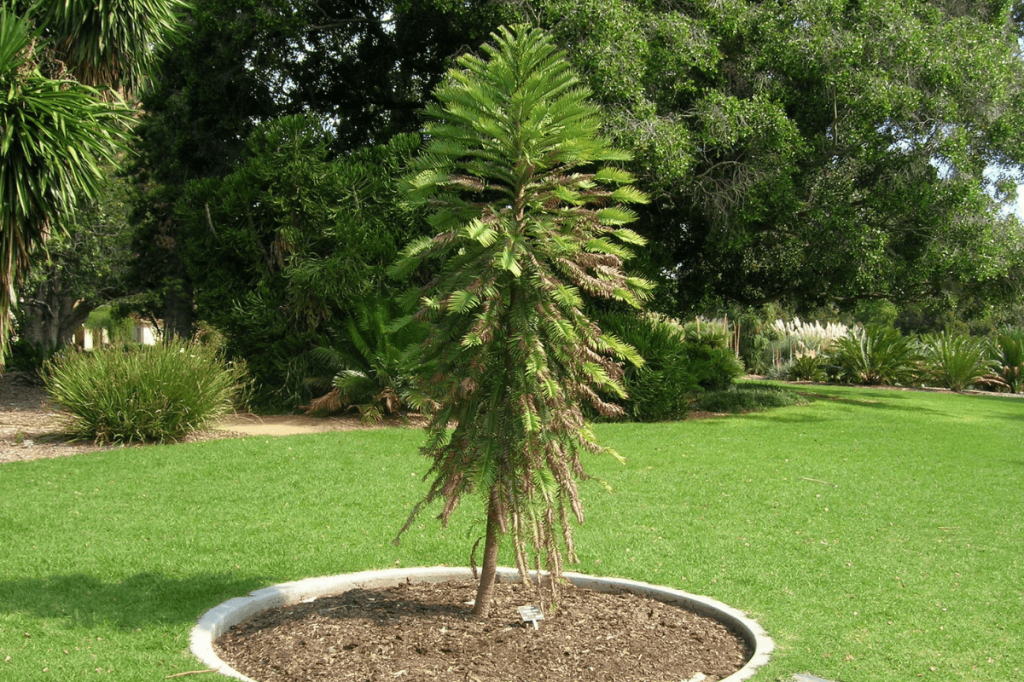
10. A prehistoric tree that survived extinction
Where: Adelaide & Mount Lofty Botanic Gardens
The Wollemi pine was known only from fossils – until a few living trees were discovered in a secret canyon in the ’90s.
Today, this “dinosaur tree” is quietly growing in both the Adelaide and Mount Lofty Botanic Gardens. With its melted-chocolate bark and fern-like foliage, it looks like it walked out of Jurassic Park. And honestly? It kind of did.
More info here.
Want to discover more?
South Australia’s parks and gardens have plenty more going on – from seasonal wildlife to rare plants, cultural sites and family-friendly trails. You can explore what’s in bloom, what’s migrating, and what’s popping up next here:
- Find out what’s happening in SA’s national and conservation parks
- See what’s on in Adelaide, Mount Lofty and Wittunga Botanic Gardens