




Whether you’re looking to learn a trade, change careers or pick up a new skill, TAFE SA has more than 270 courses on offer next year – including some you might not expect.
Thinking about studying, changing careers or learning something new in 2027? TAFE SA has more than 270 courses to choose from.
And with demand for workers growing across industries including construction, defence and health care, there are jobs to be had.
TAFE SA enrolments have grown 34 per cent over four years. Chief Executive Adam Kilvert says people are increasingly recognising that vocational education can lead to well-paid, long-term careers.
“And through an apprenticeship, you get the opportunity to get direct hands-on experience, so you can effectively get paid to learn,” he says.

What are the most popular courses?
“There’s a huge demand in people wanting to be an electrician,” Adam says.
Electrical training enrolments have grown 55 per cent over four years, and there’s plenty of demand for electricians across SA.
Engineering enrolments, particularly in welding and instrumentation, have grown around 30 per cent, while plumbing is up about 10 per cent.
But it’s not all about building things.
“It’s all well and good to have people who can build things, but high-functioning communities need other aspects,” Adam says.
Enrolments in nursing, early childhood education, aged care and disability support have grown 55 per cent over five years.
Aged care is a particularly important growth area, with increasing demand for workers as the population ages.
Adam acknowledges that attracting workers can be challenging. It’s demanding work with considerable responsibility, but he says it can also be enormously rewarding.
And there’s more to aged care than residential facilities, including helping older people continue living in their own homes.
“Most people who I meet with when it comes to our lecturers and our students, they’ve got a real passion for giving back to community and helping people,” he says.
“At its heart, that’s what it’s about. It’s about being there to care and support and to help people.”
What else can you study?
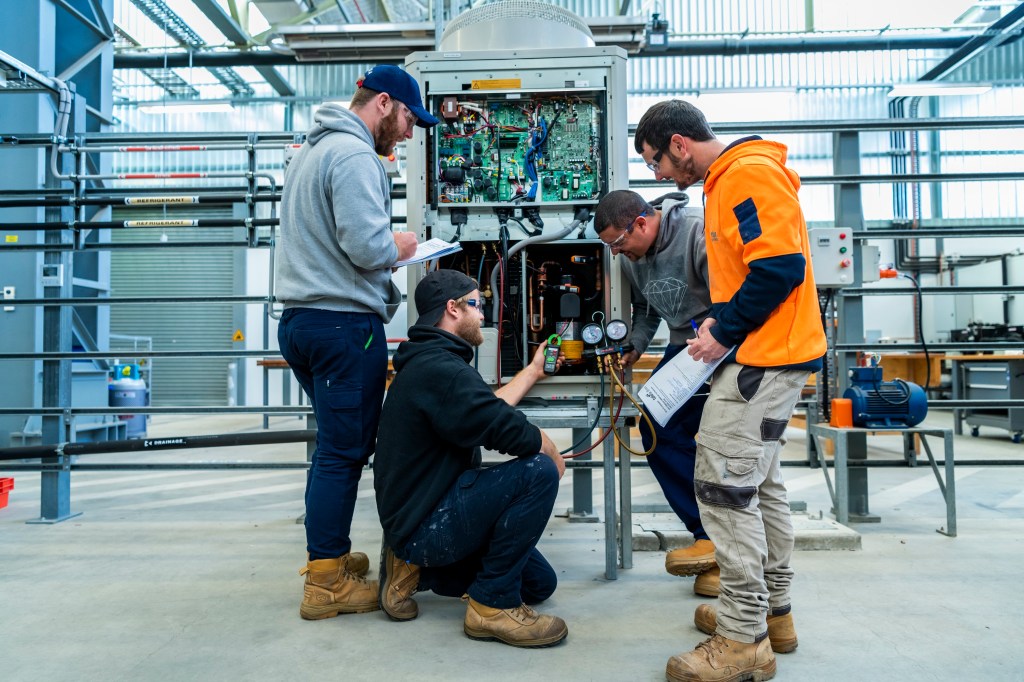
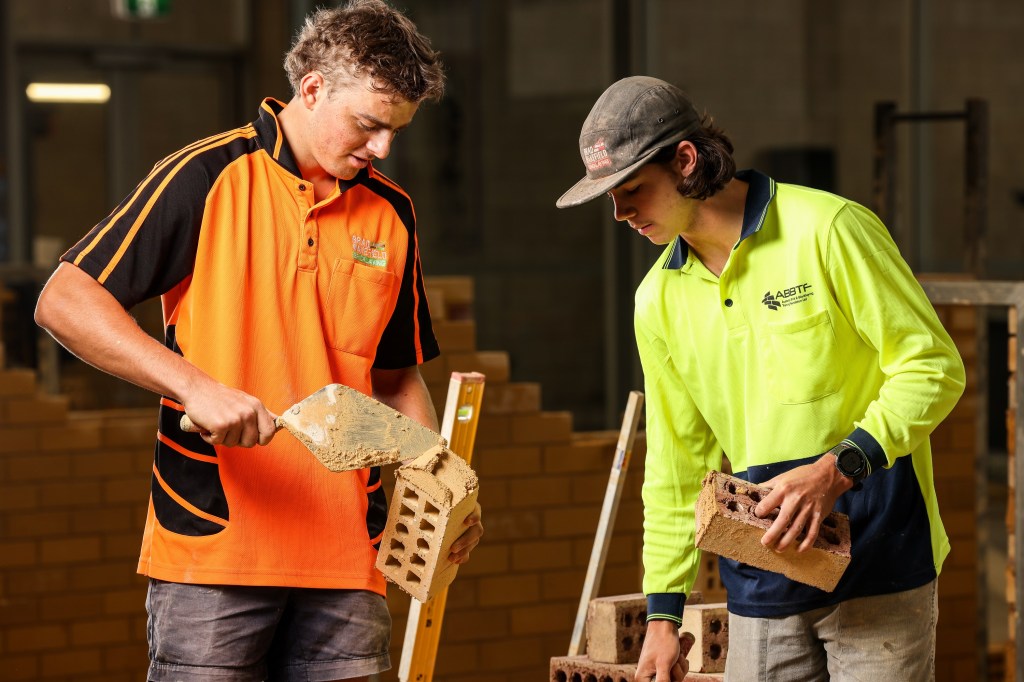
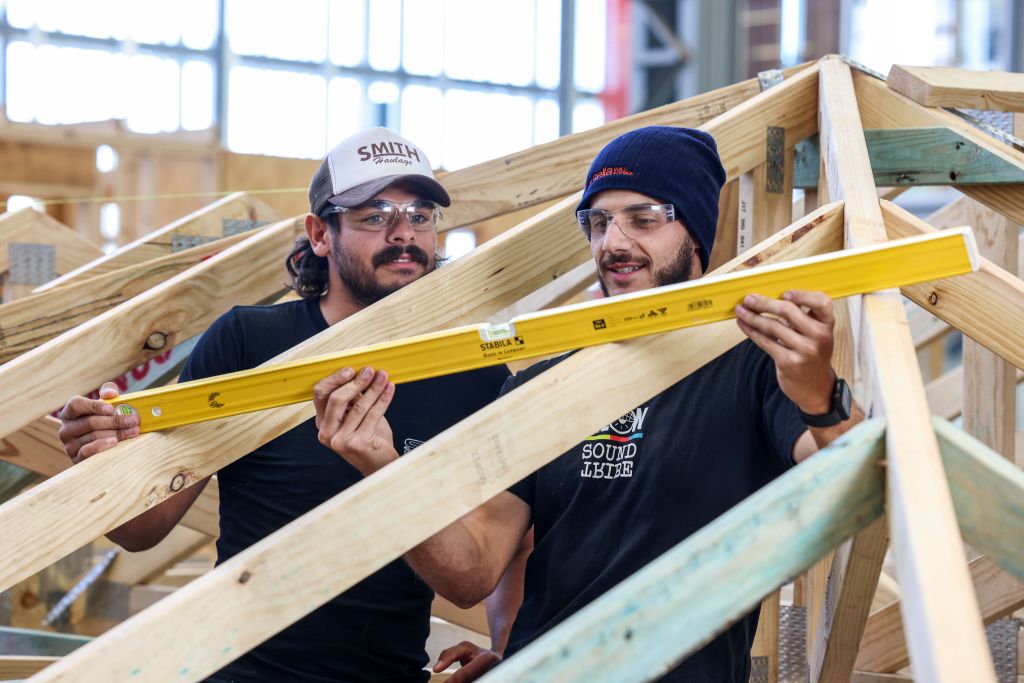
Building a house takes more than electricians, plumbers and carpenters. There are cabinetmakers, bricklayers, tilers, painters, air conditioning specialists and plenty of other trades involved.
TAFE SA trains students in these areas at its Tonsley campus.
And qualifications can lead to careers you might not expect.
Adam gives the example of data centres, which need electricians to build and maintain their infrastructure and IT specialists to operate their technology.
“You can be an ICT professional and work in a school. You can work in a data centre. So, same qualification, but quite different depending on an interest area that you might have.”
Hands-on learning
A big part of studying at TAFE SA is learning by doing, often with real customers and clients.
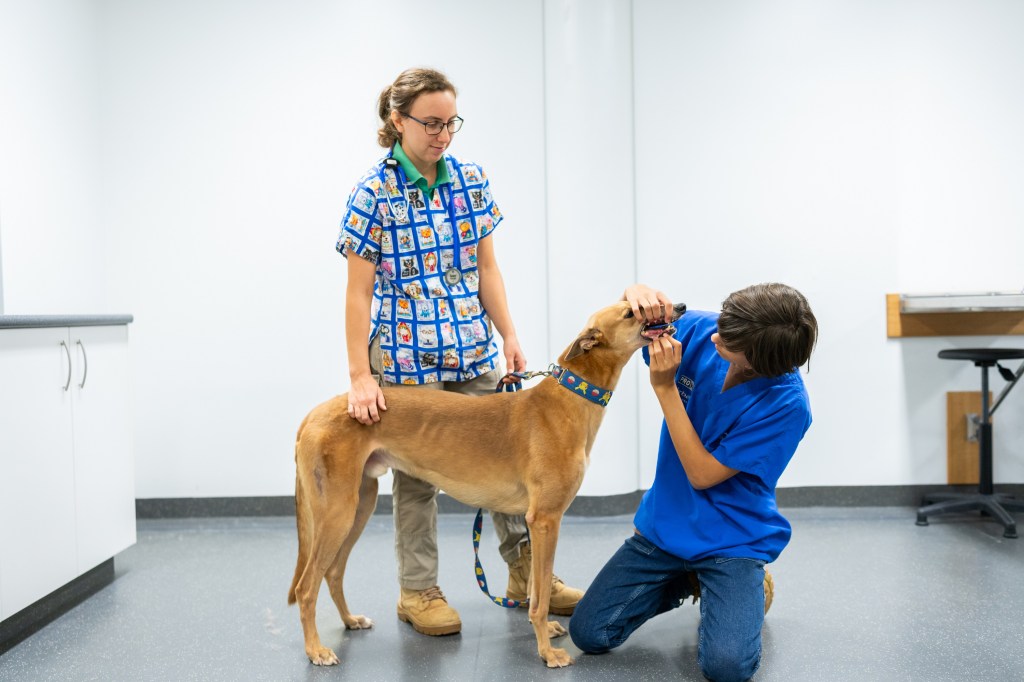
At Gilles Plains, members of the public bring their pets to a working veterinary clinic where students learn everything from bookings and customer service to animal care and assisting with procedures.
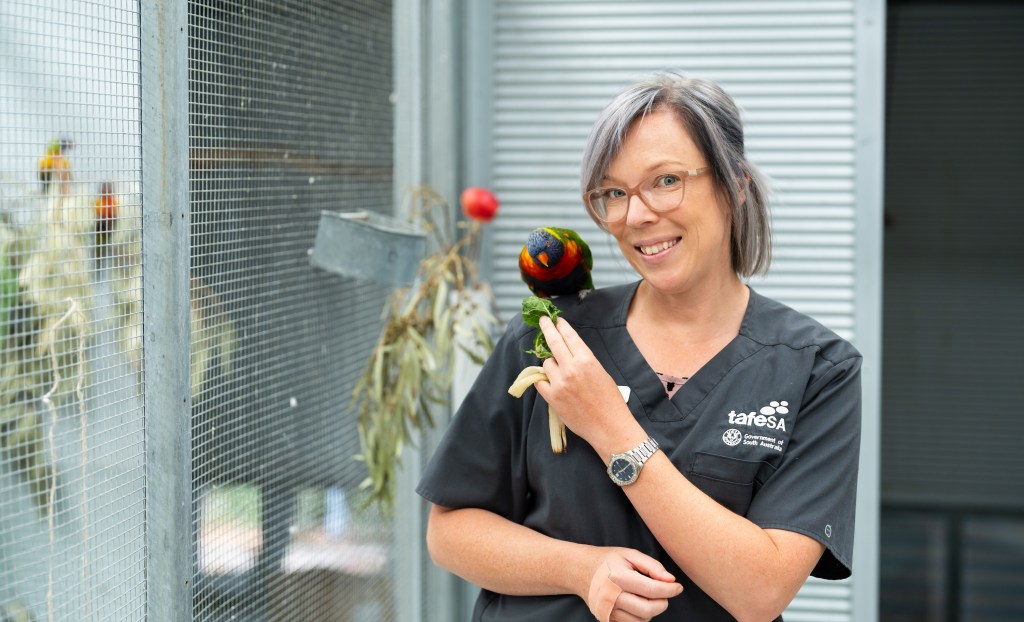
Adam says the animals include dogs, cats, rabbits, birds, sheep and even horses.
“A lot of our training is really practically based, and it’s actually doing the work and getting that learning experience while they’re on our campus,” he says.
At Regency, cookery students prepare food sold through the campus café, while Adelaide College of the Arts has galleries and performance spaces where students show their work.
There are shorter courses, too, including cake and pastry baking, furniture restoration and wheel throwing (pottery), plus online micro-credentials in digital fashion design and drones in agriculture.

What’s new?
An introductory online AI Essentials course that launched last year has attracted around 4000 enrolments, Adam says. It covers how to use artificial intelligence responsibly and protect your information.
There’s also a new National Security Mindset short course, developed through a Centre of Excellence jointly supported by the state and federal governments.
Adam says tradies working on defence-related projects might have access to floor plans or technical drawings without realising how sensitive that information could be.
The course covers what needs protecting, including “what you communicate publicly online, what you leave lying around, what you take selfies of that might be in the background”.
TAFE SA also offers cyber security training, including simulated cyberattacks, and is adapting automotive courses for electric vehicles.
Is TAFE just for school leavers?
Not at all. Adam says TAFE SA’s youngest students are around 15, while its oldest current student is 90.
There are people starting their careers, retraining or returning to work after a break.
“There’s definitely not a typical TAFE student,” Adam says.
“Part of the beauty of TAFE is that diversity, and that no matter where you are in your life in terms of age or background, there is a course that’s fit for you.”
And the days of choosing between TAFE and university are over too.
Some TAFE SA qualifications provide credit towards university degrees in nursing, engineering and early childhood education. There are also dual-enrolment pathways, and TAFE SA offers some higher education qualifications itself.
What about fees and regional students?
Fee-free TAFE, jointly funded by the state and federal governments, covers tuition fees for eligible students in selected courses, including building and construction, early childhood education, aged care and disability support.
Adam says removing fees helps, but study also needs to fit around people’s lives. For women returning to work after having children, for example, giving up an existing part-time job to study might not be possible.
“They might be working part-time already, and so they can’t just not work. We have to structure the courses in a way that helps them engage,” he says.
TAFE SA offers online and after-hours options, along with support for students with different learning needs. Around 75 per cent of its enrolments are in at least one priority student group, including people on low incomes, unemployed people and people with disability.
Regional students have different challenges. TAFE SA has 30 campuses and learning sites across the state, most outside Adelaide, including new training facilities at Mount Gambier and Port Lincoln.
Adam says TAFE SA sometimes runs regional classes with just six students rather than the usual minimum of 14, because even a small class can help meet local workforce needs.
The aim is to “live locally, train locally and ultimately work locally”.
Explore TAFE SA’s courses accepting applications, including options for 2027.