


From foxes roaming Adelaide’s suburbs to camels breaking into houses for a drink, feral animals are causing serious damage across SA. Here’s what’s being done about them – and how you can help.
There are deer wandering through Adelaide Hills backyards, foxes slipping through suburban gardens after dark, and camels in the outback that will literally break into a house for a drink.
Feral pest animals cause serious damage across SA, but we’re making real progress against some species.
Take deer. When the state government took action to eradicate them in 2022, there were about 40,000 in SA, compared with more than a million in Victoria. Around 36,000 have since been removed here.
Dr Brad Page, Principal Biosecurity Officer – Pest Animals at PIRSA (SA’s Department of Primary Industries and Regions), helps lead statewide pest management programs alongside regional landscape boards.
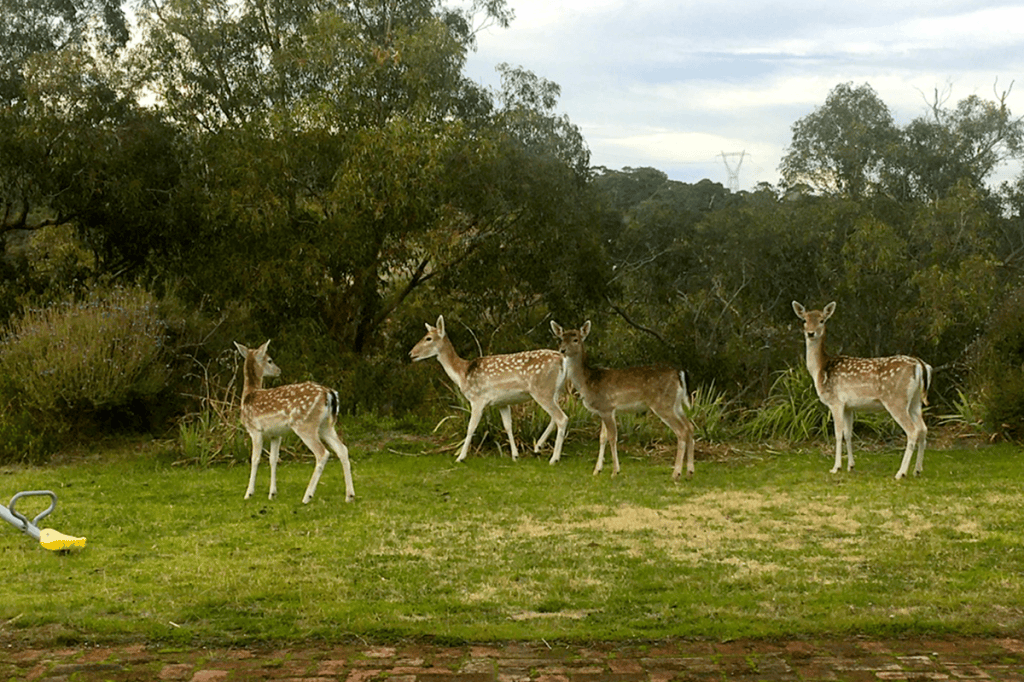
1. Feral deer: The unwanted backyard visitors
Deer aren’t just roaming the countryside. They’re wandering through suburban backyards, eating gardens and damaging bushland around Adelaide.
Males use their antlers to mark territory, snapping saplings and small trees.
“When they get really into it, it looks like someone’s been through with a whippersnipper and cut these things down to ground level,” Brad says.
They also dig holes half a metre deep and the size of a queen bed, leaving disturbed ground where weeds take over.
“There’s no habitat left for birds or for small mammals to hide in.”
About 14,000 deer remain, Brad estimates, with complete eradication on track for 2031.
Crews use helicopters with thermal cameras to detect deer through thick scrub, particularly during colder months, helping them remove thousands.
After one operation, a Skye resident rang Brad.
“They said, ‘My goodness, for the first time in five years, I’ve been able to grow vegetables in my garden.’“
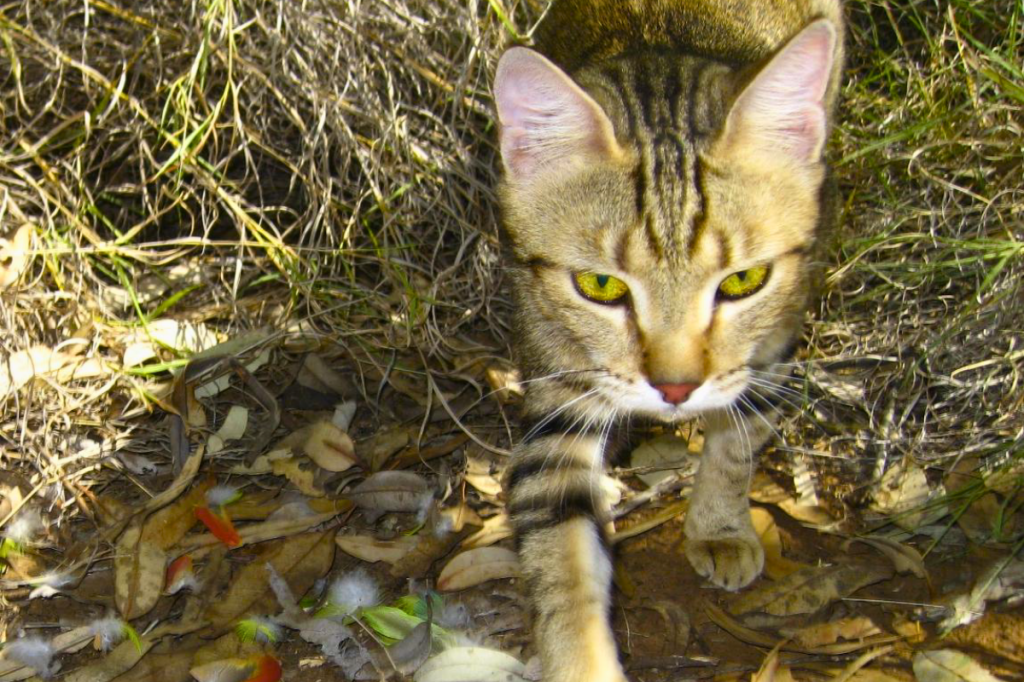
2. Feral cats: A major threat to native wildlife
Cats might be treasured pets, but Brad says feral cats are Australia’s number one threat to native land mammals.
They’ve contributed to around two-thirds of Australia’s mammal extinctions since European colonisation and still threaten more than 200 nationally-listed threatened species.
Cats also spread toxoplasmosis, a disease that can cause pregnancy losses in sheep and affect native wildlife.
Control methods include trapping, shooting and coordinated baiting, but pet owners have an important role too.
Brad says part of the problem is “having people continually feeding that population of feral cats by allowing their domestic cats to roam and breed”.
Keeping cats contained and desexed helps prevent that.
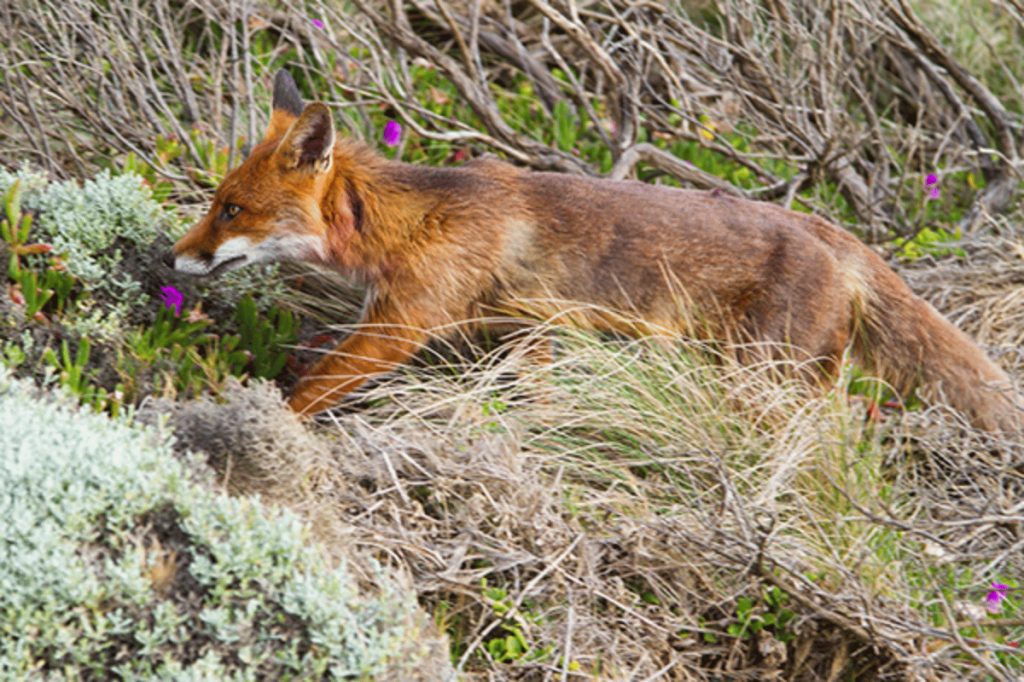
3. Foxes: The predators hiding in plain sight
You might never have noticed a fox in your neighbourhood, but Brad reckons you’d be surprised how often they pass through.
“If people were to put a trail camera out, even in front of their house in suburban Adelaide, you’d be surprised how many foxes are coming through your backyard each night, regardless of whether you have chickens or not.”
Foxes live at around 10 times the density in urban areas as in farming country, and they’re responsible for nearly as many native animal extinctions as feral cats.
“The two of them are in a race to the bottom,” Brad says.
His team is developing AI-powered bait boxes that distinguish foxes from other animals, releasing bait only when they recognise a fox.
They work “sort of like a lolly vending machine”, Brad says.
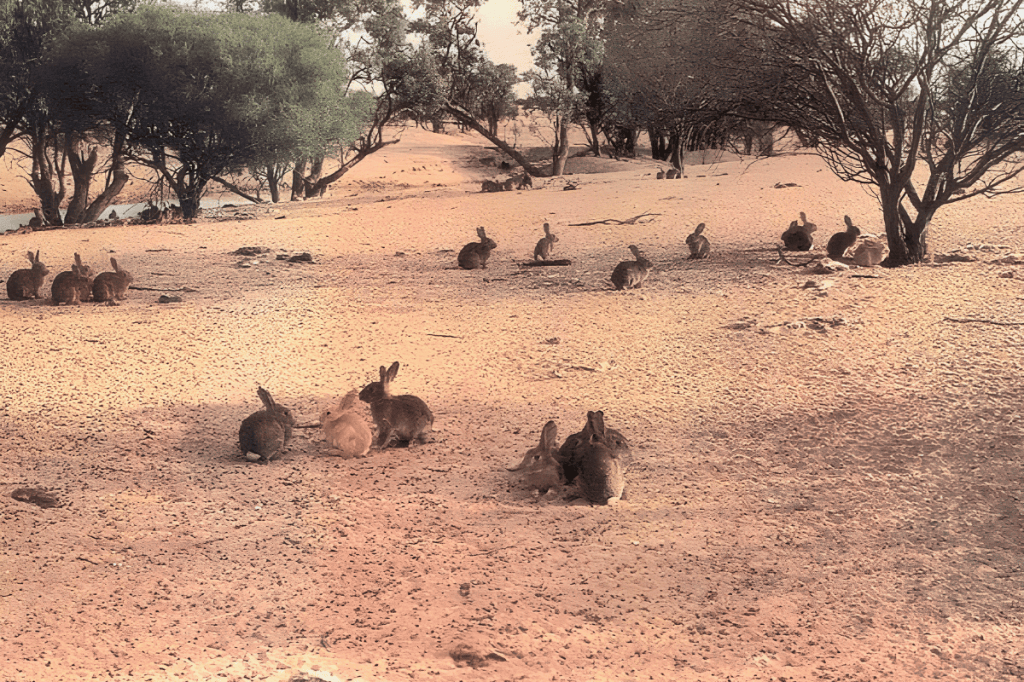
4. Rabbits: Cute, but devastating for the bush
Rabbits damage crops and pastures, but their impact on native vegetation is just as serious.
Brad calls certain native plants rabbits’ “ice cream plants” because they’re the ones they love eating most.
“They just eat them out of existence. At one rabbit per hectare, a rabbit will make its ice cream plant go extinct in just a few years.”
Most people wouldn’t even notice rabbits at that density.
When those plants disappear, native animals lose shelter and breeding habitat, adding to the pressures facing SA’s endangered species.
PIRSA is helping farmers control rabbits through baiting, biological controls and destroying warrens.
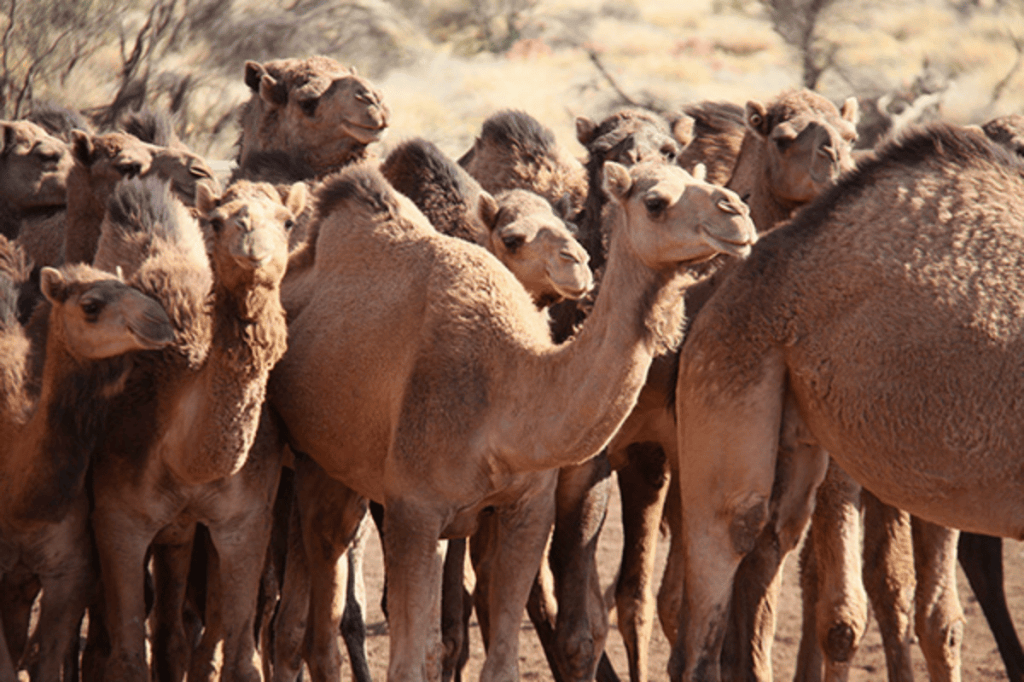
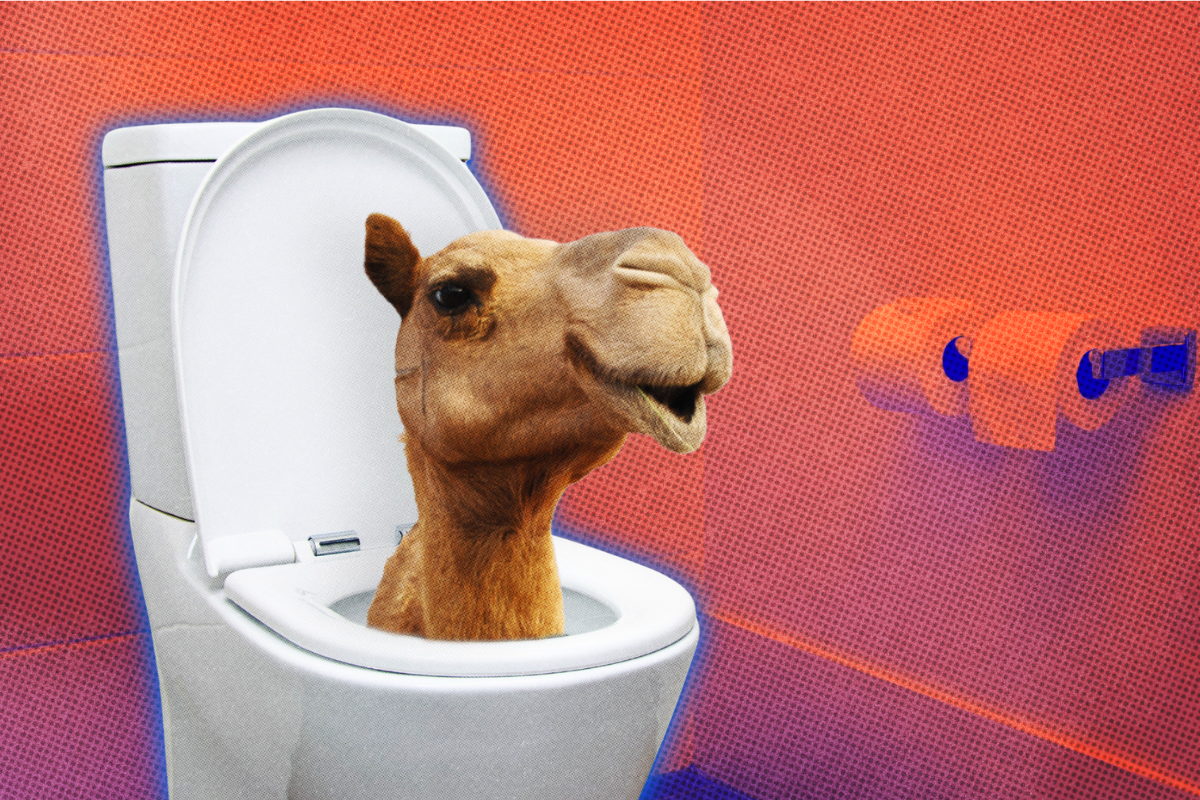
5. Camels: Breaking into houses for a drink
During dry conditions, feral camels wander into far-north communities searching for water.
“They might smell water in a toilet cistern, and they’ll just walk in, bash down someone’s door, and break the toilet cistern off the wall and drink the water from it,” Brad says.
They also flatten fences, drain natural rock holes and strip surrounding vegetation.
“They can really degrade these beautiful places that are immensely culturally important to First Nations people.”
Landscape boards use helicopters to move camels away from communities and carry out targeted culls, removing hundreds annually in the far north-east.
Help stop new pests getting into SA
These are just five of the pest animals being managed in SA. Others include feral pigs, wild dogs and goats.
But it’s not just about controlling pests already here. PIRSA is also working to stop new species from being established – a far easier task than trying to control them once they’ve spread.
That’s where the community comes in. If you spot an unusual animal that shouldn’t be here, report it to PIRSA’s Pest Alert Hotline on 1800 084 881.
“We’ll get back to that person typically in less than an hour on a weekend, but immediately if it’s during the week,” Brad says.
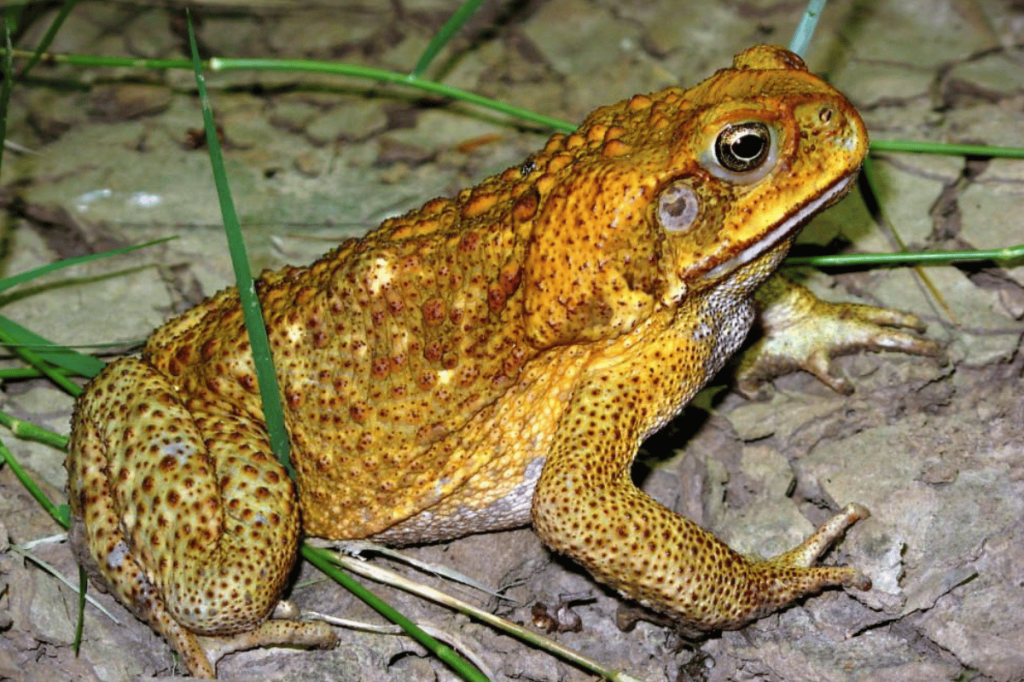
Every year, a handful of cane toads hitch a ride into SA on trucks, caravans or cars travelling from northern Australia.
Just this month, someone reported one in Whyalla, allowing biosecurity officers to investigate and help prevent cane toads from becoming established here.
Brad describes cane toads as a “moving wall of poison”, killing native animals including quolls, goannas and freshwater crocodiles as they spread across northern Australia.
If you suspect you’ve found one, don’t kill it. Native frogs can look similar. Photograph it and, if safe, contain it in a plastic container with a little water. Then contact the hotline for instructions.
And it’s not just cane toads.
Indian mynas are a major pest interstate, competing with native birds for nesting hollows and sometimes killing their chicks.
They’re not established in SA, and PIRSA is working with Landscape Boards to keep it that way. Landscape Board officers have spent almost a year tracking one near Victor Harbor. AI-powered bird-call monitors have detected it, and it’s recently been spotted near a retirement home in Encounter Bay.
Officers couldn’t safely shoot it there, but the search continues to prevent the species gaining a foothold in SA.
How else can you help?
The community can also help control feral animals already established in SA.
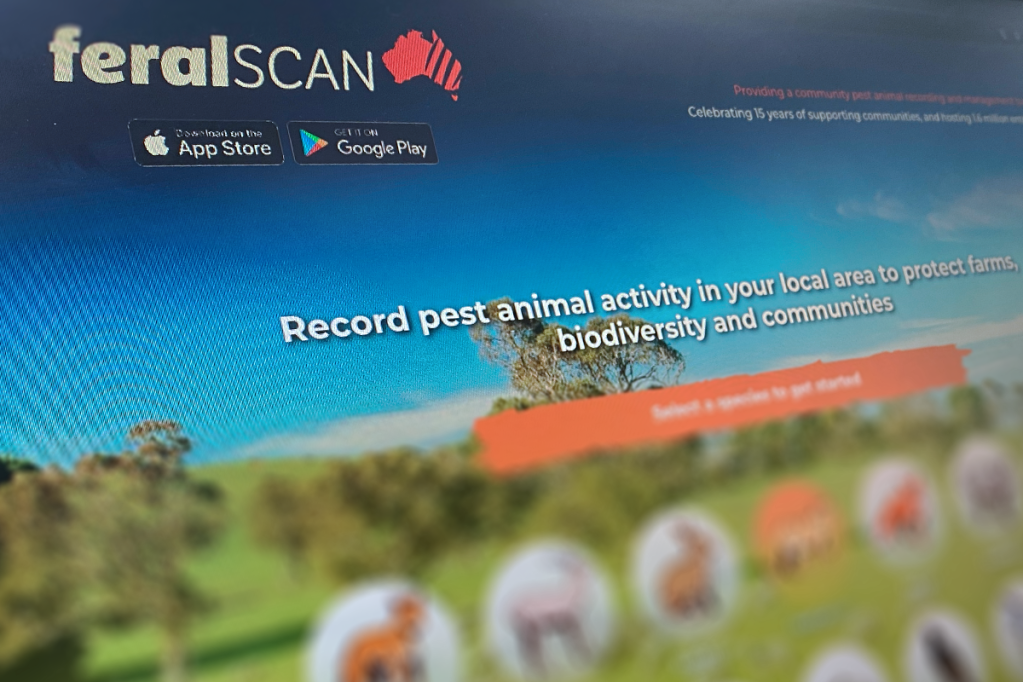
You can report sightings through the FeralScan website or apps. Brad says these reports genuinely help direct control programs.
“A lot of times people think, ‘I can report it, and I know nothing will happen.’ That’s not the case here.”
Community reports have helped his team discover deer in unexpected places, including the Flinders Ranges.
And don’t forget your pets
Pets can also threaten native wildlife if allowed to roam.
“Ideally, people can contain their animals and the pest risk to their own property, so we don’t have a bigger problem to deal with than what we already do,” Brad says.
That means containing and desexing cats, preventing pet rabbits escaping and keeping dogs under control around wildlife.
Report established pests through FeralScan. For suspected new pests, call PIRSA’s Pest Alert Hotline on 1800 084 881.