


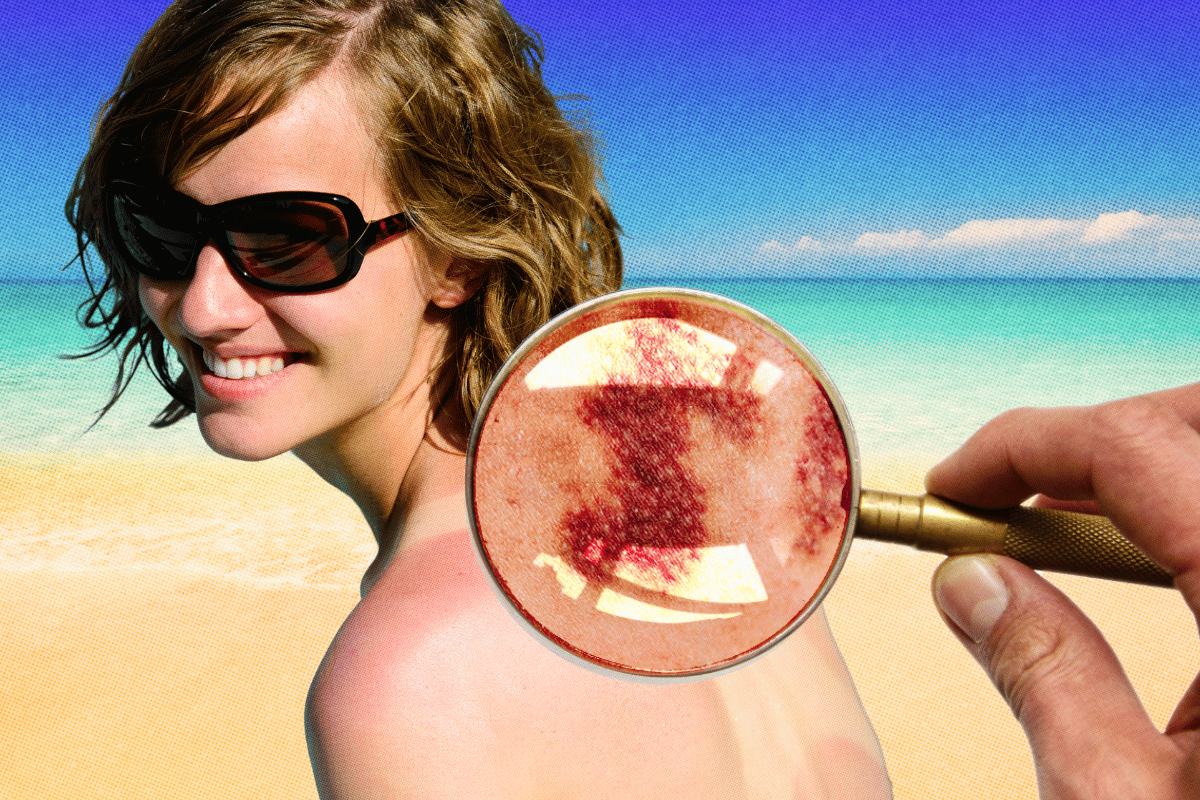
A viral social media trend is encouraging young people to seek out extreme UV levels for a darker tan. Cancer Council SA explains what that golden glow is really doing to your skin.
Imagine checking the UV index, seeing it’s hit an extreme 11, and thinking: perfect time to work on my tan.
Welcome to tanmaxxing, a social media trend encouraging people to chase the darkest possible tan by deliberately seeking out high UV levels, often without sunscreen.
For Cancer Council SA’s Prevention Programs Lead Elysia Flavel, it’s a worrying reversal of decades of sun safety messaging.
“What worries me most is that this tanmaxxing trend treats UV radiation like a beauty tool, when it’s actually the main cause of skin cancer,” Elysia says.
“Young people in particular are being encouraged to check the UV index to find out when the sun is strongest, which is the exact opposite of what the UV index is for.”
What happens when you tan?
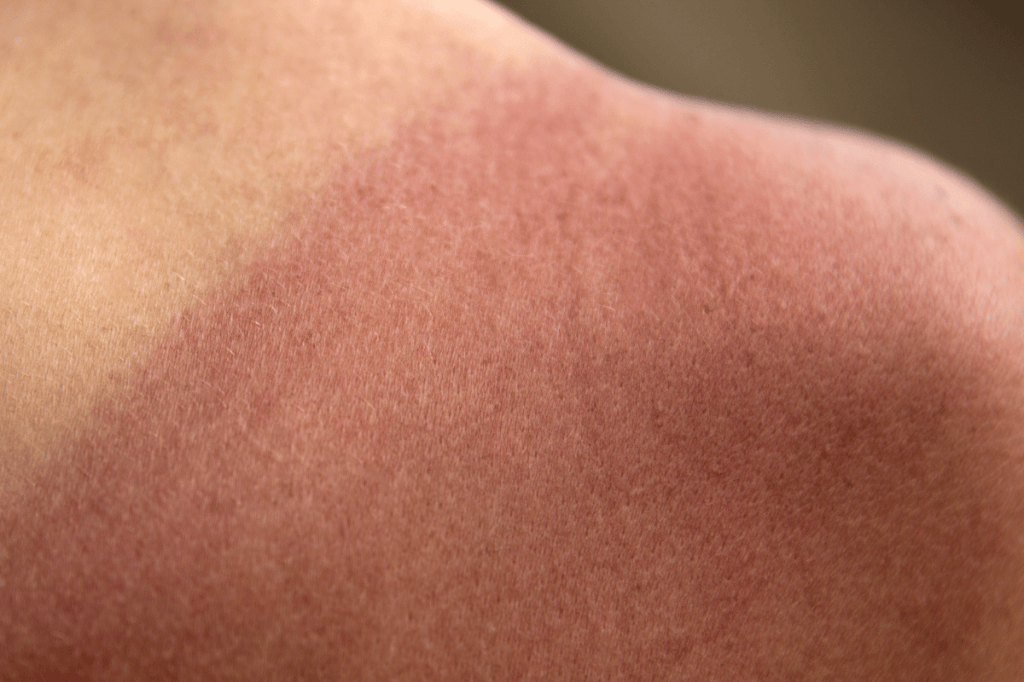
We’ve been led to believe that golden glow is a sign of health, but it’s a sign your skin’s been damaged. There’s no such thing as a safe tan.
“UV radiation damages the DNA inside skin cells. In response, the skin produces more melanin, the pigment responsible for tanning, in an attempt to protect itself from further harm,” Elysia says.
“A tan is essentially a visible sign that your skin cells are in trauma.”

Not everyone’s skin reacts to UV radiation in the same way. People with pale skin are more likely to burn, while those with darker skin might not notice any visible change.
“Just because we don’t notice a change doesn’t mean that damage isn’t happening,” Elysia says.
And if you think a “base tan” will protect you from burning, think again. Elysia says tanned skin offers roughly the equivalent of SPF2 sunscreen, compared with the SPF50+ you should be wearing.
UV damage also affects your appearance – accounting for 80 per cent of visible, premature ageing.
“It reduces the skin’s elasticity, which leads to wrinkling. It changes the pigment and can cause sunspots.”
So if you’re spending a fortune on skincare while deliberately sunbaking, you may as well be pouring that money down the drain.
The majority of UV damage is irreversible, accumulating over your lifetime and increasing your skin cancer risk.
And skin cancer isn’t just an older person’s problem. Melanoma is the most common cancer among Australians aged 20-34.
Across all ages, skin cancer is so common it’s been dubbed Australia’s “national cancer”.
“Around two in three Australians will be diagnosed with some form of skin cancer in their lifetime, and despite it being largely preventable, we still see around 2000 deaths each year – more than the national road toll,” Elysia says.
But there’s encouraging news. Australian Institute of Health and Welfare data shows melanoma rates among Australians under 40 have been declining since the late 1990s. Elysia says decades of sun safety messaging are helping.
And even if you’ve spent years tanning, “it’s never too late to be protecting your skin and preventing any further damage,” she says.
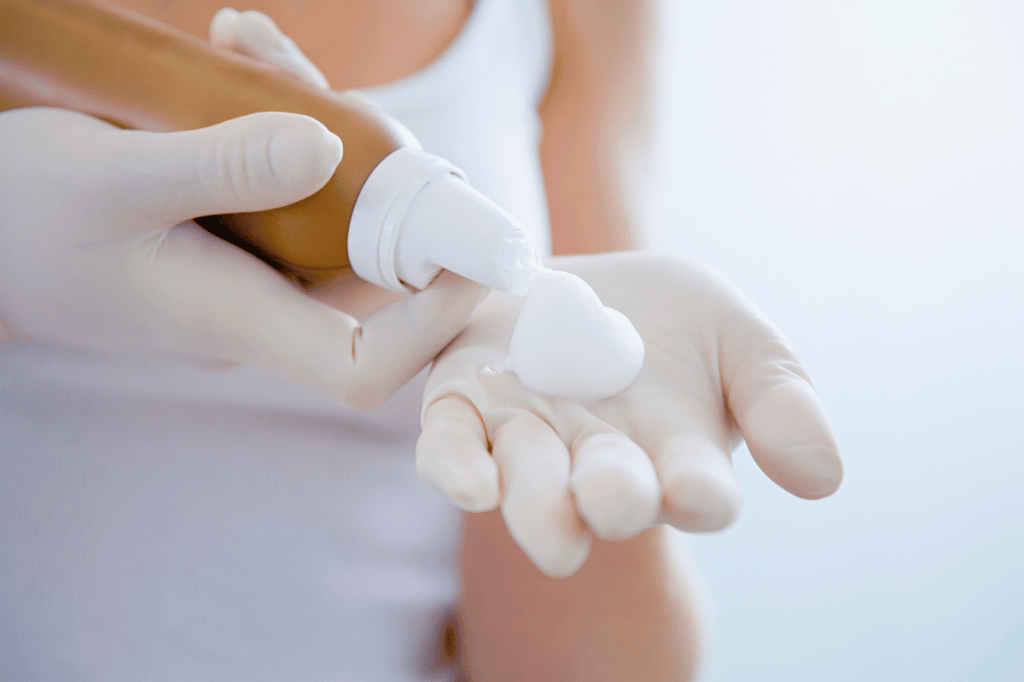
What about fake tan?
If you like the tanned look, there’s a safer alternative.
Fake tan is a temporary stain on the skin and doesn’t offer ongoing UV protection, even if the product contains SPF.
Avoid inhaling fake tanning sprays or getting them in your eyes or nose, and patch-test new products first.
And steer clear of tanning accelerators, nasal sprays and injections containing unapproved tanning substances such as melanotan, which can cause serious side effects.
Sunscreen doesn’t have to be expensive
Wondering whether your $8 sunscreen is as good as an $80 one? Elysia has some good news.
“The best sunscreen is one that you use,” she says.
As long as you’re choosing a broad-spectrum SPF50 or SPF50+ sunscreen, you don’t need to spend a fortune. Inexpensive brands can provide good protection – when applied as directed. Look for an AUST L number on the packaging which indicates the sunscreen is a therapeutic sunscreen regulated by the TGA.
Find a formula you’ll wear, whether that’s something lightweight, suitable for sensitive skin or one that doesn’t leave a white cast.
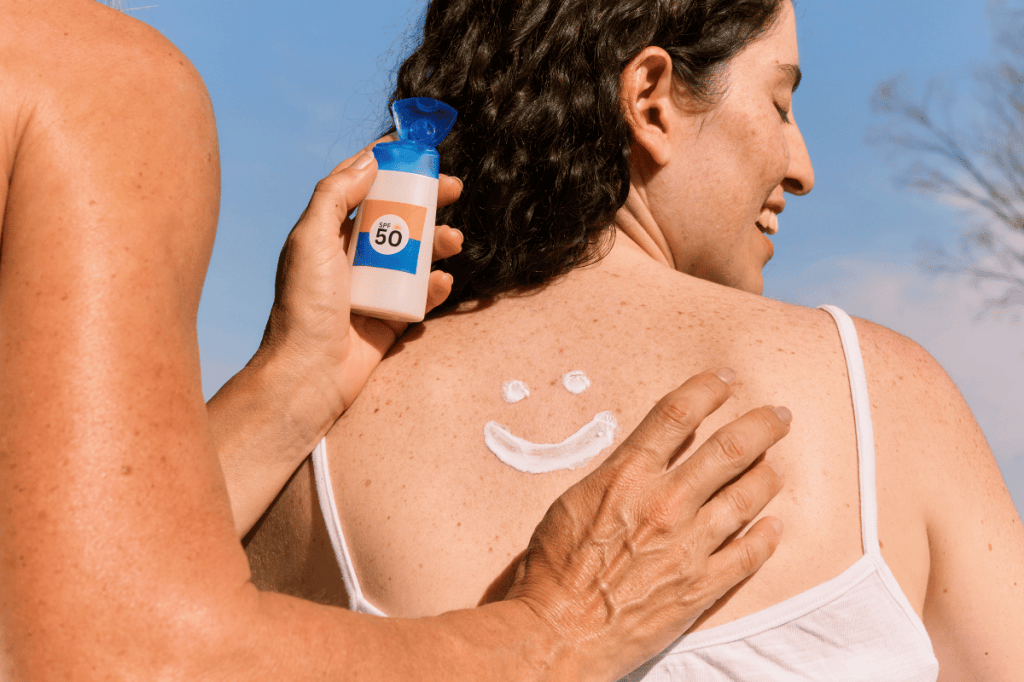
Can you trust your sunscreen?
Last year’s sunscreen recalls raised concerns after testing found some products weren’t providing the SPF protection claimed on their labels.
Australia’s sunscreen regulator, the Therapeutic Goods Administration (TGA), announced plans on 27 October to strengthen sunscreen testing and regulation.
Elysia welcomes the proposed changes, but says that’s no reason to skip sunscreen in the meantime and that public health advice regarding sunscreens remains unchanged.
“Australia has the highest rate of skin cancer in the world,” she says. “Regular sunscreen use continues to be encouraged alongside protective clothing, hats, shade and sunglasses whenever the UV index is 3 or above.”
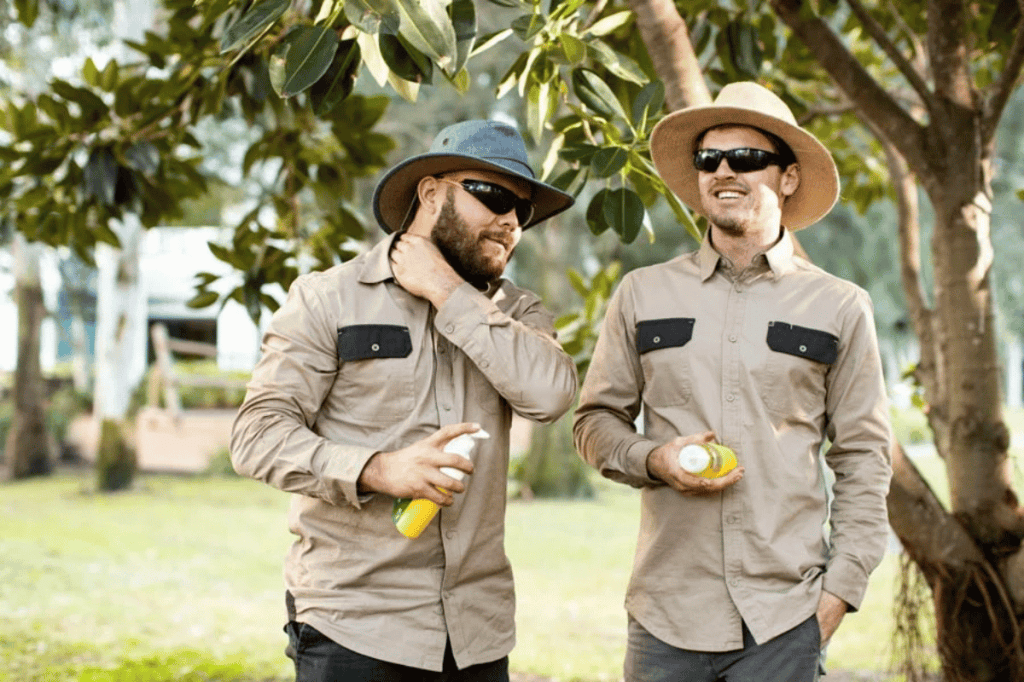
Five ways to stay safe this summer
Even SPF50+ sunscreen doesn’t block 100 per cent of UV radiation, and there’s always the chance you’ve missed a spot or haven’t applied enough.
That’s why Elysia recommends combining all five SunSmart measures whenever the UV index reaches three or above.
- Slip on clothing that covers as much skin as possible. Tightly woven fabrics offer better protection, and you don’t necessarily need expensive UPF-rated clothing.
- Slop on broad-spectrum, water-resistant SPF50 or SPF50+ sunscreen 20 minutes before heading outdoors, and reapply every two hours, or after swimming, sweating or towel-drying.
- Slap on a hat that protects your head, face, neck and ears.
- Seek shade whenever possible, whether that’s under a tree, umbrella or shelter.
- Slide on sunglasses that meet Australian standards, ideally a wraparound style.
If your foundation or moisturiser contains SPF, don’t assume you’re covered. Elysia says most people don’t apply enough makeup to get the advertised protection, so use a proper sunscreen underneath and remember to reapply it throughout the day.
And remember, UV radiation isn’t the same as heat. You can still get damaging UV exposure on a cool or cloudy day.
That’s where the free SunSmart Global UV app comes in. It shows when UV levels are forecast to reach three or above, so you can plan outdoor activities around the conditions – wherever in the world your summer holiday takes you.
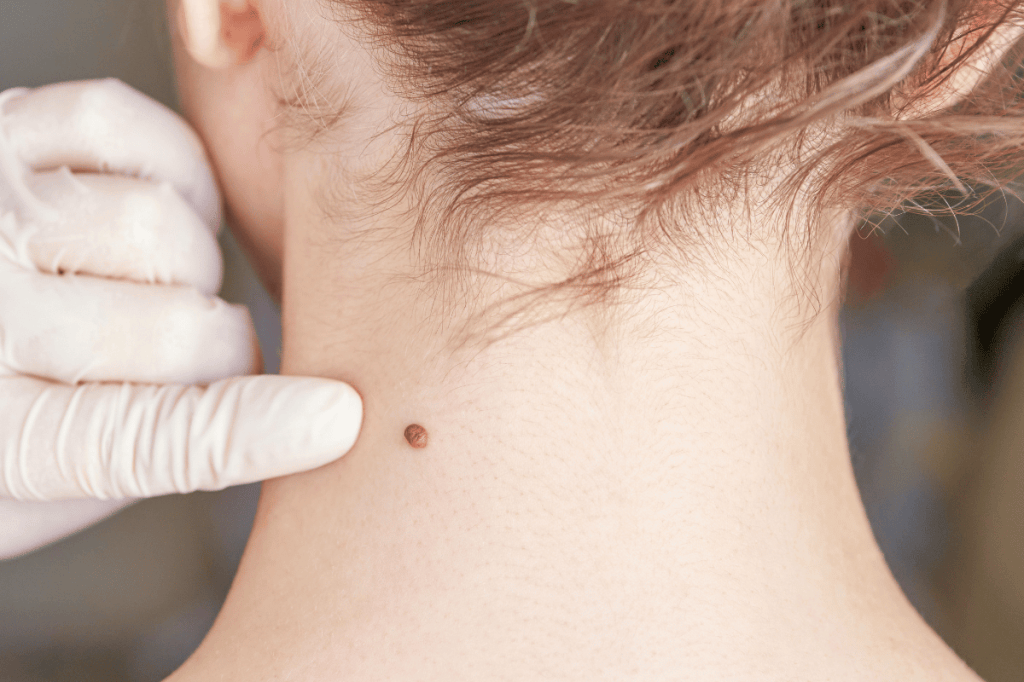
When did you last check your skin?
With National Skin Cancer Action Week running from 15–22 November, there’s another habit worth building into your routine: getting to know your own skin.
Elysia recommends regularly checking your whole body for new spots or changes to existing ones. Look for changes in size, shape or colour, spots that itch or bleed, scaly patches and sores that won’t heal.
“Some skin cancers grow really quickly, so we can’t be relying on an annual check to pick up on those things,” she says.
Use mirrors or ask someone you trust to help check areas you can’t easily see. If anything looks unusual, see your GP rather than waiting for your next routine check. Caught early, skin cancer is often highly treatable.
“Looking after our skin now is one of the best things that we can do for our future health,” Elysia says.
Find more information about sun safety from Cancer Council SA and National Skin Cancer Action Week.