



With intimate washes, deodorants, masks and fillers flooding TikTok and Instagram, it’s easy to think your vulva needs to be ‘fixed’. An SA sexual health doctor breaks down what’s normal – and why many of these trends are risky.
From vulva facials and bleaching creams to labial sheet masks, brightening serums and “puffing” injections, products and procedures targeting your genitals are suddenly everywhere.
Some promise to “tighten” or “freshen” the vulva. Others claim to reshape, smooth or scent it.
If it feels like the beauty industry is fuelling insecurities about body parts seen only by you and the person you’re intimate with, you’re not imagining it.
There’s now an entire market built on convincing women their genitals should be smoother, lighter, tighter, more symmetrical, or somehow more “acceptable” than the ones they were born with.
But sexual health experts say your vulva doesn’t need perfecting. It doesn’t need refreshing. And it absolutely doesn’t need a skincare routine.
“Your vagina cleans itself – it doesn’t need any of this,” says SHINE SA Sexual Health Doctor and Medical Lead – Education and Advocacy, Dr Clare Keogh. “And more often than not, these products will cause irritation or infection.”

Why these trends are suddenly everywhere
Clare sees it all the time: people apologising before a cervical screening test because they “haven’t had a wash” or “haven’t shaved”. Others ask if their vulva looks normal, or worry about discharge.
“Sometimes someone will say a partner has told them something doesn’t look normal. That’s very concerning,” she says.
She points to porn and social media as key influences. “If you’re seeing porn before any of your own sexual experiences, it would be very easy to think that’s normal.”
Then there’s the marketing: influencers selling “intimate care” lines, wipes, serums, deodorants and brightening creams – many of which create the very problems they claim to solve.
“These products target concerns about carrying disease, or being perceived to carry disease. People use them to feel cleaner, but they actually disrupt the natural balance.”
What’s normal?
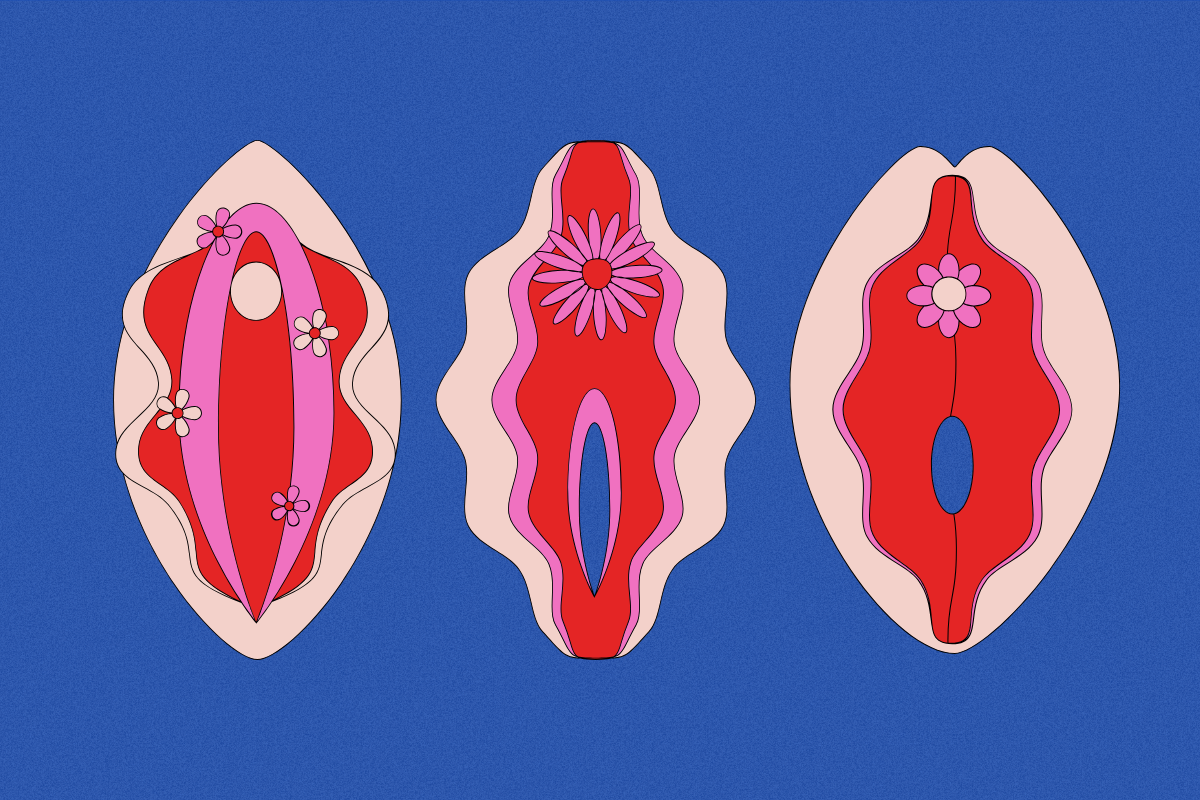
“There’s a huge variety,” Clare says. “Different pigments, different shapes… pretty much however you’re born is normal for you.”
When Clare talks about what’s normal, she’s talking about the vulva – the outside part of the genitals typically associated with people assigned female at birth. It includes the outer and inner labia and the skin around the vaginal opening, both the parts with pubic hair and the parts without. The vagina is the internal part.
Some people have labia that sit inside the outer lips; others have inner lips that extend outward. Some are smooth, some are textured, some are darker or lighter. Almost all are asymmetrical. None of it is a medical problem.
“Nothing in your body is symmetrical,” Clare says. “One ear sits lower, one eye sits lower… the vulva is no different.”
Your vagina is self-cleaning
“The vagina is very advanced and highly intelligent… it cleans itself,” Clare says.
It has its own microbiome – good bacteria that protect against infection. But that balance is easily disrupted by scented washes, wipes and so-called “intimate” products like deodorants and douches.
“In people using them, we see more bacterial vaginosis, more thrush and more vulval dermatitis,” Clare says. People often use these products hoping to smell nicer or feel cleaner, “but they usually end up causing irritation, not preventing it”.
Clare recommends warm water only, or a fragrance-free, pH-balanced wash if you need something gentle. Never douching. No intimate sprays, wipes or soaps.
For people with sensitive skin, a bland, unperfumed body moisturiser can be used on the outer vulval skin – but never inside the vagina.
Discharge, smell and anxiety
Vaginal discharge is completely normal – and it changes throughout your cycle, with hormones, and from person to person. Some have a lot, some very little. It can be clear, creamy or slightly yellow.
“As long as you’re not getting irritation, an offensive smell or abnormal bleeding, then it’s normal,” Clare says.
Still, many people feel unsure. “People often worry they smell wrong,” she says. “But most of the time, what they’re noticing is just normal variation.”
But if something still feels off – like discomfort, unexpected changes, or a smell that’s much stronger than usual – Clare says that’s when it’s worth checking in with a GP or sexual health clinic.
Pubic hair isn’t dirty – and removing it can cause problems
“It’s absolutely not dirty,” Clare says. “Your pubic hair is there for a reason.”
Clare says hair helps protect the vulval skin from irritation and infection, manages sweat, and actually acts like your body’s own natural deodorant.
But many young people feel pressure to remove it completely – often because of what they see in porn.
Clare says every method comes with risks. Shaving can lead to ingrown hairs and tiny skin tears; waxing can cause irritation. Hair removal creams can flare eczema or sensitive skin.
Plus, Clare says there’s a more serious risk people don’t talk about: removing hair can make you more vulnerable to STIs.
“If you’re doing lots of shaving where you’re injuring the skin, you’re potentially at higher risk of STI acquisition.”
For most people, Clare says, the best approach is whatever is most comfortable and least irritating for your skin – and recognising that having pubic hair is not only normal, but protective.

Cosmetic procedures and the ‘ozempic vulva’ conversation
Alongside the beauty products, there’s also been a rise in cosmetic procedures: reshaping the labia, “puffing” with filler, tightening the vulva, or evening out its symmetry.
Some clinics lean into trends all over social media – including the so-called “Ozempic vulva”, where filler or fat grafts are marketed to women worried about how their vulva looks after weight loss.
Clare hasn’t seen much sign of it locally so far, but she’s cautious. “Sometimes someone will ask if their vulva looks normal, but surgery is only ever considered if the anatomy is causing a real problem – and that’s very rare.”
The risks are real: “It can interfere with your normal anatomy. You can have infections, nerve injury, problems with urination or vaginal infections… even loss of bladder or bowel function”.
And it’s even riskier for people who travel overseas for cheaper procedures. Without proper regulation or follow-up, complications are much harder – and far more dangerous – to manage.
“If something goes wrong while you’re away, or when you get home, that can be really dangerous.”
Clare adds: “There are medically-warranted reasons for seeking genital surgery, which include anatomical variants that affect bladder and menstrual function, as well as gender affirming surgery.”
Where to get help
“Young people are really accepting of diversity in their friendship groups, in gender and sexuality,” Clare says. “But many still struggle with anxiety and self-doubt about what’s ‘normal’ due to decades of shame and misinformation.”
“Empowering young people to feel good about their bodies starts with access to the right information. The Labia Library is a fantastic resource from Women’s Health Victoria that shows real-life examples of just how unique everyone’s vulva is – and yeah, they’re all normal.”
Her advice: if your vulva isn’t hurting, itching or causing symptoms, it’s normal. And if you’re not sure, don’t trust social media – ask someone who actually knows.
“If you’re worried, come and see your GP, or someone at a sexual health organisation, like SHINE,” she says. “We can talk through any questions and reassure you.”
Still have questions? The SHINE SA website is the place to go, with loads of handy resources, links and factsheets – including one on genital skin care.
SHINE SA also operates a free sexual healthline, Monday-Friday, 9am-12:30pm. Call 1300 883 793 to chat anonymously with a friendly, non-judgemental nurse.