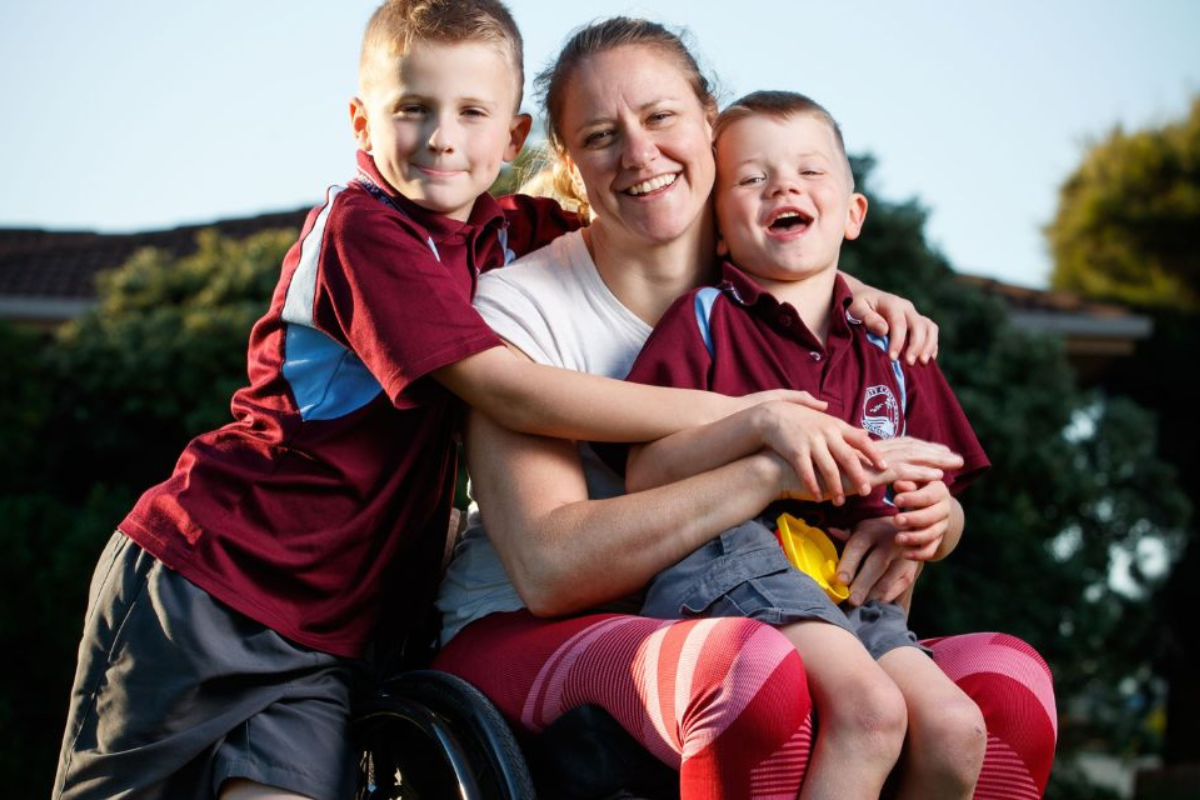



After a cycling accident left her paralysed at 29, Yvie Eglinton turned her personal experience into a drive to make South Australia’s national parks more inclusive for everyone.
An autism-friendly nature trail, virtual reality cave tours and specially-designed wheelchairs that can tackle rough terrain.
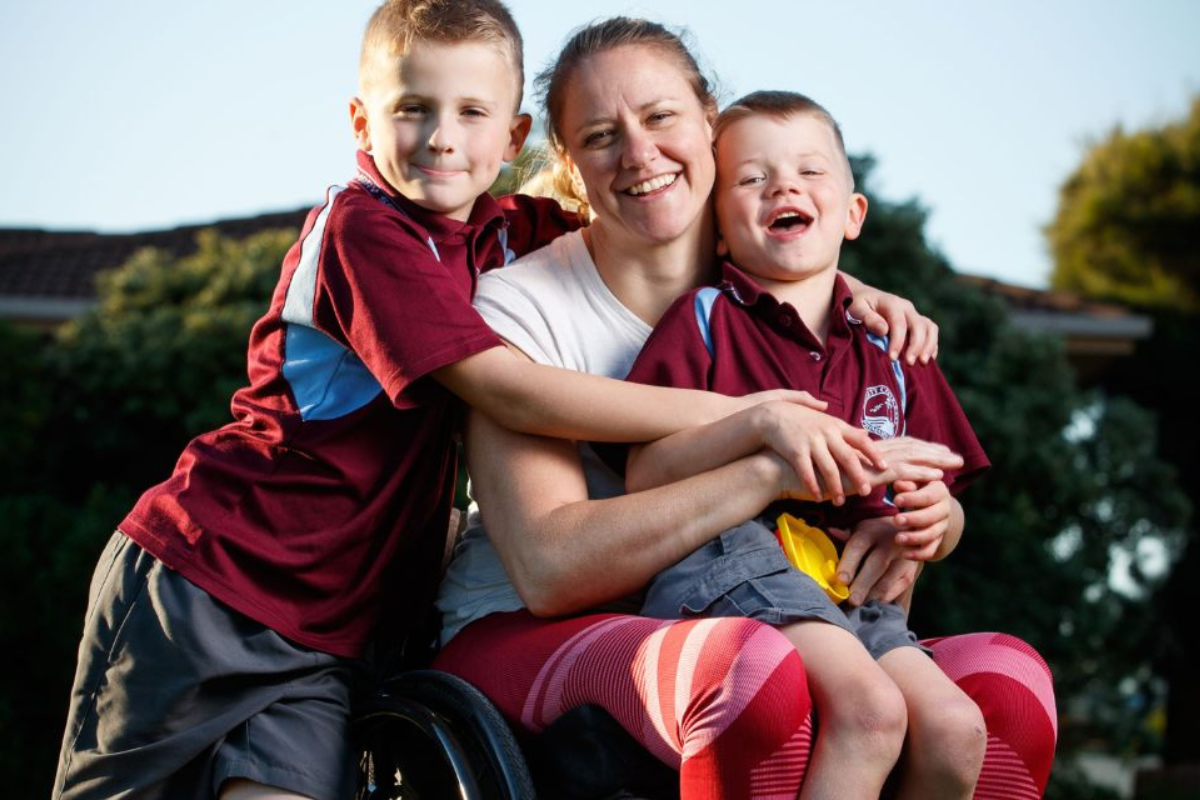
They’re just some of the ways South Australia’s national parks are becoming more accessible to people with disability, thanks in large part to the work of Yvie Eglinton.
As Coordinator Access For All with the Department for Environment and Water (DEW), Yvie is helping more people experience the outdoors, whether that means exploring a trail, getting involved in conservation or simply having the right facilities available.
And it’s a job she understands from personal experience.
Yvie’s life-changing accident
Before moving into accessibility, Yvie was a marine biologist with DEW, spending her days diving on reefs, surveying marine habitats and travelling around South Australia’s coastline.
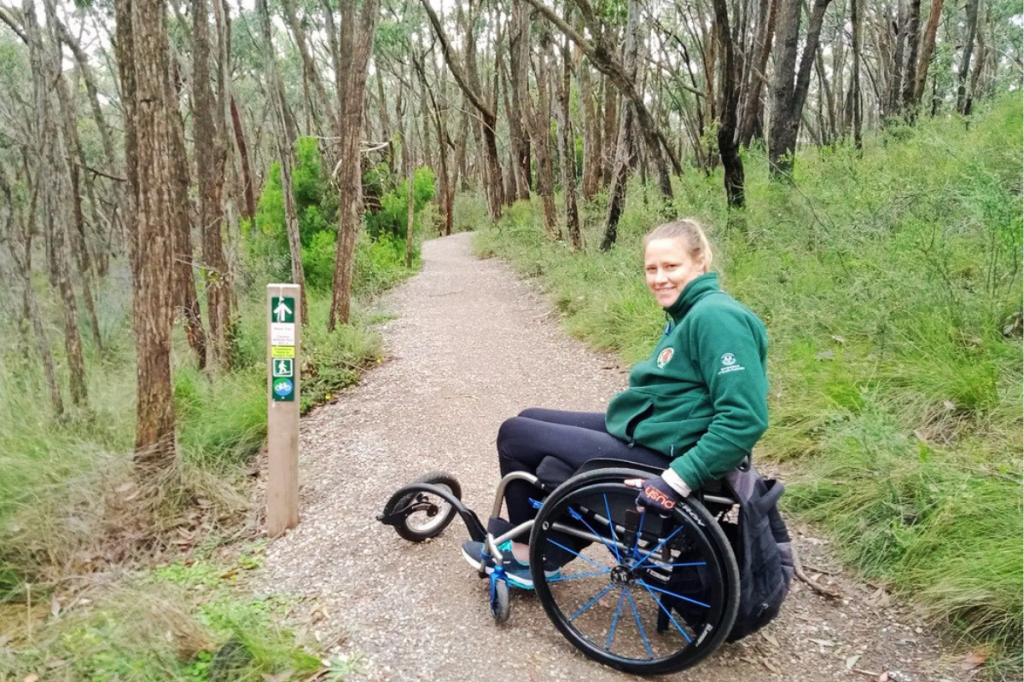
Just before her 30th birthday, she was cycling to work along Brighton Esplanade when her bike hit a pothole, throwing her over the handlebars.
The accident left her paralysed from the chest down. During months of rehabilitation, she had to learn new ways to manage everyday tasks, from transferring in and out of her wheelchair to managing her bladder and bowels.
“You’re having to learn how to navigate a world that’s not really built or designed for us,” she says.
Seven months after her accident, Yvie was back at work, supported by colleagues who helped her take on a different role in the marine parks team.
She went on to help develop SA’s network of 19 marine parks, established in 2012 to protect the state’s marine habitats and ecosystems.
From marine biology to Access For All
Now a mum of two boys, Yvie says everyday life can still involve frustrating amounts of planning.
“Your life isn’t spontaneous anymore. You’ve got to look into everything. You go, ‘Well, is that accessible?’”
Her experiences as a wheelchair user eventually prompted Yvie to ask a former manager a question.
“I’m in a wheelchair and I work for the department, and I don’t know what’s accessible. How is the rest of the population supposed to know?”
The manager, who’d moved into nature-based tourism, offered her an extra day a week to work on access and inclusion, starting with better information on the national parks website.
By 2020, accessibility had become her full-time job, taking her from SA’s marine parks to its national parks on land.
Today, Yvie is Coordinator Access For All in DEW’s Visitor Experience Unit, helping make South Australia’s national parks more accessible to people with a wide range of disabilities.
Making everyone welcome
Accessibility isn’t just about wheelchair-friendly paths.
Yvie’s projects include a proposed Autism Nature Trail in the Adelaide Hills and a communication board at Belair National Park that helps people communicate without speech.
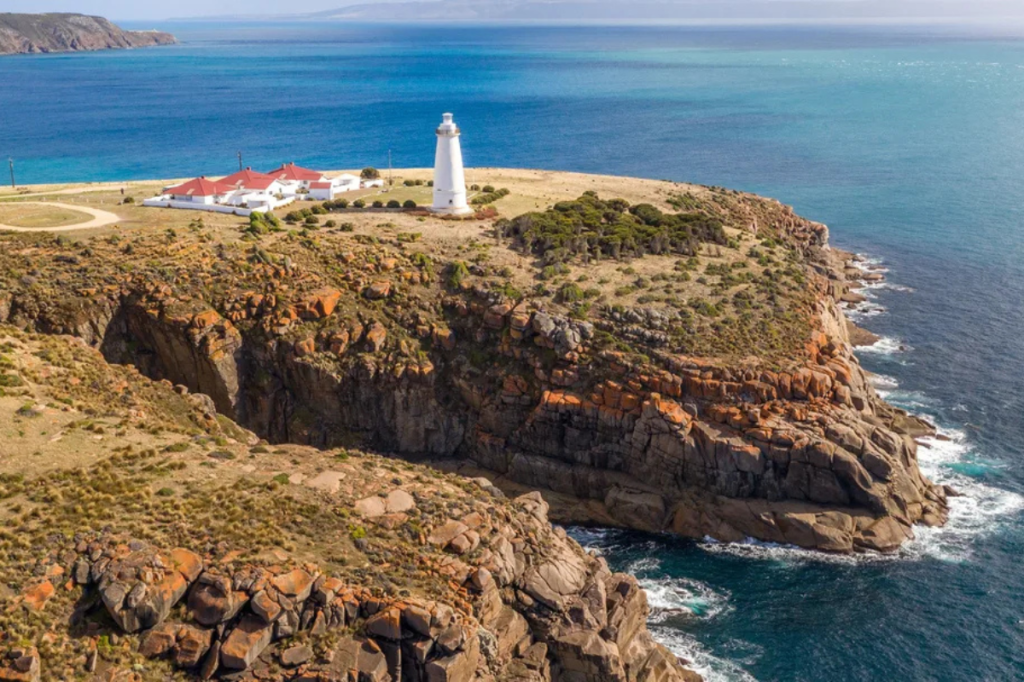
On Kangaroo Island, virtual reality experiences are being developed so visitors who can’t physically access Cape Willoughby Lighthouse or Kelly Hill Caves can still experience them.
“Accessibility for me, it’s about inclusion,” Yvie says.
“It is not enough to simply provide accessible facilities such as toilets and parking spaces. True accessibility is about inclusion, ensuring that people feel welcomed, valued, and able to participate fully”
A legacy worth talking about
Yvie is particularly proud of getting Changing Places toilets installed at Glenthorne National Park – Ityamaiitpinna Yarta and Belair National Park. Designed for people with high support needs, they have adult-sized change tables and hoists.
When funding for the Glenthorne facility was cut, she fought to get it reinstated.
“I’ve always said, ‘My legacy is going to be a toilet’,” Yvie jokes.
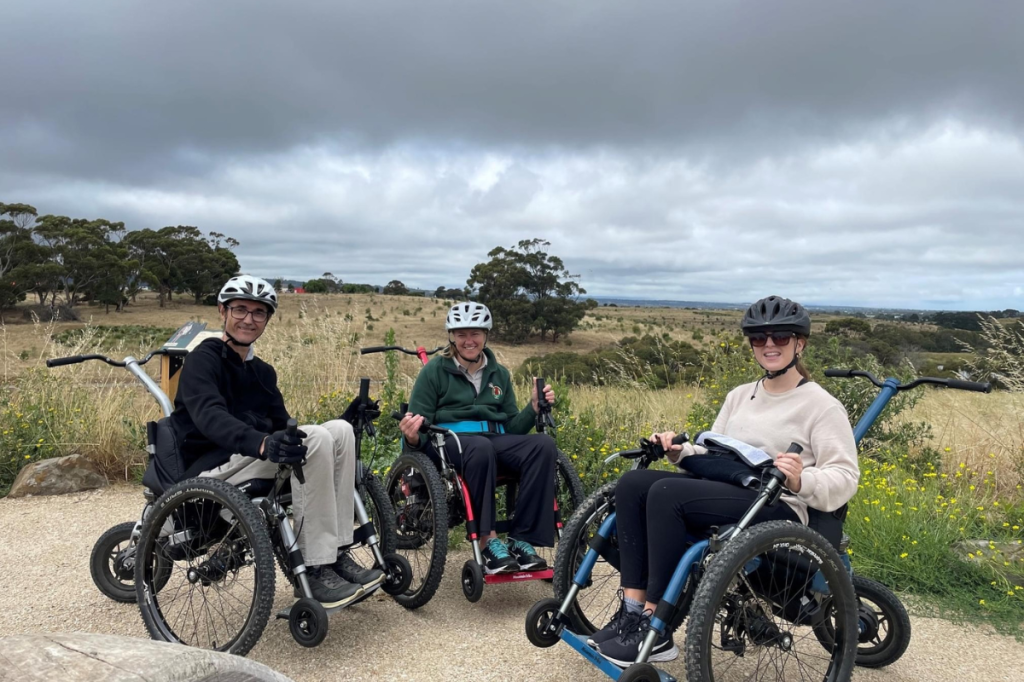
She’s also helped introduce specially designed off-road wheelchairs that allow people with limited mobility to explore trails their usual wheelchairs might not be able to handle.
These are available for free hire at Belair National Park and the Fleurieu Visitor Centre, near Deep Creek National Park.
Yvie has also developed a Rehab in Nature program that gives people recovering from spinal cord injuries opportunities to enjoy the outdoors during rehabilitation.
And through partnerships with Bedford, people with disability can take part in outdoor activities and volunteer alongside Friends of Parks groups, helping care for the parks themselves.
One volunteer who’s helping make parks more inclusive is 17-year-old Patrick Saunders, who is non-speaking and Autistic. Working with Yvie and the national parks team, he’s developed a guide to the Ridge Trail at Mount George Conservation Park, explaining what visitors can expect from the terrain and sensory experiences.
“Accessibility is about ensuring people have the information and support they need to participate, and this guide is a great example of that in action,” Yvie says.
The barriers that still exist
International Day of People with Disability, held on 3 December each year, promotes greater understanding and acceptance of people with disability.
Yvie says attitudes have improved over the years, partly because people with disability are increasingly advocating for themselves.
“They’re not hiding and they’re not afraid to speak up anymore,” she says.
She’s hopeful younger generations will be more accepting and inclusive, too, but believes there’s still a long way to go.
“The biggest barrier to inclusion is still attitude.
“I think what people most misunderstand is that they think your life sucks living with a disability, or you have no life.
“Life doesn’t always suck. It is hard and sucks sometimes. But you can still live a full and blessed life even with a disability.
“It’s a human right for us to be able to live our lives and contribute.”
But Yvie says inclusion is also about giving people with disability the freedom to make their own decisions – including when it comes to exploring the outdoors.
She believes in the concept of the “dignity of risk” – allowing people to decide for themselves which trails they’re comfortable tackling, rather than restricting them to those officially classified as accessible.
“People with disabilities don’t need us telling them where they can and can’t go,” she says.
“They can make that decision for themselves if they have the information available to them.”
Yvie’s favourite trails for walking and rolling
“Getting out into nature is just so good for your mental health and wellbeing,” Yvie says.
So, if you’re keen to explore SA’s national parks but aren’t sure where to start, here are some of Yvie’s favourite trails for walking and rolling, along with what you need to know before you go.
1. Goondooloo Ridge Trail in Deep Creek National Park
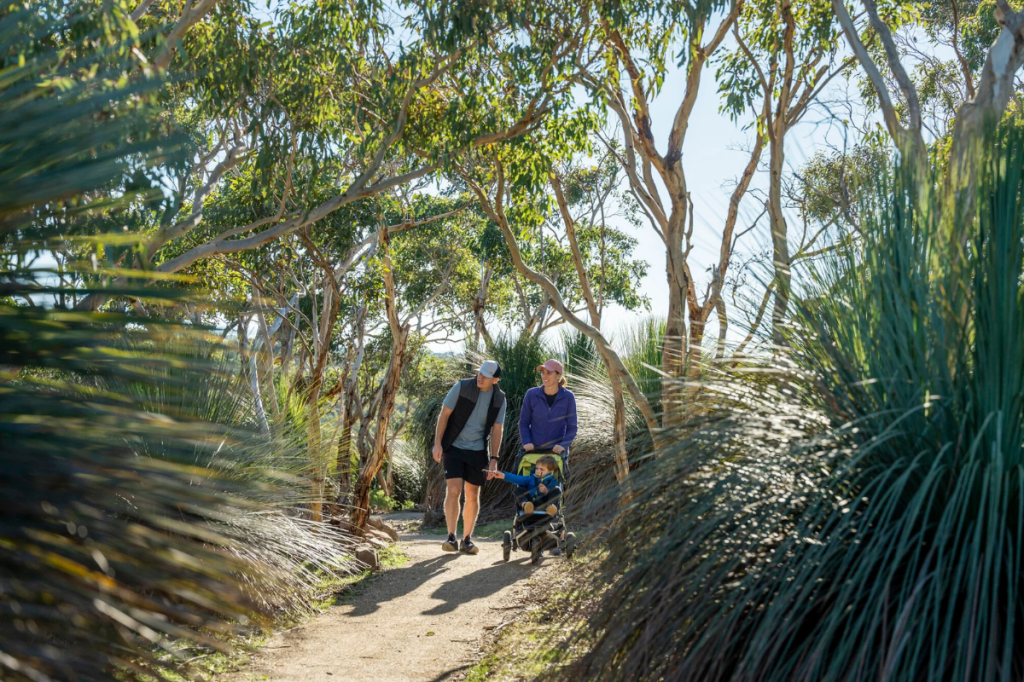
The Goondooloo Ridge Trail is a 4.2 km return walk and is one of our longer accessible walking trails. The track features a firm, compacted surface approximately 1m wide and descends gradually to a lookout offering stunning views across Backstairs Passage and Kangaroo Island. Classified as a Grade 2 trail, some visitors may require assistance in certain sections. Natural debris, such as fallen leaves and small branches, may be present on the trail surface. For people using manual wheelchairs, a FreeWheel attachment or similar device is recommended to assist in navigating uneven sections by raising the front castors off the ground. The return journey includes a gentle uphill gradient from the lookout, and some users may require assistance on this section.
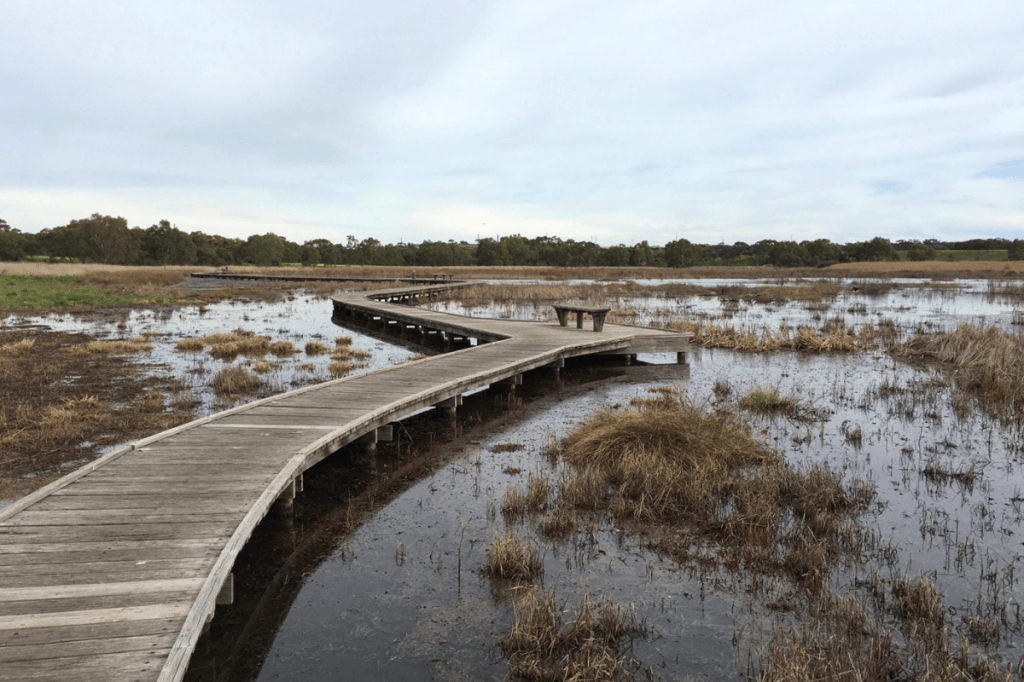
2. Wetlands Loop Trail in Onkaparinga River Recreation Park
The Wetlands Loop Trail is a 3km circuit comprising a combination of boardwalk and compacted gravel surfaces. Visitors using manual wheelchairs are encouraged to use a FreeWheel attachment, particularly on the boardwalk sections, which can be uneven and bumpy in places. For those who prefer a shorter experience, a shortcut is available approximately halfway along the trail. Visitors completing the full loop will encounter a moderate incline around the midway point, where some individuals may require assistance.
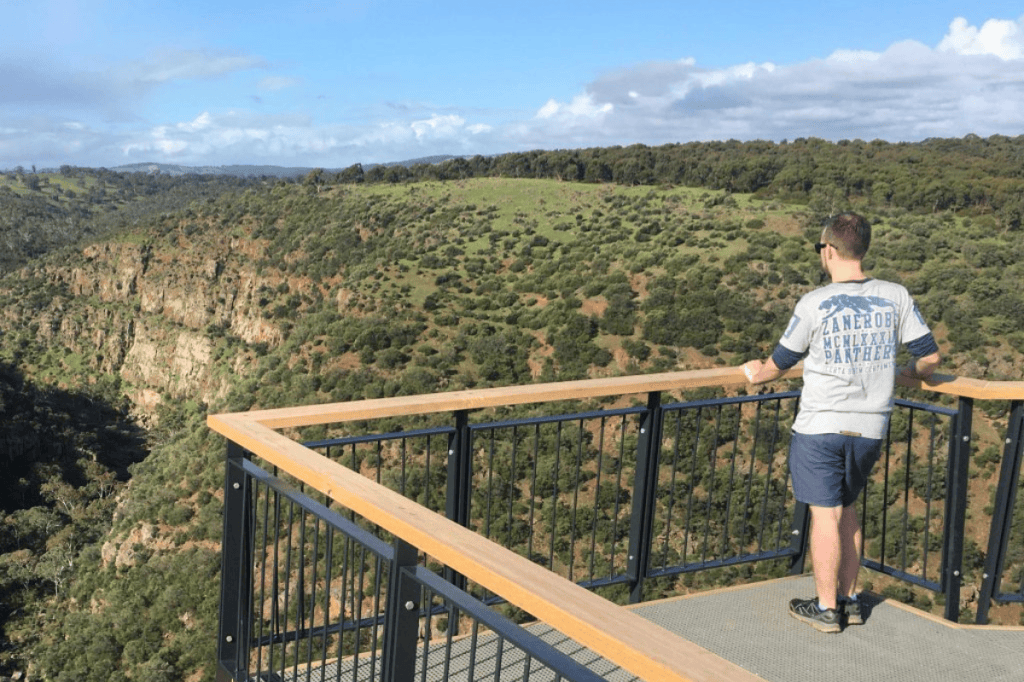
3. Punchbowl Lookout Trail in Onkaparinga River National Park
The Punchbowl Lookout Trail is a 2km return walk on a wide, firm, compacted gravel path. The trail descends gradually to a lookout providing impressive views of the Onkaparinga Gorge. The return journey follows the same route and includes a gentle uphill gradient, which may require assistance for some visitors. The trail also has a slight crossfall (side slope) in places, which may present additional challenges for some wheelchair users and may require support.
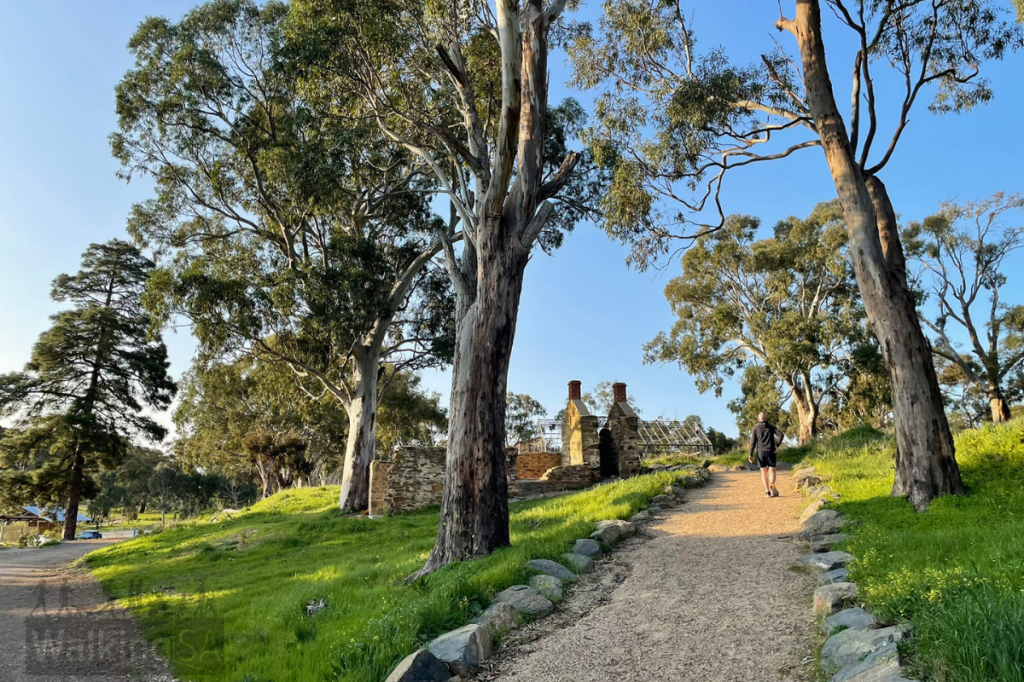
4. Footprints from the Past Trail In Glenthorne National Park
The Footprints from the Past Trail is a 1.3km loop walk that explores the rich history of the former Glenthorne Farm. The trail surface consists of firm, compacted gravel and is generally accessible; however, there is a moderate descent just beyond the glasshouse where some visitors may require assistance. Classified as a Grade 2 trail, there are several sections where support may be beneficial. For visitors using manual wheelchairs, a FreeWheel attachment or similar device is recommended to improve manoeuvrability and reduce front castor resistance on the gravel surface.
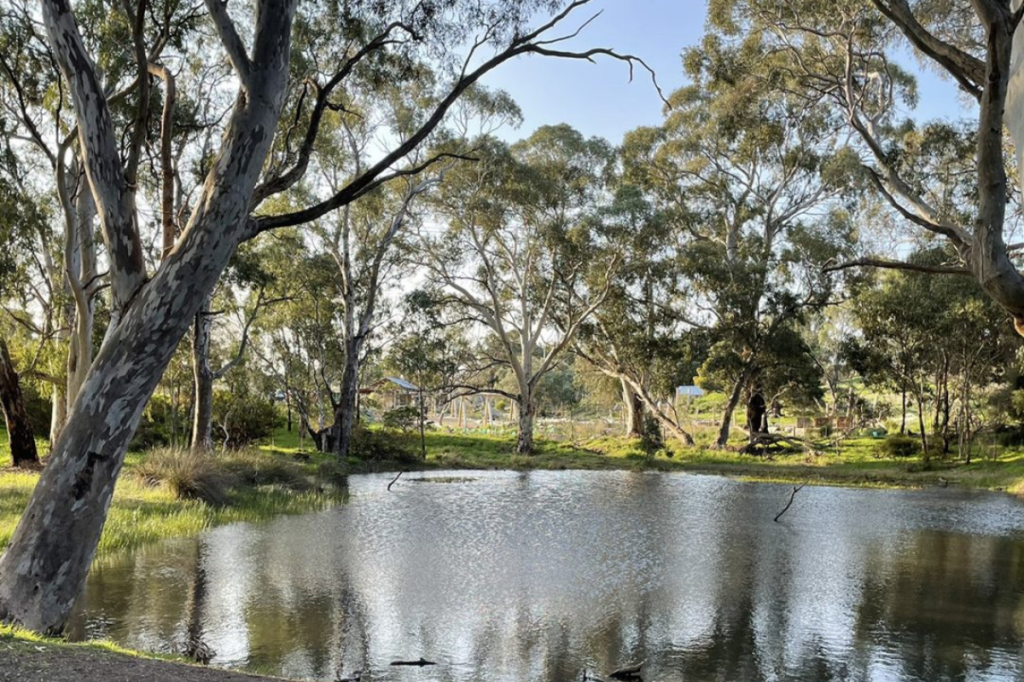
5. Walking with Winaityinaityi Trail in Glenthorne National Park
The Walking with Winaityinaityi Trail is a 1.5km walk that introduces visitors to ten winaityinaityi (bird) species that visit Glenthorne-Ityamaitpinna Yarta. The trail follows the creek line to two dams before returning to the visitor hub. Log seating is provided at various points along the route for those wishing to rest and enjoy the surroundings. The trail surface is firm, compacted gravel. Approximately 100m beyond the first dam, there is a steep section where some visitors may require assistance. To avoid this section, visitors can turn right immediately after the first dam, follow the path to its end, and then turn left to rejoin the main trail. As a Grade 2 trail, there are several sections with moderate gradients where assistance may be required. For visitors using manual wheelchairs, a FreeWheel attachment or similar device is recommended.
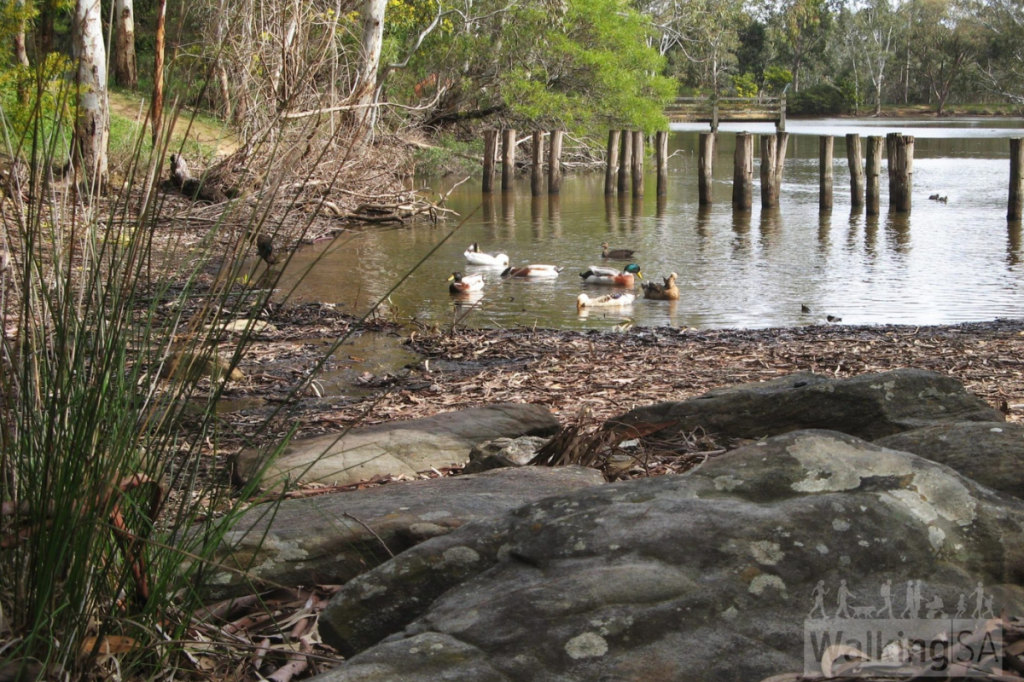
6. Wood Duck Walk in Belair National Park
The Wood Duck Walk is a 1km loop trail around Playford Lake. The majority of the trail consists of compacted gravel, with three sections of boardwalk along the route. Two designated viewing areas provide opportunities to stop, rest, and enjoy views across the lake. The trail is best undertaken in a clockwise direction to ensure the most gradual experience. Visitors using manual wheelchairs are encouraged to use a FreeWheel attachment or equivalent to improve comfort and ease of navigation.
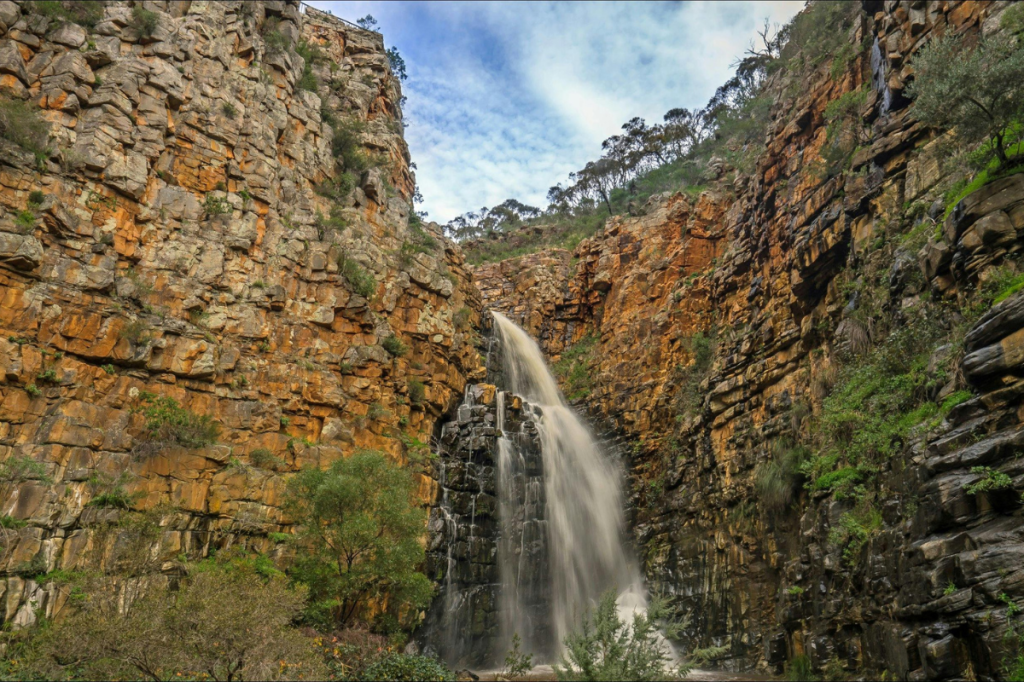
7. First Falls Walk in Morialta Conservation Park
The First Falls Walk is a 1.6km return trail commencing from the main trailhead. The trail surface is primarily compacted gravel and follows a gentle incline towards First Falls. Along the route, visitors will cross several bridges that may include small thresholds requiring minor assistance. The final section of the walk consists of a short boardwalk leading to a viewing area below First Falls. Classified as a Grade 2 (Easy to Moderate) trail; some visitors may require assistance in certain sections. For visitors using manual wheelchairs, a FreeWheel attachment or similar device is recommended to enhance accessibility and ease of travel.
For more information about accessible trails, parking, toilets and facilities across SA’s national parks, check out the National Parks and Wildlife Service’s accessibility guide.