


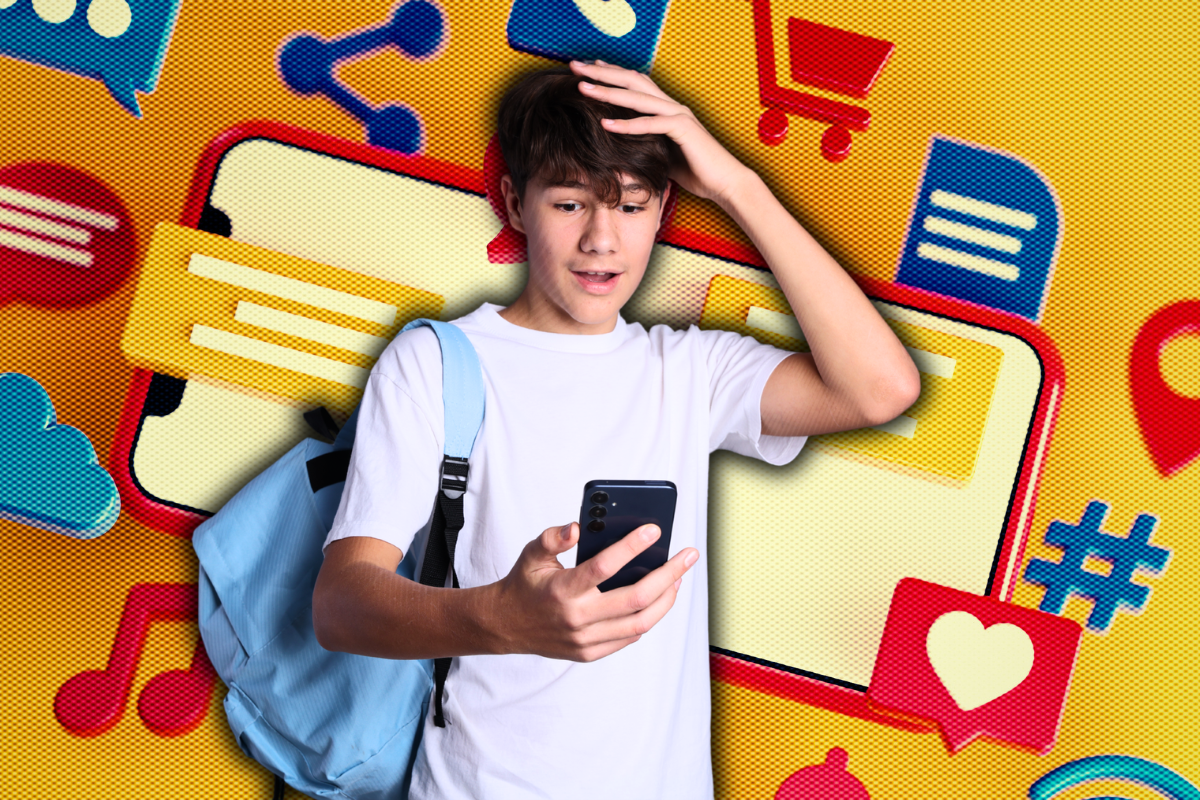
Primary school students across South Australia will soon learn how to spot deepfakes, scams and dodgy online claims. Take the quiz to see if you’d pass the test.
In March, AI photos of Zendaya and Tom Holland’s wedding fooled the internet – the fake Instagram post racked up 12 million likes, and even Zendaya’s own friends thought she’d got married. That one was harmless.
But the same technology is draining bank accounts, putting words in politicians’ mouths and faking the doctors you trust – and most adults were never taught to spot any of it. From next term, primary school kids in South Australia will be.
What is Newshounds?
It’s the media literacy program being rolled out to 434 primary schools across the state, in a national first that’s backed by $2.6 million in state government funding.
The free program’s much bigger than spotting fake photos. Across nine weeks, kids aged eight to 12 learn to read and question the whole online world: who’s behind the posts in their feed and why, how true facts get bent to mislead, how ads and influencers push them to buy, and how games and apps are built to keep them tapping and paying.
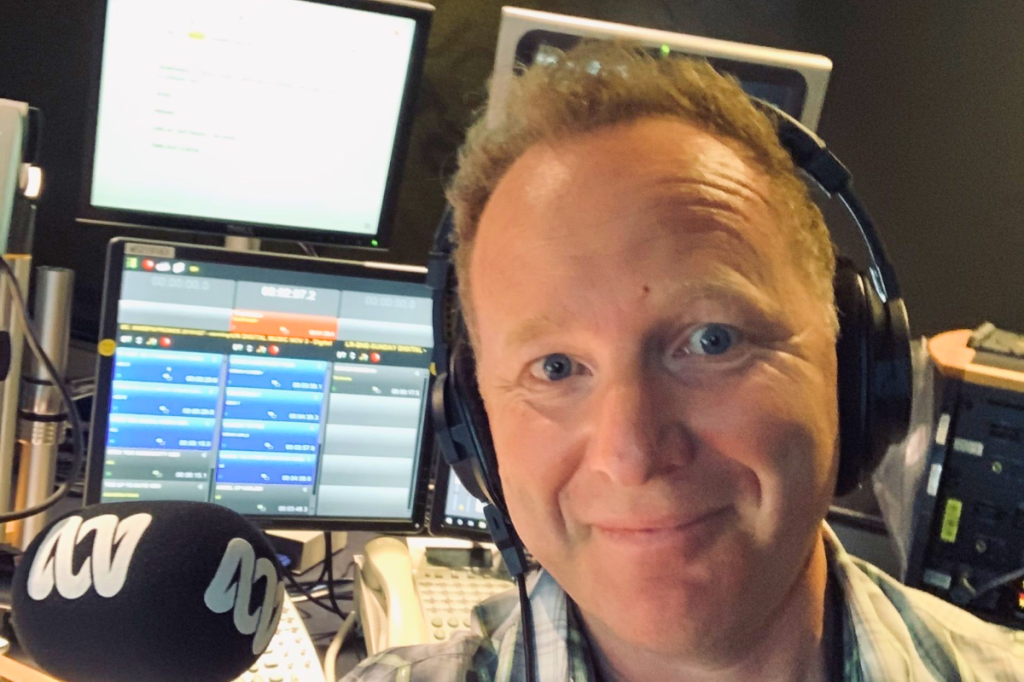
“In a digital age, learning to think critically about what they see online is just as important a life skill for primary school kids as reading, writing and arithmetic,“ says Newshounds founder Bryce Corbett, a former journalist who started the program after watching his own kids get their news from an algorithm.
So what do the kids learn?
In every session, the kids are encouraged to “stop, think and check“ what they see online – then debate not just whether it’s true, but who posted it, and what they want from you.
For instance: in one lesson students see examples of how you can be misled by something completely true. A wellness influencer cites the one study that backs their supplement powder and ignores the ten that don’t, while another post quotes a real statistic with the context cut away. Nobody’s technically lying, which is exactly why it works not just on kids, but also adults who’d never fall for an obvious hoax.
At Prospect Primary School, which has run Newshounds since it launched, principal Rebecca Pears says the program “helps students develop the crucial skills needed to become critical consumers of media“. That includes “identifying reliable information, recognising bias, and evaluating media sources“.
“It has also strengthened their digital citizenship, enabling students to safely navigate misinformation and make informed decisions in their daily lives,“ she says.
Why should you care?
Ten years ago, the news on your phone came from an editor. Now it comes from an algorithm – 48 per cent of 18- to 24-year-olds get their news from TikTok, and 43 per cent of Australians across all ages get it from influencers and creators, because they find it more entertaining than traditional news. The problem is that nobody’s fact-checking this news before it reaches you.
And most of us can’t check it ourselves.
When adult Australians were tested on spotting misinformation online, 45 per cent couldn’t tell at all, and only three per cent passed. Plenty of the people most sure they could spot a fake got every question wrong. Plus, in a separate study, MIT researchers found humans (not bots) are responsible for false news spreading online six times faster than the truth.
Five reasons online misinformation should worry you
It costs you money. Australians reported losing $2.18 billion to scams last year, and online contact is now the costliest way scammers reach people. In 2024, scammers cloned the voice of Ferrari’s CEO to push through a payment – it only fell over when a staffer asked the “CEO“ to name a book he’d recommended. Cloning a voice takes three seconds of audio.
It’s working on how you feel. A lot of what you scroll isn’t trying to trick you – it’s built to make you feel like you’re not enough, so you’ll buy the fix. Nearly six in ten Australians say diet and fitness content on social media affects how they feel about their own body.
It targets your health. Doctors like Norman Swan have been deepfaked into online ads for dud supplements, and one man with diabetes stopped taking his medication after reading one. COVID vaccine misinformation alone was linked to 45,000 preventable deaths in the US in a single year.
It can swing your vote. The same trick that married off Zendaya can put words in a leader’s mouth or invent an event that never happened. Around the world, deepfakes are already being used to try to sway voters and swing elections – fake clips built to spread before anyone can fact-check them.
It’s got world leaders and experts worried. Since generative AI went mainstream in 2024, the World Economic Forum has consistently ranked misinformation as one the world’s top two global risks in the short-term – ahead of armed conflict and extreme weather.
How is SA leading the way?
On a Churchill Fellowship studying media literacy abroad, Bryce found countries like Estonia treating misinformation as a matter of national security. Since 2010, Estonia has built media literacy into the school curriculum. Germany, Finland, South Korea and Wales are just some of the countries that have since followed suit.
Back home, SA has a habit of moving first on this stuff. Our state led the charge for the under-16 social media ban that’s since gone national. It was the first state to make lying in a political ad illegal – with a truth-in-advertising law on the books since 1985 – and last year it became the first to ban AI deepfakes in election material.
Funding Newshounds in primary schools is the next step: while the laws guard the system, the lessons train the people inside it.
“A [social media] ban will only ever be as effective as the education that precedes it,“ as Bryce puts it.
The best part for everyone who left school before any of this existed? Newshounds is free, and you can work through it yourself.
Bryce also turned his Churchill Fellowship into a podcast, The Big Threat, exploring the global information wars – worth a listen on your commute.
Don’t get fooled: Tips to tell what’s real online
- Reverse image search – drag the picture, or a screen grab from a video, into Google Images or TinEye. If there’s no original source, be suspicious.
- Check who posted it first – a fan account with 200 followers isn’t a news source. Where something started matters more than how real it looks.
- Cross-check it – see if trusted news outlets are reporting the same thing. Even mainstream media get caught out by a good fake, so one source is never enough.
- Run it past a fact-checker – sites accredited by the International Fact-Checking Network, like AAP FactCheck or RMIT ABC Fact Check, may have already done the work.
- Look for the small stuff – AI still trips on hands and fingers, lips out of sync and light that falls the wrong way. The tell is usually parts not quite agreeing with each other. But it’s closing these gaps fast, so a flawless-looking clip can still be fake.
- Don’t trust a face or a voice alone – if a call or message asks for money or anything urgent, hang up and check back on a number you trust. A deepfake can’t survive a callback. On a video call, ask them to turn side-on – for now, face-swap fakes still tend to fall apart at a full profile.
Think you could pass a Year 5 online media literacy test? Take the quiz.
Find out more about Newshounds and access its free program here.