


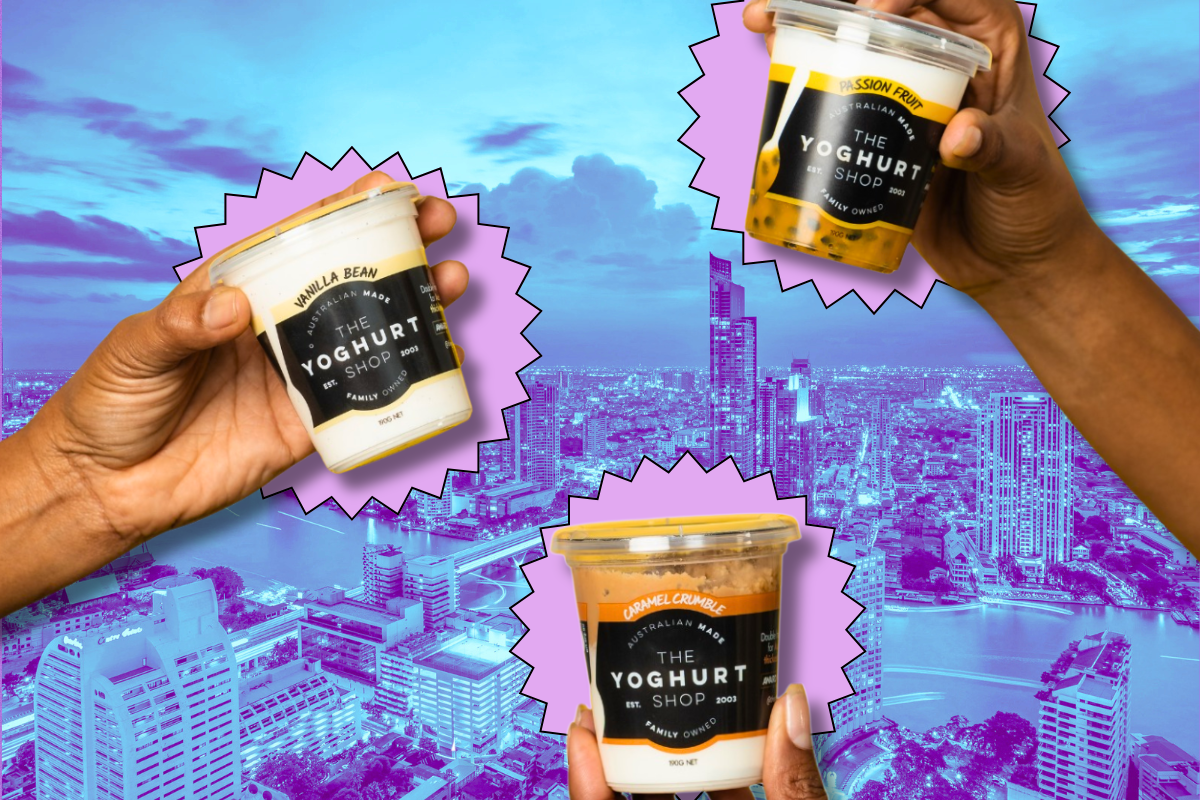
The humble vanilla bean yoghurt is flying off Thai supermarket shelves. And it’s a taste of a much bigger opportunity for South Australian food, wine and resources across Southeast Asia.
Adelaide foodies are always chasing the latest craze from Asia – think matcha, ube and K-dogs.
But while South Australians have been embracing Asian food trends, Southeast Asia has developed an appetite for something distinctly South Australian: our local yoghurt.
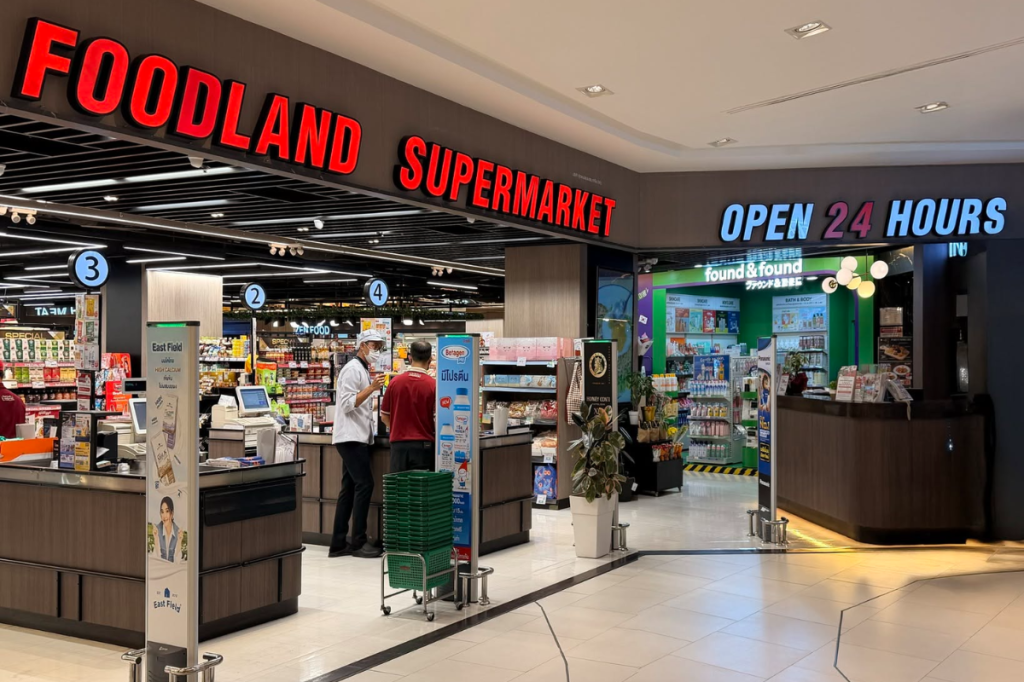
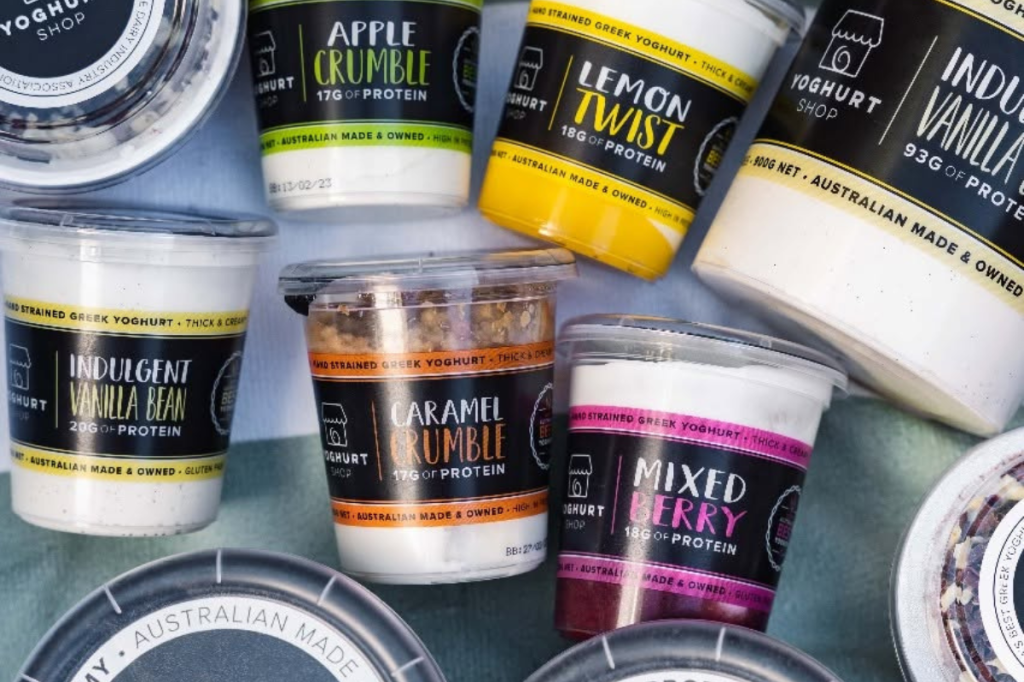
Not just any yoghurt, either. Premium SA brand The Yoghurt Shop is winning over shoppers in Thailand, where its artisan products – especially the vanilla bean flavour – are flying off supermarket shelves. Sales in the country have jumped almost 300 per cent in early 2026 compared with the same time last year.
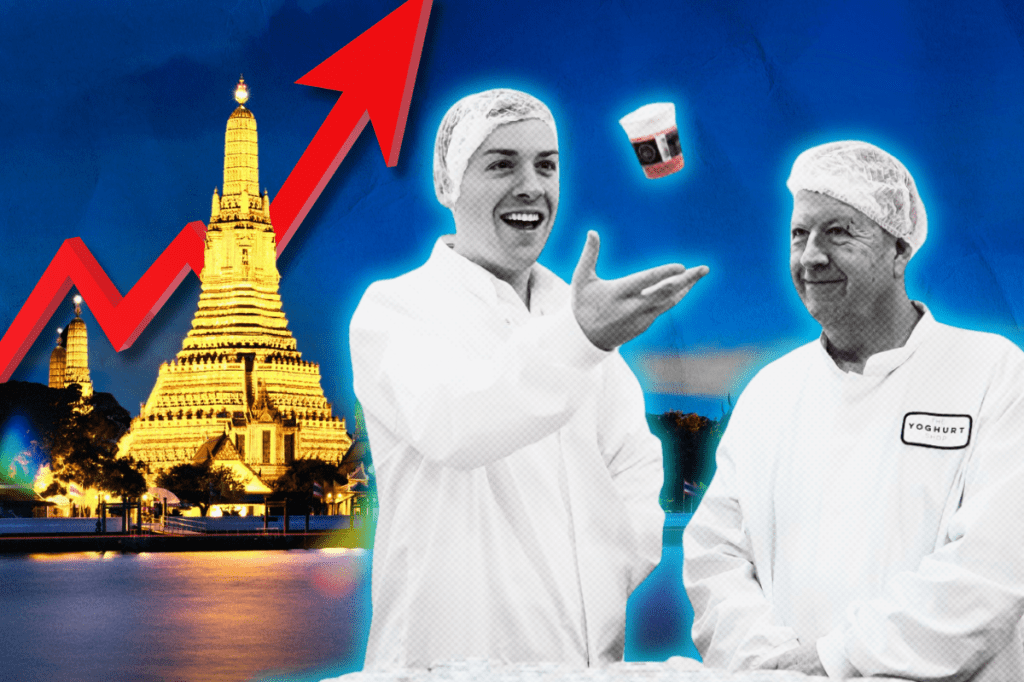
It’s just one of the South Australian businesses making a mark in Southeast Asia – a region shaping up as one of the most important markets for our state’s future, where what SA sells is already worth $3.7 billion a year.
The Yoghurt Shop began as a single stall at the Adelaide Central Market in 2003 and now ships to 14 countries, including Brunei, Thailand and Singapore.
As well as yoghurt, our wine is landing in the region – and SA makes 80 per cent of Australia’s premium wine.
And those names you’ve grown up with – like Beerenberg and Bickford’s – are also proving popular, along with SA honey, olive oil and seafood. Together, they’re ensuring Brand SA’s growth in the region.
“Those who know South Australia in SE Asia know us for the quality, the premium nature of the product,” says Tim White, executive director for trade and international at the Department of State Development. “You walk into a meeting with a key industry player and they say, ‘We want to work with you, you’re our preferred partner’ – and it’s because of the quality and the safety of what we offer.”
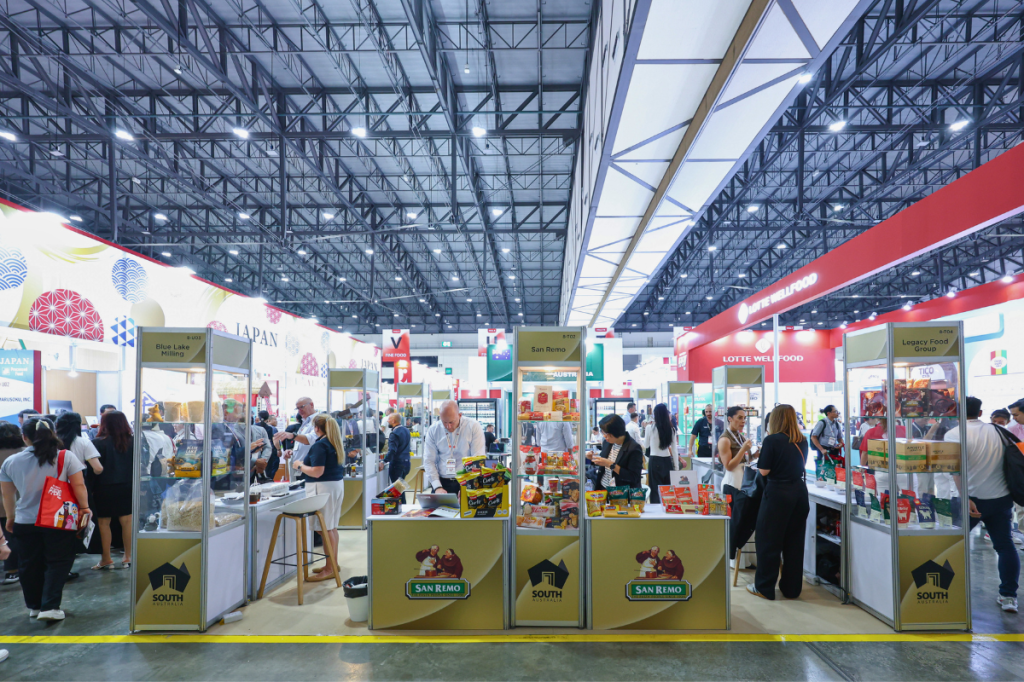
Why this region is so vital
SE Asia is a cluster of countries directly to our north and north-west – think Singapore, Malaysia, Thailand, Indonesia, Vietnam and their neighbours. And it’s not just about this area’s geographic proximity.
“There are 700 million people in the region, and it’s one of the fastest-growing economies in the world,” Tim says. “It’s going to be the fourth-largest economy on the planet by 2040. And it’s youthful – a young, aspirational population looking to improve their lives.”
That rising middle class is the engine. Young people moving to the cities, earning more, living on their phones, and spending on exactly the kind of premium food and wine SA is so good at.
Education is a big part of the picture too – thousands of students from the region come to study at Adelaide’s universities each year, with Vietnam, the Philippines and Indonesia among the biggest sources.
“It adds to the cultural mix and community here,” Tim says. “And as incomes rise, you see real demand for more protein – dairy, red meat – and for healthy, functional foods. That’s exactly why the team at The Yoghurt Shop are having so much success.”
Not every market is at the same stage. Singapore and Malaysia are mature and well-established; Vietnam and Indonesia are the fast-growing frontier – which is why SA is opening a new trade office in Ho Chi Minh City to chase those opportunities.
And the single biggest thing SA sells to the region isn’t food at all. It’s copper.
“Copper is the electrification of industry – it goes into EVs, into renewable energy projects, bringing down the carbon footprint across whole industries,” Tim says. “We’re one of the largest producers in the world, and it’s growing fast. Strategically, it’s the greatest asset we’ve got.”
It goes both ways
But this isn’t just a one-way street. SA isn’t only selling to the region – it’s building a partnership with our closest neighbours, and that matters for our own food supply too.
Tim’s favourite example runs in a full circle, and it ends somewhere very familiar.
“One of our largest imports from Indonesia is fertiliser, which goes into growing wheat here in South Australia.
“That wheat is then our second-largest export back to Indonesia, where partners use it to make noodles – think two-minute noodles. Those noodles get exported back to Australia, where they’re eaten by uni students in Adelaide. That’s the whole two-way value chain in one go.”
It’s also about being a steady neighbour at a jumpy moment for global trade.
“They’re a net food importer as a region, so they’re looking for reliable partners.
“When they look at us, they see a country committed to open trade, premium product, and we’re close – our product gets to market quickly. More than ever, that matters.”
Why Thailand fell for the yoghurt
Back to that vanilla yoghurt. Part of why it’s taken off is that what we’d recognise as yoghurt barely exists over there.
“In Asia, yoghurt is a drinking yoghurt – very thin,” says Brandon Reynolds, The Yoghurt Shop’s CEO. “So, when people try our product, it’s something different. The vanilla bean flavour is flying off the shelves. Here, vanilla bean can seem a bit plain. Over there, real vanilla through a thick yoghurt is just something they don’t have.”
There’s another reason too, and it’s about those international students.
“A lot of young Thais study here and integrate with Australian culture – the food scene becomes part of their identity,” Brandon says. “When they go home, they don’t want to miss that. A product like ours becomes a really emotional touch point. It tastes good, but it’s also nostalgia they can take home and introduce to their families.”
The reach goes further than you’d think – through its Thai distributor, the yoghurt now gets sold on into Cambodia and Laos, well beyond the bigger markets.

How a local business actually breaks in
The state government supports SA businesses to break into SE Asia with a network of support programs. TradeStart, run together with the federal government, puts advisers on the ground with exporters, backed by an in-market team across the region – and Brandon credits them with a lot.
“They’re not going to tell you how to run your business,” he says. “But if you’re ambitious and have a product you want to send to the world, they’ll sit down opposite you and say, ‘Where are you at? Where do you want to go?’
“They open doors. My advisers have travelled the world with me.”
Having the state visibly behind you, he says, changes how you’re received.
“You get to skip the first five stages of trust-building. If you’ve got runs on the board and you do it well, you can take your products everywhere.”
And nearly all of it is still made here – The Yoghurt Shop products use South Australian dairy milk, Anzac biscuits from Kytons, Misty’s salted caramel, even South Australian-made packaging.
“When a box lands on the other side of the world, it’s almost all made here – right down to the box itself and the tape.”