


From fake lunar dust to Moon mission rehearsals, South Australia is helping shape the future of space exploration. Australian Space Week is your chance to see it up close.
At Adelaide University, researchers are rehearsing life on the Moon.
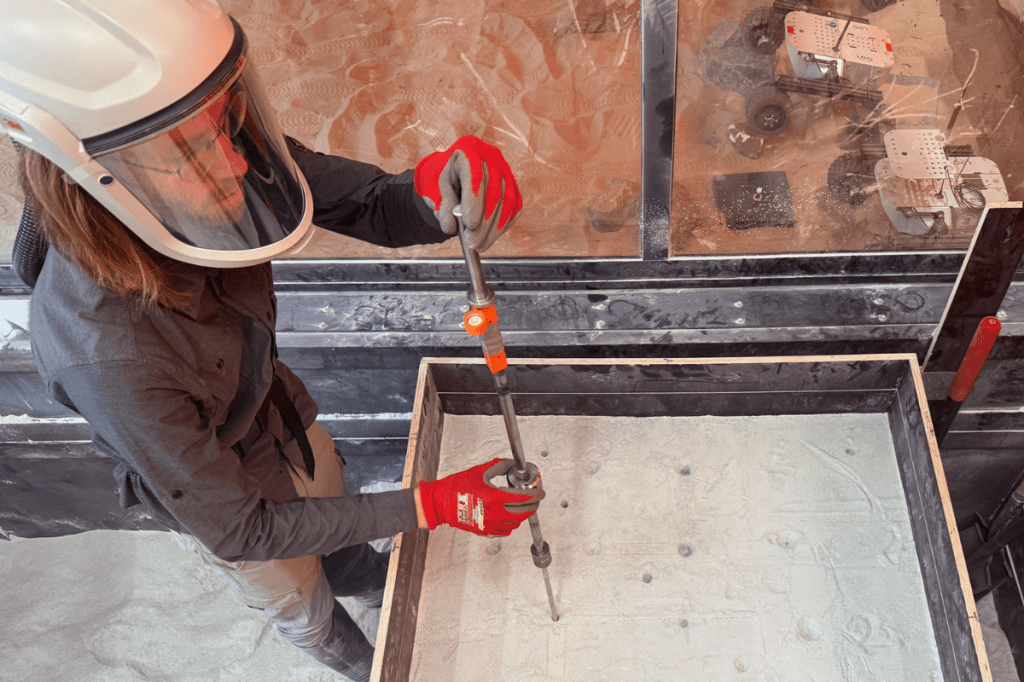
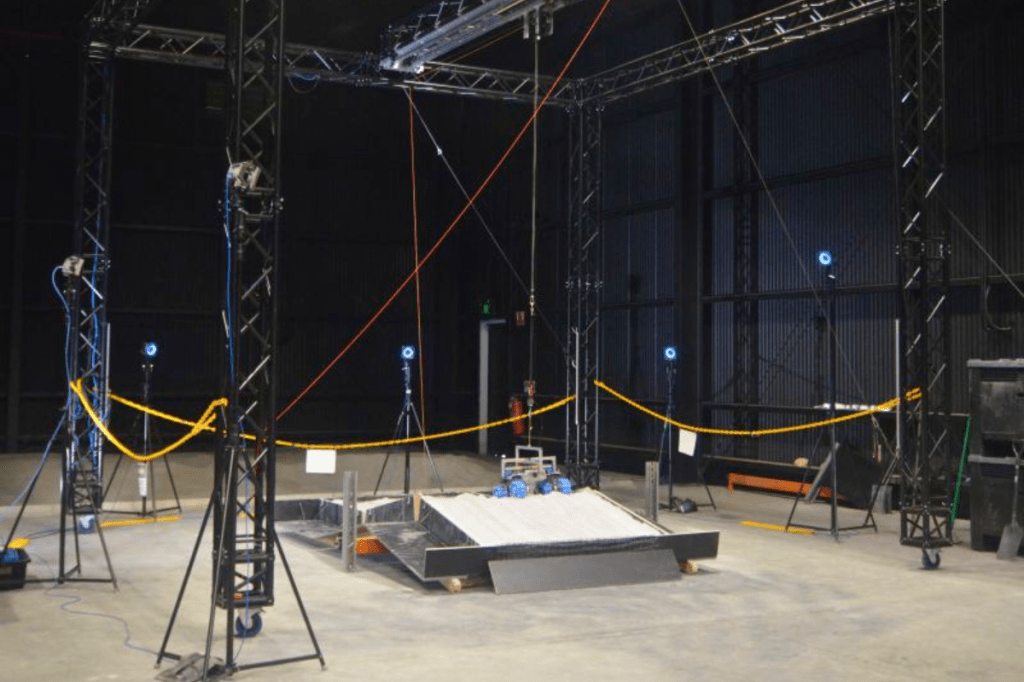
They’ve built pits of fake lunar dust – as sharp, abrasive and weirdly staticky as the real stuff, which chewed through equipment on the Apollo missions – and they’re using it to test rovers and trial building materials.
Meanwhile, crews run “analog” missions in the uni’s lab, living and working in tents as if they’ve already landed.
That’s South Australia. You might not think of it as a space powerhouse but NASA does – and from 20-27 July, during Space Week, you can see why for yourself.
Why they call us the space state
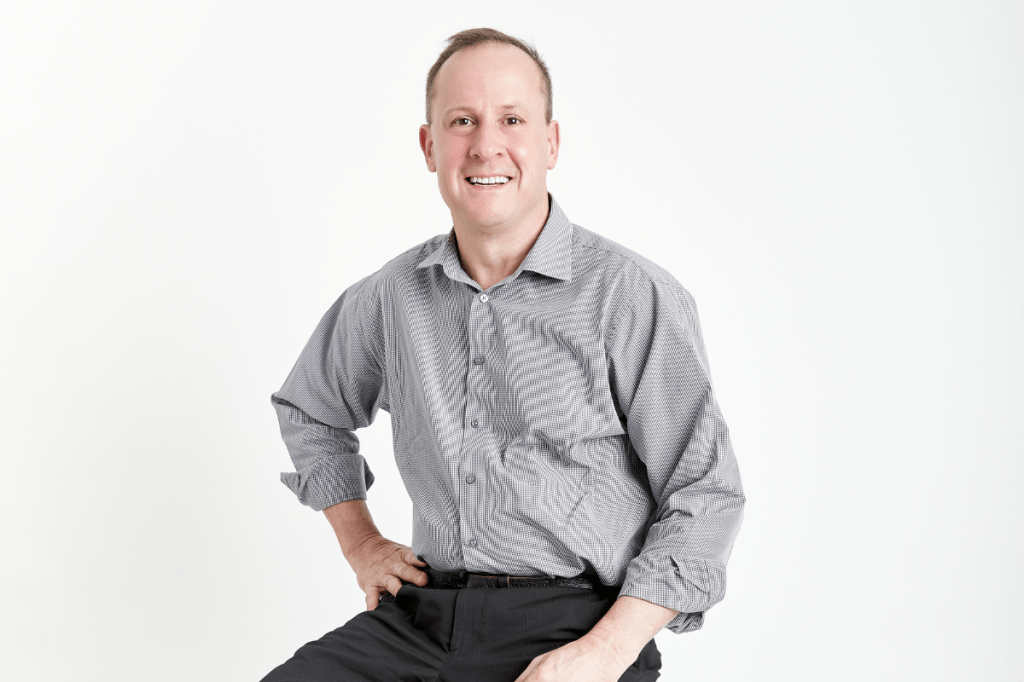
“NASA doesn’t have a lot of sites in the southern hemisphere,” says Peter Nikoloff, Chair of the Andy Thomas Space Foundation. “This is where our geography really plays a great role.”
Back in the 1960s, when John Glenn became the first American to orbit Earth, his capsule passed right over Woomera, and the tracking gear built there helped keep him in contact with ground control.
This April, an Adelaide company called Southern Launch did the modern version, tracking the crewed Artemis II mission from the Koonibba Test Range near Ceduna.
The Australian Space Agency has been based in Adelaide since 2018, along with the country’s first mission control centre, more than 100 space-related organisations and Australia’s first two licensed launch sites.
The Agency’s arrival at Lot Fourteen drew others in, and state government’s leadership through the South Australian Space Industry Centre (SASIC) has kept momentum growing.
Today the state’s space sector has built an enviable reputation, with new entrants and partners attracted for a range of reasons.
“Geography is a big one, but we’ve got the ecosystem, we’ve got the people, the skills, and the infrastructure now to support these types of missions,” Peter says.
“People from interstate come and they can’t believe how well we’re linked,” he says. “A lot of the industry know each other and help each other out.”
Not a cottage industry
In May, a capsule carrying NASA gear dropped back to Earth – the fourth to land in SA in just over a year. Nobody else in the southern hemisphere is bringing capsules back this often.
In Adelaide, small space startups have the backing and the frameworks to take off.
“Some of these companies are getting investment capital of $20 million-plus, and then growing from staff of a handful to 10, 20, 30, 40 or more,” Peter says. “That’s just been amazing.”
The SA Government-funded program, Venture Catalyst Space, has just onboarded its newest cohort, with eight homegrown space startups selected for the business accelerator program.
The startups are tackling some of the most complex and often overlooked challenges – from how to manage menstruation in space to using space-enabled data to improve climate risk decision-making.
Meanwhile, our space industry’s next big project is already taking shape.
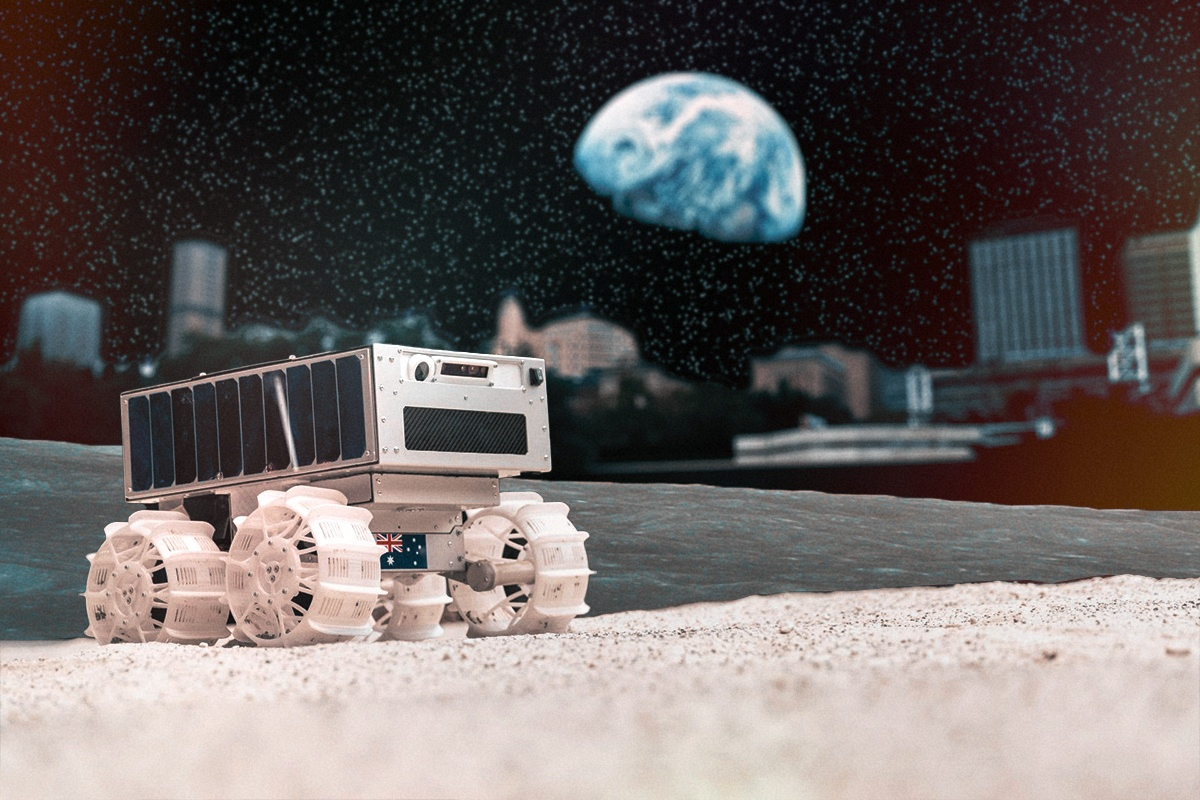
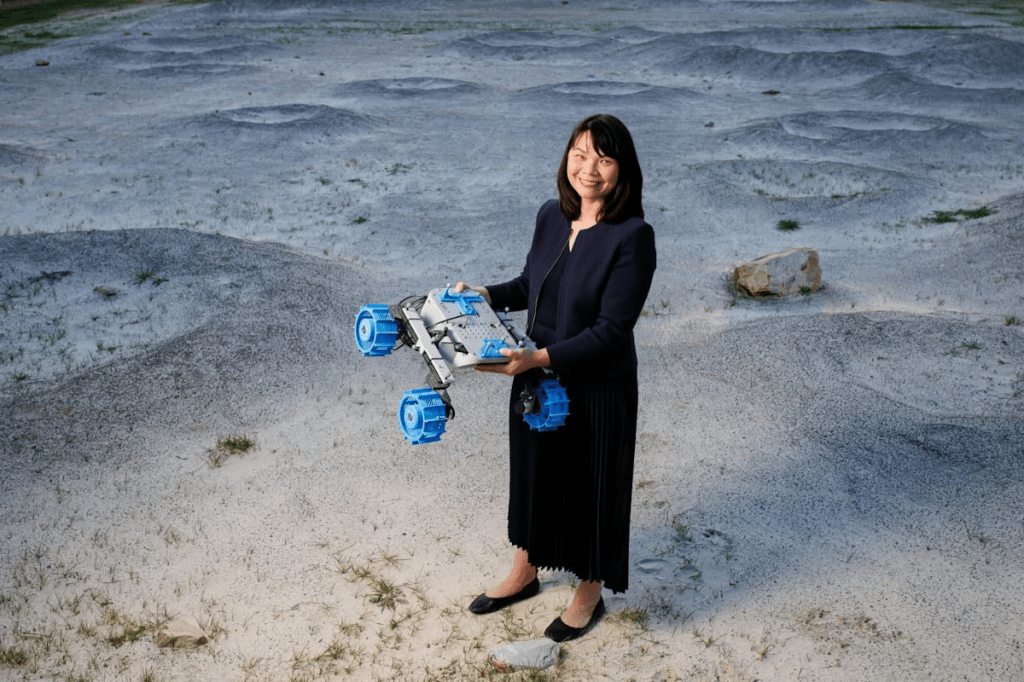
A little Australian lunar rover – yes, it’s called Roo-ver – is due to head to the Moon with NASA in 2030 – and that fake-Moon lab at Adelaide University is helping get it ready.
Adelaide researchers are also part of a global team working out how to grow the first plants on the lunar surface.
Peter says it’s an exciting time for the industry. “All this stuff is just growing our high-tech workforce.”
You’re already using it
Space isn’t some far-off thing. Every time you tap your card to buy a coffee, you’re using space.
Darcey Watson, CEO of the Andy Thomas Space Foundation, says satellites are the tech behind your weather forecast, your phone, and the precise GPS timing that keeps banking and mobile networks ticking.
“When you realise the role that space plays in everyday lives, from the moment you wake up to the moment you return to bed, space is not a ‘nice to have’, but an enabler for safety, stability and comfort,” Darcey says.
Australia currently relies on other countries for about 95 per cent of its satellite services – but a growing share of the work to build our own capability is happening in SA.
Space careers launching close to home
For a long time, if you were a South Australian kid who wanted a career in space, you left.
Andy Thomas – the astronaut the Foundation is named after – moved to the US to join NASA and became a US citizen because that was the only way in.
Not anymore: Katherine Bennell-Pegg, the 2026 Australian of the Year and the first person to qualify as an astronaut under the Australian flag, built her early career overseas alongside her husband, space engineer Campbell Pegg. When the industry took off back home, they returned to Adelaide.
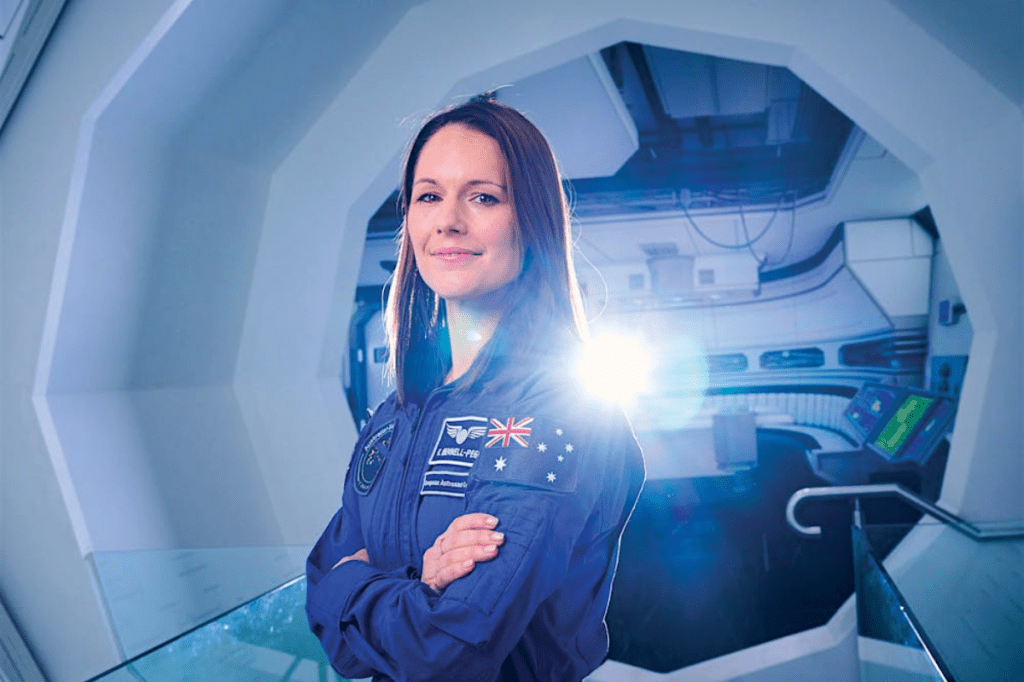
Today Katherine is helping inspire a new generation of young Australians to pursue careers in STEM and space.
And you don’t need to be a genius to get a start.
“I struggled – I had to work really hard to get through university,” Peter says. “But just with passion and drive, and dedicating your life to a certain area, such as space, it’s amazing what that can do.”
The jobs are broader than most people expect, too.
“Space isn’t just for engineers and scientists – there’s a whole lot of other roles,” Peter says. “There are jobs as technicians, lawyers, as well as in trades.”
And a STEM start doesn’t box you into space, either.
“Once you’ve got that foundation, you can spin off,” Darcey adds. “You could get involved in building nuclear submarines or naval ships with those skill sets, and there are massive opportunities in South Australia in this sector too.”
Three ways to jump in this month
It’s Australian Space Week this month, and three events are worth putting in your calendar.
If you’ve got kids – or you’re a curious big kid – Space Day Out is a free, family day at the Australian Space Discovery Centre at Lot Fourteen on Sunday 19 July. Katherine Bennell-Pegg is speaking and sticking around for a meet-and-greet, and while that’s already sold out, you can still see Roo-ver itself on display, and enjoy a pile of hands-on activities.
The next morning brings the Space Community Town Hall at Lot Fourteen – usually a quarterly catch-up for the local industry, but this time it’s a special Space Week edition. You can hear from high-profile visitors, connect with people working in the sector, and get a sense of where SA fits in the global space economy. It’s a proper town hall, too – no lectures or panels, just an open room run by the South Australian Space Industry Centre and startup hub Stone & Chalk.
If you’re a student or thinking about a move into space or STEM, the 19th Australian Space Forum is the one not to miss. It runs on 21 and 22 July at the Adelaide Convention Centre, with two days of speakers, industry exhibitions and the kind of room where you can meet the people who actually do the hiring. Katherine Bennell-Pegg is the keynote speaker, followed by a lineup of national and international experts. Tickets are cheap for school and uni students – in fact there’s a Space Passport program specifically for students, teachers and parents – and Peter wants them there.
“We try to encourage as many of those kids to come along, and it helps them look at where they want to go in their careers,” he says. “They can look at various industry players and see what’s happening.”
Find out more about 2026 Australian Space Week events.