



A few kilometres over the speed limit might not seem like a big deal, but it can have serious consequences. SA Police explain why small decisions matter – and how to stay safer on the roads this summer.
Running late to meet your mates? Heading down to the beach for the weekend? Or setting off on a long-awaited summer road trip?
Whatever your plans, getting there safely should be the priority. And that means paying attention to some driving habits you might not think twice about.
SA Police’s latest road safety campaign, What will your speeding cost you?, targets motorists who travel just 10-14km/h over the speed limit.
The campaign challenges the idea that going a little over the limit isn’t particularly dangerous, showing how one decision can have consequences far beyond a speeding fine.
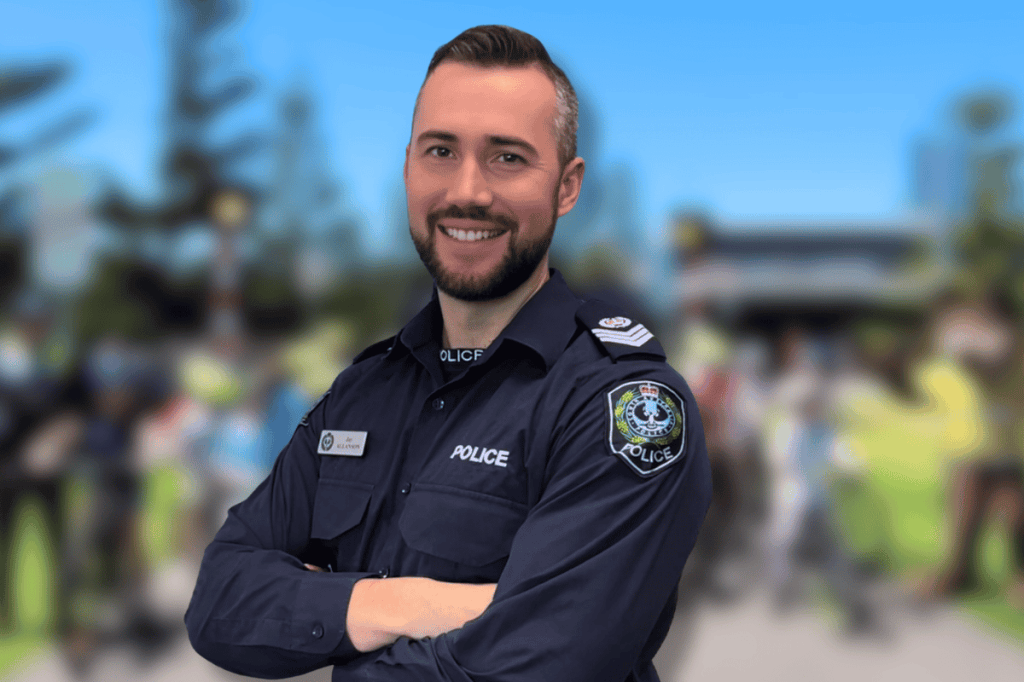
Acting Inspector Jay Allanson, from SAPOL’s Traffic Services Branch, says it’s a risk too many motorists underestimate.
“People often think a small increase in speed is harmless, but even modest speeding reduces the time available to react and significantly increases both stopping distance and crash severity,” he says.
“Speed is something every driver can control, and when things go wrong on the road, a few kilometres an hour can be the difference between a near miss and a fatal crash.”
Why an extra 10km/h matters more than you think
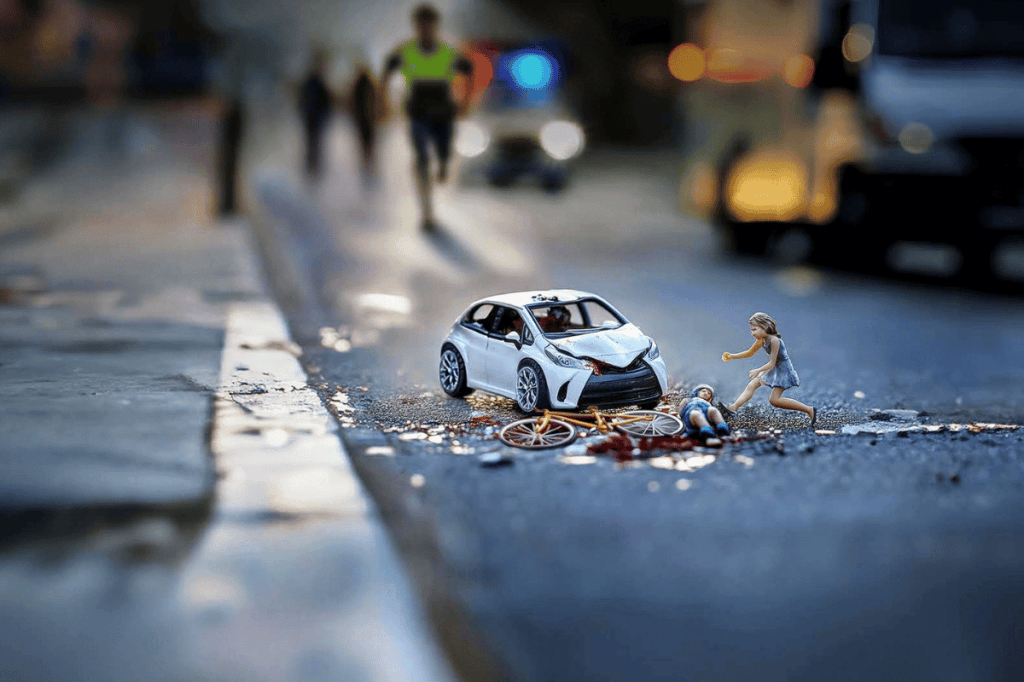
Say you’re driving along at 60km/h when a pedestrian suddenly steps onto the road.
You hit the brakes. But your car doesn’t stop immediately.
First, there’s the distance you travel while your brain registers what’s happening and you react. Then there’s the distance your car travels while braking.
At 70km/h, you’re travelling further during both stages, meaning you could hit something you’d otherwise have stopped in time to avoid.
“Whether it is a child crossing the road, a pedestrian, wildlife or a vehicle pulling out unexpectedly, those extra metres can be critical,” Jay says.
“Speed also increases crash forces, making serious injury or death much more likely when a collision occurs.”
According to SA’s THINK! Road Safety website, driving 10km/h over the limit in a 60km/h zone makes you four times more likely to be involved in a crash causing injury or death.
And the time you save by speeding? Often surprisingly little.
Even over a 100km journey, travelling at 110km/h instead of the 100km/h speed limit saves you just five and a half minutes. That’s assuming constant speeds, too. In reality, traffic and other delays could make the saving even smaller.
Summer holidays bring extra risks
Longer days, Christmas parties, beach trips and regional getaways mean plenty of South Australians will be spending more time on the road over the coming months.
But the holiday period also brings more traffic, longer journeys and social events where alcohol might be involved.
Jay says police are particularly concerned about the behaviours known as “the Fatal Five”:
- Speeding: Reduces reaction time and increases the force of a crash.
- Drink and drug driving: Impairs judgement, coordination and reaction times.
- Distraction: Takes your attention away from driving, even for a second or two.
- Dangerous driving: Includes tailgating, unsafe overtaking and running red lights.
- Not wearing a seatbelt: Greatly increases your risk of serious injury or death in a crash.
These behaviours are consistently identified as major contributors to deaths and serious injuries on SA roads.
And when you add fatigue, unfamiliar roads and heavy holiday traffic into the mix, there’s even more reason to take care.
Your passengers could be distracting you
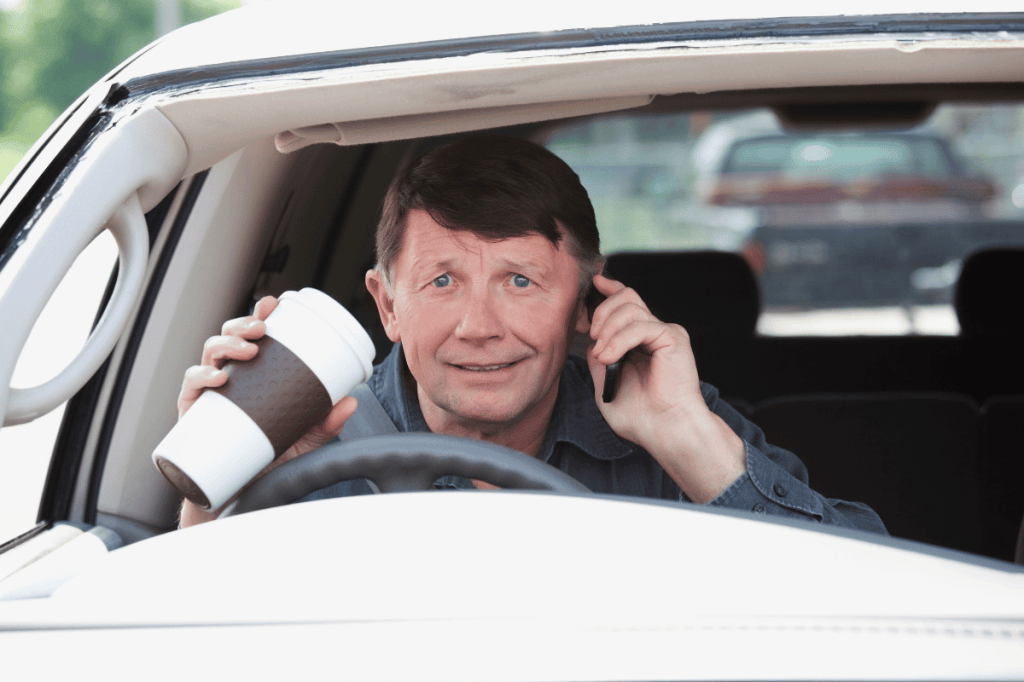
We all know using a mobile phone while driving is dangerous. But it’s far from the only thing that can take your attention off the road.
Ever fiddled with Spotify, changed your navigation settings or turned around to talk to someone in the back seat?
Jay says even seemingly harmless activities can be dangerous.
“Any activity that takes your eyes off the road, your hands off the wheel or your mind off driving increases crash risk,” he says.
Other distractions include eating, drinking, looking at roadside incidents, reaching for something inside the car and even applying makeup.
And for younger drivers, having a car full of friends can be a particular distraction.
The message? Sort out your music and navigation before setting off, and keep your attention on driving.
Planning a road trip? Don’t forget the breaks
Whether you’re heading to Yorkes, Clare, the Murray, or somewhere further afield, longer drives need a little more preparation.
Fatigue is one of the biggest risks, particularly on long stretches of regional road where there’s not much to keep your brain engaged.
“Other risks include speeding, distraction, wildlife, overtaking and unfamiliar road conditions,” Jay says.
His advice before setting off is straightforward:
- Check your car: Make sure your tyres, lights and windscreen wipers are in good condition.
- Get enough sleep: Start your trip well rested.
- Plan regular stops: Take a break at least every two hours, and stop sooner if you’re feeling tired.
- Share the driving: Swap drivers where possible.
- Check the conditions: Look at the weather and any road warnings before leaving.
- Allow extra time: Don’t put yourself under pressure to make up lost time by speeding.
If you’re a newer driver, make sure you understand your licence conditions, particularly for higher-speed roads.
As Jay puts it, “arriving a little later is always better than not arriving at all”.
The speed limit isn’t always the safest speed
One final thing worth remembering: just because a road has a 100km/h speed limit doesn’t mean it’s always safe to travel at 100km/h.
Wet roads, fog, glare from the sun, heavy traffic and wildlife can all mean you need to slow down.
“Driving to the conditions means adjusting your speed and driving behaviour to suit the environment around you, not simply driving at the posted speed limit,” Jay says.
“The speed limit is the maximum legal speed, not always the safest speed.”
That means leaving extra distance between vehicles, slowing down when visibility is poor and being prepared for unexpected hazards.
If conditions become too dangerous, pull over somewhere safe and wait until it’s safe to continue.
One decision can change everything
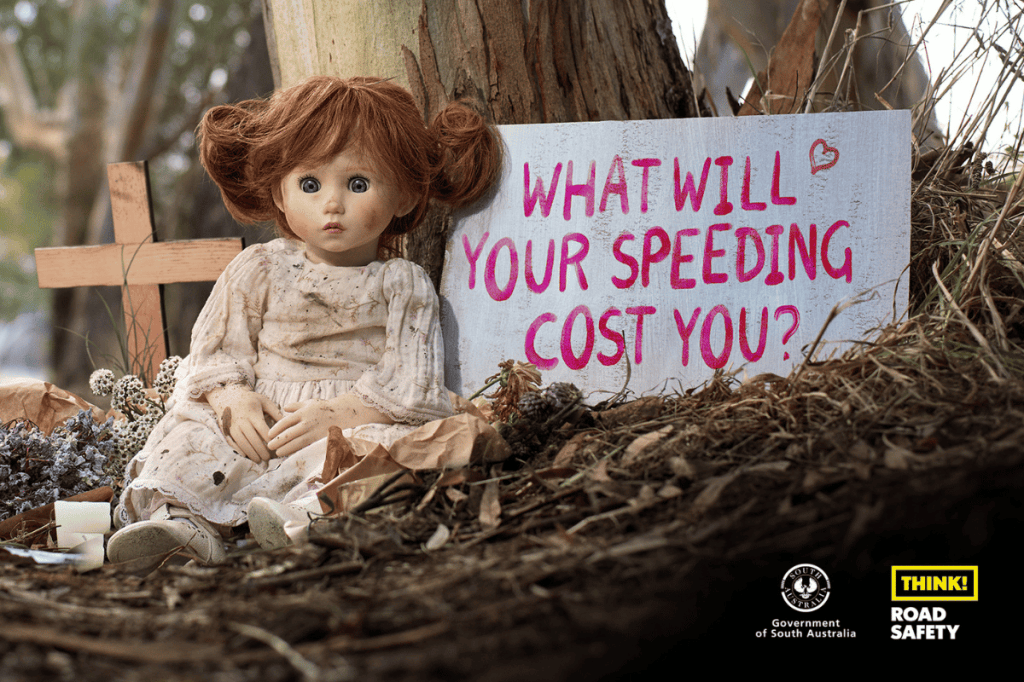
SAPOL’s new campaign, which launched in October, uses a child’s doll at a roadside memorial to tell the story of a driver dealing with the consequences of a crash.
It’s a reminder that the consequences of dangerous driving extend well beyond the person behind the wheel.
“Every decision you make behind the wheel matters,” Jay says.
“Whether it’s slowing down, putting the phone away, wearing a seatbelt or planning a safe way home, small choices can save lives.”
You can watch SAPOL’s What will your speeding cost you? campaign here, and find more driving tips on the THINK! Road Safety website.