


The city’s iconic food destination is set to double in size, with more than 120 businesses planned alongside new places to stay, work and gather. Here’s how the Market plans to grow while keeping its character.
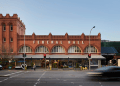
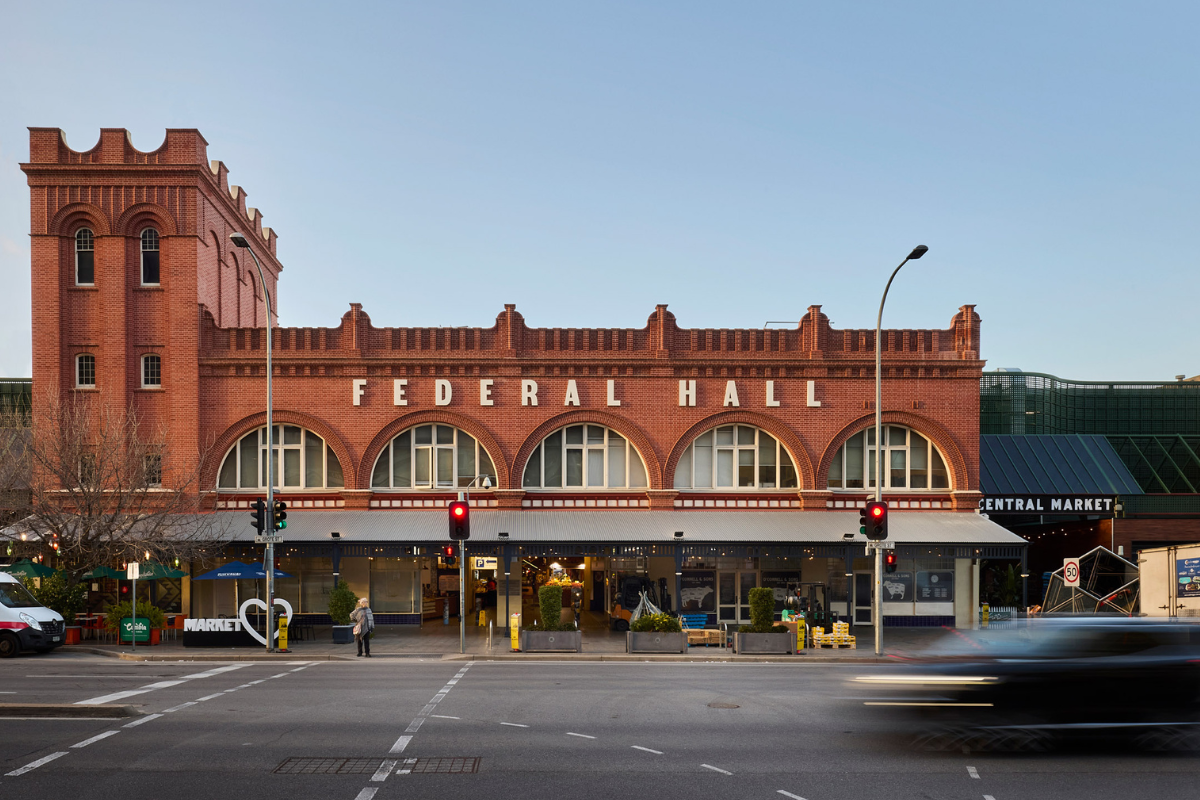
More than eight million people visit Adelaide Central Market each year.
And that’s set to grow to more than 10 million with the $600 million Market Square Redevelopment.
Already the largest undercover fresh produce market in the southern hemisphere with more than 70 traders, the expansion will see the Market double in size to more than 120 businesses.
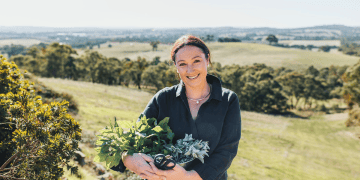
Adelaide Central Market General Manager Fabienne Reilly says it’s a major new chapter.
“The new redevelopment is a great chance for city growth,” she says. “And the Market will remain what it’s always been – the food hub of South Australia.”
Famous SA businesses like Rohde’s Free Range Eggs, Red Cacao and Never Never Distilling Co. are among the new tenancies that will call the Market home.
There will also be a 248-room hotel, 231 apartments, offices for more than 750 employees and a 3000sqm outdoor terrace space.
“What’s most important for us is that we preserve everything that makes the Market so loved – the unique atmosphere, the authentic shopping experience, the focus on amazing food and a sense of community.”

Why our Market is among world’s best
Earlier this year, the Adelaide Central Market was ranked the third-best food market in the world, beating famous markets in Paris, Valencia and New York.
Fabienne says the world ranking isn’t a surprise so much as a reminder – especially for locals.
“The character of our market comes from being a great melting pot,” she says. “It’s a mix of hyper-local and multicultural. It reflects our diverse migrant communities. It’s relaxed, but with a really high standard of quality.”
Her tip for anyone who hasn’t been in a while is to walk in with all your senses switched on.
“We often think shopping can be a chore, but the Market is a great sensory experience. It’s good for the soul.”
Where Adelaide shows up
Friday nights were voted Australia’s favourite food experience in the 2025 delicious100 awards. With live music from 6pm and trading until 9pm, these evenings put the fun in grocery shopping.
“You can shop, but you can also dine,” Fabienne says. “You can go with loved ones. You can listen to music, entertain the kids, hang out. It’s a perfect place for a wander.”
Saturday is for taking your time. Fabienne says her perfect Market morning is less about a strict plan and more about following your nose: coffee and breakfast at Atlas Continental, cheese tasting at Smelly Cheese, traditional sweets at Turkish Delights, then stocking up on fruit and veg for the week.
“By the end of it, a lot of people who haven’t been here for a while are thinking, ‘Why have I not been here for so long?’. It’s like re-reading a really good book. You just feel recharged.”

And soon the Market will open on Sundays too.
“Our expanded footprint and extended trading hours are a direct response to what South Australian shoppers are telling us they want. More hours and more opportunity to experience the very best of South Australia’s local produce, food and hospitality.”
Here are four stalls regulars know to head for:

Saudade: The tart people queue for
If you’ve ever walked past the Grote Street entrance and noticed a queue, that’s Saudade. Their pastel de nata – Portuguese custard tart – has built a following so loyal that visitors keep asking them to open in Melbourne.
“Many visitors, including locals, often tell us our pastéis de nata are as good as, if not better than, the ones they have tried in Portugal,” says Miguel Alemao from Saudade.
His order for a first-timer? A “nata” with a dusting of cinnamon and a coffee.

Les Deux Coqs: Pastries on one side, pâté on the other
Les Deux Coqs is run by Alexis and Audrey, who took over the business from its French founders in 2025. There, you’ll find glossy tarts on one side, terrines and pâté en croûte on the other.
“Visitors are often intrigued when they see a traditional-looking French store inside the Market,” Alexis says. “At first, it can seem like an unusual combination, but it really works. From appetisers and charcuterie to pastries and desserts, we have something for every part of the meal.”
The best-seller is the duck mousse. If you’ve got a sweet tooth, try the canelés, crème brûlée or lemon meringue tart.

House of Health Collective: The four-stall secret
If you’re trying to cut back on single-use plastic, the House of Health Collective is the easiest place to start. Its four stalls make up one of the longest-running certified organic operations in the country, and bring-your-own-container shopping is built into how the whole thing works.
“Buy what you need, bring your own container, skip the packaging,” says Chester Frank, who runs the Collective with his brother Rob Jnr. “Bulk buying is one of the most cost-effective ways to shop. It’s cheaper than people think and the quality difference is immediate.”
The bulk section lets you scoop the quantity you need of oats, rice, nuts, lentils and dried beans. The refill stations work the same way for liquids: pour your own oil, nut butter, or even liquid soap into your own jar.
The Collective stocks plenty of less expected items too, like ceremonial cacao, adaptogenic mushroom blends, wild-caught seafood, artisan ferments and raw honey.

The Olive Tree: A cellar door in a market stall
If you’re buying ingredients for dinner and want to match the right wine, Paul Bratovic is your man. He’s been at the Market for more than 25 years and Stall 61 – The Olive Tree – stocks only South Australian wines, so his staff can talk you through the regions, the producers and exactly what to pour with whatever you’ve just picked up from the seafood or charcuterie counters.
You can also BYO(E)B – bring your own empty bottle. The Olive Tree refills high-quality Clare Valley olive oil and Bleasdale Tawny.
And most Friday nights The Olive Tree pours free wine tastings from visiting South Australian producers.