



As cocaine use becomes more common in SA, police have added it to the roadside drug testing scheme. Here’s a rundown on the changes.
Cocaine has been added to South Australia’s roadside drug testing regime – just in time for the festive season. But far from a move designed to rain on your party parade, it’s all about saving lives this summer – and beyond.
With drug driving now more common than drink driving among younger South Australians, SA Police says it reflects a changing culture – and a reminder that drugs and driving don’t mix.
We spoke to a top traffic cop about how the new test for coke reflects a generational shift in SA’s driving culture, and what you need to know before you get behind the wheel.
The inside perspective
Senior Constable First Class Peter Thompson has been with SAPOL for 40 years, and helped set up roadside drug testing in SA when it was first introduced nearly two decades ago.
That means he’s perfectly placed to talk about how it’s shaped driver behaviour and changed attitudes over time.
“I’ve been right through the whole lot… and I’ve seen that it works – particularly as a deterrent,” he says. “The change is gradual, but it’s effective.”
As of 1 November, police can now test drivers for cocaine at the roadside – not just THC (the active ingredient in cannabis), MDMA (AKA ecstasy) and methamphetamine. It’s the first time cocaine has been detectable roadside in SA, without needing a blood test after a crash.
Senior Constable Thompson says anecdotal evidence shows cocaine use is becoming much more common in SA, making the testing “just a logical next step”.
There’s a reason cocaine is illegal – it can make people feel anxious or agitated, ignore pain, display violent or unpredictable behaviour or make risky decisions.
“It’s a stimulant, like methamphetamine – heightened alertness, overconfidence, risk taking – it has those elements… Cocaine has the ability to affect your driving.”
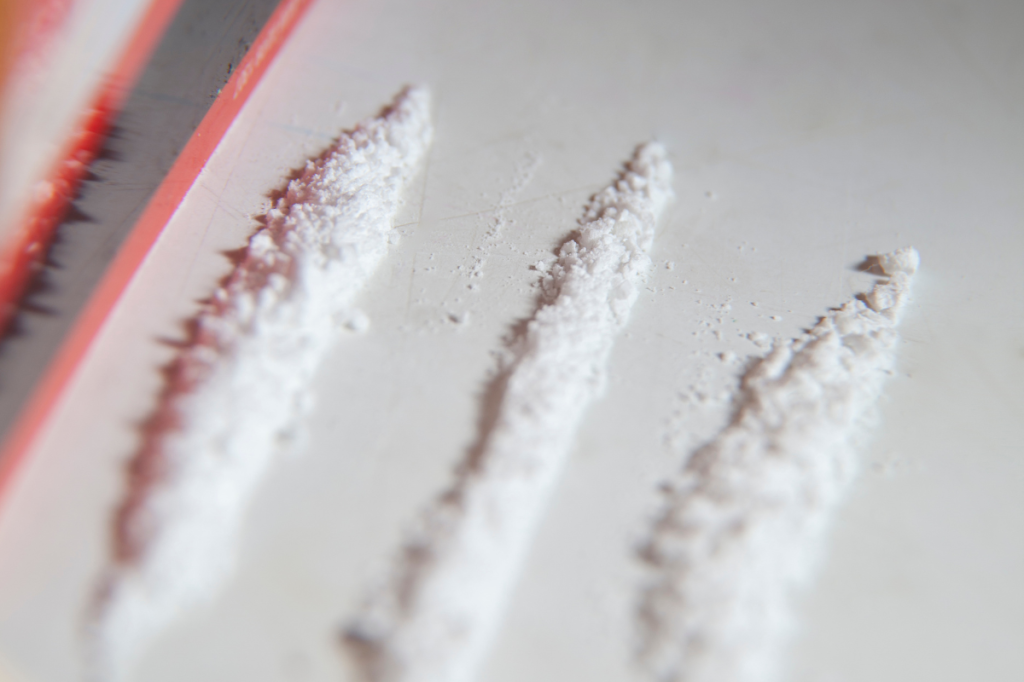
What happens if you’re stopped roadside?
Police will usually start with a breath test for alcohol, followed by a saliva swab to test for THC, methamphetamine, MDMA and cocaine. The breath test is almost instant, while the drug test takes around two minutes for a result.
If the swab returns a positive, police will issue:
- An on-the-spot fine of $875 (plus the victims of crime levy)
- An immediate disqualification from driving for three months
- A direction not to drive for 24 hours.
If you refuse the test, the penalties are worse – 12 months’ disqualification and a court conviction.
And if you do it again? Even if your first offence was drink driving (within five years) and the second is drug driving, they’re combined for penalty purposes.
“You’re off to court. You’ll get a conviction. You could lose your car,” Senior Constable Thompson says. “It gets steeper.”
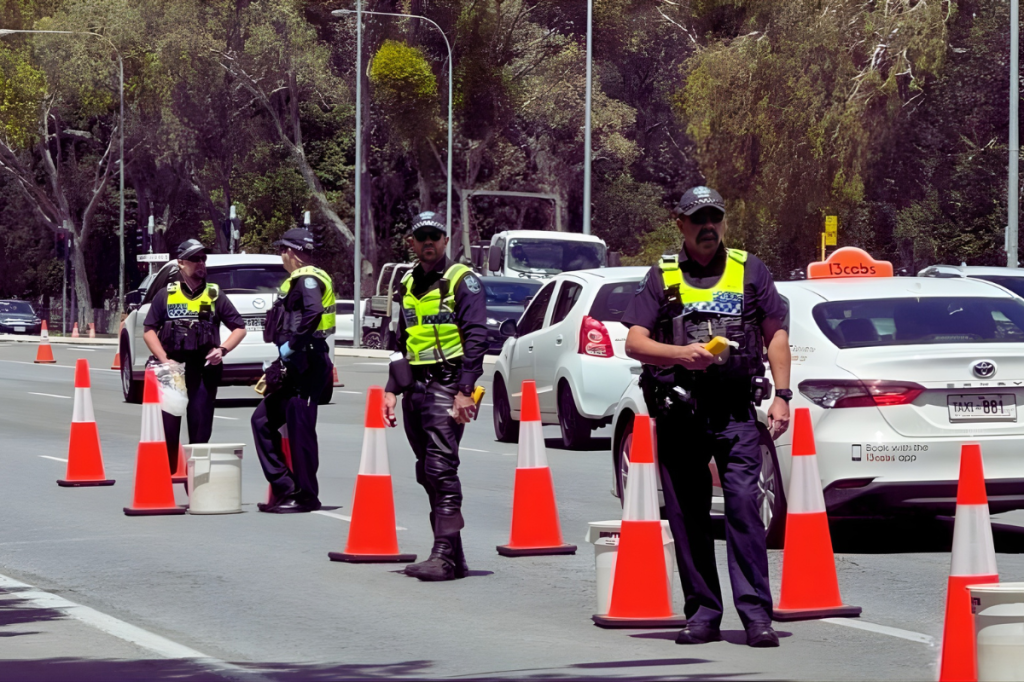
You might feel fine – but if it’s in your system, that’s enough
One of the biggest misconceptions Senior Constable Thompson still hears is that people think they’re safe to drive once the high has worn off – but that’s not how the law works.
“We’re probably looking maybe around 12 hours for effects,” he says. “But the drug could still be detected for up to 24 hours.”
That means someone could use cocaine at a party, sleep it off, and still test positive on the way to work the next morning.
“It’s different for everyone – your metabolism, your fitness, what you’ve eaten, whether you’re sick… all of that plays a role in how long it stays in your system.”
Because of how long drugs can stay in your system – even after the effects wear off – police issue a 24-hour ban from driving any vehicle if you test positive.
And unlike alcohol, where it’s legal to blow less than 0.05 as a driver on a full licence, the only legal amount of drugs in your system is zero.
“If the substance is present, you’ve committed an offence,” he says. “There’s no safe amount.”
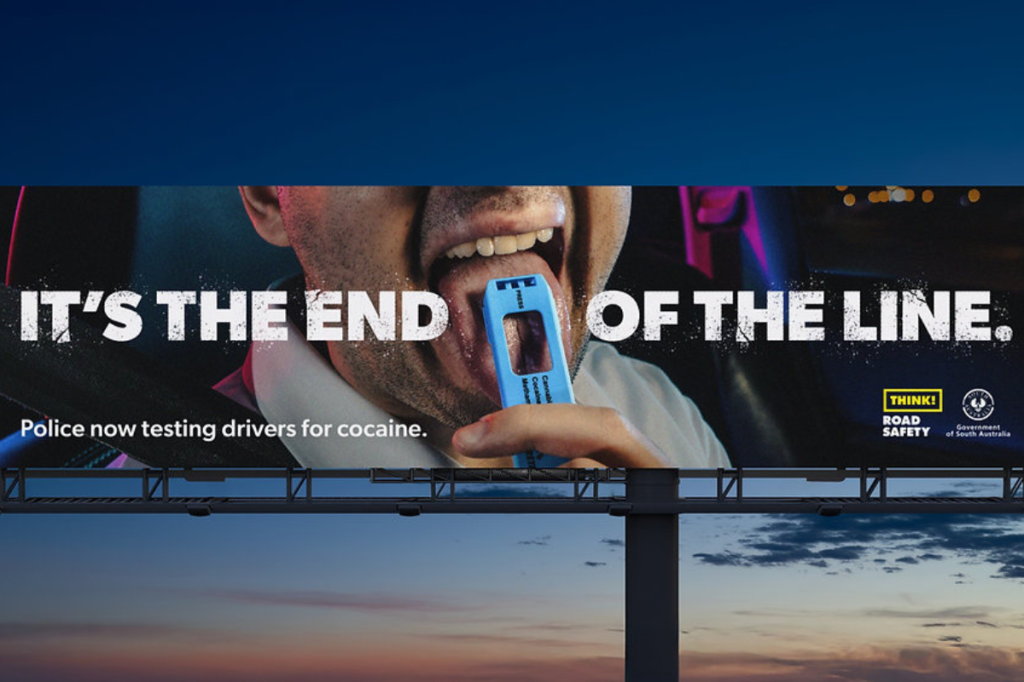
What the stats show – and why testing is expanding
You may have heard a friend try to write off roadside drink and drug testing as a ‘revenue-raising exercise’ – but Senior Constable Thompson is quick to call time on that myth.
“Drug testing was brought in as a road safety initiative,” he says. “It’s about deterrence, harm prevention… and saving lives.”
And the numbers back it up. So far in 2025, drug driving has been a factor in eight deaths and 76 serious injuries on South Australian roads. In 2024, it was even higher: 14 lives lost and 129 seriously injured.
Here’s the key shift: while drink driving has dropped, drug driving is now taking the lead – especially among younger drivers.
Over the past five years, more South Australians aged 16-40 were caught drug driving than drink driving – 11,286 compared to 10,339. And 72 per cent of those caught were men.
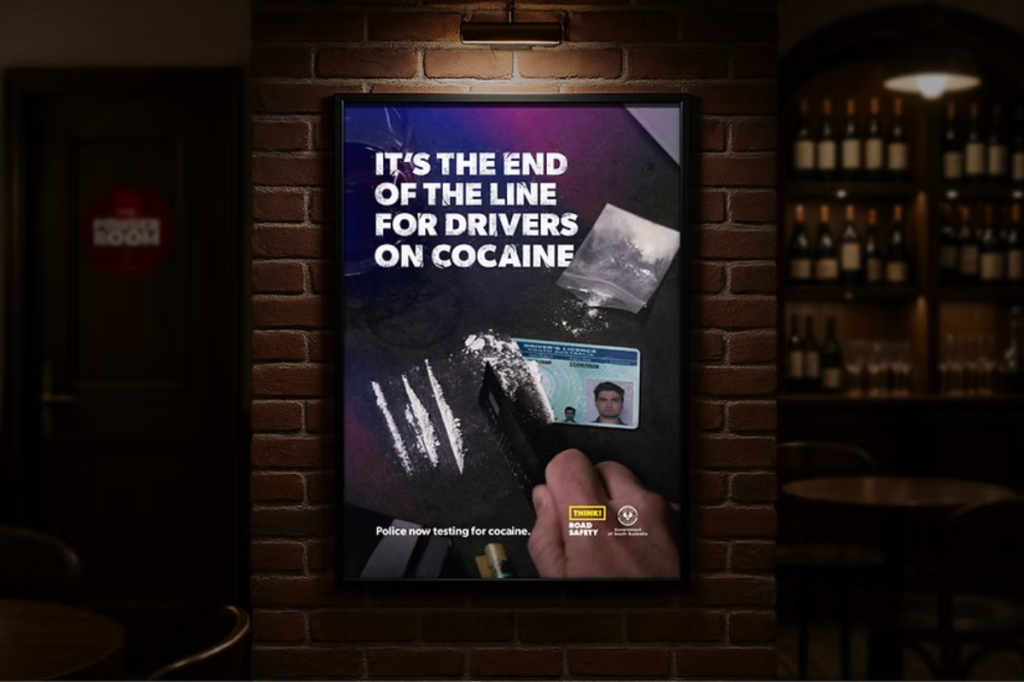
A system that works – and a culture that’s changing
The good news? Decades of breath testing have already shown us that roadside checks change behaviour.
“Particularly with younger South Australians, people have grown up through random testing,” Senior Constable Thompson says. “They expect to be stopped. It’s just part of driving now.”
“We don’t put our heads in the sand. We know these substances are out there in the community… we’ve seen cocaine being used in all kinds of circles – we just don’t want you driving a car.”
Senior Constable Thompson hopes that with roadside tests now covering THC, methamphetamine, MDMA and cocaine, the next generation will come to see drug driving the same way they see drink driving: something only an idiot would do.
“It’s a generational thing,” he says. “What you grow up with, you come to understand and comply with.”
Tips for a safer festive season
As summer parties ramp up, here’s what Senior Constable Thompson wants drivers to keep in mind:
- Don’t drive to the pub or club if you think you might drink or use drugs – leave the car at home from the start.
- If you end up using drugs, there’s no shame in leaving your car parked and finding another way home.
- Remember: if you test positive, police will issue a 24-hour driving ban – and that applies to any car, not just your own.
- Even if you feel fine, you could still test positive – especially with cocaine or meth in your system.
- Plan ahead: get a lift, grab a cab, crash at a mate’s place – just don’t risk it.
- Remember – drugs like cocaine are illegal for a reason. They impair your judgement and can lead to risky behaviour.
For more tips on driving safely, visit mylicence.sa.gov.au.