


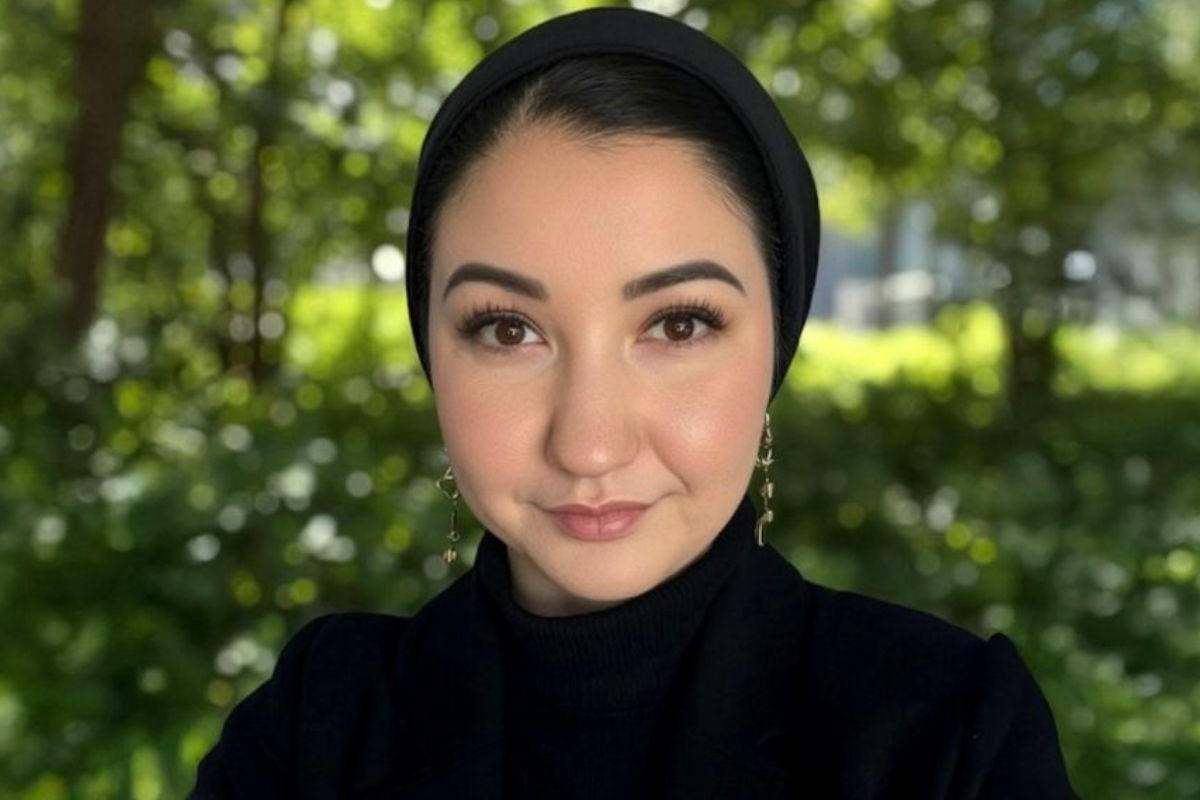
Jamila Ahmadi was seven when she arrived in Australia after a terrifying boat journey. Twenty-five years later, she’s helping South Australians find the sense of belonging she once longed for herself.
Jamila Ahmadi was seven when she boarded a wooden fishing boat in Indonesia, bound for Australia.
There were around 200 people on the deck. At night, when the weather turned, waves would crash in on her.
“I was very terrified as a kid, to be honest,” she says. “I thought, that’s it, probably my life is going to end there.”
A few days in, the engine cut out. Her father, a welder, helped get it running again. A day later, the Australian Navy found them.
Twenty-five years on, Jamila works for the South Australian Government helping young people feel they belong.
This Refugee Week, her story is one of a million being recognised.
The long road to Adelaide
By the time Jamila stepped onto that boat, her family had already been searching for safety for years.
Jamila’s family are Hazara, an ethnic minority persecuted in Afghanistan for generations.
They had first fled to Iran, where life without the right papers made even basic healthcare difficult, then to Pakistan, where the same ethnic persecution followed them. From there, they travelled through Malaysia and Indonesia, and onto the boat.
After being rescued by the Navy, they were taken to the Woomera detention centre in SA’s far north. Her family were there for about three months. Others Jamila knew spent years there.
“I just wanted somewhere where I felt safe,” she says. “As a young person, I think I just wanted two or three things. One was access to education, because I really wanted to go to school. The second was access to healthcare, and also just feeling like I belong somewhere.”
A golden chance
After Woomera, Jamila’s family were settled in Adelaide.
She was excited to have a normal life, with a home, school and friends, but it was hard.
There were barely any Afghan families in SA, and the few they knew came from the same detention centre.
“Dad and I would just go into the city some days to see who else was getting out of detention,” she says. “We wanted to connect with other Afghan communities, but also welcome them into their new homes.”
She was seven, the eldest child. Her parents didn’t speak English. Her father couldn’t read or write.
“Whatever interpreting needed to be done at home was done through me learning English in order to help my parents and my siblings,” she says.
“Most of the responsibility was placed on me to quickly learn English, quickly adapt, quickly build a new identity, but also celebrate my own cultural identity.
“I was very happy, but I also felt very isolated.”
But her father had a line he kept repeating to her: “You’re in this country now,” he told her.
“You have a golden chance to be educated and to achieve something. Make sure you don’t lose this chance, and use it towards something greater than yourself.”
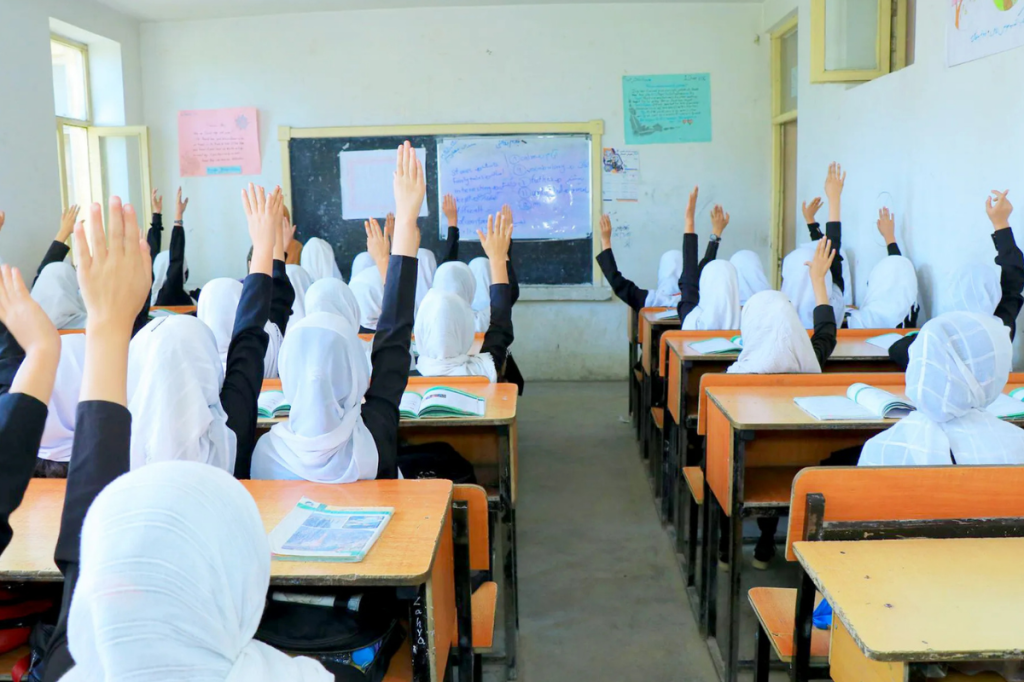
“For me, education has always been important, and I’ve never taken it for granted,” Jamila says. “That’s even more true now, when, unfortunately women in Afghanistan above the age of 12 aren’t allowed to access education.”
Something greater than herself
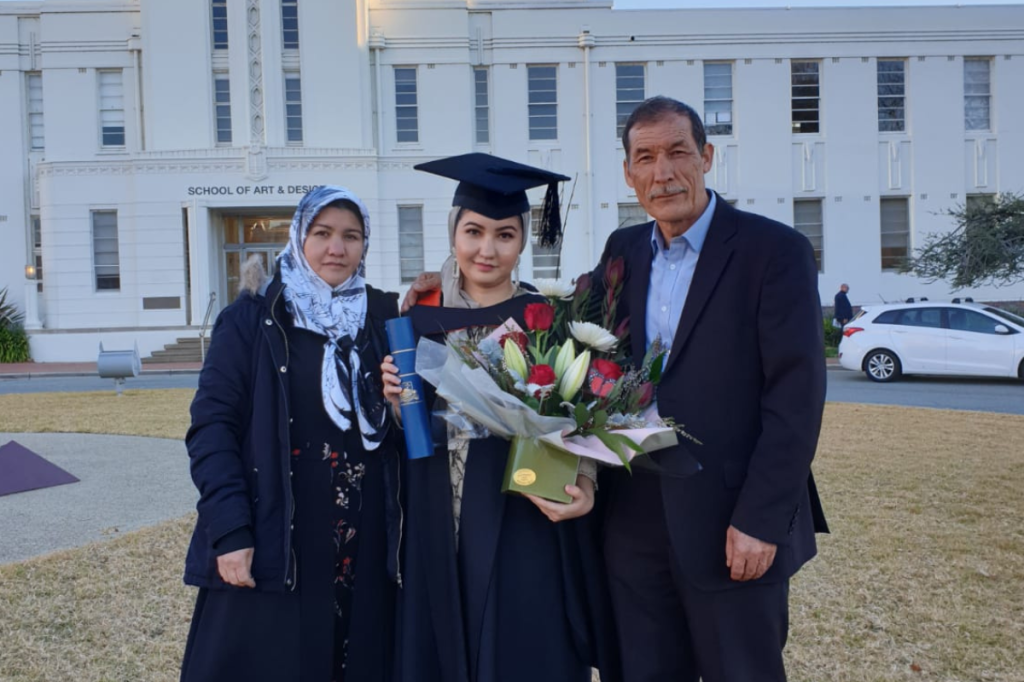
Jamila was the first in her family to finish high school, and the first to go to university.
“I always knew I wanted to do something around community engagement and helping others, but at that stage, I just didn’t know how.”
She studied international relations at the University of Adelaide, then moved to Canberra for a Masters at the Australian National University, where she also worked at the Embassy of Afghanistan.
The plan, for a while, was to go back to her homeland. She and friends from the Afghan diaspora wanted to help rebuild and support women’s empowerment through community projects.
“We had the passion for it,” she says. “I’d just finished my Masters. I was keen.”
Then the Taliban returned to power.
“I had to change what I wanted to do in life again,” she says.
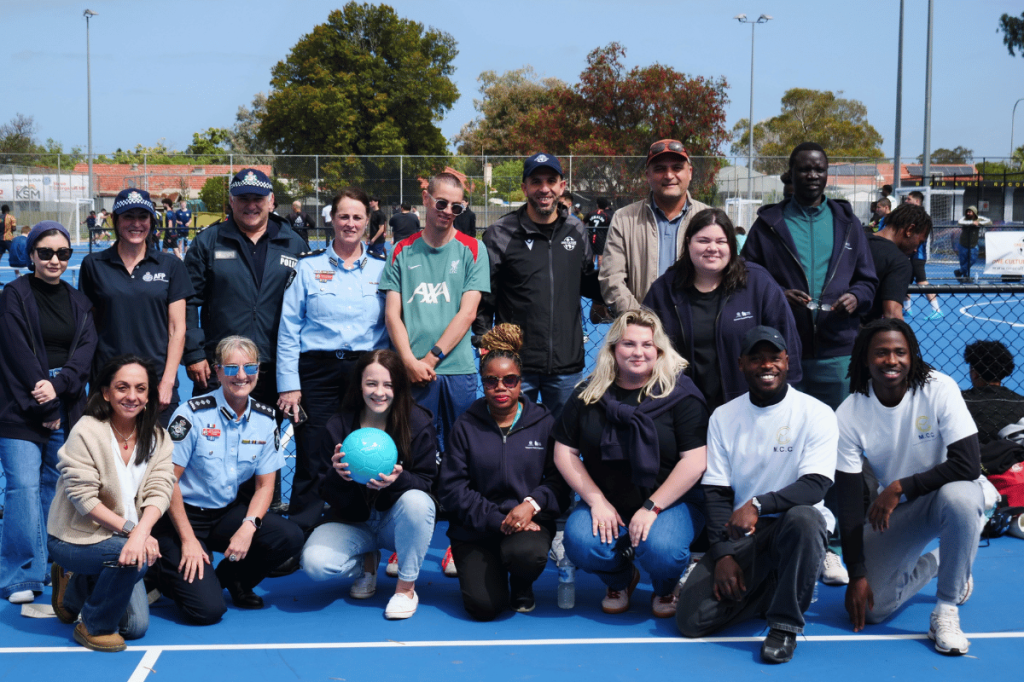
Back in Adelaide, she worked at the Australian Migrant Resource Centre before joining the Department of Human Services as a Senior Project Officer in the Inclusion Support Program – SA’s program countering violent extremism.
The program is built around prevention. It’s needs-based, run by social workers rather than police, and focuses on early intervention. Jamila’s role lets her do what she’s always wanted – work with communities.
“Young people have to feel they don’t have to choose between two identities, and that it’s okay to have a merge of different identities,” she says. “Once you empower young people and make them resilient, you have very successful people in the community.”
Kick Out Hate, a soccer tournament she runs with the Australian Federal Police and One Culture Football, puts young people and police on the same pitch to remove barriers.
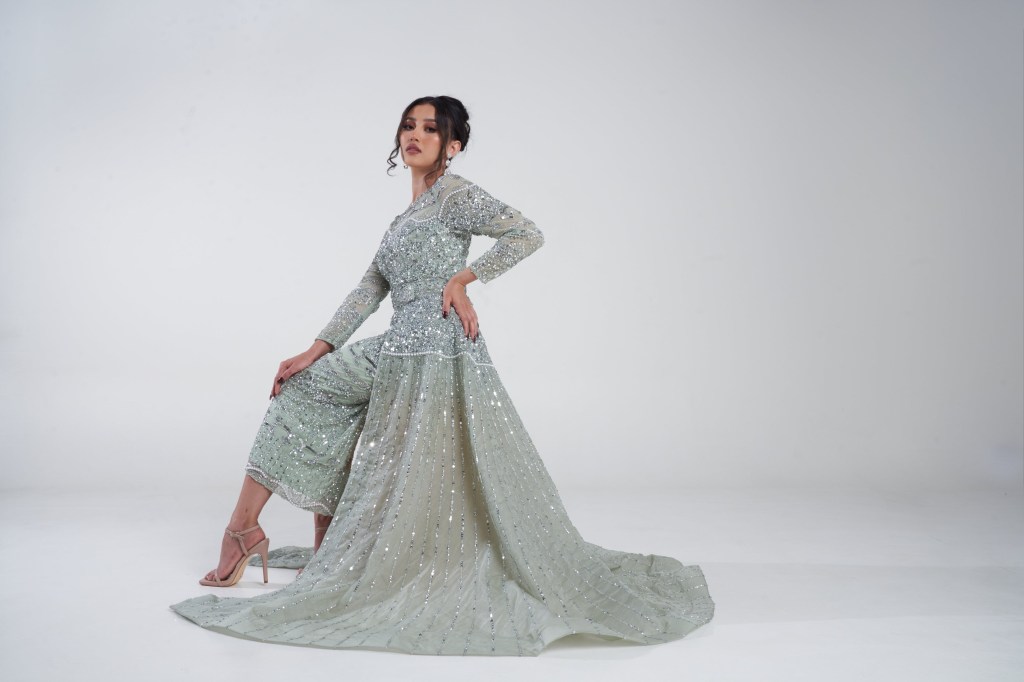
Alongside her nine-to-five, she and her sister Farzana run Two of Five The Label, making elegant modest clothing – not just for Muslim women, but anyone who wants the option.
What a million stories built
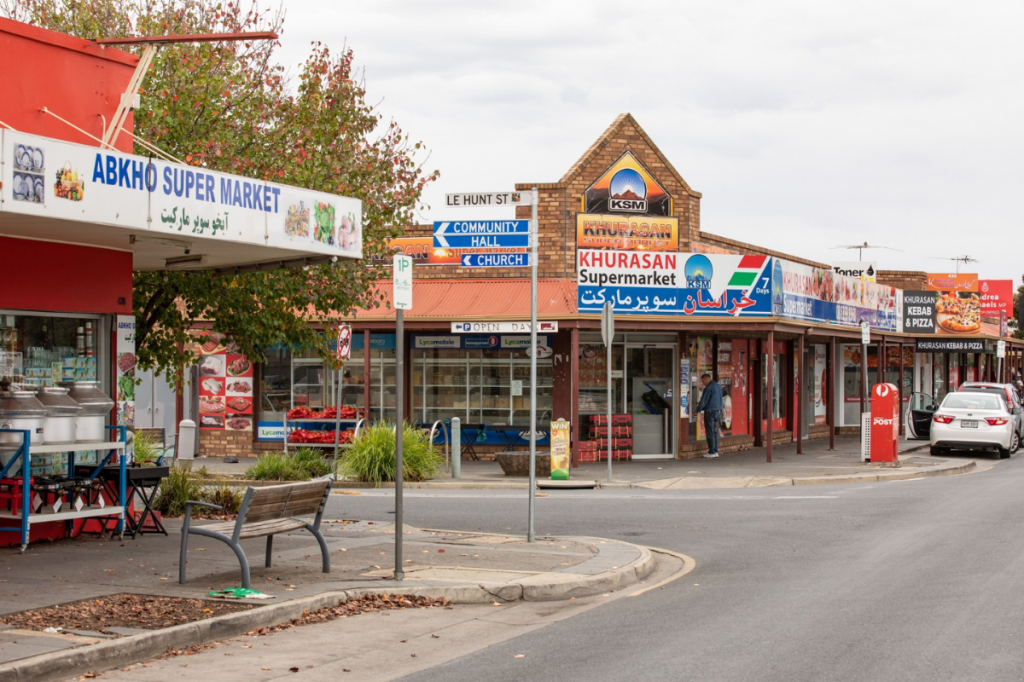
“Look at Prospect Road in Blair Athol and Kilburn 25 years ago, and compare it to now,” Jamila says. “The amount of shops, the economic contribution – it’s such a bustling economic hub now. That is what refugees build in Australia.”
“It makes me feel proud to have been a refugee, and the things that all refugee communities achieve in South Australia.”
She points out that apart from First Nations Australians, every family in this country arrived from somewhere else – recently or generations ago.
“I think we’re all refugees somewhat. We might have had different pathways into Australia, whether that’s by plane or boat, but that shouldn’t dictate how you’re treated in Australia.
“We are at a time where refugees genuinely have to go above and beyond to show that they are contributing to Australia in a positive manner.
“Even if you’re a second-generation refugee – if your parents were refugees, even though you were born here – somehow inside their mind they also have to prove that they are Australian enough.
“You shouldn’t have to feel this way, because you are just as Australian as someone else.”
Start with a conversation
This year’s Refugee Week is a chance to hear the voices of people like Jamila.
Refugee Week runs from 14-20 June, with the theme A Million Stories. It marks the 40th time Australia has celebrated Refugee Week, the 75th anniversary of the UN Refugee Convention, and a celebration of the one million refugees Australia has welcomed since World War II.
In South Australia, the program is the biggest yet: 116 events across the state over more than a month, including performances, workshops, forums and community meals.
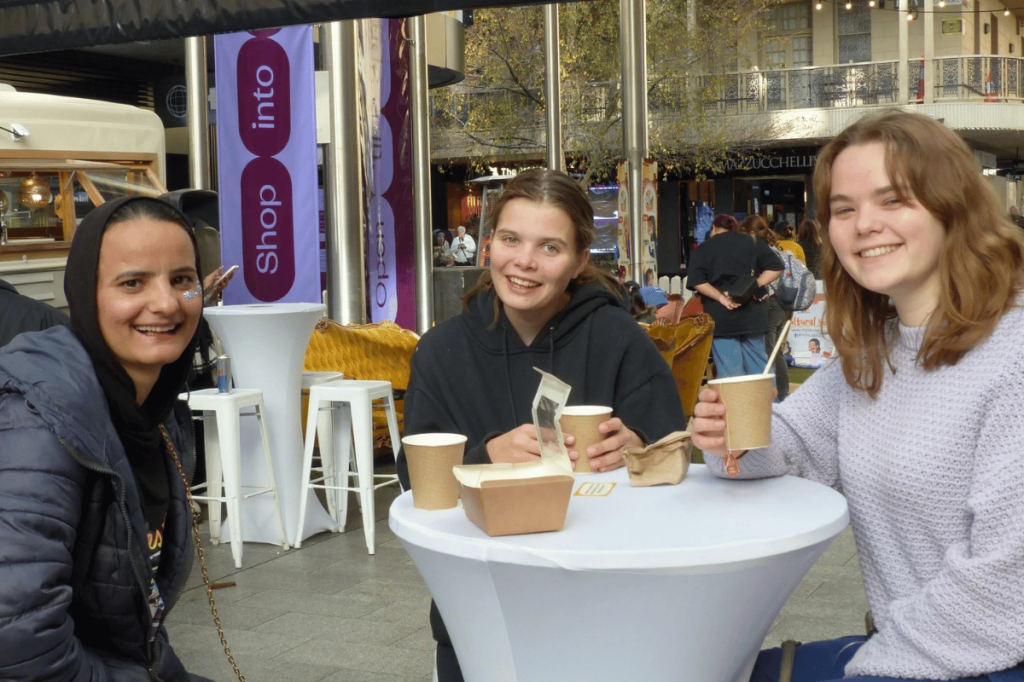
In Rundle Mall, you can have tea with a young refugee and hear their story.
The program is convened by the Australian Migrant Resource Centre, with support from the Department of the Premier and Cabinet – Multicultural Affairs.
Jamila is speaking at several events.
“If you truly want to understand a refugee, just have a cup of tea or coffee with them,” she says. “Have a conversation. Really get to know them.”
“Refugee is just a term that’s been attached to their name. At the end of the day, we’re all human beings, and we all want the same things – access to healthcare, access to education, and to be in a community at peace.”
Explore the full SA Refugee Week 2026 calendar and find events near you here.