



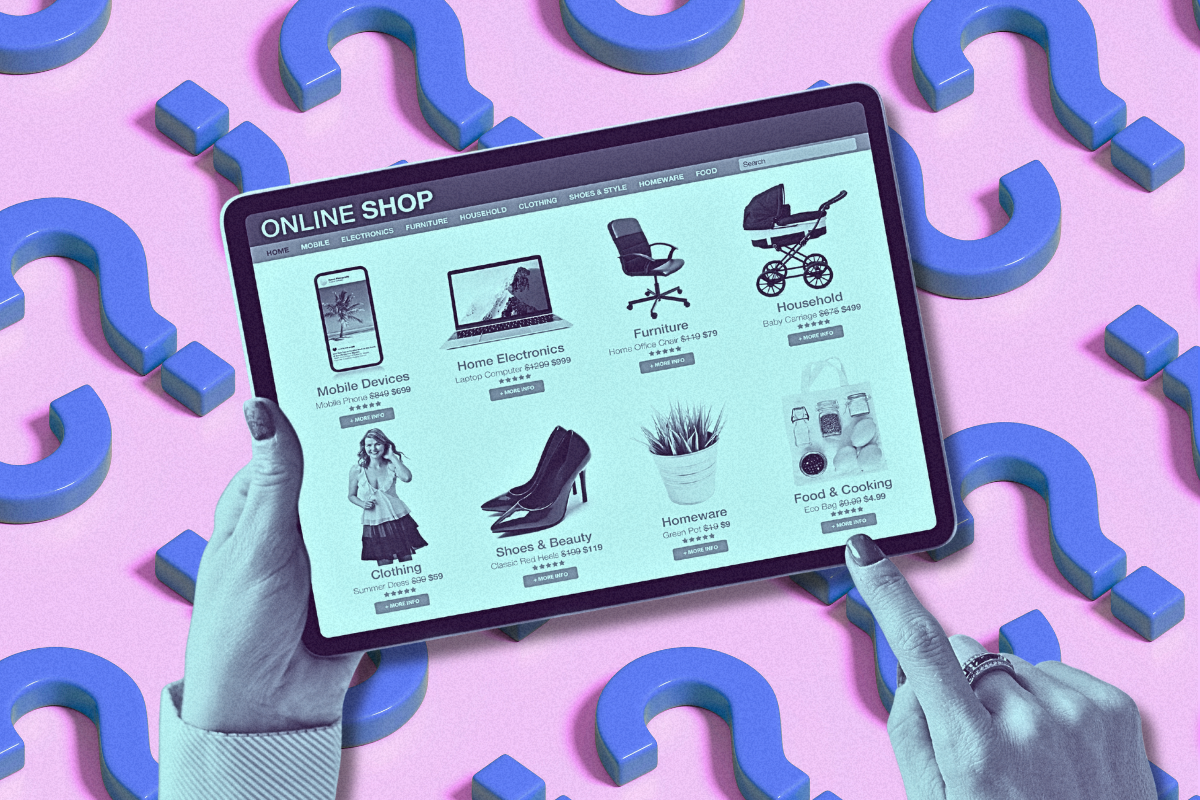
Scammers are getting better at looking legit – and more Australians are getting caught. Here’s what to watch for, how to protect yourself and a quick quiz to see if you’d spot the red flags.
“I knew a lot of people got scammed, but I didn’t think it would actually happen to me,” says Joyce, a physiotherapist and mum of two.
She was buying a games console for her kids from a seller on Facebook Marketplace. But after she paid a deposit, the “seller” vanished.
“I felt very manipulated,” she says. “I was being so nice about it, and he was just taking advantage of me.”
Joyce is one of more than 274,000 Australians who were scammed last year.
Behind every report is a real person like Joyce dealing with the financial, emotional or personal fallout – and being one of them says nothing about your age or how switched on you are.
He said he was on his way
Joyce shared her story with Scamwatch to encourage other people to talk more openly about being scammed.
The seller had offered to deliver the console if she paid the full amount upfront via PayID. She wasn’t comfortable with that, so she sent 20 per cent.
“He sent me a picture of him going to the petrol station where he filled up petrol and kept me notified that he was on the way,” she says.
She waited outside with the lights on. He insisted he’d arrived, then that he’d been and gone, then let her calls ring out and turned his phone off.
For Joyce, it was the invasion of privacy, rather than the lost money, that really scared her.
“They knew my phone number, they knew my address,” she says. “Now this stranger has my details and I felt if I pushed for something, there’s consequences.”
The buyer who’d already paid
Aurnab, a disability support worker, got caught at the other end of the same kind of deal. He shared his story with Scamwatch too.
“Before I was a victim of a scam, I thought they were just text messages or random emails you’d get,” he says. “I didn’t realise how targeted or specific they could be.”
He was selling a spare-room mattress nobody ever used. A message came through the platform saying the buyer had already paid and just needed his email address to finish the transaction.
The email that followed looked like it came from the site. So did the page it linked to, right down to the banner and little chat box. He typed in his bank details and hit approve.
“I thought it was going to be a transfer into my account,” he says.
Instead, the money went the other way, into what he later found out was a crypto account. The amount was close to a month’s rent.
“A lot of these scammers are full-time scammers,” he says. “They will lurk on these platforms waiting for a mark, and they do not care about you.”
What shopping scams are costing us
South Australians reported close to 3000 shopping scams last year and lost more than $1 million between them.
Nationally, 12,248 people reported losing money to shopping scams, with total losses of $10.8 million – up more than 22 per cent on the year before. More Australians reported a financial loss to shopping scams in 2025 than to any other scam type.
In SA, the state government is supporting Scams Awareness Week as part of a broader push to make South Australians more cyber safe and resilient.
Its South Australian Cyber Security Strategy, which runs to 2031, includes a range of initiatives designed to help communities and businesses build cyber resilience and stay safe online.
Other scams to watch for
Shopping scams rank among the most common, but criminals have plenty of other ways to steal your money or personal information.
Payment redirection scams cost Australians $166.8 million last year. A scammer sends an invoice or payment request that looks like one you’re already expecting – from a builder, landlord or other business – but substitutes their own payment details.
If you’re making a significant payment, independently contact the person or business using a number you already trust and confirm the details first.
Phishing scams cost Australians $97.6 million. Someone gets in touch claiming to be your bank, PayPal or another organisation, and what they’re after is information such as your login details, credit card number or multi-factor authentication code.
If somebody asks for your login details or an MFA code, end the contact and independently check with the organisation.
Then there’s the message from a family member with a new number who urgently needs money. Telecommunications providers blocked 153.5 million scam texts in Australia last year – and plenty still got through.
If someone you know suddenly has a “new number” and needs money, call them on the number you already have or ask a question only they would know the answer to.
Beyond those, there are romance scams, investment scams, job scams, threats and extortion, and people promising money you were never expecting.
To learn how those scams work and the red flags to watch for, check out Scamwatch and its Little Book of Scams.
SAPOL also regularly posts warnings about scams affecting South Australians.
How to shop more safely
Both Joyce and Aurnab changed the way they buy and sell online after being scammed – and there are a few simple habits from their experiences worth adopting yourself.
Joyce doesn’t part with money before she’s seen what she’s buying.
“I don’t buy from sellers unless they have like four or five stars in their profile,” she says. “I don’t fork out any money unless I have the product in my hands and I’ve inspected it.”
Aurnab is especially wary if a transaction suddenly takes him away from the platform he started on.
“I’m a lot more vigilant when it comes to anything that takes me outside of the platform that I’m shopping on,” he says.
Scamwatch also recommends slowing down before paying, researching who you’re dealing with, comparing prices and checking independent reviews rather than relying on what appears on a seller’s own website.
“If you’re buying and selling and something’s a bit too good to be true, pause for a minute,” Aurnab says. “Stop, check that their details check out.”
If it happens to you
Call your bank or card provider first. The sooner you act, the better the chance they have of helping.
Then report the scam. You can report scams to Scamwatch, and cybercrime through ReportCyber at cyber.gov.au or at your local police station.
You don’t need to have lost a fortune for reporting to be worthwhile. Scam reports help authorities identify what’s happening, disrupt scammers and warn other people.
Scamwatch sums the whole thing up as “Stop. Check. Protect.”
- Stop before handing over money or personal information.
- Check who you’re dealing with using contact details you found yourself, rather than those supplied in an unexpected message.
- Protect yourself and others by acting quickly and reporting scams.
“It was frustrating, it was depressing,” Aurnab says. “I told all my friends and my family about it, because I didn’t want the same to happen to them.”
Think you’d spot a scam? Test yourself with this quick quiz.
For more advice on staying safe online and to report cybercrime, visit cyber.gov.au