


Two cane toads have been found in SA in as many months. Here’s how we’re keeping new pests out – and tackling the feral animals already causing havoc.
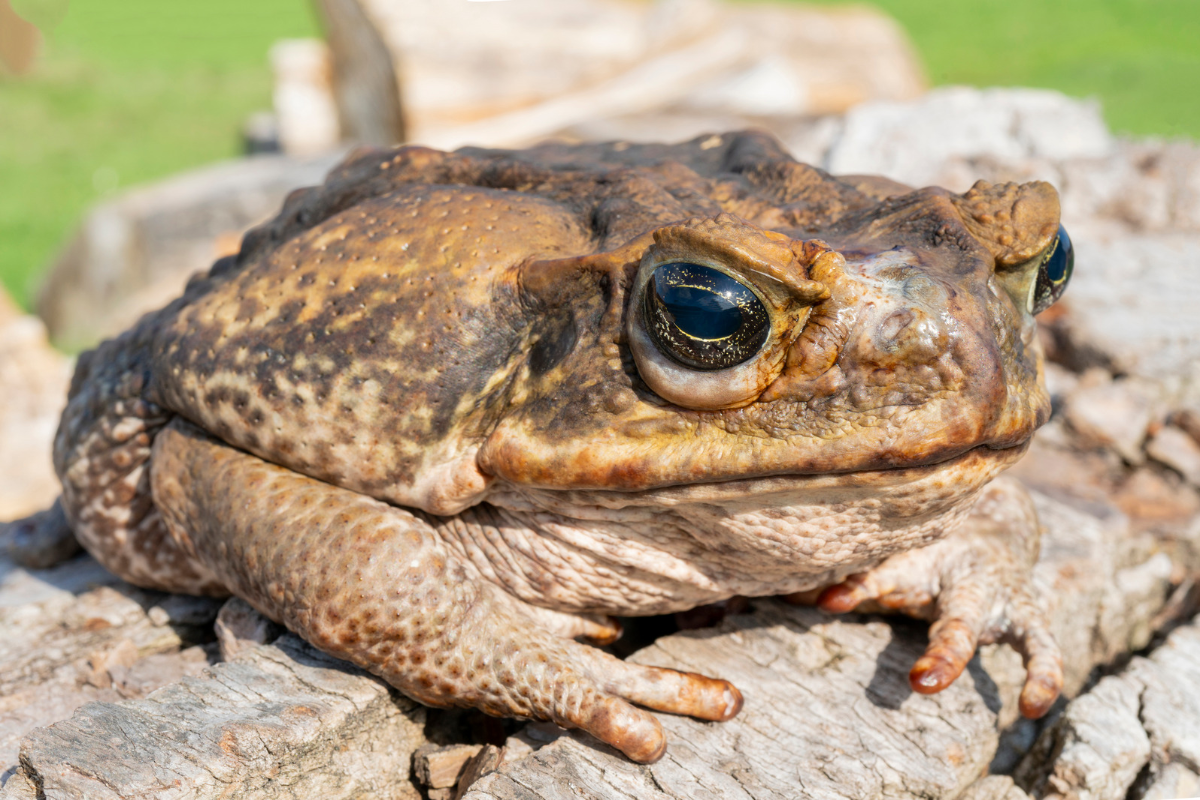
Two cane toads have turned up in South Australia in the space of two months. Thanks to some eagle-eyed locals, neither got very far.
One was spotted near Grange Wetlands in Adelaide’s western suburbs last week, while another was found in Whyalla in October. Both were reported to the Department of Primary Industries and Regions (PIRSA), allowing biosecurity officers to track them down and remove them.
Cane toads haven’t established wild populations in SA – and we want to keep it that way.
PIRSA’s Dr Brad Page describes cane toads as a “moving wall of poison”, with their spread across northern Australia killing native animals including quolls, goannas and freshwater crocodiles that try to eat them.
Brad, Principal Biosecurity Officer – Pest Animals at PIRSA, says around half a dozen cane toads are discovered in SA each year, often hitching rides in freight, camping gear or travellers’ vehicles.
Keeping cane toads out is one thing. Dealing with the feral animals already established in SA is a much bigger job.
There are deer shredding Adelaide Hills gardens, foxes sneaking through suburban backyards and camels in the outback that will literally break into a house for a drink.
Here’s how we’re tackling them.
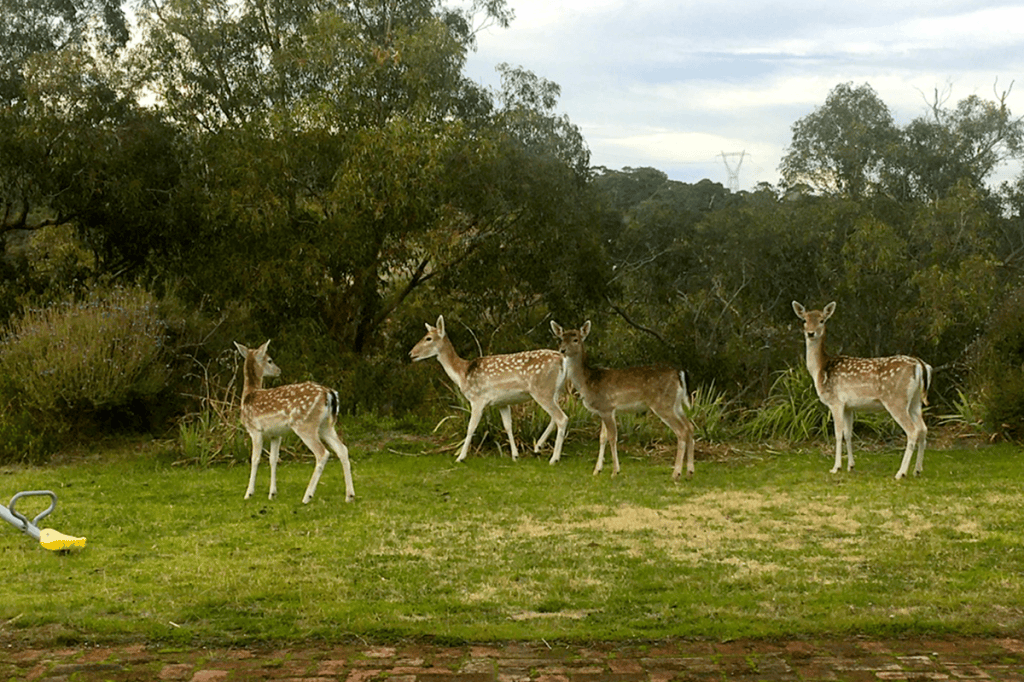
1. Feral deer: The unwanted backyard visitors
Deer aren’t just roaming the countryside. They’re wandering through suburban backyards, eating gardens and damaging bushland around Adelaide.
Males use their antlers to mark territory, snapping saplings and small trees.
“When they get really into it, it looks like someone’s been through with a whippersnipper and cut these things down to ground level,” Brad says.
They also dig holes half a metre deep and the size of a queen bed, leaving disturbed ground where weeds take over.
“There’s no habitat left for birds or for small mammals to hide in.”
When the state government took action to eradicate them in 2022, there were about 40,000 in SA, compared with more than a million in Victoria. About 14,000 deer remain, Brad estimates, with complete eradication on track for 2031.
Crews use helicopters with thermal cameras to detect deer through thick scrub, particularly during colder months, helping them remove thousands.
After one operation, a Skye resident rang Brad.
“They said, ‘My goodness, for the first time in five years, I’ve been able to grow vegetables in my garden.’“
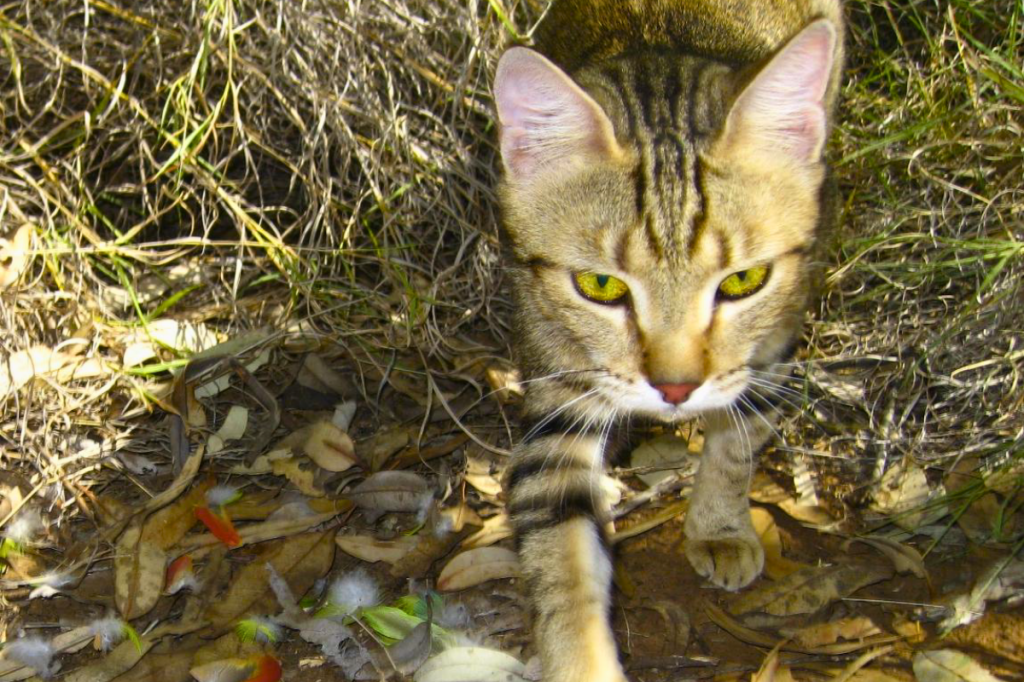
2. Feral cats: A major threat to native wildlife
Cats might be treasured pets, but Brad says feral cats are Australia’s number one threat to native land mammals.
They’ve contributed to around two-thirds of Australia’s mammal extinctions since European colonisation and still threaten more than 200 nationally-listed threatened species.
Cats also spread toxoplasmosis, a disease that can cause pregnancy losses in sheep and affect native wildlife.
Control methods include trapping, shooting and coordinated baiting, but pet owners have an important role too.
Brad says part of the problem is “having people continually feeding that population of feral cats by allowing their domestic cats to roam and breed”.
Keeping cats contained and desexed helps prevent that.
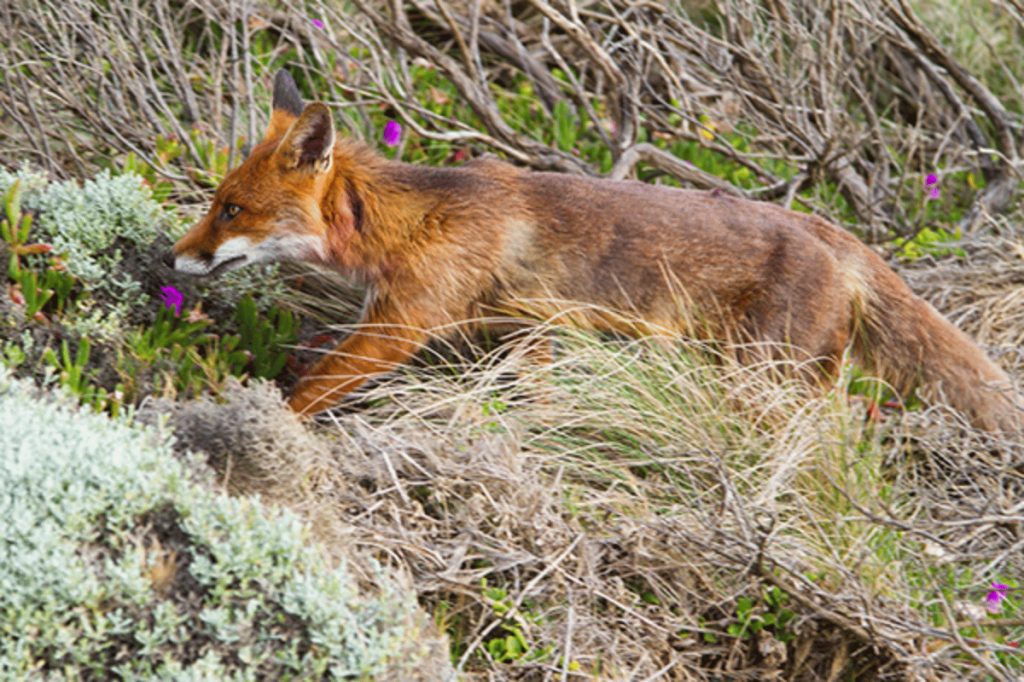
3. Foxes: The predators hiding in plain sight
You might never have noticed a fox in your neighbourhood, but Brad reckons you’d be surprised how often they pass through.
“If people were to put a trail camera out, even in front of their house in suburban Adelaide, you’d be surprised how many foxes are coming through your backyard each night, regardless of whether you have chickens or not.”
Foxes live at around 10 times the density in urban areas as in farming country, and they’re responsible for nearly as many native animal extinctions as feral cats.
“The two of them are in a race to the bottom,” Brad says.
His team is developing AI-powered bait boxes that distinguish foxes from other animals, releasing bait only when they recognise a fox.
They work “sort of like a lolly vending machine”, Brad says.
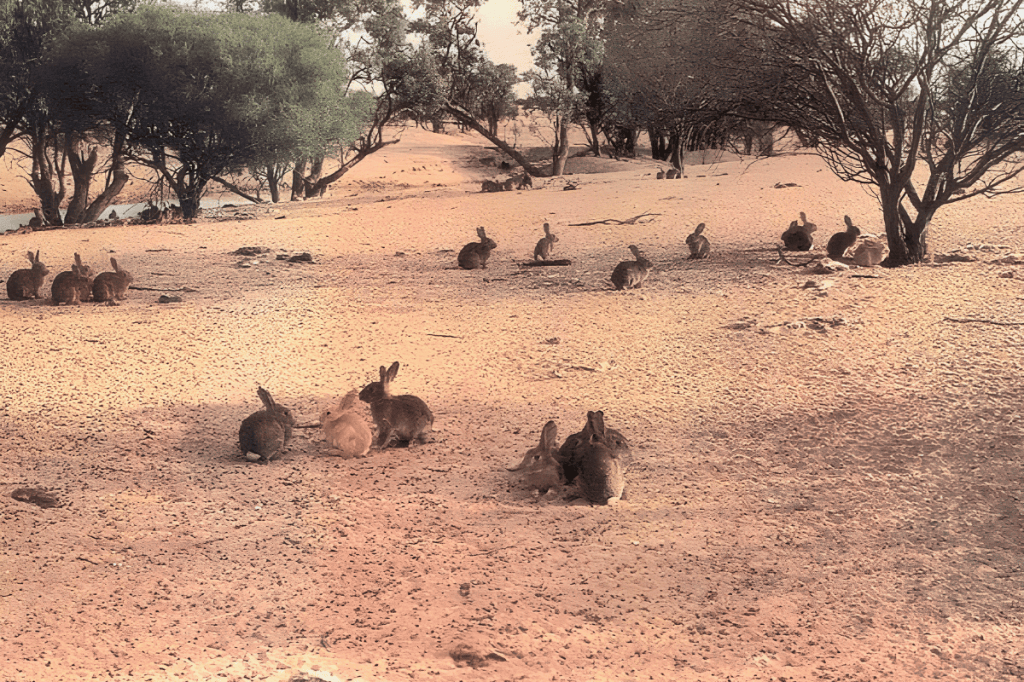
4. Rabbits: Cute, but devastating for the bush
Rabbits damage crops and pastures, but their impact on native vegetation is just as serious.
Brad calls certain native plants rabbits’ “ice cream plants” because they’re the ones they love eating most.
“They just eat them out of existence. At one rabbit per hectare, a rabbit will make its ice cream plant go extinct in just a few years.”
Most people wouldn’t even notice rabbits at that density.
When those plants disappear, native animals lose shelter and breeding habitat, adding to the pressures facing SA’s endangered species.
PIRSA is helping farmers control rabbits through baiting, biological controls and destroying warrens.
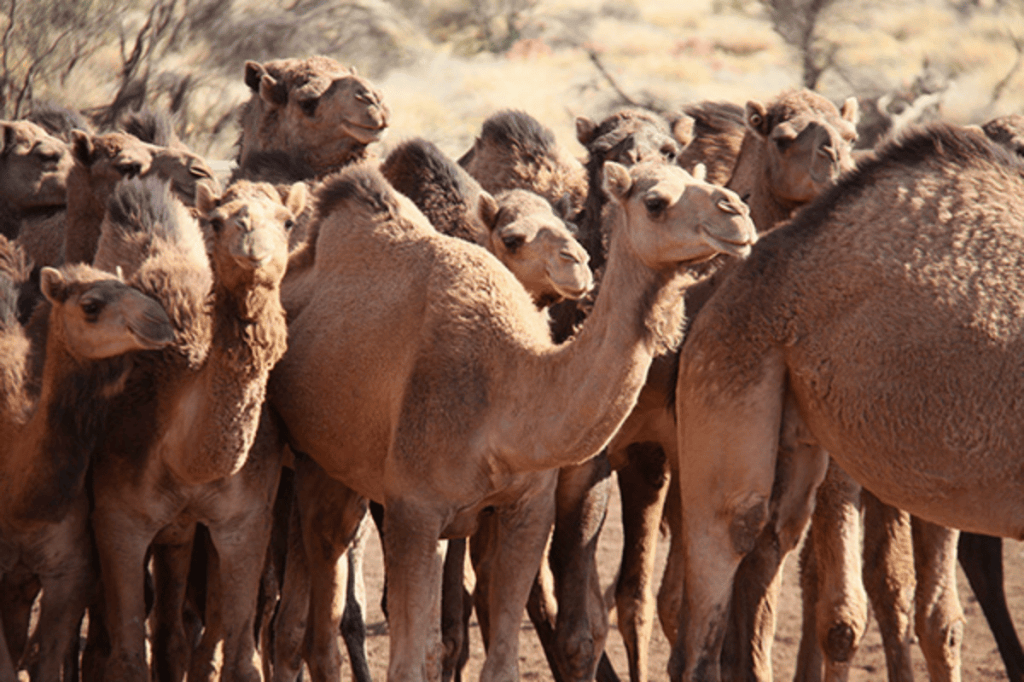
5. Camels: Breaking into houses for a drink
During dry conditions, feral camels wander into far-north communities searching for water.
“They might smell water in a toilet cistern, and they’ll just walk in, bash down someone’s door, and break the toilet cistern off the wall and drink the water from it,” Brad says.
They also flatten fences, drain natural rock holes and strip surrounding vegetation.
“They can really degrade these beautiful places that are immensely culturally important to First Nations people.”
Landscape boards use helicopters to move camels away from communities and carry out targeted culls, removing hundreds annually in the far north-east.
Help keep new pests out of SA
Deer, cats, foxes, rabbits and camels are just five of the pest animals being managed in SA. Others include feral pigs, wild dogs and goats.
But preventing new pests from establishing is just as important.
“In government, the way we save a lot of money is to prevent things from establishing,” Brad says.
And that’s where you come in.
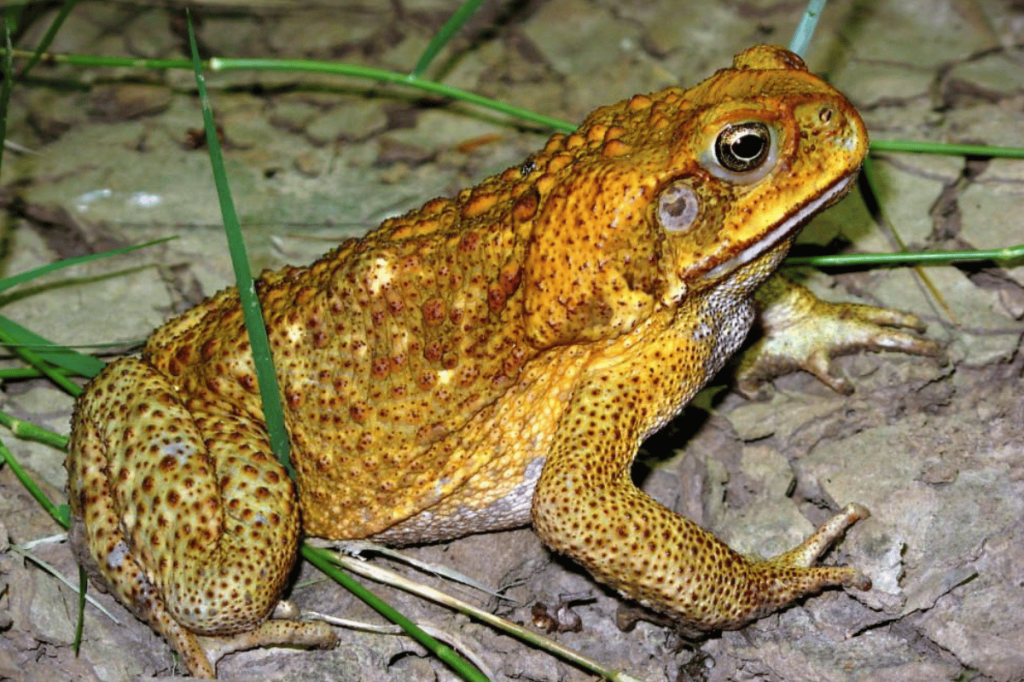
Cane toads aren’t established in SA, but a handful are found here each year, usually after accidentally hitching a ride from northern Australia.
If you’re travelling home from Queensland, the Northern Territory or another area where cane toads are established, check your vehicle, luggage and camping gear for unwanted passengers.
And if you spot something that looks like a cane toad, don’t kill it.
“90 per cent of the cane toad reports we get, they’re actually a native frog, which looks really similar,” Brad says.
Instead, take a photo and, if it’s safe, contain the animal in a plastic container with about 1cm of water. Wash your hands if you touch it, don’t release or relocate it, and call PIRSA’s Pest Alert Hotline on 1800 084 881 for instructions.
“We’ll get back to that person typically in less than an hour on a weekend, but immediately if it’s during the week,” Brad says.
And it’s not just cane toads
Indian mynas are a major pest interstate, competing with native birds for nesting hollows and sometimes killing their chicks.
They’re not established in SA, and PIRSA is working with Landscape Boards to keep it that way. Landscape Board officers have spent almost a year tracking one near Victor Harbor. AI-powered bird-call monitors have detected it, and it’s recently been spotted near a retirement home in Encounter Bay.
Officers couldn’t safely shoot it there, but the search continues to prevent the species gaining a foothold in SA.
How else can you help?
The community can also help control feral animals already established in SA.
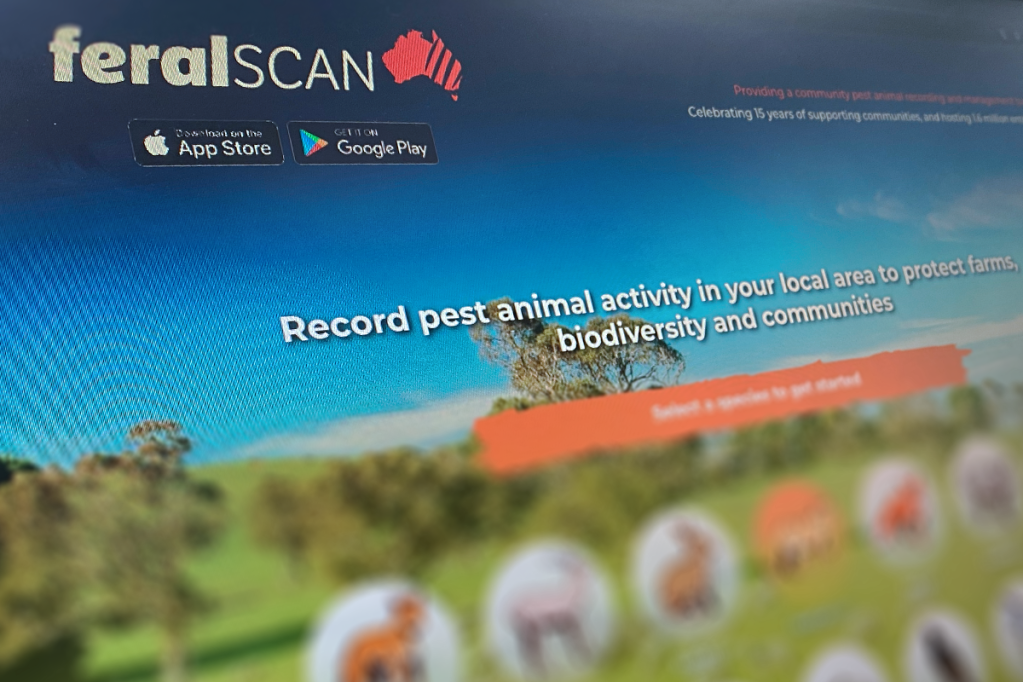
You can report sightings through the FeralScan website or apps. Brad says these reports genuinely help direct control programs.
“A lot of times people think, ‘I can report it, and I know nothing will happen.’ That’s not the case here.”
Community reports have helped his team discover deer in unexpected places, including the Flinders Ranges.
And don’t forget your pets
Pets can also threaten native wildlife if allowed to roam.
“Ideally, people can contain their animals and the pest risk to their own property, so we don’t have a bigger problem to deal with than what we already do,” Brad says.
That means containing and desexing cats, preventing pet rabbits escaping and keeping dogs under control around wildlife.
Report established pests through FeralScan. For suspected new pests, call PIRSA’s Pest Alert Hotline on 1800 084 881.