



South Australia’s flu season has been slow to start, but health experts warn the worst is likely still ahead. Here’s why getting vaccinated now could protect you, your family and the strangers sitting beside you on the bus.
Still haven’t had your flu shot? Professor Nicola Spurrier says the good news is it’s not too late – but you need to get on it now.
SA Health’s chief public health officer says the current “very low numbers” of influenza cases point to a late flu season for our state, buying everyone a bit more time than usual.
Flu season usually runs from about May to September, so we’re not even halfway through – and a late start this year leaves plenty of it still ahead.
Professor Spurrier says the late start isn’t a reason to be complacent.
“What it means is we’ve just got a little bit longer to get ourselves vaccinated and prepared for when numbers do start to increase,” she says.
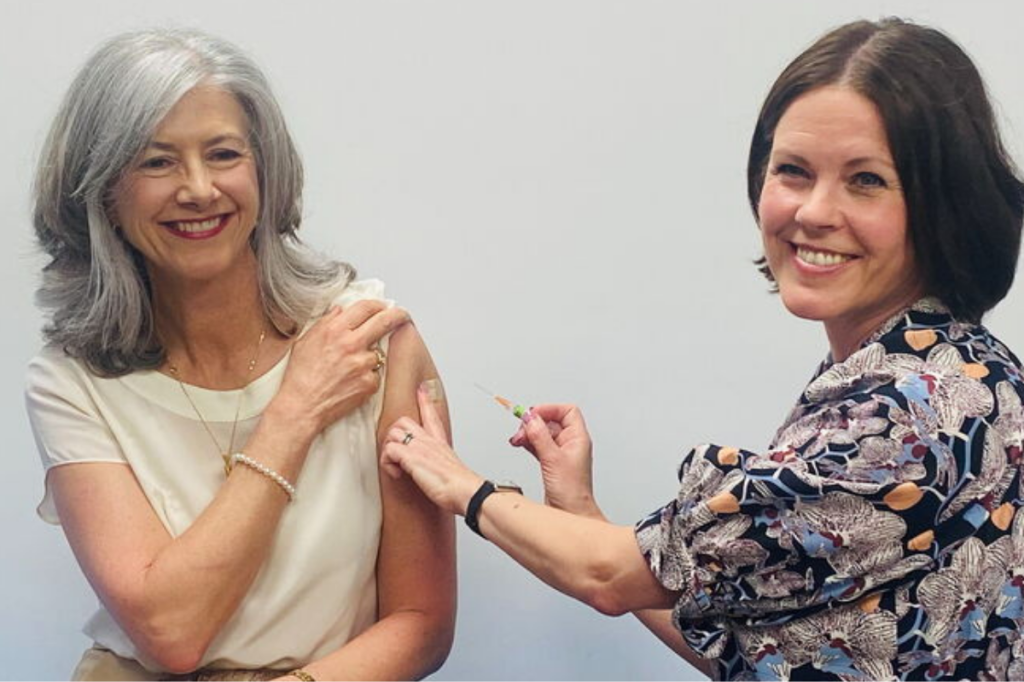
But I’m young, fit and healthy – do I need it?
Wondering if it’s worth the bother if you’re young and healthy? Professor Spurrier says skipping the flu jab is “like playing a bit of Russian roulette”.
“We know that the vaccine is particularly effective at reducing severe disease and hospitalisation.”
“If anybody’s had the flu recently you’ll know how sick you can get. And it’s not just like the common cold – it can take a really long period of time to recover. So it’s absolutely better to have the flu vaccine and prevent that happening.”

It’s not just about you
Last year’s flu season was, in Professor Spurrier’s words, “really difficult” – more than 36,000 cases were recorded across SA. And even if you’d personally bounce back in a week, you don’t get to choose who you pass it to.
“You really don’t know who’s sitting next to you when you’re on a bus or a tram – they might be on chemotherapy or otherwise immuno-compromised,” Professor Spurrier says.
Passed to your granny, a newborn or a mate mid-treatment, the flu you’d shrug off can land them in hospital. Getting vaccinated helps stop that from happening.
It also means the flu won’t spread like wildfire through your workplace – something Professor Spurrier thinks about with her own staff.
“I always think of my own team in public health and if they’re all well vaccinated it means I don’t have a whole floor of people wiped out at the same time.”
Got little kids? Don’t underestimate it
Got kids under five but haven’t got round to vaccinating them yet? Dr Nan Vasilunas is an infectious diseases paediatrician and Medical Unit Head at the Women’s and Children’s Hospital, and she sees the consequences up close.
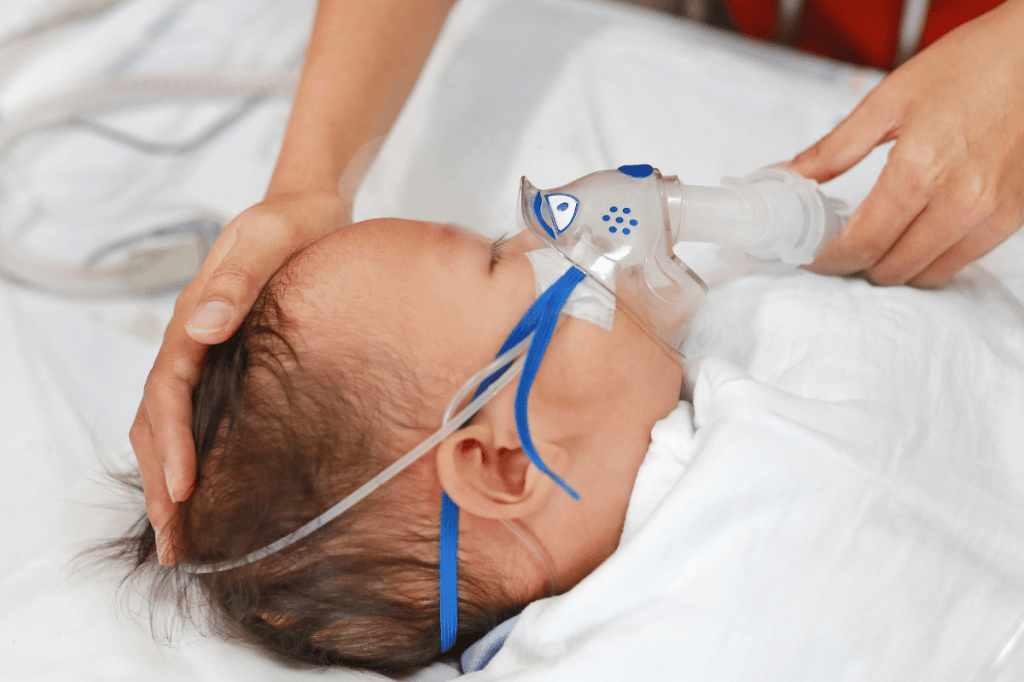
“[The vaccine’s] the best and only way we’ve got that will help to protect children from influenza, which I think some parents don’t realise is not just a cold – it’s a very nasty illness,” she says. “It can hit kids quite hard.
“As doctors on the wards, we often talk to parents of children who’ve been hospitalised because of their influenza – or because of complications – who tell us that they didn’t actually realise how severe influenza could be.”
We picture the flu coming for the elderly, but Dr Nan says under-fives are hospitalised at rates similar to the over-65s – and “the younger you go, the worse it gets”.
“We always think about influenza hitting elderly people, but actually we see a lot of children hospitalised every year, some with very significant complications,” she says. “These can include secondary bacterial infections but also every year we see really nasty neurological complications including seizures and encephalitis.”
The figures bear her out. Professor Spurrier says last year in SA, 4091 children under five caught the flu and 430 ended up in hospital – with only about a quarter of that age group vaccinated.
The needle-free game-changer
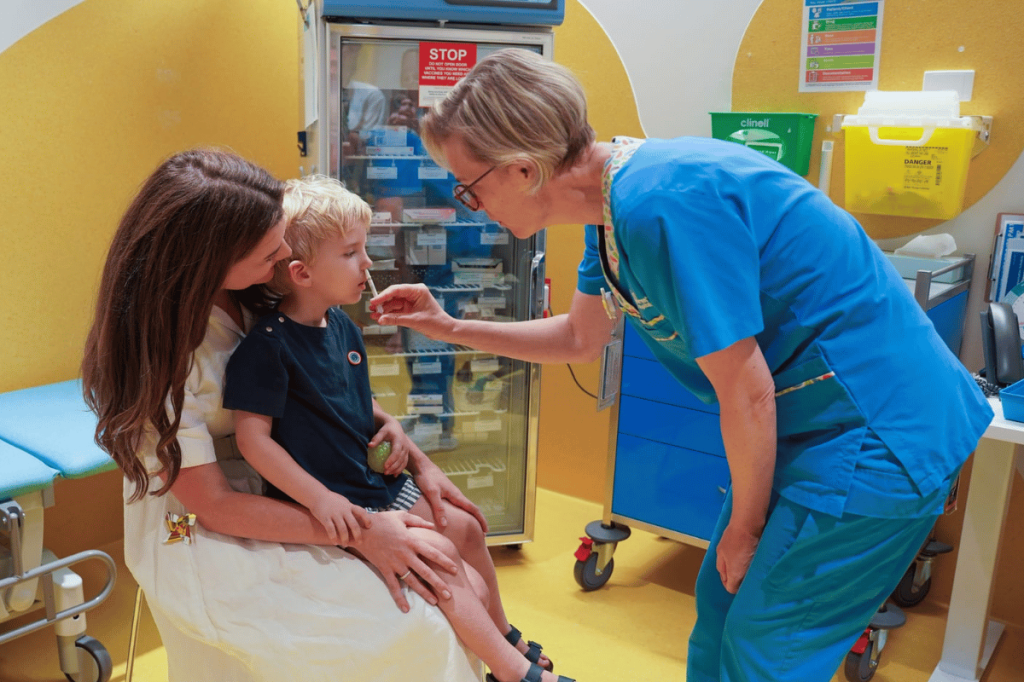
There’s now a way around the great needle standoff. Dr Nan says a free nasal spray vaccine, available for children aged two to five, offers the same protection as the injectable jab, just without the scary, painful bit.
“The main benefit is there is no needle, which we know is often a hurdle to children getting vaccinated,” she says. “We know that being able to avoid the needle improves coverage in an age group where fear of needles stop children getting vaccinated – and it also makes it logistically easier to give the vaccine in different settings.
“It is an absolute game changer, just like the introduction of the RSV vaccine was in the last couple of years … it’s very, very exciting.”
Dr Nan says the spray has been used overseas for more than 20 years. It’s registered for children up to 17, so older kids and teens can get it too for a fee, while those aged six months to two years still need the needle.
And vaccinating the littlest household members pays off for everyone around them.
“Children play a really substantial role in the transmission of influenza within our community,” Dr Nan says. “They tend to shed it for a lot longer than adults and obviously when they’re in close contact in settings like schools and childcare, that facilitates the spread.”
She’s hoping the new vaccine option will make a big difference.
“The UK has come up with really good data that shows that when they implemented their intranasal flu vaccine in primary-school aged children, the rates of adults presenting to GPs with flu-like illness actually decreased substantially, by over half.”

Who gets vaccinated for free?
The flu vaccine is free in South Australia for:
- Children aged six months to five years
- Pregnant women
- Aboriginal and Torres Strait Islander South Australians
- People with certain chronic conditions, like serious asthma, diabetes or heart disease
- Adults aged 65 and over
Not on the list? It’s still a cheap insurance policy – usually somewhere between $15 and $30, depending on where you go.
How to get sorted
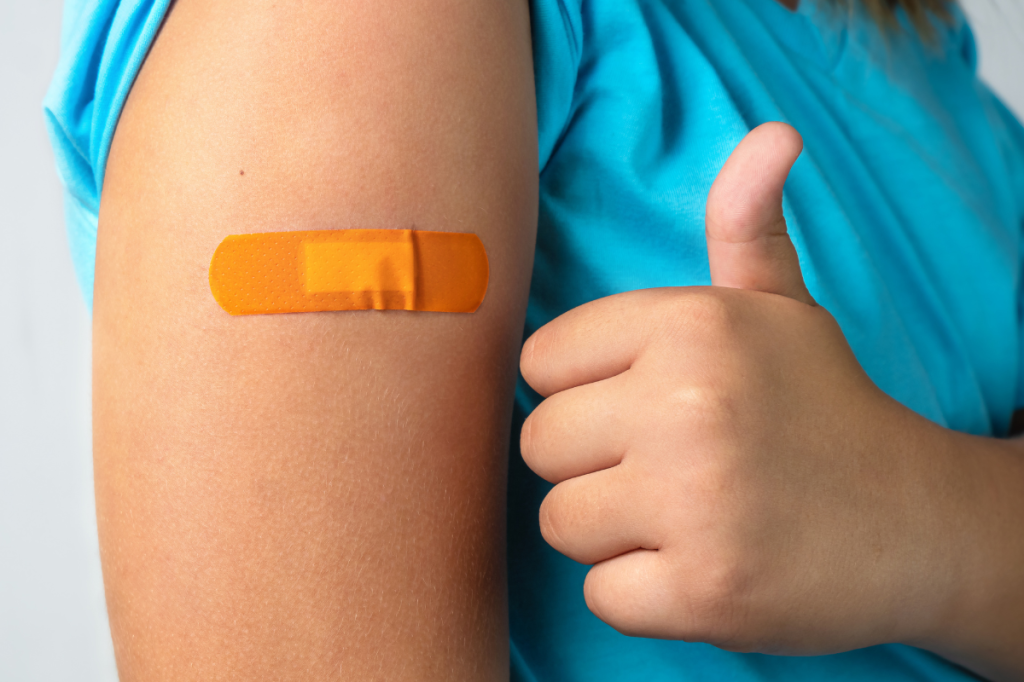
Booking a jab is easy. Your GP, most pharmacies and plenty of workplace clinics offer them, and lots of pharmacies take online bookings so you can knock it over on your lunch break.
Just remember it takes about two weeks to fully kick in, so the sooner you go, the sooner you’re covered.

Stop the spread
Vaccination’s the main game, but Professor Spurrier says the old COVID pandemic habits are worth remembering to stop the spread.
“We’ve always said in the past to wash, wipe, cover,” she says. “So washing down surfaces, wiping, covering up your coughs and sneezes with your elbow and don’t infect another.”
And her advice if you do go down with it is to stay home.
“Even if it’s just a runny nose or a bit of a sore throat … this is where you really can protect the community. Don’t go about and share all your germs.
“Many people can now work from home, so it’s much better to stay home and get over it – and then get back to doing the things you love to do.”
For more information on influenza symptoms, treatment and prevention, visit the SA Health website.