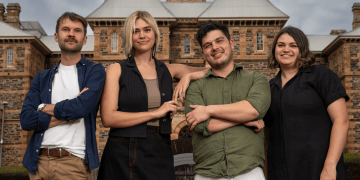



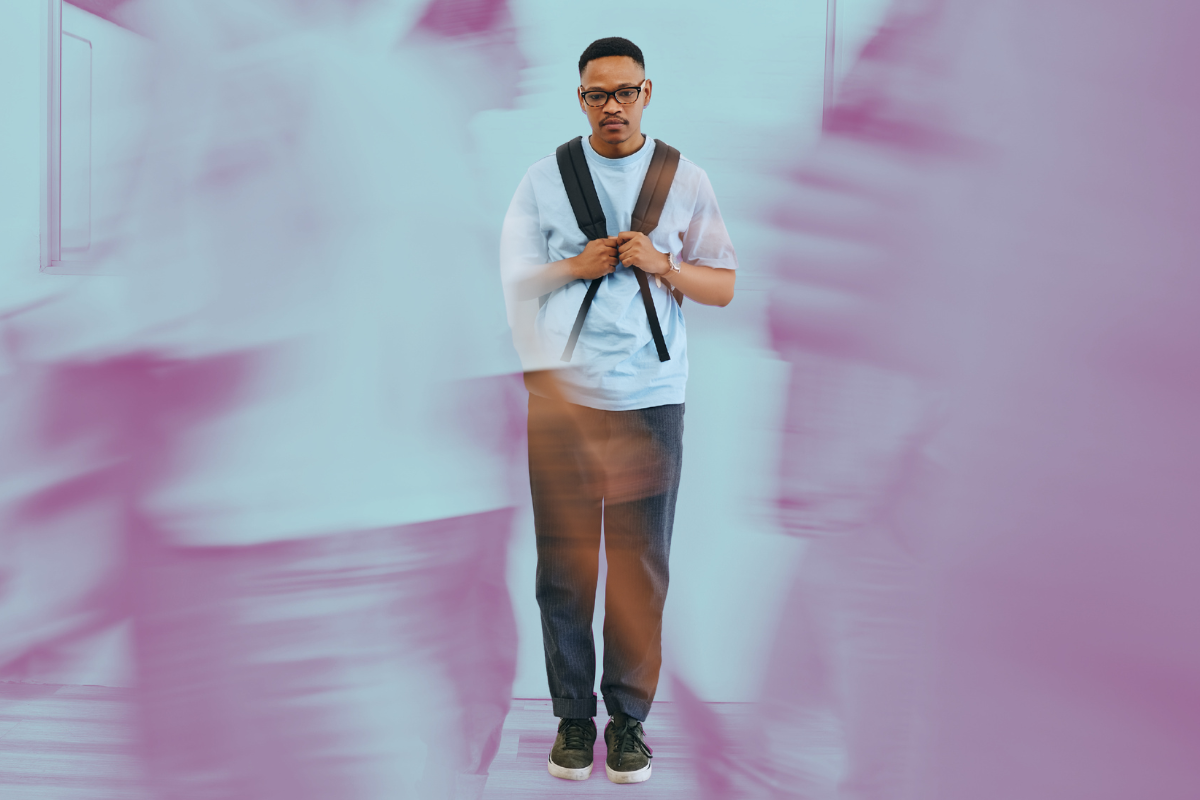
Young South Australians are the state’s loneliest age group – but new research suggests the problem isn’t always a lack of company. This Loneliness Awareness Week, experts explain why feeling connected is about much more than being surrounded by people.
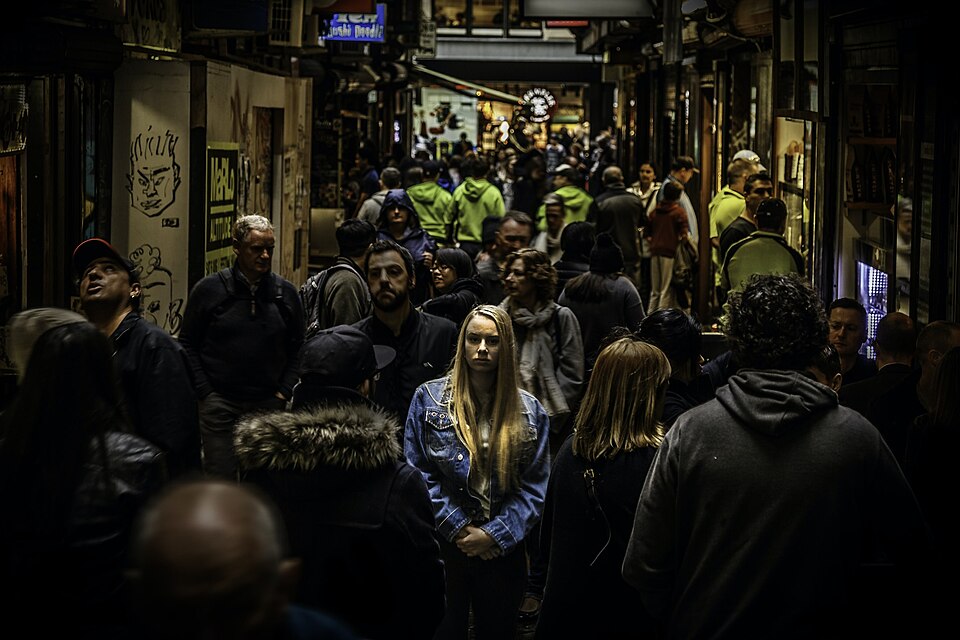
“Loneliness doesn’t need solitude to exist. You can feel lonely standing in a crowd,” says Amber Brock-Fabel.
Most of us picture loneliness as an older person who has outlived their friends. In South Australia, the people most likely to say they’re lonely are young.
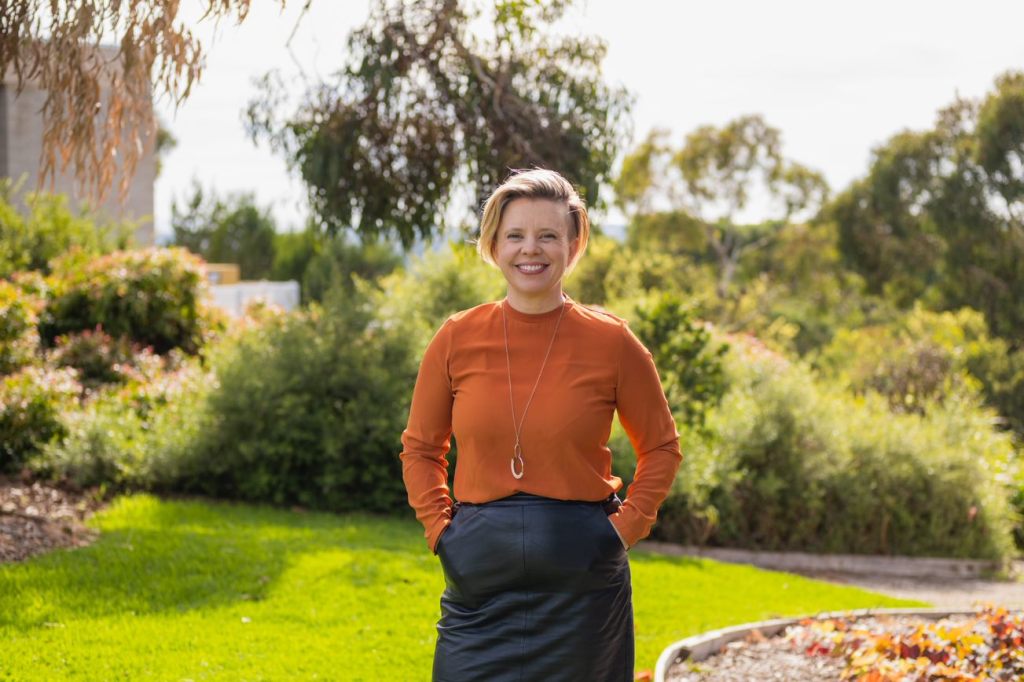
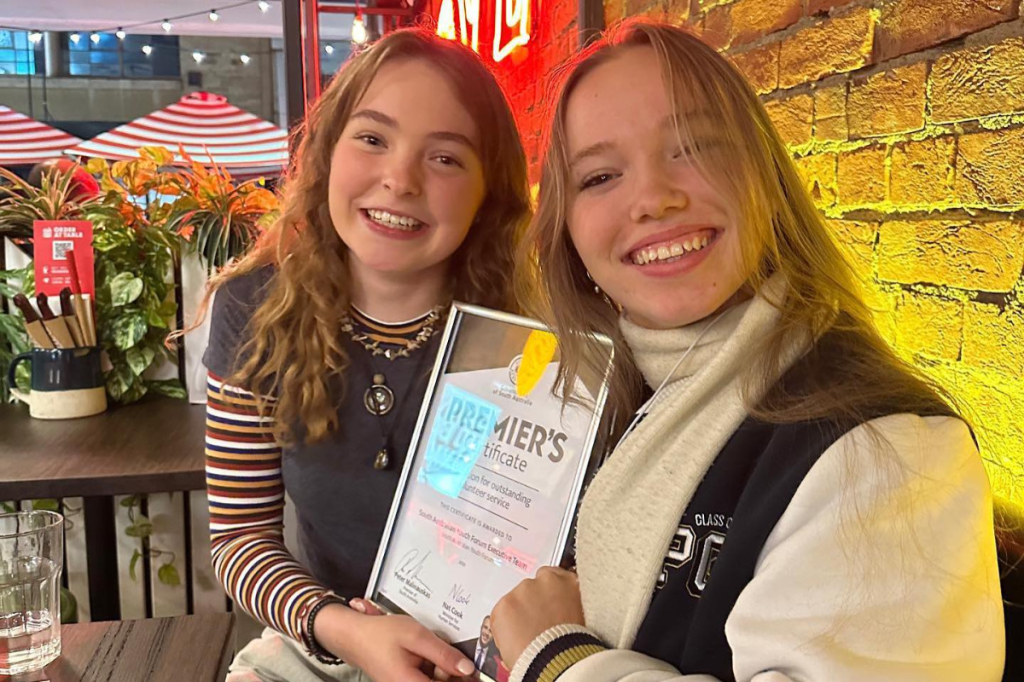
Amber, the 2025 Young Australian of the Year for South Australia, founded the South Australian Youth Forum five years ago as somewhere to talk honestly about the serious stuff affecting young people – and a way to make sure politicians and decision-makers heard them.
Loneliness appeared in the Forum’s first annual report in 2022 – raised by young people themselves, well before it was being splashed across the national media as an “epidemic”.
“There’s a huge stigma wrapped around it. Nobody wants to be called a ‘loner’,” Amber says.
“When I heard [loneliness] spoken [about] for the first time – plainly, sincerely – by a young person in the Forum, describing something so many of us had been carrying without even noticing, it landed somewhere deep.”

Young adults are the loneliest
Fifty-seven per cent of South Australians report experiencing loneliness sometimes or often, according to the latest Loneliness by Numbers: A South Australian Snapshot.
The rates are much higher among young adults: 91 per cent of 18 to 24-year-olds say they sometimes or often feel lonely.
Professor Lydia Woodyatt, Head of Psychology at Flinders University, says that’s a reversal.
“Previously we always knew that the loneliest cohort was the oldest cohort,” she says.
“The reason loneliness among young people is so worrying is because developmentally, that’s the time where they should be making and building those relationships and connections.”
Most research linking loneliness with long-term physical harm has focused on older people, so researchers don’t yet know what sustained loneliness might mean across a young person’s lifetime.
What is already clear, Lydia says, is that social connection shapes how young people develop their identity, self-esteem and ability to cope.
“Chronic exposure of rejection has a physiological impact on our entire biology,” she says. “It’s serious.”
When other people cause loneliness
This year’s Loneliness Awareness Week (3-9 August) theme is “Make Room for Connection” – and the research suggests that can be quite literal.
Loneliness in older people is usually about absence. Friends and partners die, getting around gets harder, and the places you used to go to stop being easy to reach.
Research from Flinders University and the SA Youth Forum has found that young people’s loneliness often works differently.
“A key finding from that research was that loneliness isn’t just about the absence of desired social connections,” Amber says.
“It’s also about the presence of undesirable social connections … things like being surrounded by people but there’s a school bully in the mix, or relationship violence, or even that feeling of always being watched; of never quite getting a moment to yourself.”
The research drew on interviews and focus groups with 25 participants from the Youth Forum and the Specialised Assistance School for Youth (SASY).
They described feeling lonely in crowded classrooms, on buses, in school corridors and at home.
Some avoided whole parts of school because that was where the bullies and popular kids were. Others had friends but were placed in classes without them, surrounded instead by people who mocked them or treated them as strange.
That changes what actually helps: someone surrounded by people who make them feel judged needs better company, not more of it.
Lydia describes the central theme as “watched but alone”.
“And what was interesting is that they can feel that way even in their own homes,” she says.
The pressure to look connected
There’s also a second layer.
“What struck me most was the double bind so many described,” Amber says.
“The ache of loneliness itself, and then the separate fear of being seen as lonely. That pressure to perform ‘belonging’ so you don’t stand out.”
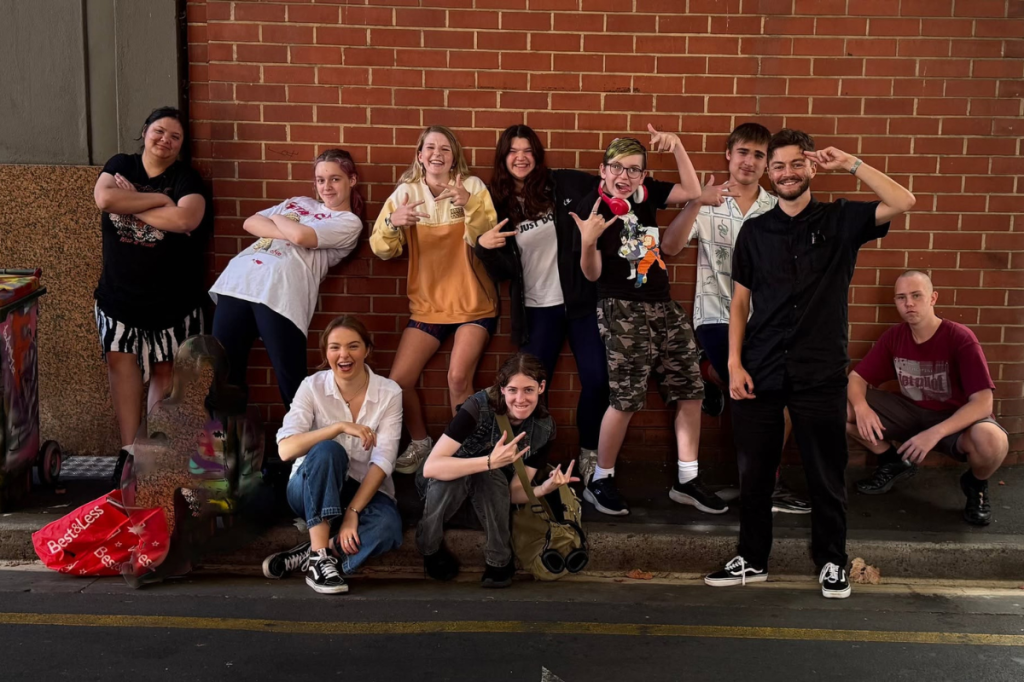
Young people spoke about headphones and music as “subtle armour”, or pretending to be occupied when sitting alone.
One Forum participant explained that calling somebody a “loner” suggests the group has rejected them, while describing them as “anti-social” makes their isolation appear to be their own fault.
Another described a vicious cycle: the fear of being seen as lonely could itself make it harder to connect.
Lydia also stresses that being alone is not the same as being lonely.
“We shouldn’t feel judged for being alone,” she says. “It’s actually really healthy to be comfortable in your own skin.”
Loneliness is what happens when the relationships you’ve got don’t meet the need – because they’re missing, thin, or actively bad for you.
Young people need somewhere to belong
The research points to what helps, too.
“Connection, real connection, so often comes with a price tag we don’t talk about,” Amber says.
Sometimes it’s one young people can’t afford: joining a sports team costs money. So does the coffee you buy to justify sitting somewhere, and the fare to get there.
“Place matters,” she says. “A place to gather, to laugh, to vent, to be properly heard. A place to just be.”
Lydia calls these “third spaces” – safe places that aren’t home, school or work.
“Where are the spaces that aren’t home and aren’t school, and that don’t cost money?” she says.
But simply putting everyone in one open room isn’t necessarily enough. The research found young people also need smaller spaces where they can retreat, decompress and connect without feeling watched or judged.
Helping someone reconnect
If you or someone you know needs a hand getting more involved locally, the state government’s Community Connections Program offers short-term support for up to 12 weeks for socially isolated adults aged 18 to 64.
It’s designed for people who are struggling but aren’t eligible for mainstream supports such as the NDIS.
Community partners work out what connection would actually mean something to each person, then link them up with local activities and services.
That aligns with the research: connection can’t simply be prescribed. It has to fit the person.
Amber’s advice this Loneliness Awareness Week is simple.
“Check in on someone. Plan a walk. Send a message,” she says.
“It costs nothing, and it’s worth more than we tend to admit. And while you’re at it, check in on yourself too.”
Where to get support
- Community Connections Program – short-term support to help you get more involved locally, delivered by partners across South Australia
- Mental Health Triage Service – 13 14 65, 24 hours a day, seven days a week
- Lifeline – 13 11 14
- SA Health’s guide to finding mental health help now
Find Loneliness Awareness Week activities and events near you on Ending Loneliness Together’s Connection Map.