



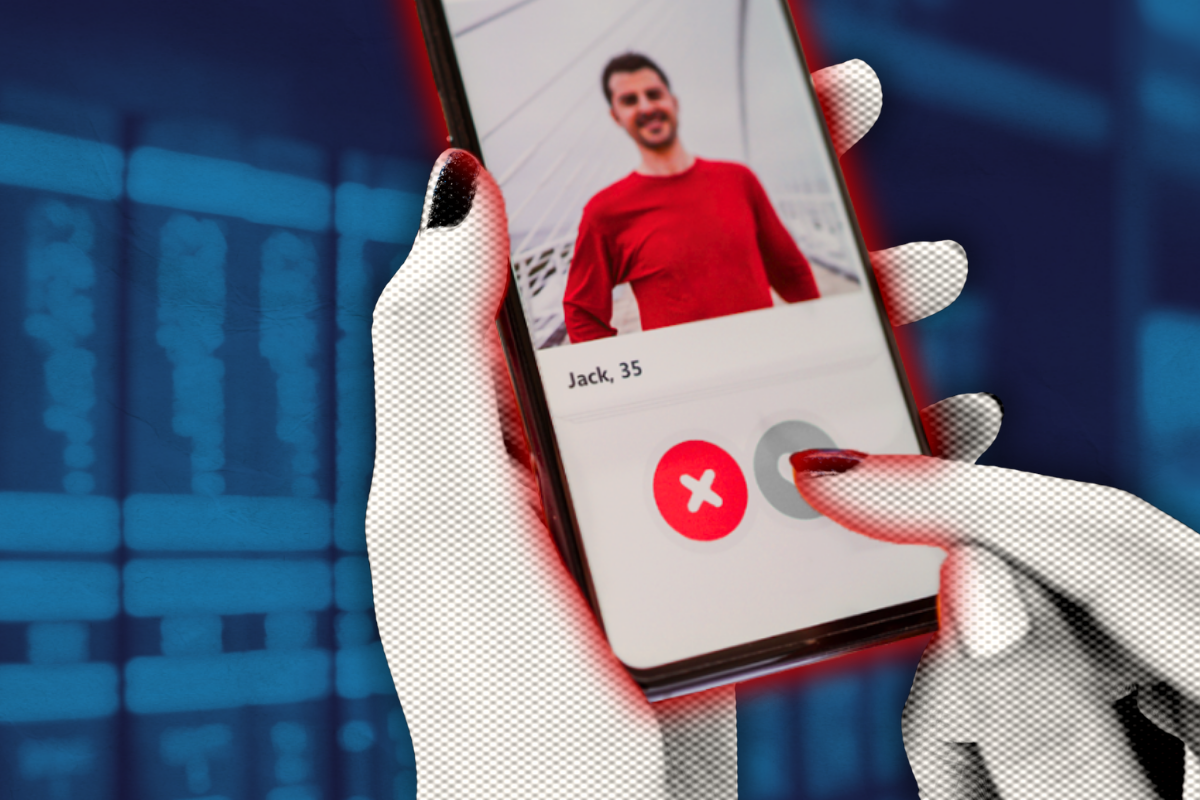
South Australia is developing nation-leading laws aimed at stopping serious domestic violence, sexual violence and child sex offenders from using dating platforms. Here’s how the proposal could work – and what experts think.
Content warning: This article discusses domestic, family and sexual violence. Support services are listed below.
Around 200,000 South Australians use dating platforms at any given time.
The state government is now developing laws that could ban serious domestic violence, sexual violence and child sex offenders from using them.
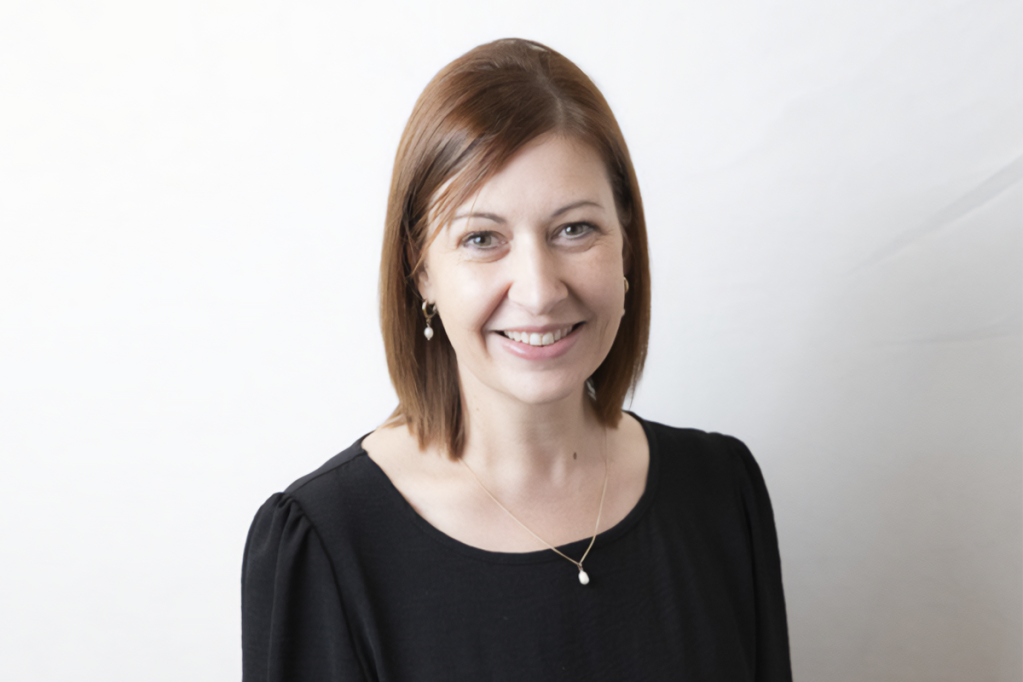
Sarah Cooper is Director of Health and Recovery Trauma Safety Services, or HaRTSS. The SA Health division includes Yarrow Place, the statewide rape and sexual assault service, and Cedar Health, which supports people aged 16 and over experiencing domestic and family violence.
She took part in a Parliament House roundtable in July as part of the consultation on how the proposed laws should work.
“We know that with people who are using violence, it’s very rare that it is in only one relationship,” Sarah says. “There tends to be that pattern that continues into future relationships.”
How the proposed ban could work
The proposed dating-platform restrictions are modelled on existing child protection laws. Under the model being considered, responsibility would sit with the offender. Using a dating app while subject to a ban would constitute a new offence.
“It sets the tone about what we will and won’t accept,” Sarah says. “We’re not only saying you can’t go on these apps, we’re going to legislate it. If you ignore that ban and you’re caught, you could be facing prison time. That’s got a bit more heat to it than a ban alone.”
The consultation includes victim-survivor advocates, the Law Society of South Australia, the Commissioner for Victims’ Rights and specialist organisations including Embolden and the Women’s Services Network. Their input will help determine which offenders would be covered and how the restrictions would operate.
Sarah says she’s pleased to see a proactive approach.
“We know there’ll be complexity, we know it won’t be an easy path. But it’s fantastic to see it’s being spoken about.”
Why an app changes things
A 2022 Australian Institute of Criminology survey found 72.3 per cent of respondents had experienced sexual harassment, aggression or violence online through a dating platform in the previous five years. One in three had experienced in-person sexual violence perpetrated by someone they met through one.
“Sadly, it’s across the board,” Sarah says. “Coercive control, technology-facilitated abuse, sharing of images, the sexual violence that people experience when they’re meeting people they first met online.”
Dating apps and constant messaging can also make a new relationship feel intense very quickly.
“It increases that capacity to hide behind a screen,” she says. “There’s research around the higher risk when it’s quicker from the meet online to the meet in person.”
“Historically you might have met someone at a bar, and you’d have a series of dates. Online it’s very accessible – particularly if that behaviour starts very intense and very targeted.”

Making it stick
The proposed reforms have also drawn support from parts of the dating app industry.
Match Group, which owns Tinder, Hinge, Match.com and OkCupid, approached the state government about taking part in the reforms. Its Trust and Safety boss, Yoel Roth, says the proposal aligns with measures the company already uses, including account verification, moderation, in-app reporting and cooperation with police.
Sarah welcomes the proposal but says it isn’t enough on its own.
“It can’t stop here,” she says. “Holding people who are using violence accountable is at the forefront. But it’s also the other end – reducing that stigma and shame, so if somebody does experience an assault, they feel like they can report it.”
Sarah says the proposal helps shift responsibility back to the person using violence.
“It’s about how we hold that accountability and who we put responsibility on. Something like this is important because it brings that responsibility back to the person using violence.”
Reducing the stigma and shame that can prevent people from reporting an assault is another part of the challenge.
“We want to reduce that stigma around the sense of shame someone might experience if they had to walk into a police station and say, look, I met someone on a dating app yesterday and I went and met them last night.”

One piece of a bigger job
The proposed dating app ban is just one measure among many aimed at preventing domestic, family and sexual violence.
SA has also legislated to criminalise coercive control and strengthened strangulation and stalking laws. The state government has restored funding to the Women’s Domestic Violence Court Assistance Service and committed $674 million to its response to the Royal Commission into Domestic, Family and Sexual Violence.
“It’s the combination of things,” Sarah says. “The prevention work, the training and education for frontline responders and health workers, and better pathways to where someone can actually get help.”
What you can do right now
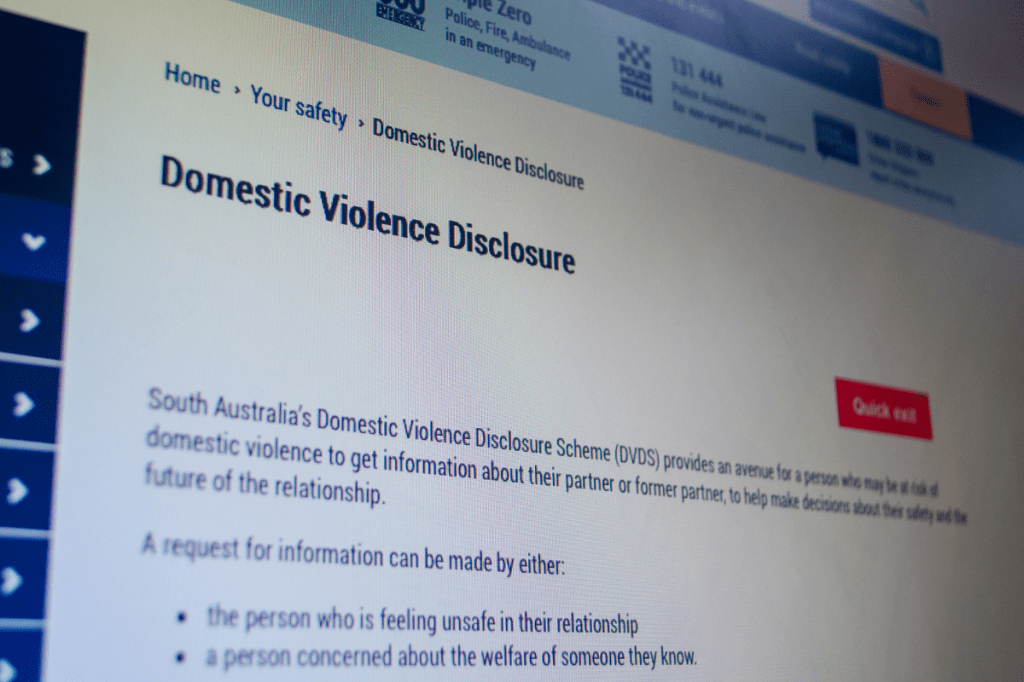
The proposed dating platform restrictions are still being developed. In the meantime, SA already has a scheme that can help people navigate concerns about an intimate relationship more safely.
The Domestic Violence Disclosure Scheme lets you ask police whether your partner has a history of violence. It’s not a background check on someone you’ve only matched with. It’s intended for people concerned about their safety in a current or former relationship.
As Sarah explains: “Where somebody might be concerned about somebody they’re in a relationship with, and something doesn’t feel right, they can access the [scheme]. And they can get advice, some support, some counselling, to really help them make a decision about their safety in that relationship.”
Applications can be made online or at a police station. A friend or family member who is concerned about someone’s safety can also apply. The process generally includes a meeting with police and a specialist domestic and family violence worker, whether or not police have information they can disclose.
It’s not your fault
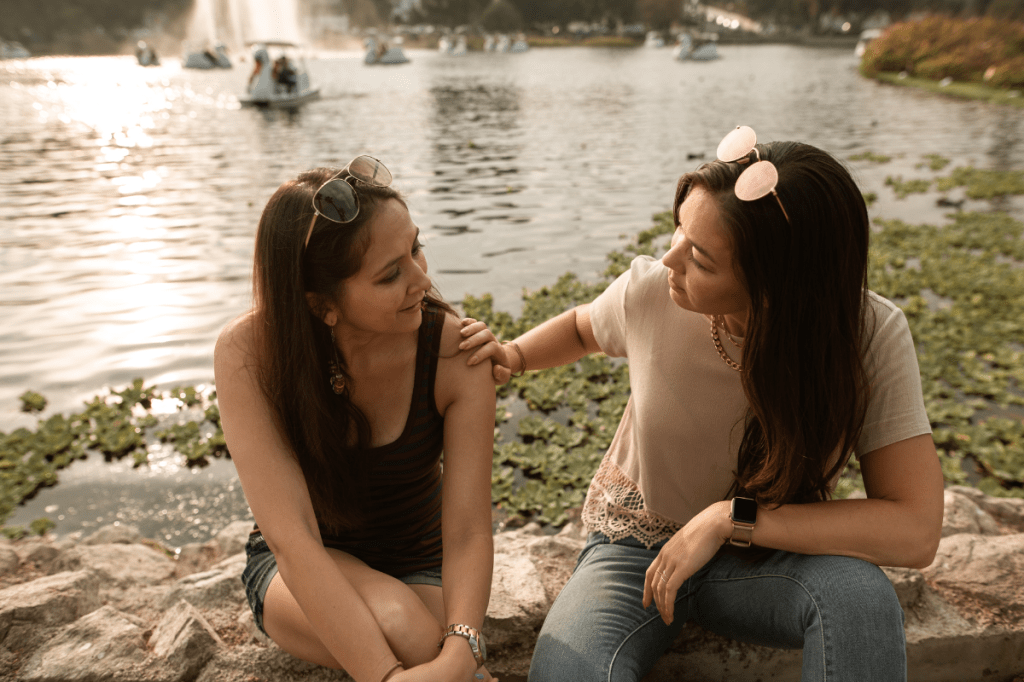
Sarah also encourages people to talk to someone they trust if something doesn’t feel right.
“For a lot of people, it’s the step before that – wanting to unpack it a little bit first,” she says.
“You could talk to your GP, another trusted person or 1800RESPECT, to work through your concerns and connect with the right service.
“Sometimes it takes time to get to a place where you decide it’s the right time to reach out, and we need to normalise that. There’s no right or wrong.”
And if someone has subjected you to violence or abuse, the responsibility isn’t yours.
“There are always messages about how people should keep themselves safe online, but ultimately it’s the responsibility of the person using violence not to perpetrate violence.
“It’s absolutely not your fault.”
If you or someone you know is impacted by domestic, family or sexual violence, 1800RESPECT offers free, confidential support 24/7 online or by calling 1800 737 732.