




What do those green and white ballot papers actually mean? And how does postal voting work? Here’s your jargon-free guide to casting your vote with confidence.
Voting in Australia is compulsory – but it’s also a right. And when you know how it works, it can actually feel pretty good to be part of it.
In some countries, people walk for hours to reach a polling place. Others risk violence or intimidation to cast their ballot. Here in South Australia, you get to vote safely, secretly – and usually with a sausage sizzle out the front.
So if you’re voting for the first time, or you’ve just never really understood how it works, here’s a straightforward guide to make sure your vote counts.
Who votes in this election?
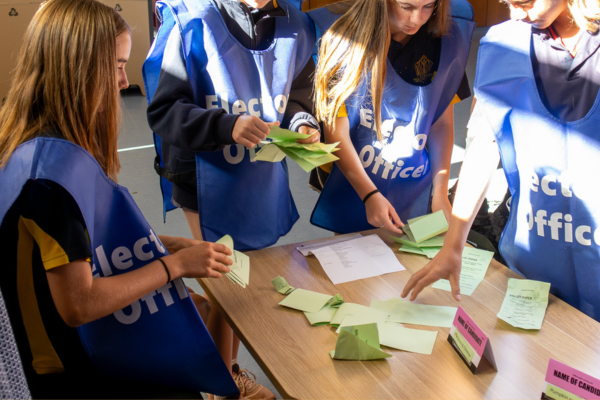
You’ll be voting in the 2026 South Australian state election if you’re:
- 18 or older
- An Australian citizen
- Enrolled to vote in South Australia
To check your eligibility to enrol and vote, visit the ECSA website.
The official Election Day is Saturday, 21 March 2026.

How to check (or fix) your enrolment
It’s worth checking your enrolment details online – especially if you’ve moved recently.
Online enrolment closed on 27 February, but new this election, you can enrol and vote in person at a polling place on the day. Just bring ID that shows your name and address (like a driver’s licence, utility bill or bank statement).
EasyVote cards are mailed to all enrolled voters before the election. They include your enrolment details and a QR code that helps staff mark you off the roll faster. They also list your electoral district and nearby polling places so you don’t need to look them up.
When can I vote, and where?
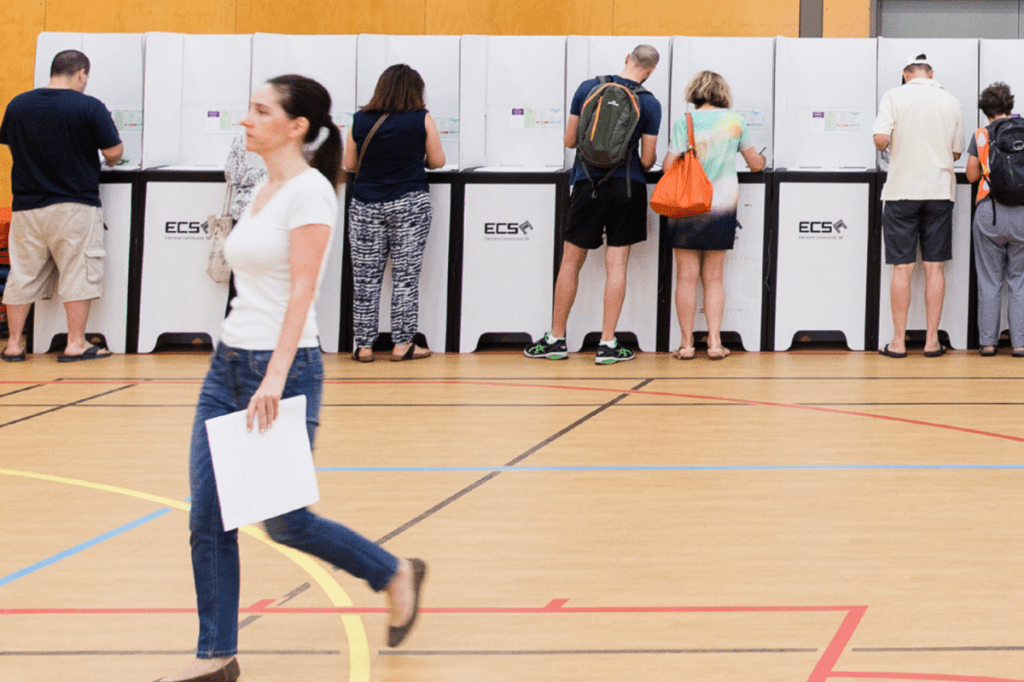
This year, you don’t have to wait for Election Day to cast your vote.
South Australians can now vote at any time during the voting period, which runs from Saturday, 14 March to Saturday, 21 March (excluding Sunday, 15 March).
Election Day is still Saturday, 21 March, but you don’t need a reason to vote early – just turn up when it suits you (no booking required).
- Hours: 8am-6pm daily, and extended hours until 8pm on Thursday, 19 March.
- Where: Any early voting centre in South Australia
Tip: If you are voting on Election Day, polling places are often busiest in the morning and quieter in the afternoon.
What are you voting for?
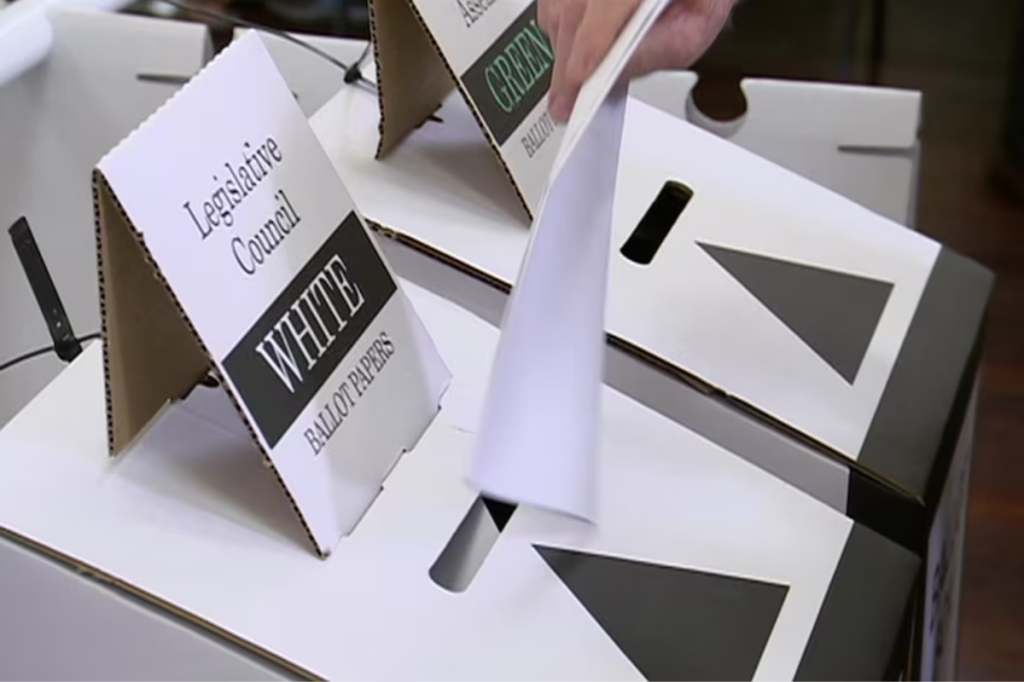
You’ll receive two ballot papers:
- One for your local MP (green paper – House of Assembly)
- One for statewide representatives (white paper – Legislative Council)
Together, these two houses make up South Australia’s State Parliament – the body that makes laws and oversees services like health, housing and education.
If you’re Aboriginal or Torres Strait Islander and enrolled to vote in South Australia, you can also vote in the SA First Nations Voice to Parliament election. Let staff know when you arrive so you can receive your Voice ballot. Everything you need to know about voting in the SA First Nations Voice to Parliament election is here.
What to expect at the polling place
You don’t need to bring anything to the polling place unless you’re enrolling on the day – in which case you’ll need ID.
Bringing your EasyVote card is optional, but scanning it helps staff mark you off the roll faster.
When you arrive, you’ll be asked three quick questions:
- What’s your full name?
- What’s your address?
- Have you voted before in this election?
Some voters may need to complete a declaration vote at this point – for example, if you’re voting outside your electorate, voting in the Voice election, or are a silent elector (someone whose enrolment details are protected for safety or privacy reasons). Staff will let you know if this applies to you and guide you through it.
You’ll then be marked off the roll, receive your two ballot papers and be directed to a private cardboard voting booth.
- Mark your papers at the private booth
- If you make a mistake, you can cross it out and write the number next to the box – or ask for a new ballot
- When you’re done, fold your ballots and place them into the matching labelled boxes (green in green, white in white)
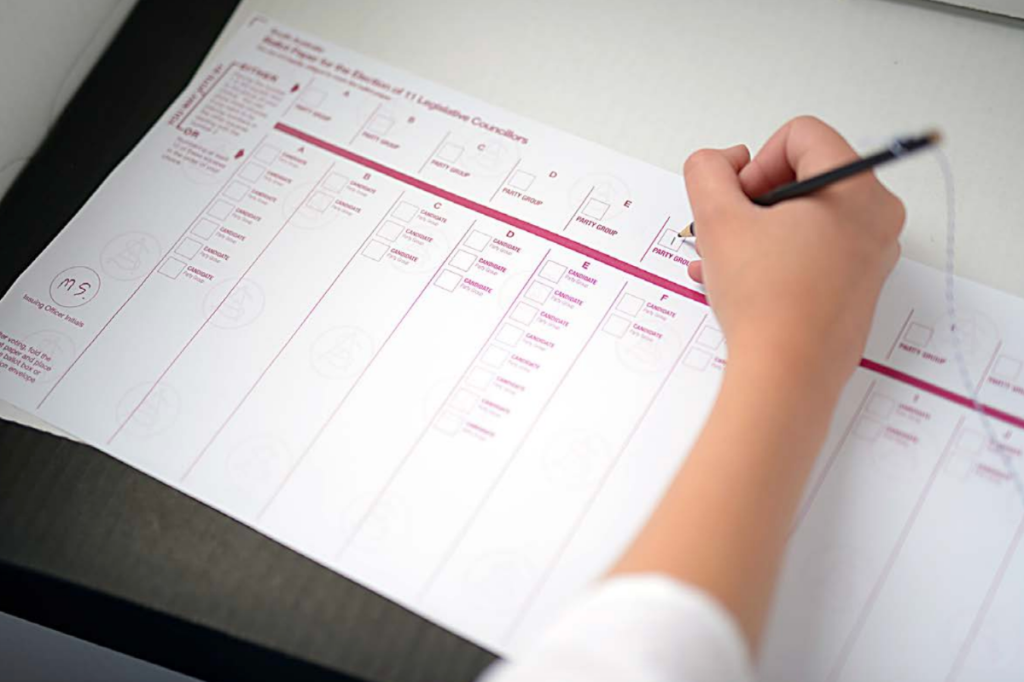
How do I vote on the white paper?
This paper is for the Legislative Council (upper house). You can vote in one of two ways:
Option 1: Vote above the line
- This means voting for a party or group
- Put 1 in the box above the party you prefer
- You can number more boxes if you like
Option 2: Vote below the line
- This means voting for individual candidates
- Number at least 12 boxes in your preferred order
The Legislative Council uses proportional representation – 11 members are elected across the state, and your preferences help decide who gets a seat.
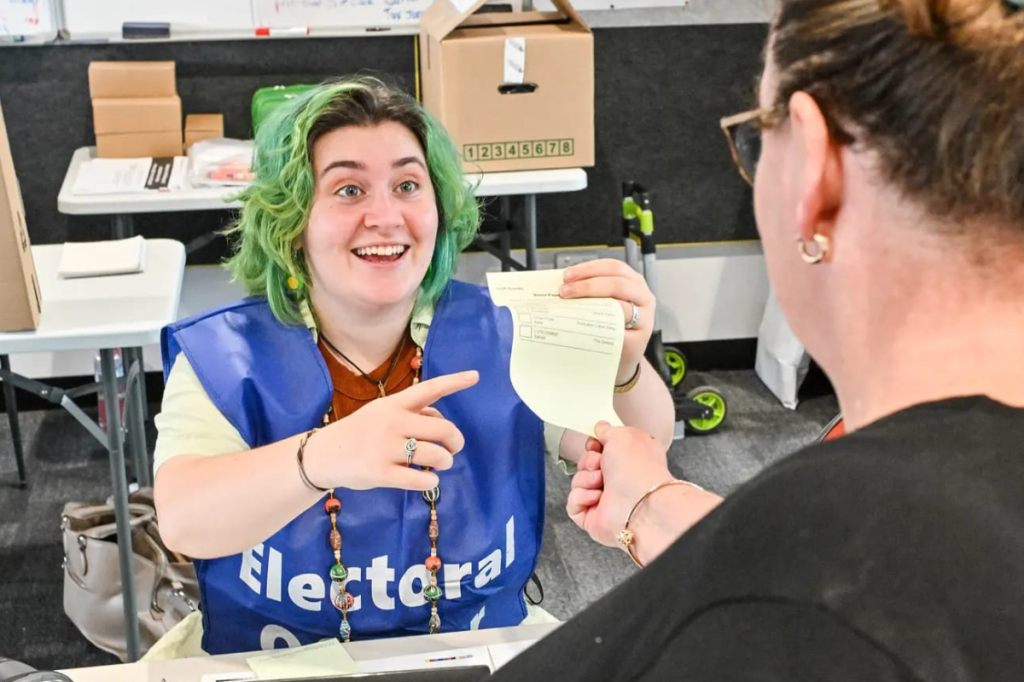
How do I vote on the green paper?
This paper is for your local MP (House of Assembly). It uses full preferential voting:
- Number every box in the order you prefer (1, 2, 3, etc.)
- Don’t skip or repeat numbers, or use ticks or crosses – that makes your vote informal
If your first-choice candidate doesn’t win, your preferences flow to your next choice until someone gets over 50 per cent. It means every vote counts.
What’s an informal or donkey vote?
An informal vote is one that can’t be counted – for example, if you skip numbers, repeat them, or use ticks or crosses instead of numbers.
A donkey vote is when you number the boxes top to bottom without thinking. It still counts, as long as the numbers are valid.
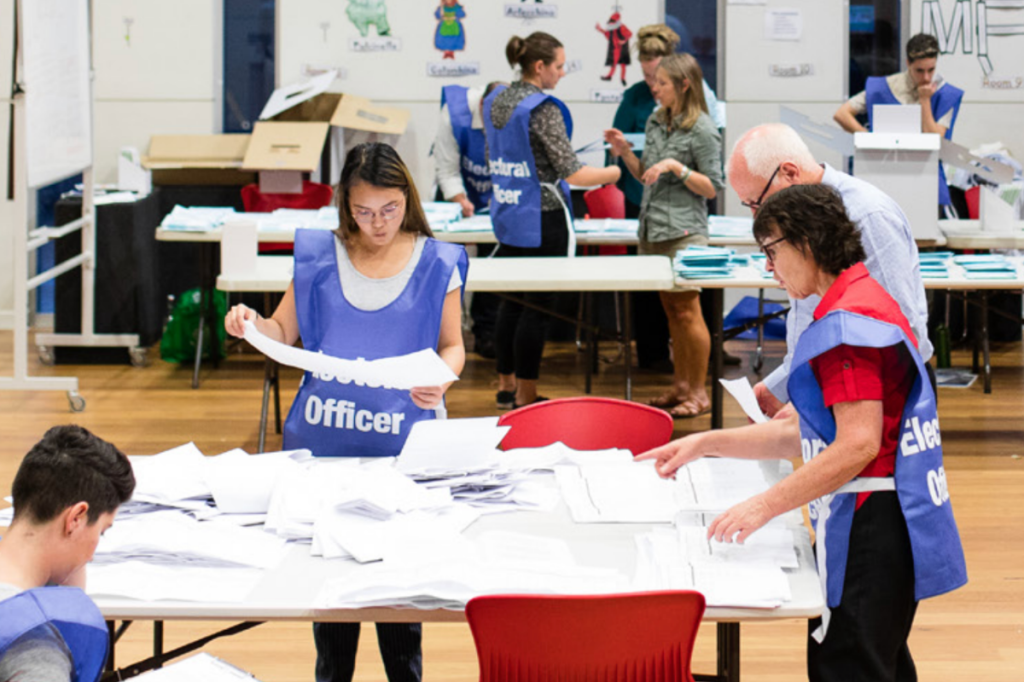
Want to plan your vote in advance?
You don’t have to decide who you’re voting for at the polling place.
You can:
- Look up your district on the ECSA interactive guide and then try to determine the candidates you can vote for by doing some research.
- Check trusted election guides and the candidates’ websites for information about them – and be wary of online misinformation
- Practise voting using the online ballot papers
- You’re allowed to bring notes or a printed guide into the booth. Just don’t take photos of your ballot – that’s not allowed
What about the flyers outside polling places?
You might be offered how-to-vote cards by volunteers outside the polling place. These show how their particular party, group or candidate would like you to vote.
You don’t have to take one or follow it – it’s up to you. Inside the polling place, campaigning isn’t allowed.
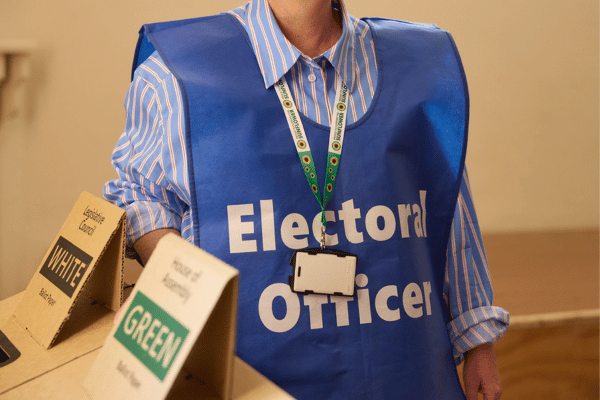
What if I need help?
If you need help voting, support is available – including:
- Seated booths and magnifiers
- Staff trained to support voters with hidden disabilities (look for sunflower lanyards)
- Voting from your car if you can’t enter the polling place
- Bringing a support person
- Telephone Assisted Voting (1300 951 579)
Most polling places have accessibility features, but not all. You can check your nearest polling centres’ accessibility on the ECSA website or on the back of your EasyVote card.
Can I vote by post or from elsewhere?
Postal voting: If you’re away, unwell or can’t attend in person, you can apply online by Tuesday, 17 March. Complete your ballot before 6pm on polling day and post it promptly.
Interstate or overseas: You can vote early at selected interstate centres, or apply for a postal vote if you’re overseas. Full details and locations are on the ECSA website.

What happens if I don’t vote?
Voting is compulsory in South Australia.
If you don’t vote:
- You’ll get a letter asking why
- If you had a valid reason (illness, emergency, etc.) you won’t be fined
- If not, the fine is $115
Election facts worth knowing
- South Australia was the first place in the world to give women full political rights (1894 – to vote and run for office)
- South Australia developed the form of secret ballot that spread overseas and is known as “the Australian ballot”
- Saturday elections began in SA to make voting easier for working people
- Australia is the only English-speaking country with compulsory voting – a system designed to make elections more representative and accessible
TL;DR: Key things to remember for the state election
- You’ll receive two ballots: green (House of Assembly) and white (Legislative Council)
- Green paper: number every box
- White paper: vote above OR below the line
- Election day is 21 March, but voting runs 14-21 March (excluding Sunday); postal applications close 17 March
- Help is always available – and you can enrol and vote on the day if you bring ID
- Some voters will receive a third ballot for the Voice election
- Take your time. Read the instructions. Enjoy your democracy sausage.
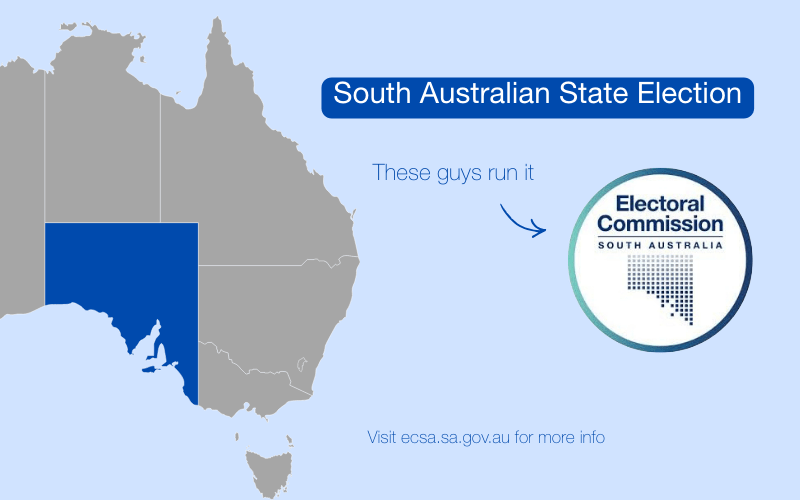
Got more questions? Head to the SA Electoral Commission (ECSA) website for everything you need to know about the 2026 state election.