



If bin night leaves you standing in the kitchen holding a takeaway container in confusion, this guide is for you.
It’s bin night. You’re standing in front of your three bins with last night’s leftovers and a dumbfounded expression. You know the container is probably recyclable, but what about the crusty rice inside? To be safe you tip the lot into the landfill bin, then walk inside feeling guilty.
Sound familiar? You’re not alone – 35-60 per cent of what’s in Adelaide’s landfill bins shouldn’t be there. Here’s where you’re going wrong – and how to make less rubbish choices.
FYI: Not all rubbish ends up in the same place
Each bin has its own truck, its own destination and its own infrastructure.
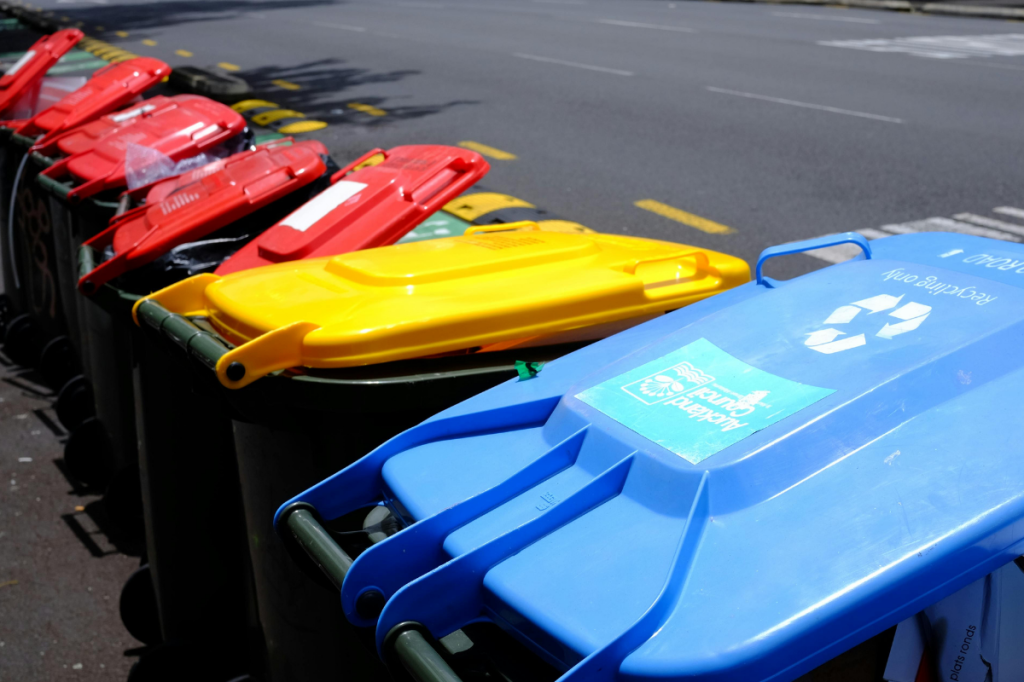
Your landfill bin (red or blue lid) goes to – you guessed it – landfill. Your yellow recycling bin goes to a sorting facility, where what’s inside gets separated into paper, cardboard, glass, metals and plastics, then sold to re-processors. Your green bin goes to a commercial composting facility, where it ends up as soil conditioner for SA farms and gardens.
The green bin isn’t just for garden clippings
Metro bin audits keep finding the same thing: landfill bins are full of food that should have gone in the green bin instead.
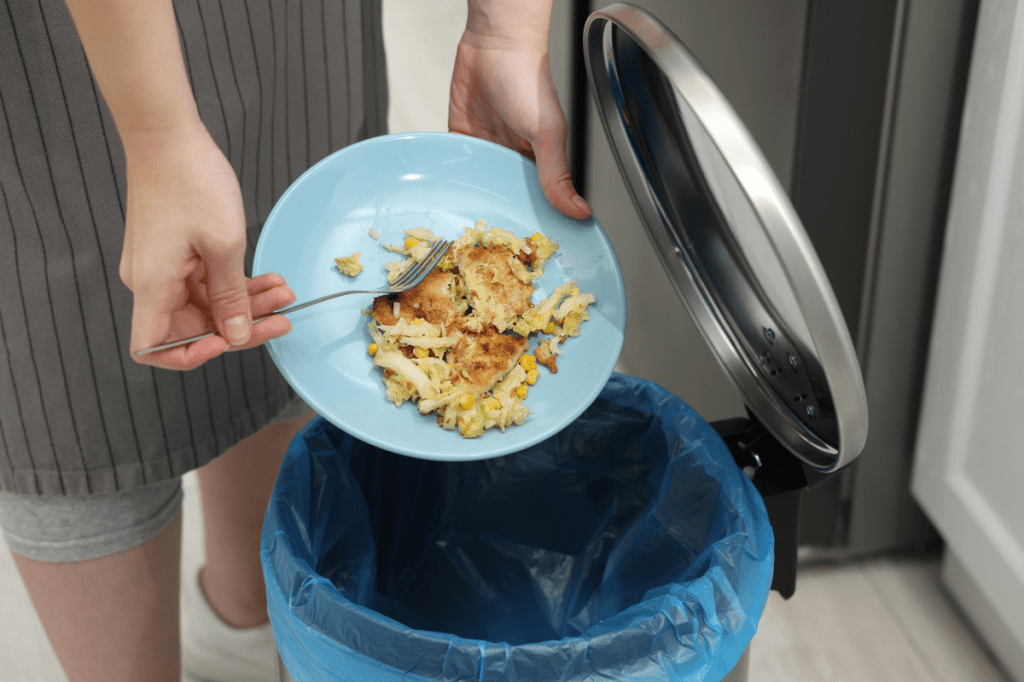
Your green bin is for all food waste – meat scraps, bones, dairy, leftovers (yep, including that crusty rice), coffee grounds, the lot.
Putting food waste in the landfill bin turns out to be massively expensive. “For every dollar councils spend sending your food waste to landfill, it would cost them about 30 to 60 per cent less to send it to composting,” says Green Industries SA’s Matt Scales. “That’s money that could otherwise be spent on playgrounds, footpaths or jetties.”
Watch where you put “compostable” packaging
The word “compostable” on a coffee cup, takeaway container, baking paper or kitty litter feels like a green (bin) light. It’s not necessarily.
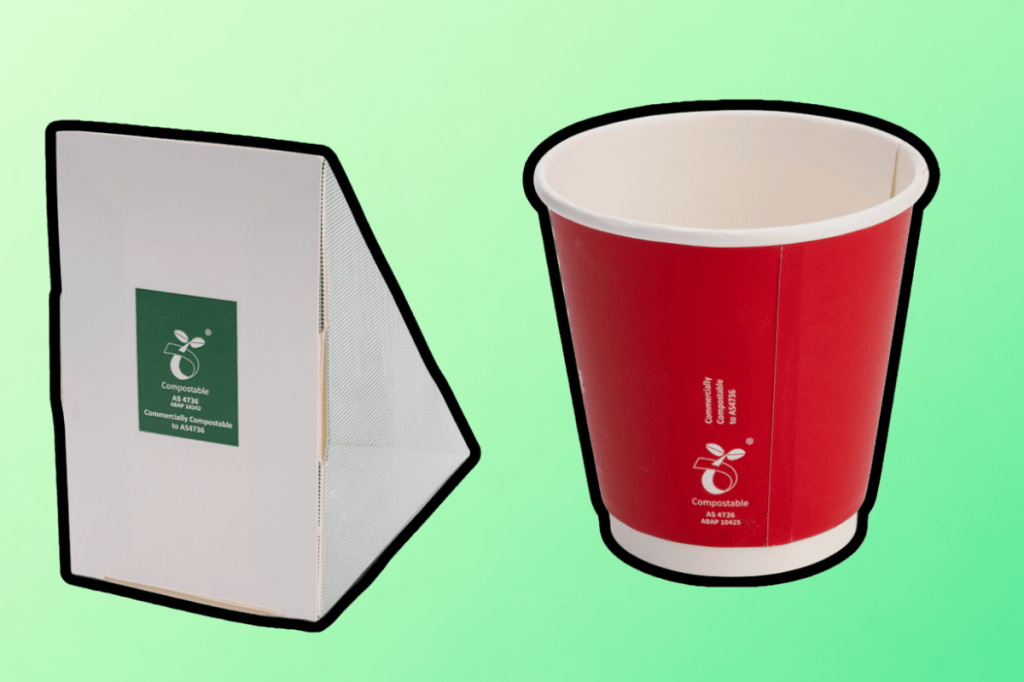
Whether something belongs in your green organics bin depends entirely on certification, not marketing language. The only label that counts is the Australasian Bioplastics Association seedling logo – if it’s on the packaging, the green bin is fine. If the packaging just says “biodegradable” or “eco-friendly” without that logo, it can’t be processed by commercial composting facilities. In that case, in the landfill (not recycling) bin it goes.
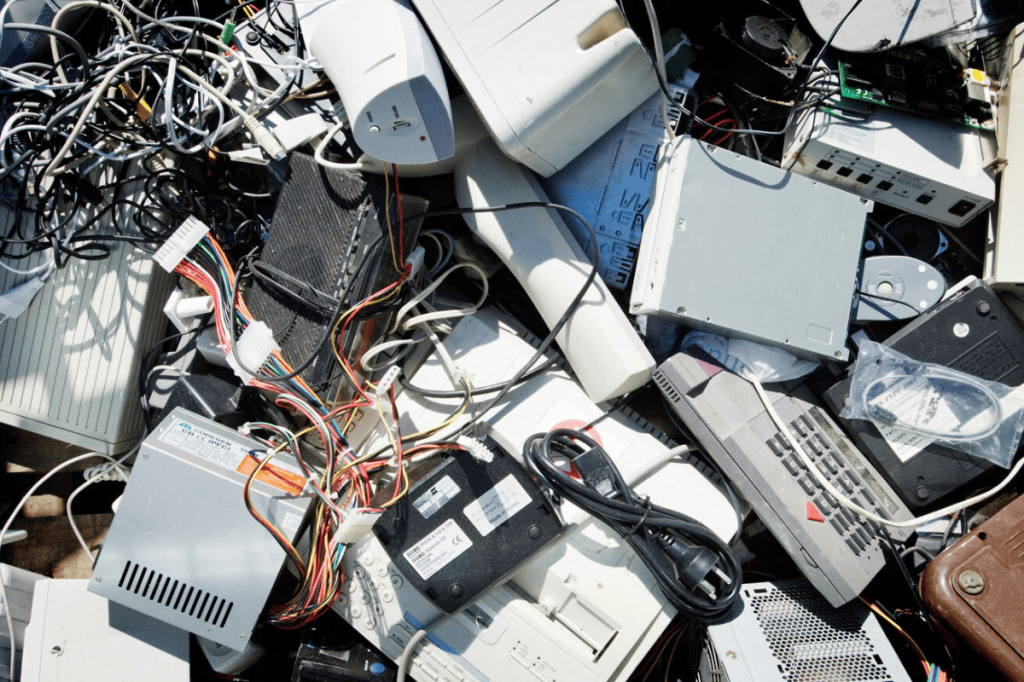
Where to put the weird stuff, like batteries or a dead TV?
None of it goes in a council bin, but all of it has somewhere to go.
The Adelaide Waste and Recycling Centre at North Plympton (181 Morphett Road) accepts electronic waste (aka e-waste), cardboard, green waste, hazardous materials, scrap metal, paint, tyres and more, seven days a week. Staff sort loads by hand into recyclable and non-recyclable streams before anything goes to a re-processor or landfill.
For hazardous materials like gas cylinders, household chemicals, fluorescent tubes, and paint, there are free drop-off depots at North Plympton, Campbelltown, Edinburgh North and Heathfield. Find your nearest one here.

Batteries in particular are worth treating with special care, as they’re responsible for thousands of bin fires nationally each year. Never put them in a kerbside bin. Here’s how to dispose of them safely.
Most metro councils offer pre-booked hard-waste collections for items like furniture, mattresses, whitegoods and gym equipment – check your council’s website to find out what’s available near you and how to book.

If you put something in the wrong bin, don’t freak out
Recycling facilities are designed to handle a certain amount of “wrong stuff”. They sort loads mechanically and by hand, pulling out what doesn’t belong. One rogue yoghurt container isn’t going to doom your entire street’s recycling efforts.
Loads only get rejected when contamination is severe, like a bin full of nappies or something genuinely hazardous. So keep trying to get it right, and don’t let the fear of getting it wrong put you off recycling altogether.
For more information on recycling and waste disposal in South Australia, visit Green Industries SA.