



Want to fight demons with a chainsaw or fix your focus with a VR headset? SA’s indie devs are doing it all – and at SAGE 2026, you can play the next big thing before anyone else.
South Australia’s video game industry is exploding – and this February, you can get hands-on with the games everyone will be talking about at SAGE 2026.
Held at Adelaide Studios in Glenside on 6-7 February, SAGE: South Australian Game Exhibition is your chance to discover the state’s creative game-making talent, play new and unreleased games, meet the developers, and find out how to turn your passion into a career.
Presented by the South Australian Film Corporation (SAFC), entry is free and the whole event is part of Adelaide Fringe.
Expect a huge range of games across PC, console, mobile and VR; live discussion panels featuring creators and industry leaders; and award-winning indie titles made right here in SA.
Whether you’re a lifelong gamer or just game-curious, SAGE is the best place to get a taste of what’s next.
The SA-made games you’ll be playing next
SA’s developers are making games that are bold, diverse and globally recognised – and with new investment and international attention, the state’s next chapter is already loading.
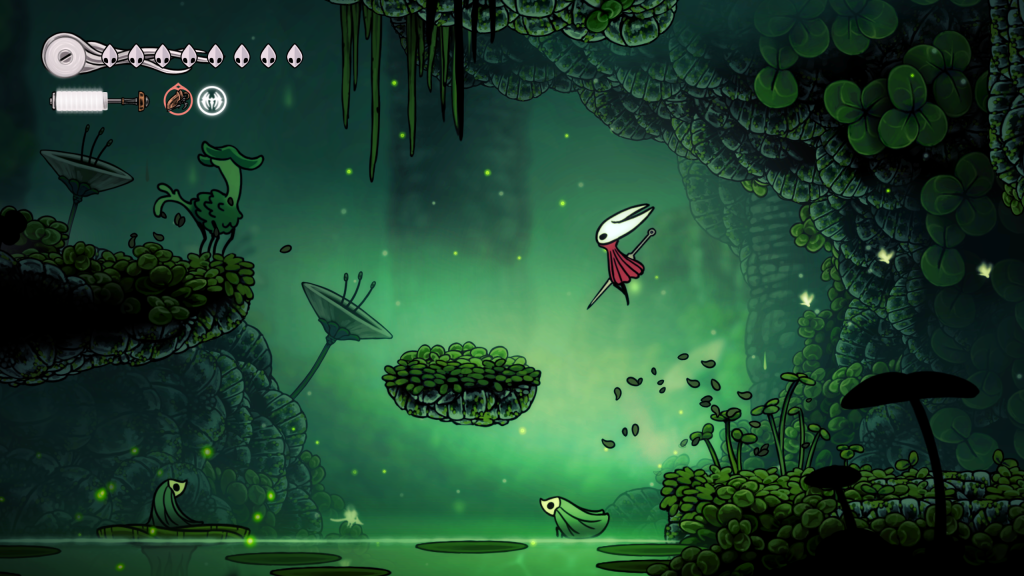
When Adelaide-based studio Team Cherry launched Hollow Knight: Silksong last year, it crashed Steam – the world’s largest PC gaming platform – and became a global sensation for the three-person team.
With over five million fans waiting to play, it was the kind of record-breaking moment most studios only dream about – and it all started right here in South Australia.
Why it’s game on
Australian studios generate around $339 million a year, employ more than 2,400 people, and earn 93 per cent of their revenue from overseas. And with 11 per cent of the nation’s developers based in SA, local creators are helping shape that success.
Supported by the SAFC, the work of local studios has been showcased across the globe, from Gamescom 2025 – the world’s biggest gaming convention – to SXSW Sydney and, this month, at Adelaide’s SAGE.
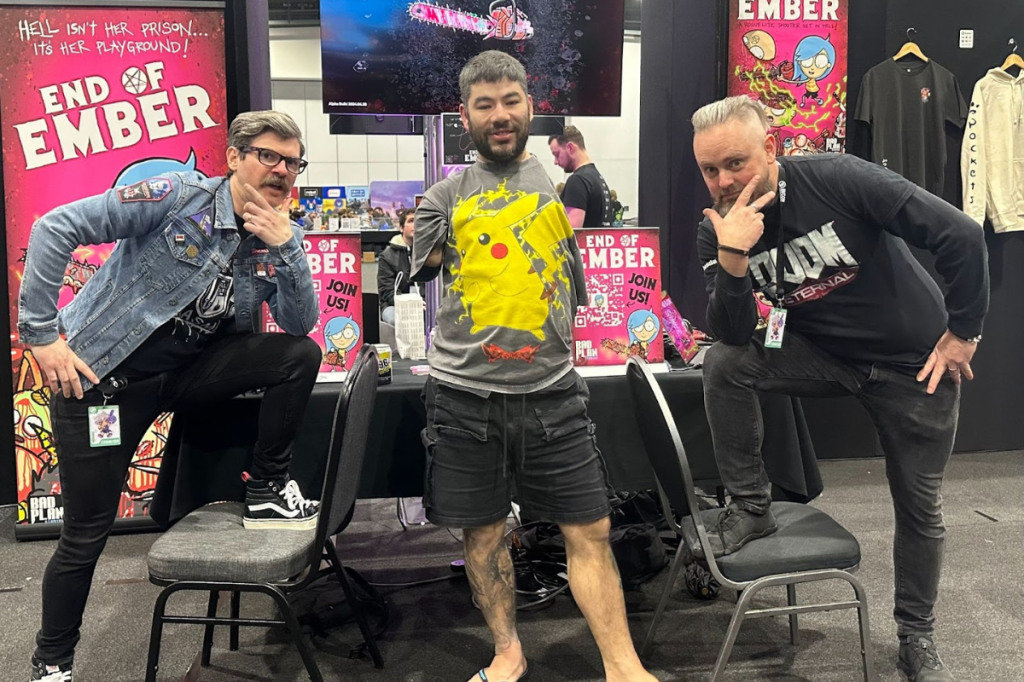
Among the SA delegation to these events has been Bad Plan Studios, the Adelaide indie behind horror-comedy roguelite End of Ember.
Co-founder Chad Habel says these experiences have been “absolutely enormous”.
“It was incredible just to see our game sitting alongside titles we’ve admired for years.”
A hellishly good time
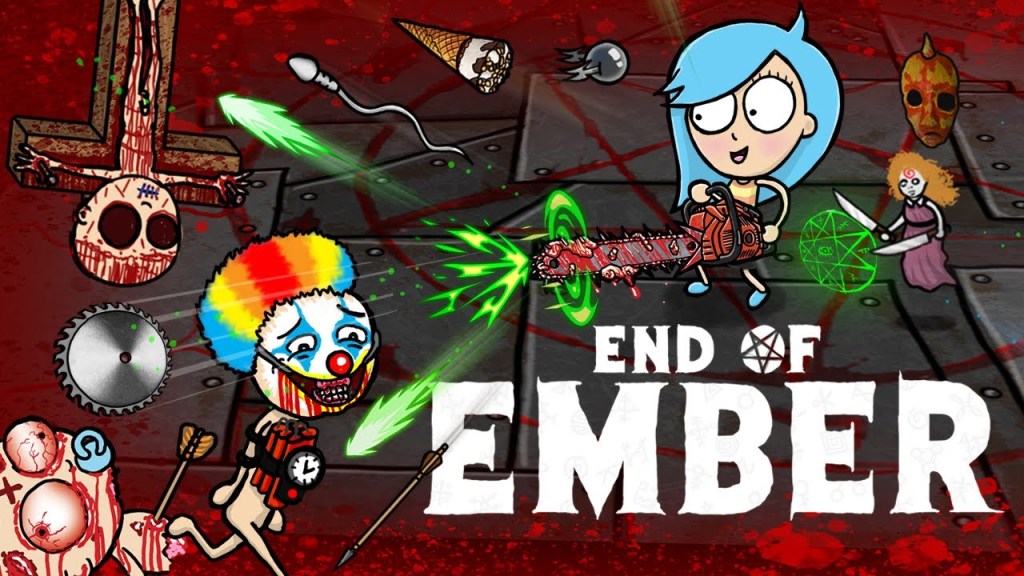
If Silksong was all precision and polish, End of Ember is the chaotic cousin. You are Ember, a sweet girl who finds herself sent to Hell on her birthday. With nothing but a chainsaw for a companion, you explore grotesque dungeons and face off against the vile denizens of the Underworld.
And while it’s still in development, players can already jump in – the free playtest version is live on Steam, giving fans an early taste of its high-action, highly-addictive cartoon chaos.
It’s a project built on pure indie grit: “We all have kids, day jobs, and a lot of coffee … The game exists because we love making it.”
The studio is as unconventional as the game itself – comic artist Daniel McGuiness, educator Chad (who heads graduate programs at the Academy of Interactive Entertainment), and Eliah Smith, a programmer who codes, drives and plays using only his feet. “He’s proof that creativity always finds a way.”
Rewriting the rules
If Chad and his team represent the DIY energy of SA’s indie scene, Onnie Chan is ensuring the next wave of developers has even more perspectives.
“When I studied my Masters in Immersive Media Technologies at the University of Adelaide, all my lecturers were men,” she says. “So I started a club where women could teach each other the software and coding we weren’t being taught.”
That student club became Women in Creative Technologies (WiCT) – a not-for-profit that now runs workshops, mentoring and events for women in tech. Its latest initiative, Power Her Up, helps women turn ideas into action through mentoring, skill-building and a growing online community.
And Onnie isn’t just talking about change – she’s coding it. Her latest project is a VR game for adults with ADHD, designed to support focus, time management and emotional regulation.
“I’m building something that can help people like me. There are so many talented women who just need the chance to show what they can do. Diversity doesn’t just make the industry fairer – it makes it more creative.”

Powered by community
Both Onnie and Chad agree that Adelaide’s close-knit creative culture is what makes it such a good place to build games.
“When I came here, I was blown away by how friendly and supportive the community is,” Onnie says. “It’s like a family – when the parents are busy, the siblings look after each other.”
And the industry is only set to keep growing – and innovating.
The SAFC’s support of the sector spans everything from the SA Video Game Development (VGD) Rebate to its new Digital Games Fund – a pilot program offering grants of up to $100,000 to help local studios develop projects and grow their businesses.
“Games are art,” Chad says. “They can be funny, scary, emotional or weird. The more voices we have making them, the better they get.”
Wanna play?
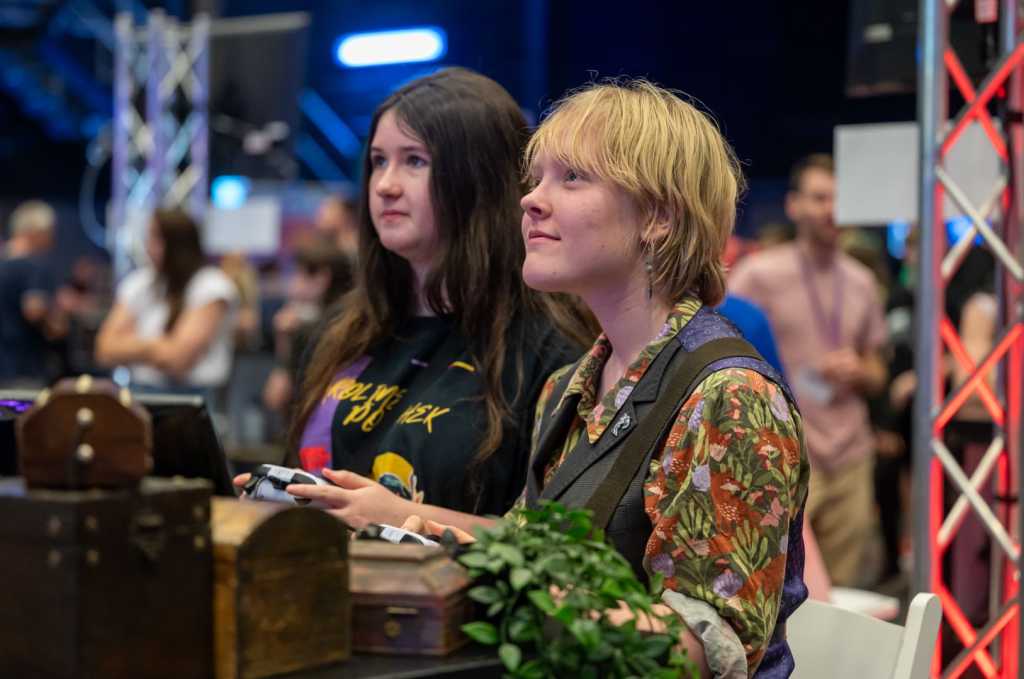
If you want to experience the best of South Australia’s game development scene, SAGE 2026 is the place to start.
- Play SA-made games across PC, console, mobile and VR
- Meet the developers and discover how games are made
- Hear from industry leaders at free SAGE Advice panels
- Explore careers, courses and skills in game development
- Vote for your favourite titles and see who wins the SAGE Awards
SAGE: SA Game Exhibition runs 6-7 February at Adelaide Studios, Glenside. Entry is free but ticketed. Book your spot online now.
Find out more about South Australia’s video game creatives here.