


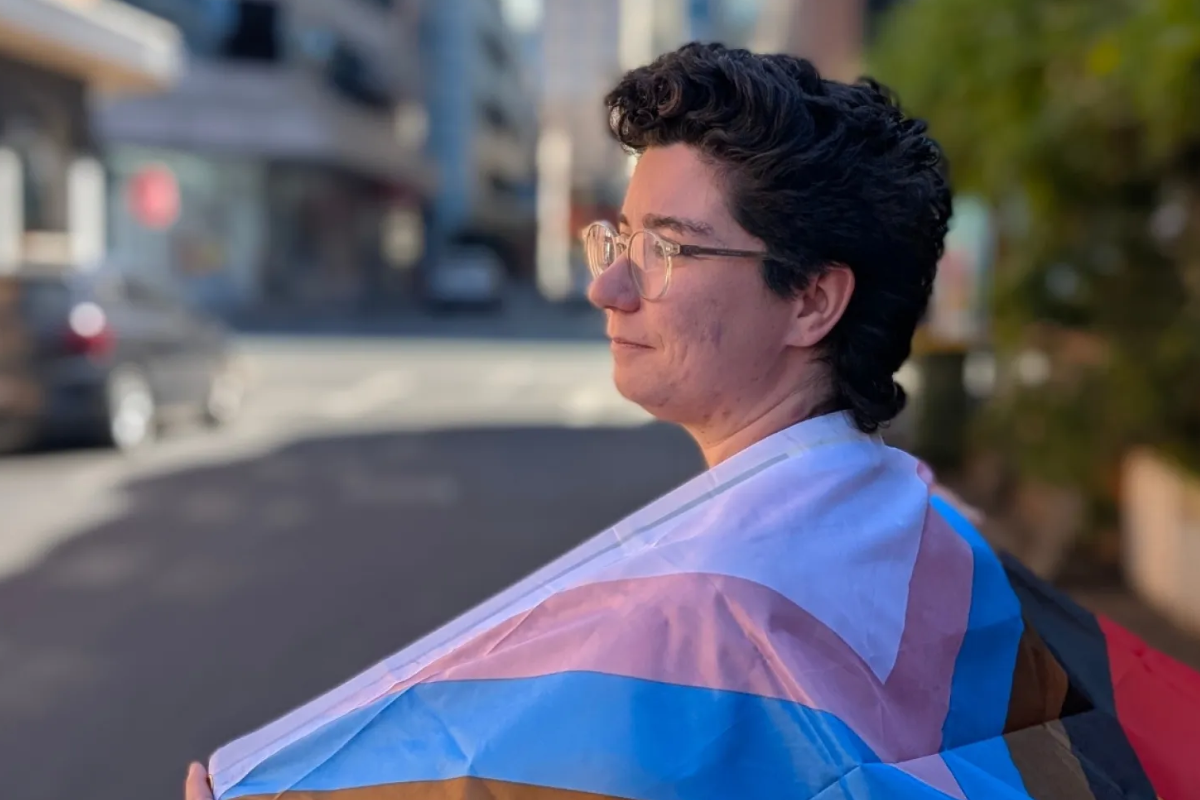
Varo Lee spent five years being misgendered at work because no one asked one question. This Pride Month, they tell their story – and explain how allyship starts with paying attention.
Varo Lee is non-binary. So when they started their first job out of uni and the new-employee form offered three options for sex – male, female or other – they ticked “other”, assuming someone from HR would follow up. That never happened.
“I was entered into the system as female, and was misgendered from then on. No one asked me about it. No one said, what name do you want to be known by? What pronouns should we refer to you?”
Varo says that meant years of being referred to by the wrong name and pronouns at work.
“Hearing my legal name, something would just drop in my stomach,” Varo says.
“I spent around five years being perceived as someone I wasn’t, which had a profound impact on my mental health.”
“I effectively went back into the closet. It wasn’t until I left that I was able to reflect on it, and had that realisation of how much that impacted me.”
Varo shares their story as South Australia this month celebrates Pride Month. They say the whole thing could have gone differently if one person had asked one question – and followed through. Sometimes allyship is a big public stand. Just as often, it’s one person paying attention.
Varo would know. The person that form couldn’t categorise is now Chief Executive of the SA Rainbow Advocacy Alliance (SARAA), the state’s peak body for LGBTIQA+ South Australians, and chairs South Australia’s LGBTIQA+ Minister’s Advisory Council.
Why visible support matters
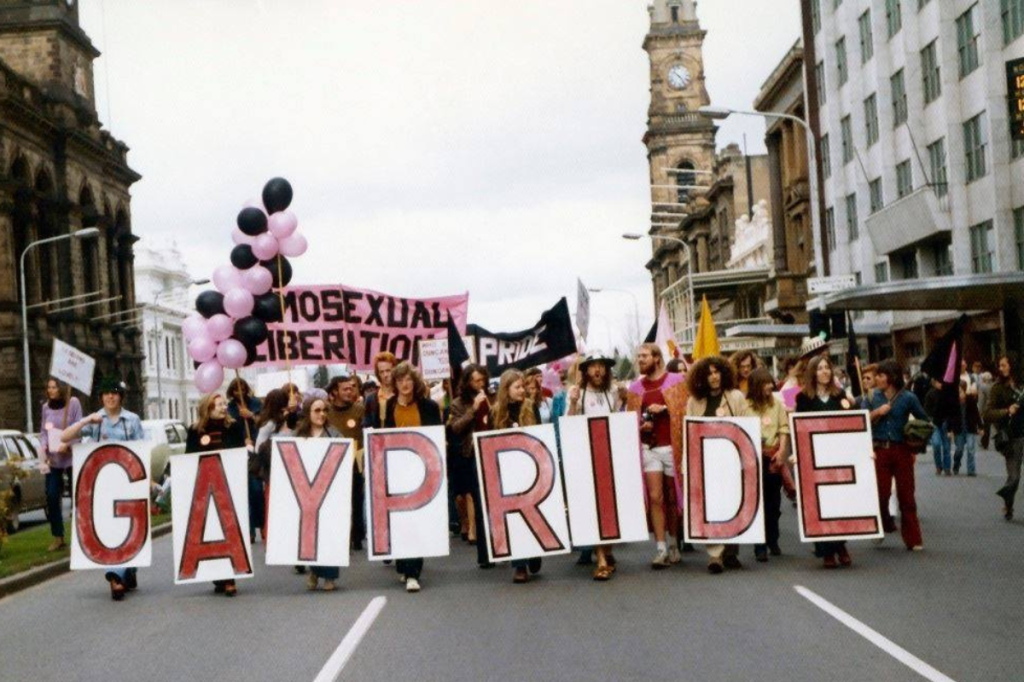
South Australia has a genuine claim to being a leader here. Last year marked 50 years since it became the first Australian state to decriminalise homosexuality.
“To me it’s about saying that pride and equality is part of South Australia’s legacy,” Varo says. “And at the moment, that’s at risk.”
“I think things have been pretty rough. We’re still seeing this rising level of hate and discrimination.”
That includes anti-LGBTIQA+ rhetoric in public debate and everyday remarks that make people feel unsafe.
“When we talk about the health and wellbeing of LGBTIQA+ communities, and we see those rates of psychological distress, those rates of suicidal ideation, and then you look at the conversations happening in our media, in our schools, in our workplaces – it’s no wonder that happens,” Varo says.
“Our allies need to come out in support of LGBTIQA+ communities. When you’re exposed to hate on such a recurring basis, you get it into your head that people are not going to accept you. So we need those active steps of visibility to actually feel comfortable being who we are.”
You don’t have to understand everything
For anyone who wants to help but is scared of getting it wrong, Varo says it’s simple.
“I think you can distill it down to: don’t be a bigot. You don’t have to understand, you don’t have to be trained. No one’s trying to convince you to become transgender or queer or whatever. You just have to listen to what the person says, and how they express themselves, and follow that.”
That might mean using the name and pronouns someone asks you to. It might mean not turning a person’s identity into a debate. It might mean accepting that someone else’s experience of the world is real, even if you can’t imagine it yourself.
Start at work
The workplace is one of the easiest places to start making small changes that matter. Varo says LGBTIQA+ people are more likely to be open at university, then find themselves retreating again once they start work.
Many brace for judgement when they walk into a health clinic because their past experiences have been negative. One trans man Varo knows went to the GP with a cough and was asked whether it might be his hormones. “He was like ‘I just need to cough’,” says Varo.
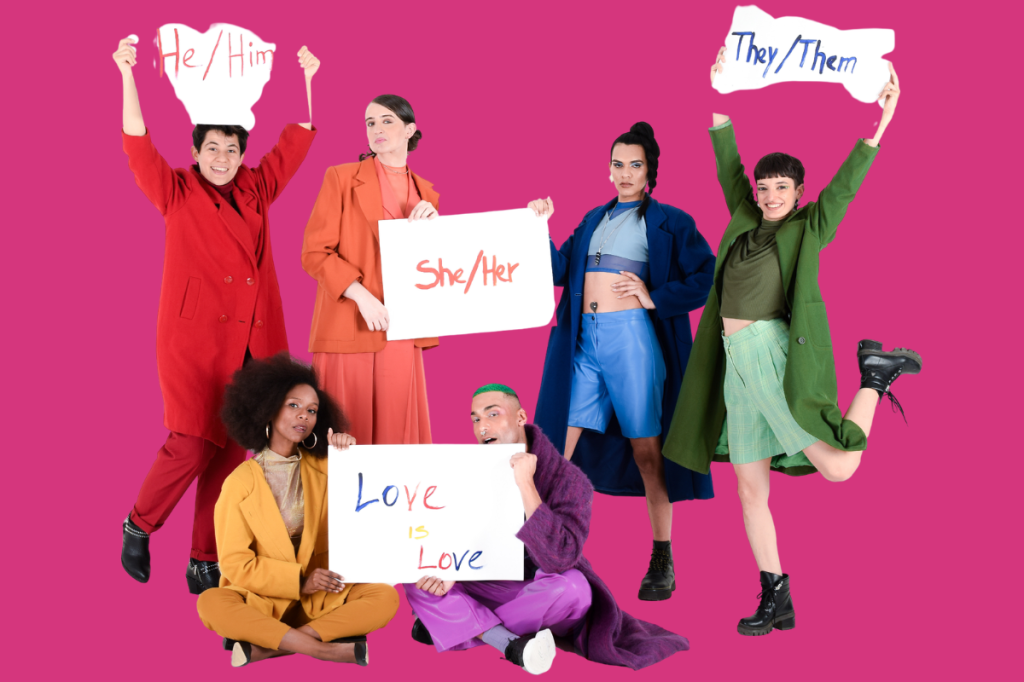
The small signals do a lot of the lifting. For instance, sharing your pronouns, even when they’re the ones people assume.
“If you’re sharing yours, it’s a way of demonstrating that you understand what pronouns are, and how to respect people who might have pronouns other than she/her or he/him,” Varo says.
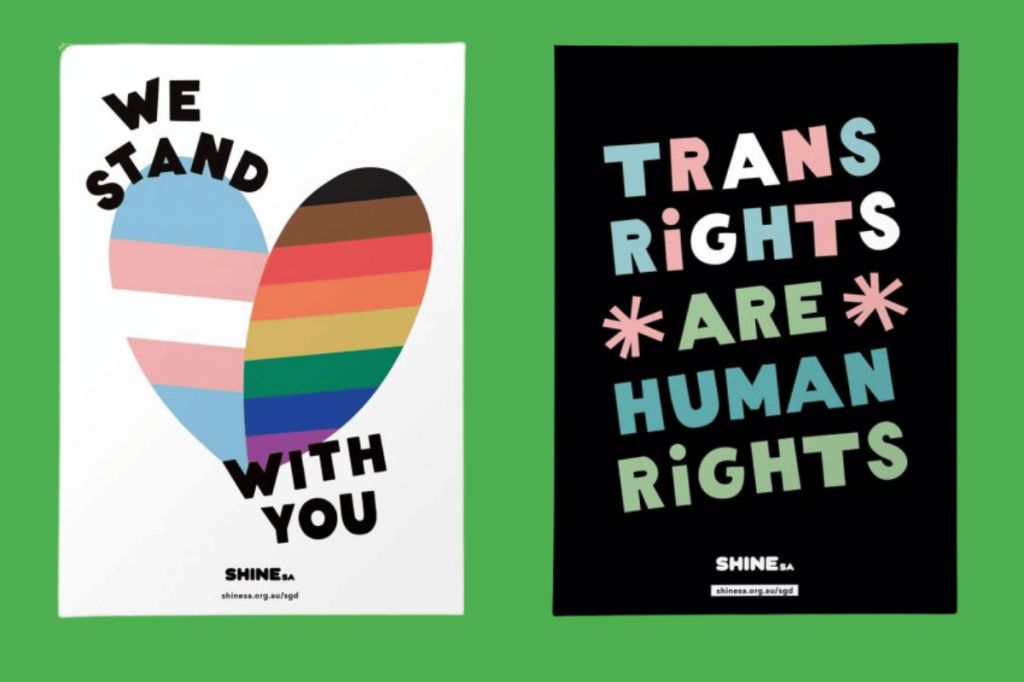
A Safe Space poster on the door, or a line on a form that lets someone state their pronouns, both do real work to create a safe environment.
“What those actions say is, we can access this service and be who we are, and be respected,” Varo says.
Varo says it’s a win-win. “When people feel like they can bring their whole selves to work, they’re more effective. You want people comfortable so you get the best out of them.”
Young people notice when support is visible
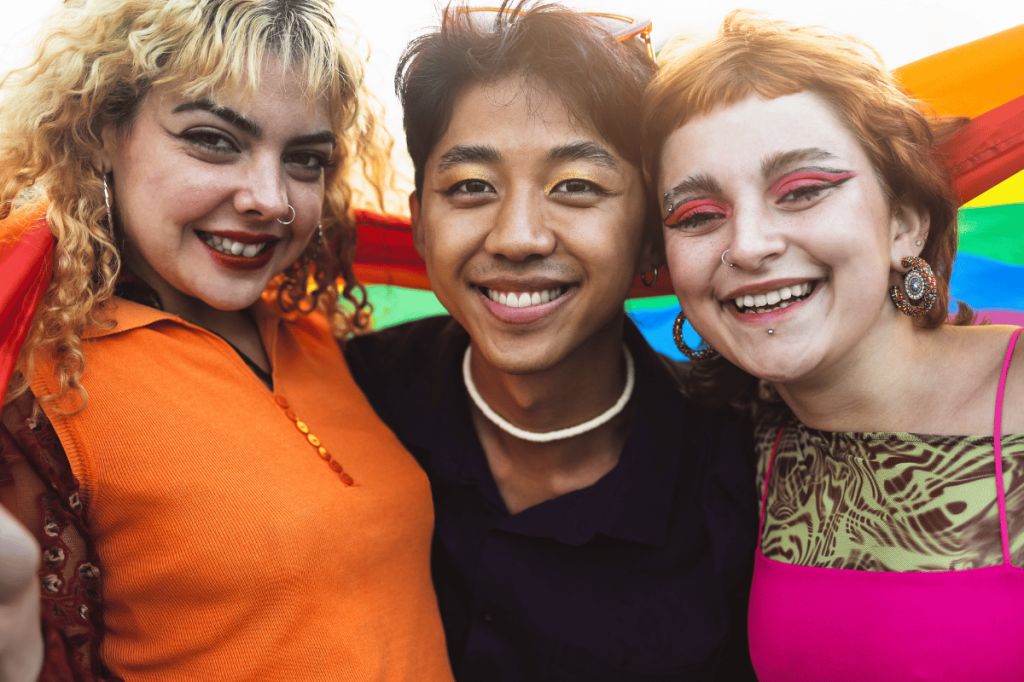
Varo recently spent time with university students and came away hopeful.
One campus had a rainbow room that, in their own student days, was a grim corner everyone avoided. Now it’s packed and buzzing – and when Varo asked the students what challenges they were facing, many said they felt genuinely accepted.
“It’s a reminder that young people are coming up in a space where they’re so much more connected to identity and language and understanding.”
Young South Australians are also creating space for trans voices in creative and community settings, showing how visibility can happen well beyond formal Pride Month events.
Showing up can look like a party, too
This month, the sold-out South Australian Pride Gala and Awards brings LGBTIQA+ communities, allies, volunteers and supporters together on 6 June. The Awards recognise the people strengthening inclusion and belonging.
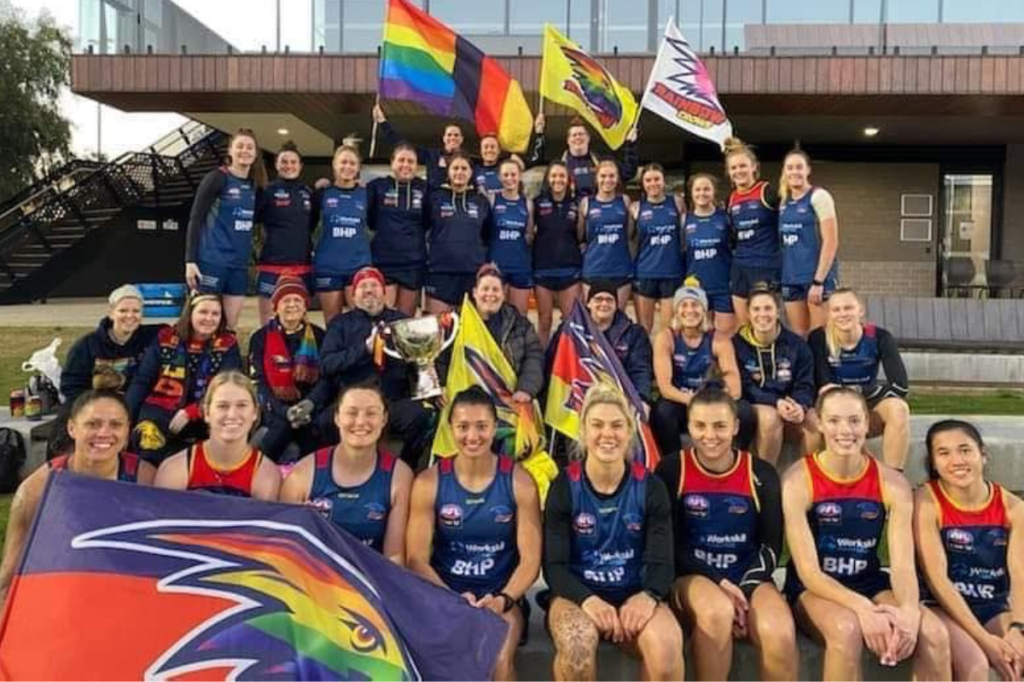
2026 finalists include performers Glitzy Von Jagger and Princess Laya, community groups Pride of the South and Feast Queer Youth Drop In, health organisations SHINE SA and Thorne Harbour Health, and sporting community the Rainbow Crows.
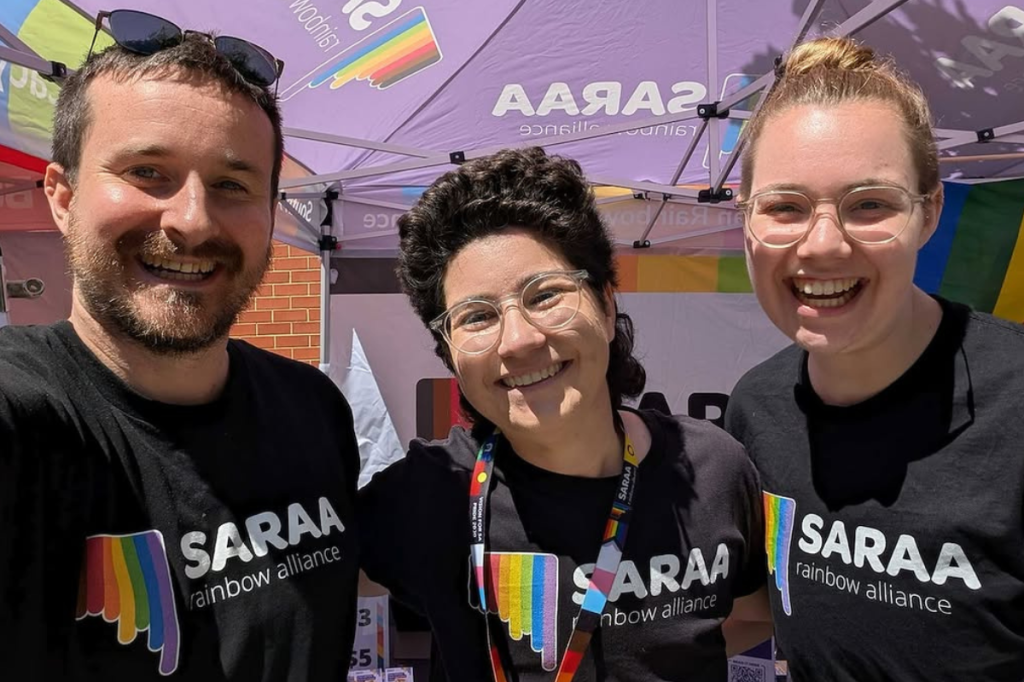
SARAA took out the Sports, Health and Wellbeing Award at last year’s gala, and is a finalist again this year, this time for Community Group of the Year.
“We’re really fortunate to be a finalist again,” Varo says. “There are so many incredible groups doing that work.”
Pride Adelaide Chair Dave Newman says the Awards are about the people who do the work without much fanfare.
“These awards matter because they tell our communities’ stories,” Dave says. “They highlight the people who keep showing up, often without recognition.”
It’s a celebration – but also a reminder that safety and visibility don’t happen by accident. They’re built by the volunteers, advocates, performers, families and allies who keep doing the work long after the decorations come down.
Events like Feast Festival also give LGBTIQA+ stories, performers and communities space to be seen, heard and celebrated.
Where to start
If you want to be an ally but aren’t sure what to do next, start small – and make it visible.
That could mean:
- Sharing your pronouns at work, in your email signature or when you introduce yourself
- Checking whether your workplace, club or organisation’s forms recognise more than “male” and “female”
- Challenging homophobic or transphobic comments when it’s safe to do so
- Showing up to Pride Month events, and LGBTIQA+ events and marches year-round
- Supporting and sharing the work of Pride Award finalists and local LGBTIQA+ organisations
- Learning from LGBTIQA+ resources instead of expecting queer and trans friends to explain everything.
That support can also look like backing local spaces such as Rainbow Connections Playgroup, which helps LGBTIQA+ parents and children find community.
SARAA’s website is a good place to begin, with downloadable guides, webinars and videos to help people learn about LGBTIQA+ history and communities, access inclusion training and speakers, and get involved in advocacy.
“There are things I still learn working in this space every day that I didn’t know,” Varo says.
Find LGBTIQA+ services and inclusion resources through the Department of Human Services, and follow Pride Adelaide to see the 2026 Pride Award winners.