


Odetta Maxwell didn’t make a big deal of registering as an organ donor. After her death, that small decision became one of the biggest gifts she could leave behind.
The last thing Odetta Maxwell said to her mum before leaving the house was simple.
“You have a good day.”
A short time later, the 25-year-old was critically injured in a crash on Port Wakefield Highway.
Two days later, Odetta died from her injuries.
For her younger sister, Isobel Vlahiotis, it was one of the hardest days imaginable. But one thing made a difference.
When doctors explained that Odetta had registered as an organ donor, Isobel didn’t hesitate.
“We’d kind of discussed it; we never had a serious conversation [as in] ‘I want to be an organ donor, and these are my wishes’, but she used to say ‘If I die, donate my body to science. I don’t want to be eaten by worms’,” Isobel says with a laugh.
It wasn’t a formal family discussion around the dinner table. It was classic Odetta – funny, matter-of-fact and generous.
That was enough.
The sister who never stopped giving
Odetta lived a remarkable 25 years.
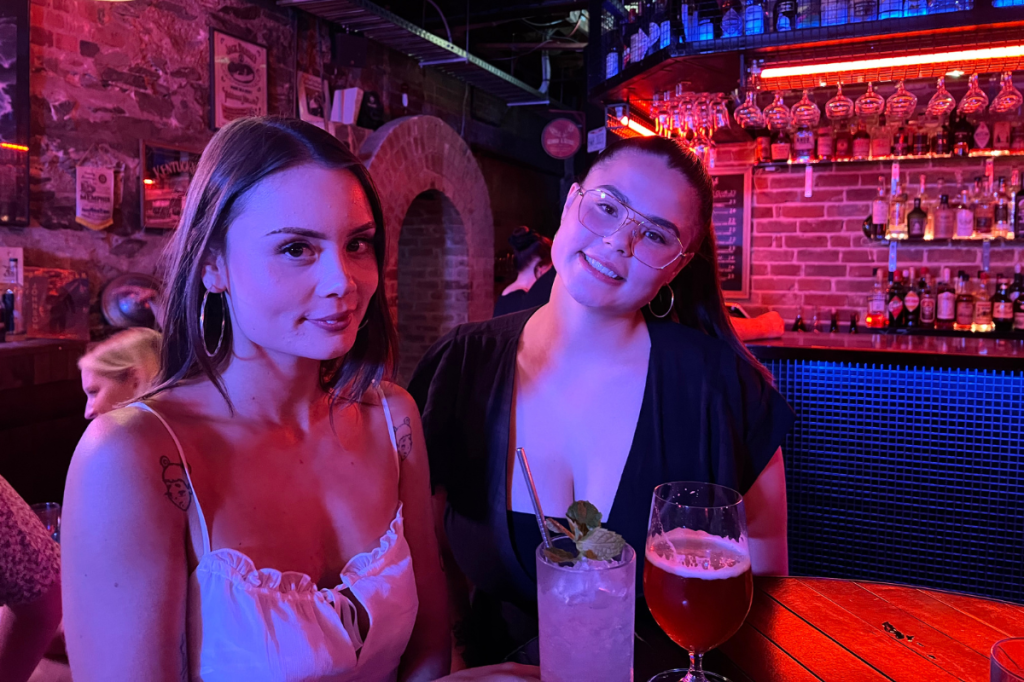
She was a talented musician whose dance tracks made their way onto Triple J Unearthed. She was studying psychology and neuroscience, inspired by the brain injuries both of her parents had sustained in separate car crashes years earlier. She worked in disability care, waitressed at some of Adelaide’s best-known restaurants, loved travelling, surfing and discovering great food.
Most importantly, she spent years helping care for her parents, whose disabilities had shaped life for her whole family.
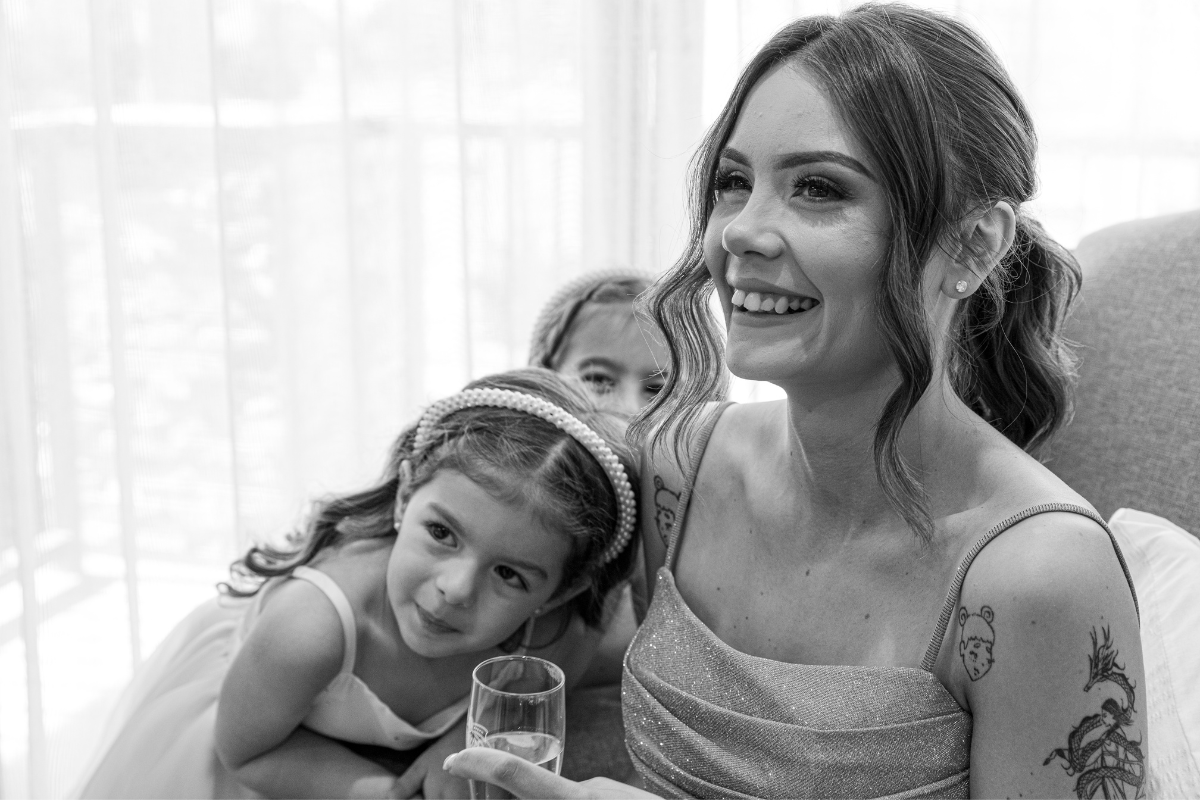
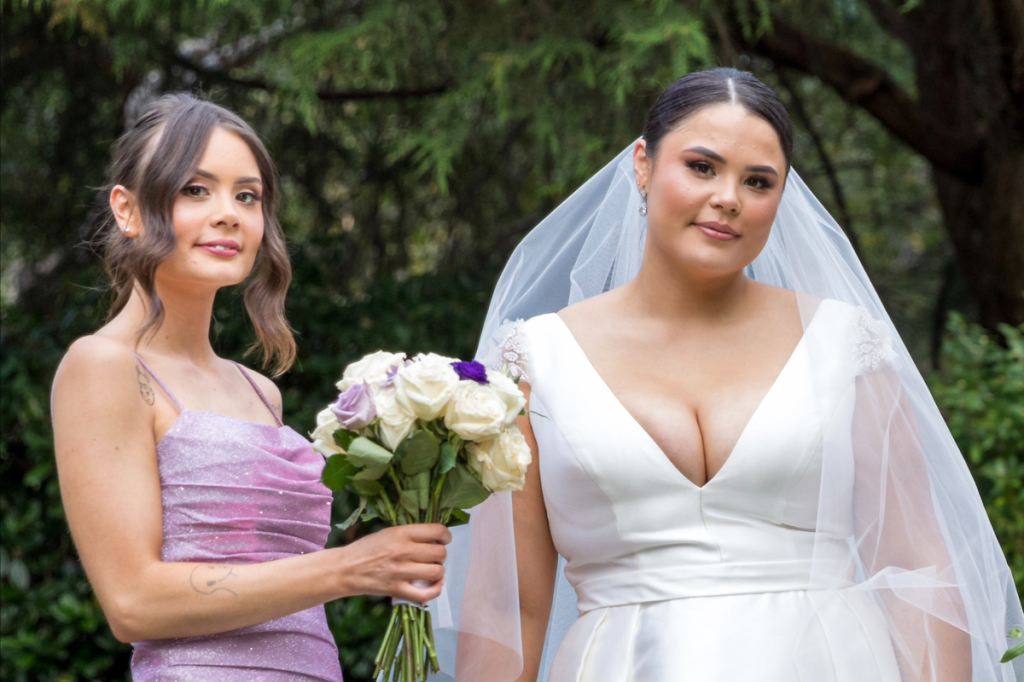
Growing up just 18 months apart, Odetta and Isobel shared an unusually close bond, forged through caring responsibilities and an unwavering commitment to one another.
So when doctors gently raised the subject of organ donation at the Royal Adelaide Hospital, Isobel says it felt like the obvious decision.
“There was no pushiness or anything like that. They came in and said ‘Odetta has ticked yes [to organ donation]. Do you guys want to go through with that?’”
“And to be honest, I don’t remember feeling confronted or anything negative. It felt like this was the natural way that we had to go. It gave everything a little bit more purpose.”
That choice meant Odetta’s organs and tissue could go on to help others – continuing a lifetime of giving.

An unexpected gift
For Isobel, organ donation brought something she never expected.
“In a way, it was a gift,” she says.
“They had to prepare for the donation process, which meant that we were given two extra days with Odetta [to say goodbye], that we wouldn’t have had.
“It’s difficult, but you’ve got to find the purpose even in the difficult things in life.”
Since Odetta’s donation, the family has received letters from some of her recipients, including people who received her lungs and heart valves. They’ve also become part of the DonateLife community, attending annual events honouring donors and their families.
“I’d like people to understand that if the worst-case scenario happens to you, there can be something positive that comes out of it.”
Why DonateLife Week matters
Stories like Odetta’s are why DonateLife Week exists.
Running from 26 July to 2 August, the annual campaign supports the life-saving and life-changing work that DonateLife SA carries out in our hospitals.
It encourages Australians to spend just one minute registering as an organ and tissue donor – and, just as importantly, to tell their family they’ve done it.
Around 2000 Australians are currently waiting for a life-saving organ transplant, while another 14,000 people are on dialysis for kidney failure. For many, a donor is their only chance at a longer, healthier life.
One donor can save the lives of up to seven people, while also helping many more through eye and tissue donation.
Not just about ticking a box
But registering is only half the job.
In Australia, families are always asked to confirm a loved one’s wishes before donation can proceed. Around eight in 10 families agree when they know their loved one wanted to be a donor. That figure drops dramatically if they’ve never had the conversation.
If you’ve got your wallet nearby, now’s a good time to check whether you’re registered.
All you need is your Medicare card, and it takes about a minute.
Then send the link to the family group chat and have the conversation. It’s a small thing that could make an enormous difference one day.
For Isobel, it’s a conversation worth having.
“When you’re born, you’re born with a gift — life itself. And if something happens to you, you have the final opportunity to pass on that gift to somebody else. To save a life.
“And in the event that something happens, it gives your family something to hold onto.”
Because one small tick on a form can become a legacy that continues long after a final goodbye.
Find out more about DonateLife Week here. And discover more about the ongoing work of DonateLife SA here.