




Tax time can feel overwhelming, especially if you’ve never lodged before or you’re a few years behind. Here’s what you actually need to know – and where to get free help.
Tax time has a way of turning competent adults into procrastinators. Maybe you’ve never lodged a return before. Maybe the thought of logging into myGov makes you want to lie down. Maybe you’ve quietly skipped a year (or three) and now it feels too big to face.
Here’s the good news: if your finances are fairly simple, doing your tax return is easier – and cheaper – than you think. In fact, for a lot of people, it’s free.

First, what actually is income tax?
Income tax is the slice the government takes from what you earn – it pays for hospitals, schools and roads. If you’re an employee, your employer is probably already taking it out of every pay and sending it to the Australian Taxation Office (ATO). This is called PAYG, short for Pay As You Go – tax paid gradually across the year, not all at once.
So why do a tax return? It’s how you settle up – the form you lodge once a year to check whether you paid the right amount. Pay too much, you get a refund. Pay too little, you owe the difference. Australia uses a sliding scale, so the more you earn, the higher the percentage. You can check out where your wage sits using the free MoneySmart income tax calculator.
One thing that trips a few people up: the financial year doesn’t match the calendar. It runs 1 July to 30 June. You can lodge from 1 July, but it’s worth holding off until your employer has finalised your income (they’ve got until 14 July) – your details will then be ready and waiting in myTax. Either way, if you’re doing your own return you’ve got until 31 October to lodge.
Do you even need to lodge?
Most people who earn an income need to lodge each year. Even if you’re sure you don’t owe anything, it’s worth doing – you might be sitting on a refund.
Not sure? The ATO has a quick “Do I need to lodge?” tool online.

DIY or accountant?
For a lot of people, doing it yourself is fine. You can probably handle it solo if you’ve got one job, no business, property or shares, simple work expenses, and not much has changed since last year.
It might be worth calling an accountant if you freelance or contract, work multiple jobs, run a side hustle that earns regularly, or you’ve had a big life change like a new baby, a redundancy or an inheritance.
“If your tax life fits on a single page, the free online tools can handle it,” Steffany Woolford, from the South Australian Financial Counsellors Association, says. “If it takes a spreadsheet to explain your income, it’s probably worth seeing an accountant.”
How to lodge your own return – for free
Most people can do this themselves in under an hour. Here are the steps:
Set up a myGov account (free at my.gov.au) and link it to the ATO.
- Log in to myTax, the ATO’s free online tool. Most of your details – what your employers paid you, bank interest, health fund info – are already filled in.
- Check it’s correct, and add anything missing, like cash work.
- Add your deductions (more on those below).
- Hit submit – myTax does the maths for you.
If you lodge online, your refund usually lands within two weeks.

What can you claim?
A deduction (or write-off) is an expense that lowers your taxable income – the amount your tax is based on. It’s not cash back – it just shrinks the figure you’re taxed on.
Common ones include:
- Work-related costs – tools, compulsory uniforms, work travel (your daily commute doesn’t count), and study that relates to your current job.
- Working from home – you can claim a set hourly rate for electricity, internet and phone.
- Union fees, donations to registered charities, and income protection insurance.
- Even your accountant’s fee is deductible.
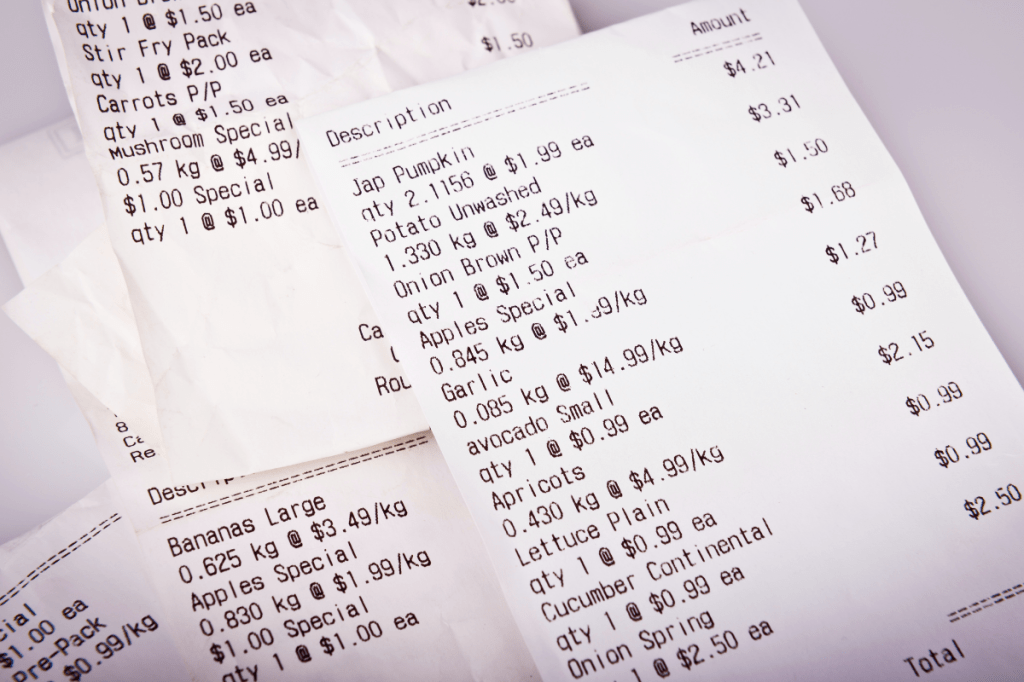
Three golden rules: you paid for it yourself, it relates to earning your income, and you’ve got a receipt to prove it. What you can’t claim: everyday clothes, your commute, or anything your employer already covered. The ATO website lists what you can and can’t claim for your job.
“The most common slip-up we hear about is people not keeping receipts,” Steffany says. “They know they spent the money on work gear, but with no record, they can’t claim it – and they miss out.”
Tip: the ATO app’s “myDeductions” tool lets you snap receipts all year.
And don’t forget to declare it
Tax isn’t just on your wages. You also need to declare things like tips and cash jobs, money from side hustles like Uber or Airbnb, and some Centrelink payments.
The good news: birthday money, prizes and lottery wins aren’t taxed.
Not sure whether something counts? The ATO website spells out what to declare.
You don’t have to pay for help
An accountant isn’t your only option – there’s plenty of free help, much of it government-funded.
- The ATO’s Tax Help program runs July to October for people on lower incomes with simple affairs. Trained volunteers help you lodge online. Call 13 28 61.
- Adelaide University runs a free, confidential tax clinic staffed by supervised law and accounting students, for people who can’t afford a tax agent. Appointments are in person, by phone or video.
- nationaltaxclinics.gov.au lists free, government-funded clinics around the country – including help with past years’ returns.
Already behind? Don’t panic – but don’t wait
If you’ve missed a year, or a few, you’re not alone and it’s fixable. You can lodge past returns through myTax, a registered tax agent, or on paper.
The catch is that leaving it costs more. The ATO can charge a “failure to lodge” penalty, plus interest on anything you owe. If you’re owed a refund, they’re far less likely to chase you – though you still have to lodge.
“The ATO would rather you lodge late than not at all,” Steffany says. “If you’ve missed a year or a few, the worst thing you can do is keep ignoring it. They can set up payment plans, and they’re a lot more understanding than people expect.”

Accountant or financial counsellor?
This one catches people out. An accountant (technically a registered tax agent – check they’re listed at tpb.gov.au) prepares and lodges your return, finds your deductions and deals with the ATO for you. You pay them, but the fee is deductible.
If you use an accountant, you can generally lodge your tax return after the usual 31 October deadline. But don’t wait around – you need to be listed as their client before that date.
A financial counsellor is just as important – they handle the money side. When debt piles up, the bills outrun the pay or creditors start calling, that’s who you turn to, and the help is free, confidential and independent.
“A financial counsellor can’t do your tax return, and an accountant usually can’t help you tackle debt – they’re different jobs for different problems,” Steffany says. “If tax and money stress have hit at once, a financial counsellor can help you work out what’s most urgent, and point you to free tax help like the national tax clinics.”
Whichever way you tackle it, the hardest part is starting.
“Once it’s done, people are always so relieved. The dread is honestly worse than the doing – and if you’ve fallen behind, finally getting it sorted feels amazing.”
This article is general information only – for advice on your own situation, talk to a registered tax agent.
In debt or struggling to get back on track? Free, confidential financial counselling is available through the SA Government’s Affordable SA website, or the National Debt Helpline on 1800 007 007. Aboriginal and Torres Strait Islander people can also call the Mob Strong Debt Helpline on 1800 808 488. See other cost-of-living options for South Australians here.