



Batteries tossed into kerbside rubbish and recycling are triggering dangerous fires in trucks and waste facilities. Here’s where they should go instead.
Have a look around your place: maybe there’s a dead vape in the kitchen drawer, a cordless vacuum that konked out after five minutes of suction, or an e-scooter getting dusty because it struggles going uphill. Every one of them has a battery inside it, and every one of them is a potential fire waiting to happen if it ends up in a kerbside bin.
If it does catch fire after it’s chucked in a bin, the person most likely to get hurt isn’t you: it’s the truck drivers emptying your bin, or the worker sorting your recycling by hand at the depot – ordinary South Australians just doing their job.
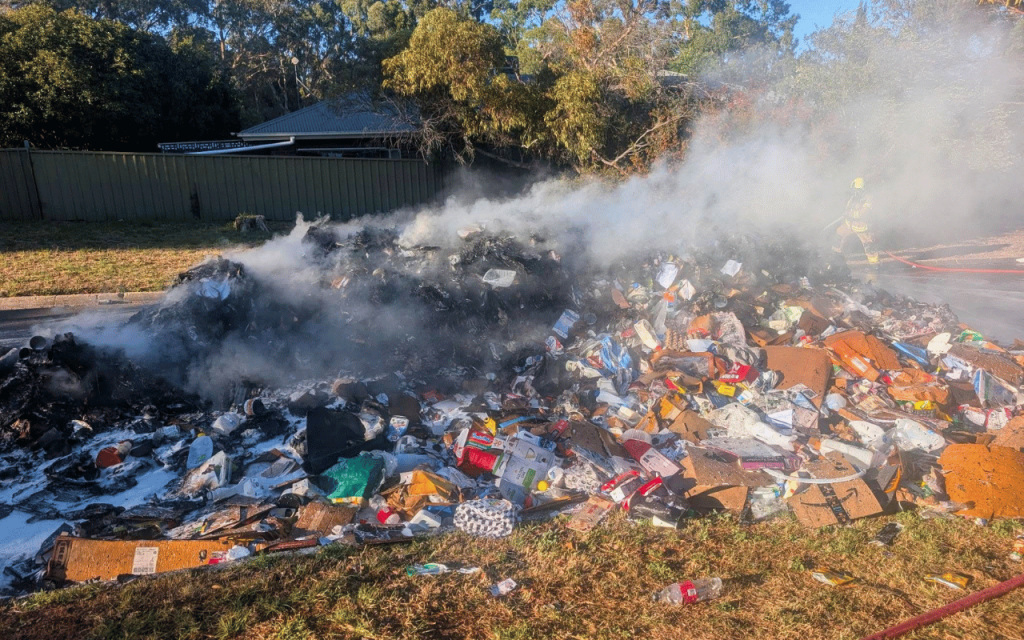
In the past few years alone, batteries have caused nearly 10,000 fires across Australia. Nowhere is that more visible than in our kerbside bins, trucks and waste facilities. None of them belonged in any kerbside bin.
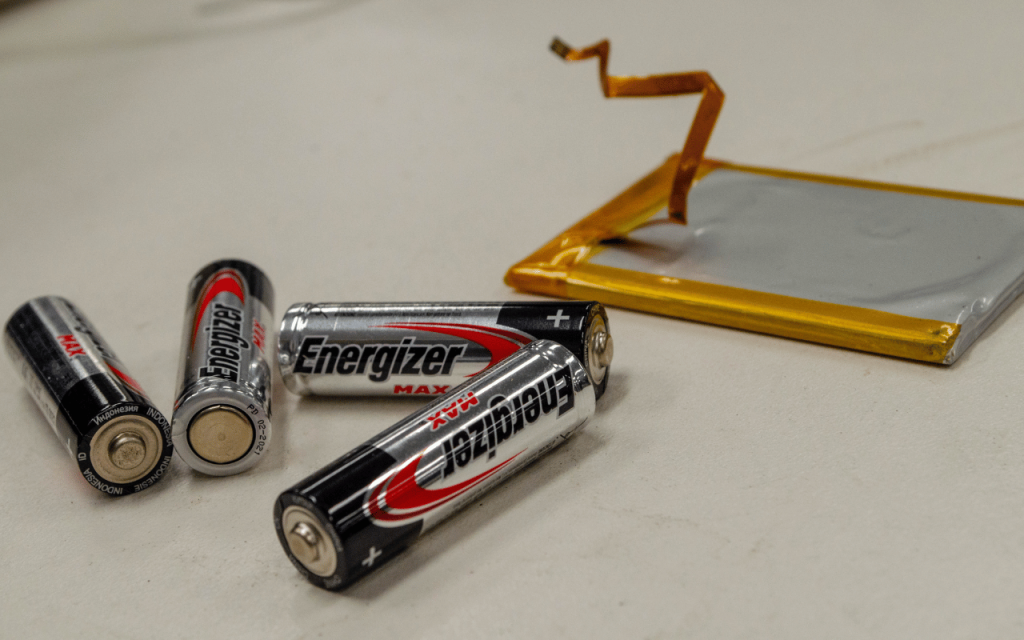
Two kinds of batteries
There are really only two types of batteries you need to think about.
The first is the loose, everyday kind you can pop out with your fingers – that means your AAs, AAAs, and the little button cells in a watch or a TV remote. Crush one in among the paper and plastic packaging in a bin and it can spark, and a spark is all it takes to set a whole load alight. They don’t belong in any kerbside bin. But they’re easy and convenient to recycle through free drop-off locations listed on B-Cycle.
The second kind is the one doing the real damage: lithium-ion. These are the rechargeables built into almost everything you charge with a cable, and usually you can’t see them or get them out. They cram a huge amount of energy into a tiny space, which is exactly what makes them so handy – and exactly what makes them so dangerous when something goes wrong.
Why lithium-ion is the scary one
Green Industries SA are the South Australian government’s lead agency on the circular economy and all things waste and recycling. Communications Director at Green Industries SA Matt Scales explains that when a lithium-ion battery is damaged or pushed too far, it can tip into a ‘thermal runaway’ event – the reaction inside starts feeding itself, the temperature spikes, and once it does, there’s no stopping it.
“As a damaged lithium-ion battery overheats, it’s going to also release toxic fumes as it catches fire and water won’t put that out, it will need specific fire fighting foam for that,” says Matt.
And there are more of them around than ever: “Gadgets that are powered by lithium-ion batteries didn’t exist five years ago are everywhere now, and these early ones are starting to die.”
The stuff in your house you’d never suspect
The trouble is, half these batteries are hiding.
“Most people know their phone and laptop have one,” says Matt. “Fewer people realise that there’s one in their electric toothbrush, their cordless shaver… even the kids’ light-up sneakers. Basically every toy that flashes or makes a noise is getting that power from a battery.”
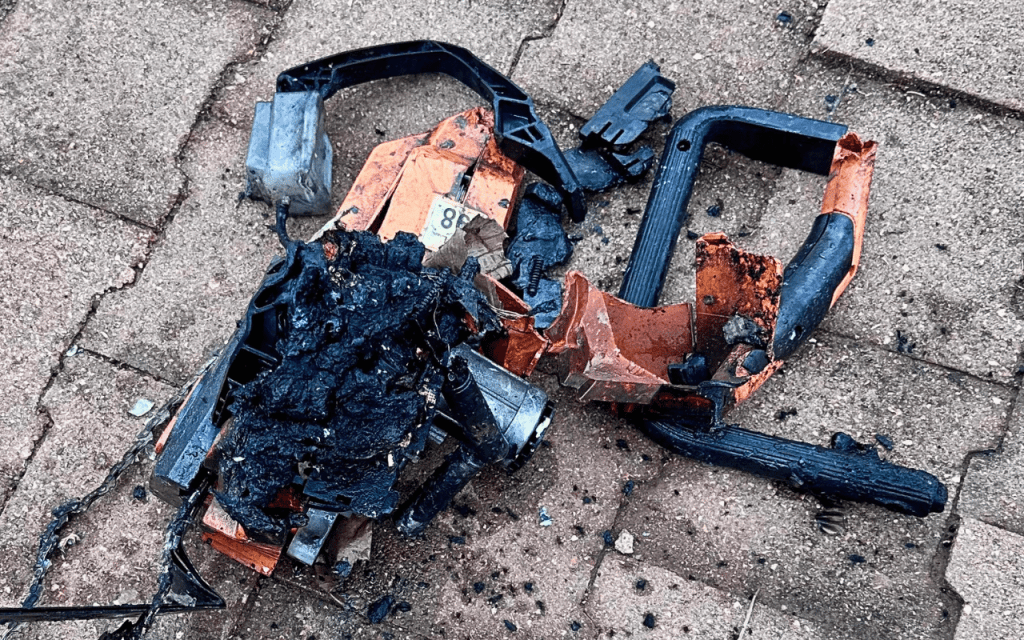
“If it’s got power, it’s handheld, and there’s a cord you plug in to charge it up from the wall, it’s likely that it’s got a lithium-ion battery in it,” Matt says. “They’re everywhere – all your power tools, your electronics, even modern torches have them.”
He says the vape’s a sneaky one: it might be a single-use vape pen, but there’s still enough charge left inside to start a fire if it’s placed in a kerbside bin.
Why no bin is ever safe
So why’s throwing one in the bin such a problem? Because of where it sends the battery next.
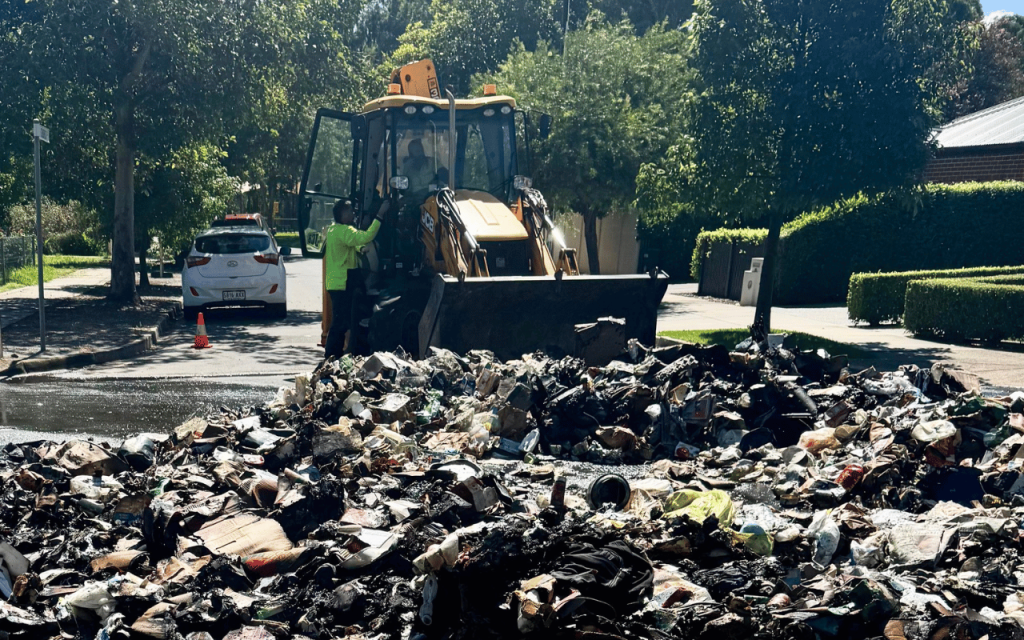
Chuck it in your kerbside bin and it’s bound for the truck, where the whole load gets compacted, then on to the recycling sorting line – and somewhere in there it gets crushed or punctured, which is the exact recipe for a fire.
And that’s what’s happening here in SA.
Matt says sometimes it’s in the back of the truck, and the driver has to dump a burning load onto the road. Other times it’s at a recycling depot on the conveyor belt, with workers sorting materials by hand right beside it. He says recycling workers are dealing with almost daily fire events because of misplaced batteries.
“You’re handing that danger to one of your fellow human beings, and you’re putting them at risk,” Matt says. “A poor choice, or even just a lazy choice to just throw batteries in a bin has the potential for real impact on another person’s safety.”
“Not to mention the risk to recycling infrastructure at our Material Recovery Facilities – these sites would be very expensive to replace or repair if there’s a serious battery fire. It’s so easily avoidable if people just pause and think about the impact of a battery being placed in a bin.”
Stored properly, cool, dry, away from everything else, a dead battery will sit harmlessly in your house for years. It only gets dangerous once it’s in the bin.
How to get rid of them properly
Here’s the good news: it’s not that hard to recycle them properly.
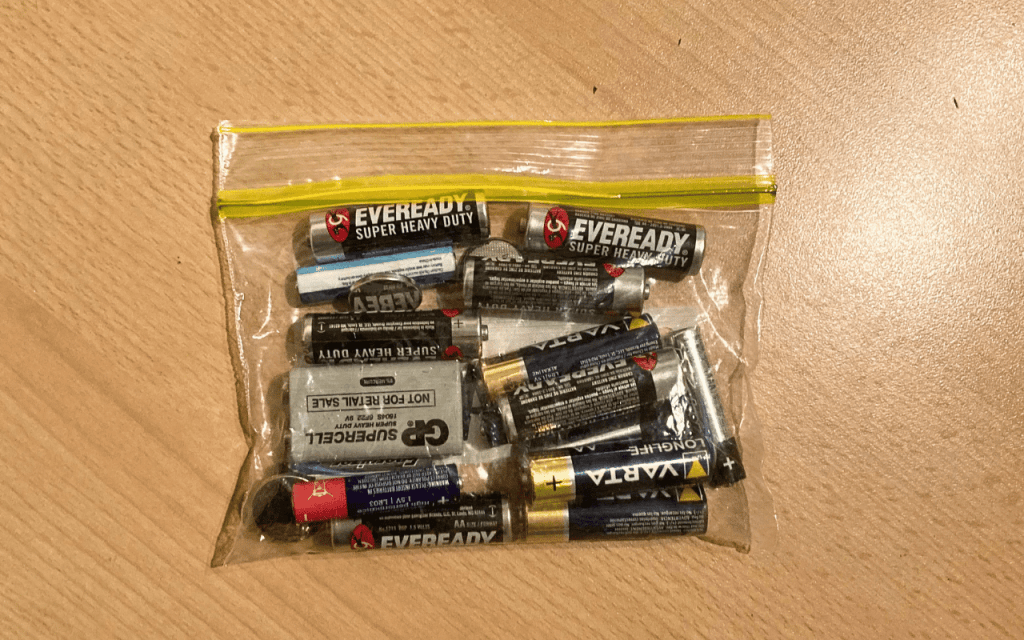
Matt’s advice is to keep two containers at home, one for loose batteries, one for anything with a built-in battery you’re finished with.
“Most of us use a container as a kitchen caddy for food waste, this is just another way of doing ‘source separation’ of waste and recycling at home,” he explains. “Separating materials before recycling ensures the best possible recovery rates. It’s much easier to separate materials before they go into kerbside bins and get mixed together.”
“Think of it like trying to unscramble an egg or remove the milk from a cup of coffee after it’s been mixed.“
When they’re getting full, here’s where to take them:
- Loose batteries (AA, AAA, button cells and the like): Tape the ends and drop them at any B-cycle bin. Most supermarkets have one near the front.
- Devices with embedded batteries (earbuds, toothbrushes, speakers, vacuums, e-scooters and the rest): Take the whole thing to one of four free drop-off depots – North Plympton, Campbelltown, Heathfield or Edinburgh North.
If your device is swollen or leaking, don’t wait it out. Get it to one of the four free depots sooner, where they’ve got fireproof storage built for exactly that.
Matt says it’s worth making sure when you drop off a damaged battery that you let someone onsite know that it’s swollen or possibly damaged. “Again, this is about keeping people safe and keeping the actual depot itself operating smoothly and safely.”
Besides safety, it’s also better for the environment. Batteries disposed of properly will get recycled, with the valuable bits pulled out and reused instead of buried in landfill.
“Rare earth elements like lithium is not only recyclable, it’s actually a valuable material that can be reused but only if recycled through proper battery recycling pathways.”
It’s set to get more convenient in the future, too, with the state government working alongside councils to bring extra drop-off options to outer Adelaide and the regions.
“It’s not hard to reduce the fire risk,” Matt says. “We all need to take a bit of accountability for the things we buy and a bit of responsibility for the way we dispose of them, and you keep another human safe and you protect our recycling and reprocessing infrastructure.”
Find your nearest battery drop-off at whichbin.sa.gov.au/batteries