



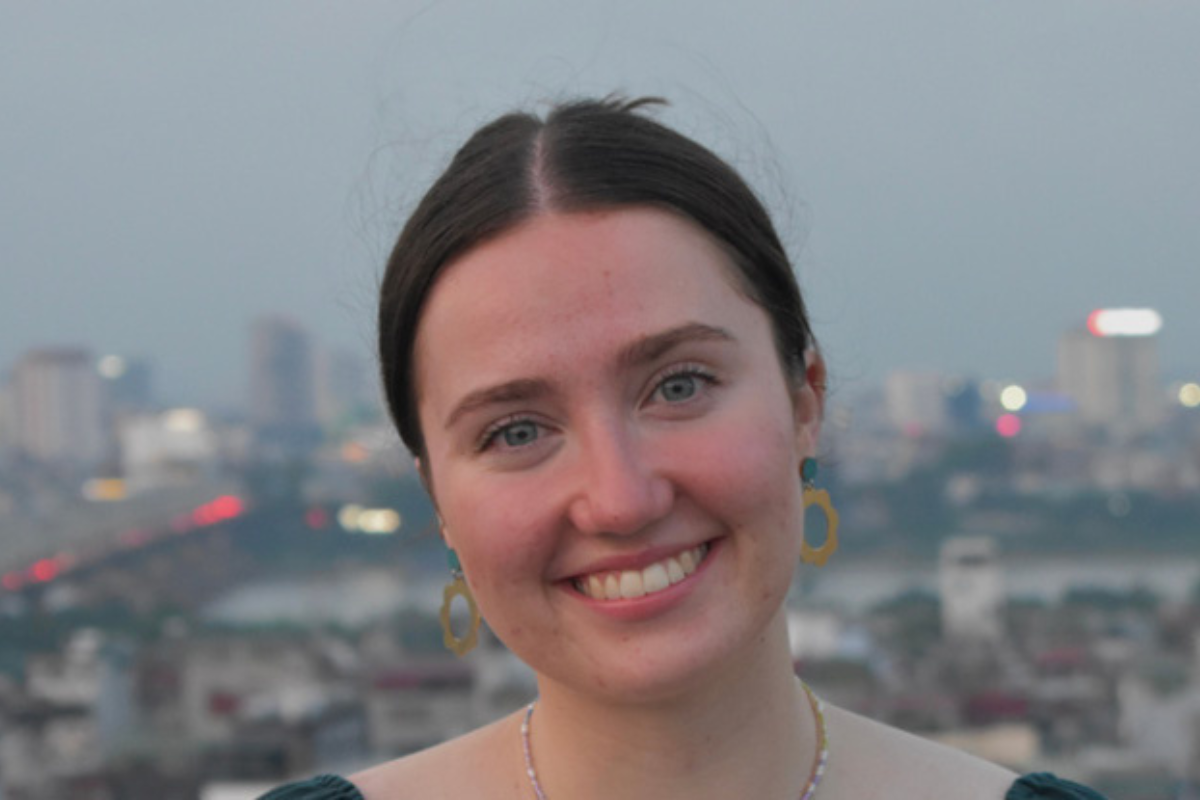
Lucy Stevens thought she was just helping out. Instead, volunteering led to jobs, international travel, lifelong connections and opportunities she never saw coming.
You know that mate who runs the footy club canteen every second Saturday? The one who helps her granny’s neighbour with the shopping? The bloke who shows up to every working bee at the community garden?
They’re volunteers. They probably don’t call themselves that, but Lucy Stevens wishes they would.
“People don’t realise that what they’re doing is actually volunteering,” she says. “They just do it, and they just help people.”
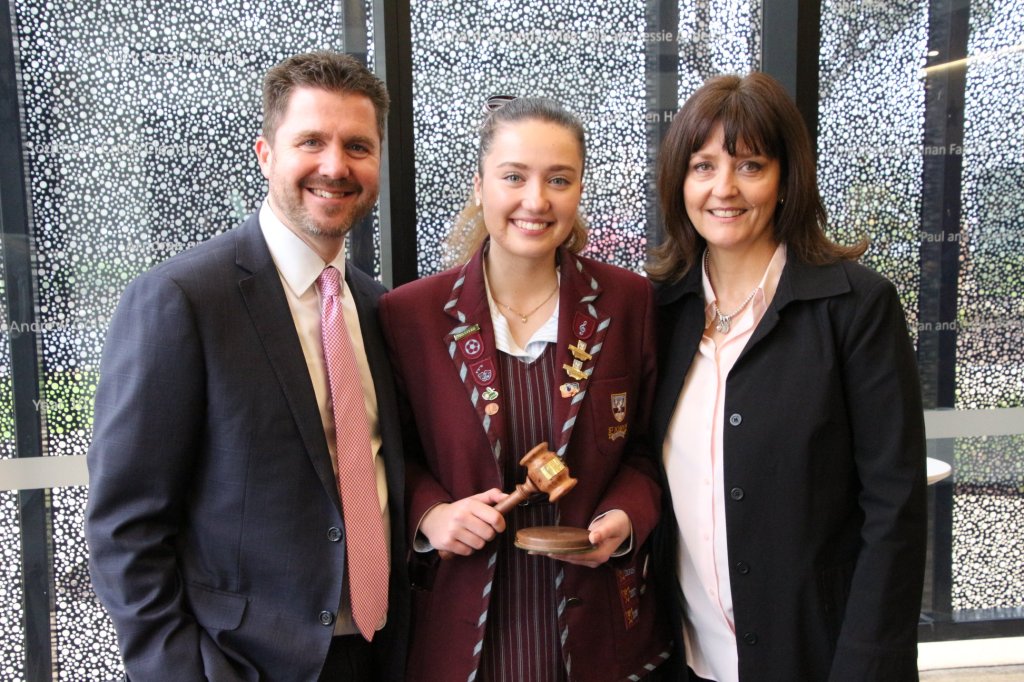
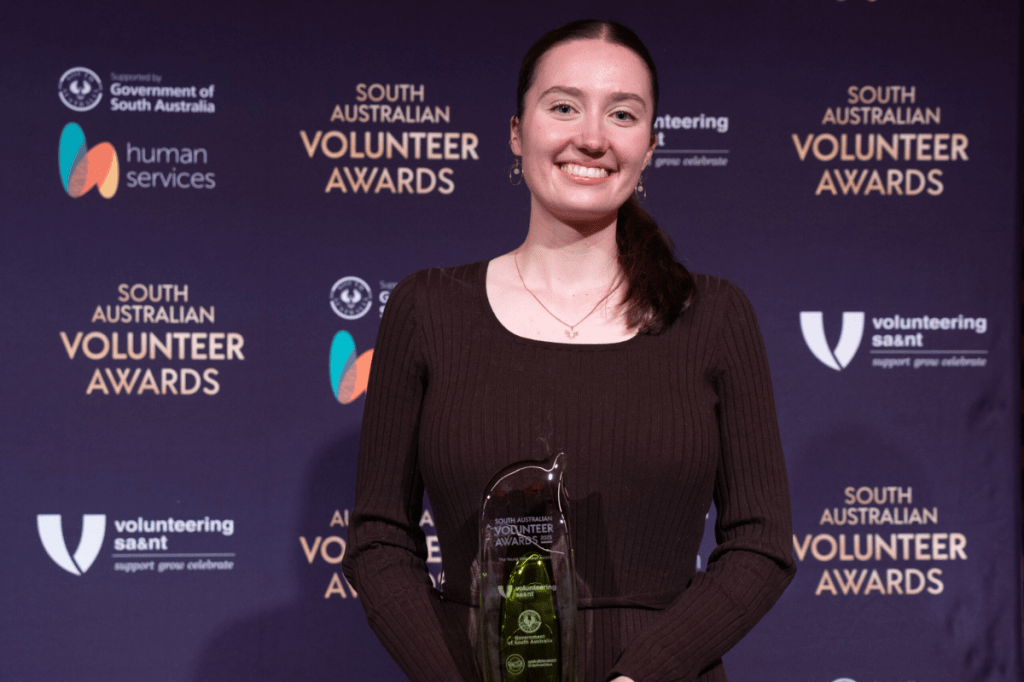
Lucy was named Young Volunteer of the Year at the 2025 South Australian Volunteer Awards. This year, she’ll speak on the youth panel at Australia’s National Volunteering Conference in Adelaide.
At 23, she’s already spent more than a decade volunteering – through Rotary, refugee support organisations, KickStart for Kids, youth leadership programs and community music groups.
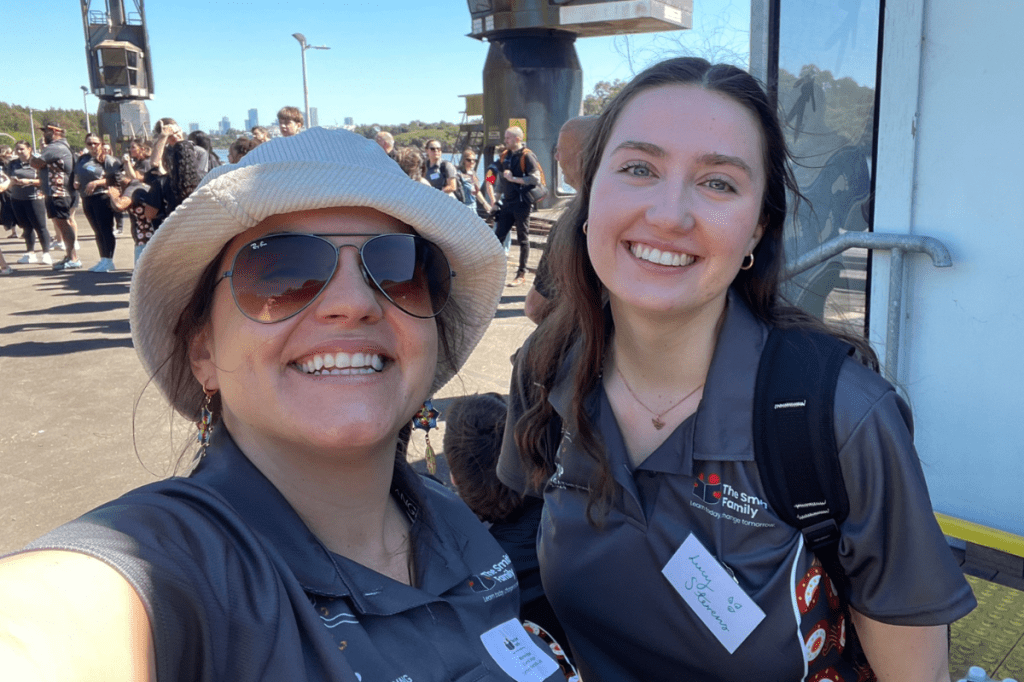
These days she manages 40 long-term volunteers at The Smith Family, who help check the reports and student profiles of 72,000 sponsored students nationwide.
But ask her what volunteering looks like and she’ll point at the footy club canteen first.
The myth keeping young people out
Lucy believes a lot of young South Australians have the wrong idea about what volunteering involves – and that’s why they’re not doing it.
“People think if a strict weekly shift doesn’t suit them, then volunteering isn’t for them,” she says. “But there’s so many other ways to volunteer.”
Care about the environment? Plant trees. Want face-to-face contact? Try a community centre. Hate small talk? Plenty of behind-the-scenes admin out there. Lucy organised a World Vision Global 6K Walk for Water in Brighton over six-months mostly from her bedroom – emails, council forms, fundraising spreadsheets.
She’s also tired of the “what’s in it for me?” question – mostly because the answer is “more than you’d think”.
Why employers notice
Lucy knows employers notice. As a national volunteer manager at The Smith Family, she now reads resumes herself, and a CV with volunteering on it tells her something a paid-only one doesn’t – that the person is willing to put themselves out there and do something for nothing.
She’s not speaking hypothetically. When Lucy applied for a casual job at David Jones during uni, her year of weekly shifts at the Salvos op shop counted as retail experience.
“It gave me a really great head start into the workforce, and I didn’t realise it when I was volunteering.”
Zimbabwe, Beyoncé, and a career trajectory
An opportunity that changed everything for Lucy came through volunteering too.
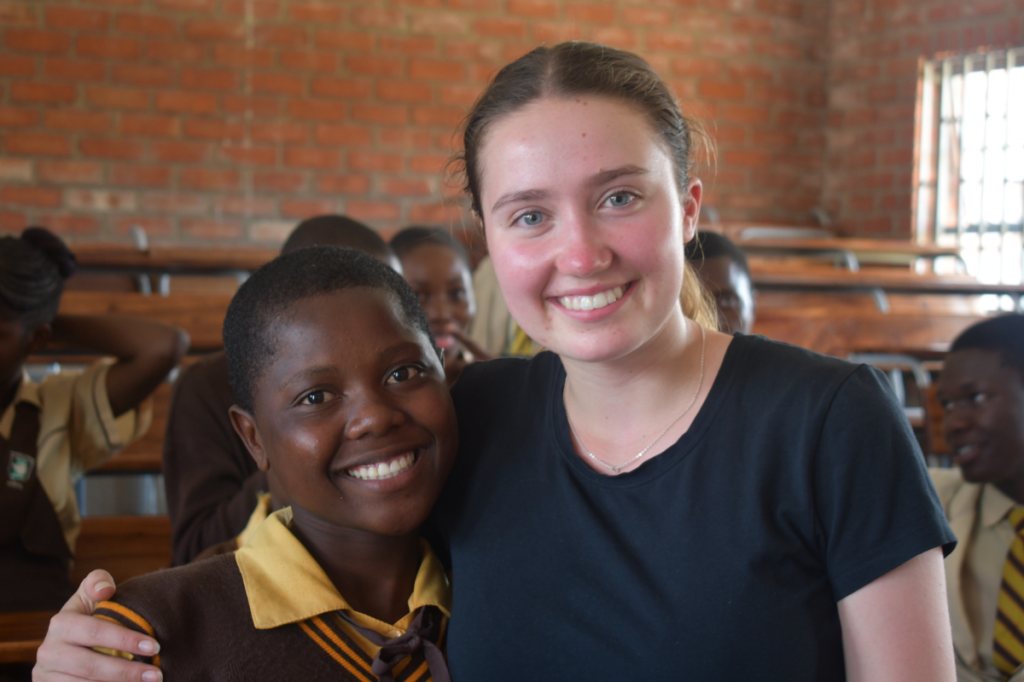
At 16, she was sitting in Year 10 at St John’s Grammar School when a teacher came to her with an email about a fully-funded trip to Zimbabwe and South Africa. Several charities had partnered up to send four Australian teenagers. Candidates needed to be doing the Duke of Edinburgh Award and to have a genuine interest in community development. The teacher had thought of Lucy.
She and three other 16-year-olds spent two weeks in very remote communities with World Vision learning how sustainable development programs actually work on the ground.
The trip ended at the Global Citizen Mandela 100 festival at FNB stadium in Johannesburg.
“It was Beyoncé and Chris Martin and Ed Sheeran and all these global leaders pledging $7.2 billion towards international development. I think I peaked then.”
Alongside the festival, Lucy says seeing the divide between wealth and poverty in Johannesburg left a lasting impression.
“There’s this direct line that separates the city and the designer stores from the slums in Johannesburg.”
The experience stayed with her long after she returned to Adelaide. When it came time to choose a university degree, Lucy enrolled in international development and anthropology.
“That trip fundamentally changed my life.”
The bit no one talks about
Lucy’s job at The Smith Family has shifted how she thinks about disadvantage closer to home.
“People think that poverty only exists internationally in developing countries. But there’s third-world conditions in our own country.”
In a small, clean city like Adelaide, she says, it’s easy to miss.
“It’s not like we see heaps of poverty walking down Rundle Mall. It can be more behind closed doors. There’s stigma. It’s out of sight, out of mind for a lot of people.”
A line on a kitchen door at the Magdalene Centre, where Lucy volunteered in 2019, has stayed with her ever since. She still has a photo of it on her phone:
Don’t judge people for the choices they make when you don’t know the options they had to choose from.
“There’s such judgement towards people, particularly in lower socio-economic situations or homelessness, without understanding anything about that person’s life or how they got there.”
One hour. That’s it.
National Volunteer Week runs from 18 to 24 May, with a theme this year: Your year to volunteer.
Nearly one million South Australians volunteer each year, contributing billions of dollars’ worth of unpaid work to communities across the state – from footy clubs and school canteens to festivals, charities and emergency services.
That includes people like regional suicide prevention advocate Danica Gates, another recent South Australian Volunteer Awards winner.
Lucy’s pitch to anyone who thinks they’re too busy is simple.
“You can just volunteer an hour a week and that makes such a difference. You don’t have to commit five hours, 40 minutes away every couple of days. It’s not anything crazy.”
She knows the time pressure is real. She’s juggling a full-time job, her long-running involvement with the Adelaide Uni Conservatorium Chorale and her ongoing volunteering at festivals and events.
She says she’s slowed down a little compared to her school and uni years – but not by much.
“I never expected all the opportunities that came out of my volunteering when I initially started. But this is where it’s led me.”
Find a volunteering role that fits your schedule and interests through Volunteering SA&NT.
More information about the South Australian Volunteer Awards is available via the SA Department of Human Services.