


From Adelaide Oval to the Botanic Gardens, most South Australians move through daily life without thinking about the history beneath their feet. Here’s why it’s important to explore that history – and why understanding it is key to Reconciliation.
Most of us move through Adelaide without thinking too hard about the ground beneath us.
The bus stop, the supermarket, the office, Adelaide Oval – they’re everyday places. But for Iteka Sanderson-Bromley, they’re also part of a much older story.
“People go about their lives, everyone’s caught up in their own life,” Iteka says. “You don’t think about what could have been happening exactly where you are right now.
“Aboriginal culture is thousands of years old, so everywhere you go, something has happened. It could have been a ceremony, it could have been some little kids playing. You see Adelaide Oval, but what lies beneath the surface is Country.”
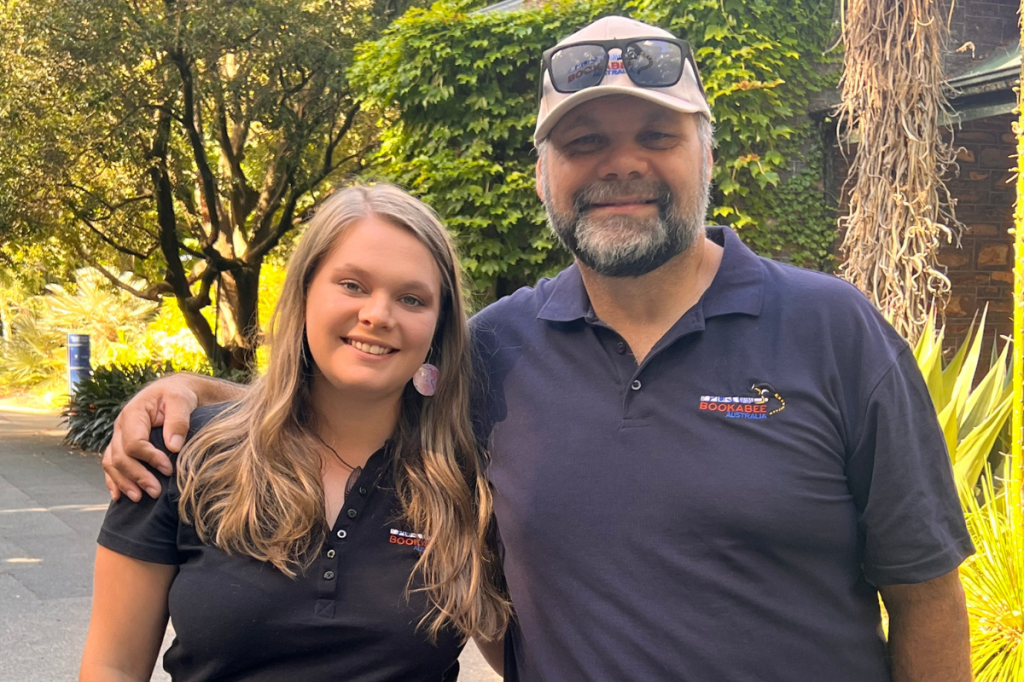
Iteka is an Adnyamathanha, Narungga and Yarluyandi woman and a Cultural Training and Tour Guide with Bookabee Australia. This National Reconciliation Week, she wants more South Australians to understand that Reconciliation doesn’t start and end with one week in the calendar – it begins with understanding where you are.
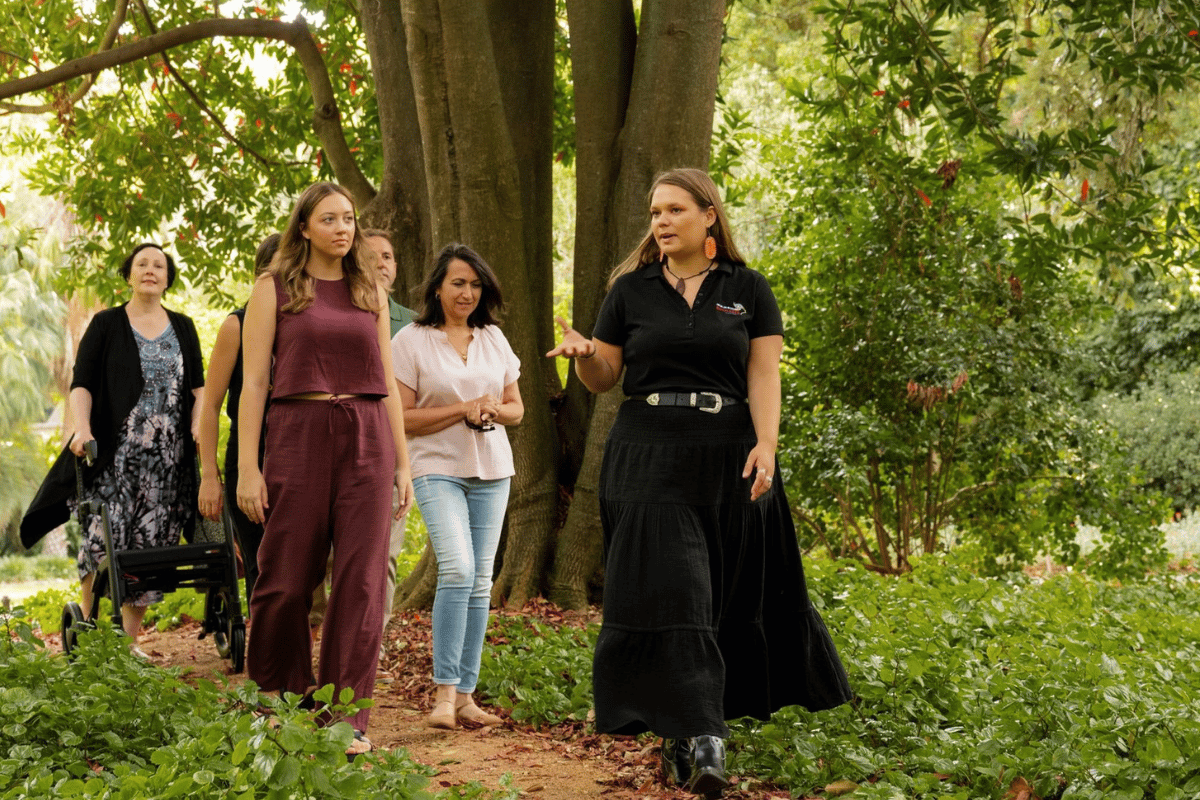
Bookabee Australia has been helping people do that for more than 20 years. The 100 per cent Aboriginal-owned family business connects South Australians and visitors with Aboriginal knowledge, history and traditions through Botanic Garden and SA Museum tours, cultural sensitivity training, consultancy and immersive experiences on Country.
Its Cultural Director, Haydyn Bromley – Iteka’s dad – also chairs the South Australian Aboriginal Tourism Operators Council, helping grow Aboriginal-owned tourism across the state.

Why Country changes from place to place
Many South Australians grew up thinking of “Aboriginal culture” as one broad category, when really it’s hundreds of distinct nations.
“Aboriginal Australia is like Europe,” Iteka says. “You’ve got different countries, different cultures, different languages, different foods, traditions.
“We literally refer to each mob’s land as different countries. They have different names, they’re not the same. They’re completely unique.”
That matters when we talk about Welcome to Country and Acknowledgement of Country, because Country isn’t generic – it changes from place to place.
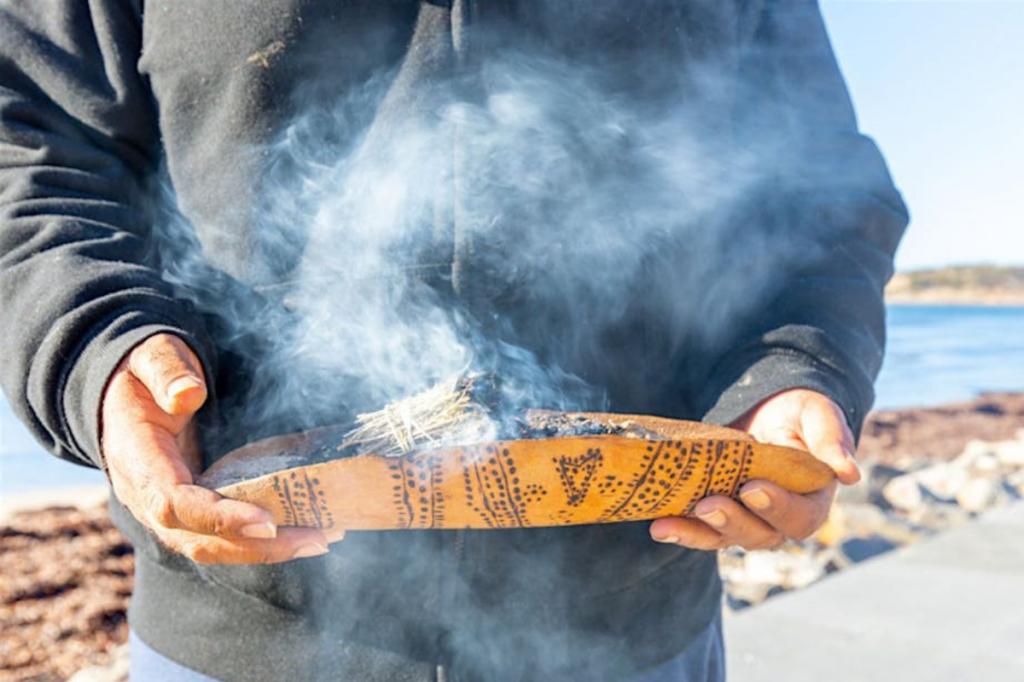
Why Welcome and Acknowledgement aren’t the same thing
A Welcome can only be given by the Traditional Custodians of that place – on the Adelaide Plains, the Kaurna people. Everyone else gives an Acknowledgement.
Haydyn has lived in Adelaide his whole life – but because he isn’t Kaurna, the rule applies to him too.
“No matter how long I live in Adelaide, I will only ever be able to give an Acknowledgement,” he says.
“This is not something that was created in the 1980s. First Nations groups all over the world had ways of greeting visitors from other parts of their lands, and setting out the rules and expectations. That’s exactly what these are.
“You’d go to the borders, set fires, put green stuff on it to create smoke, and sit back and wait. Eventually someone comes along and they greet you – and part of that greeting is outlining the rules for living. You can go over there, you can’t go there, there’s water down there, don’t go here because we’ve got loved ones buried.”
Reconciliation isn’t a box to tick
Understanding Country, cultural protocols and the history of the place you’re standing on isn’t separate from Reconciliation – it’s where it starts.
“You can’t possibly even begin to understand why Aboriginal people are where we are now without having some kind of understanding of the past,” Iteka says. “That’s what Bookabee’s training does – it teaches people about the past and where that puts us now.”
Reconciliation Week runs from 27 May to 3 June, and Haydyn says it’s a good start – but only if it doesn’t stop there.
“Some people think all they have to do is go and hold a morning tea, and then they check that box and move on,” he says.
Underneath that is a bigger misconception: that Reconciliation is somebody else’s job.
“People think Reconciliation is just an Aboriginal thing,” Haydyn says. “They don’t understand – it’s a community thing. Everyone has a role to play.”
That’s the point of this year’s Reconciliation Week theme, All In. Haydyn describes being all in as a change of mindset, not a once-a-year gesture.
“It’s about finding the courage to speak up and break silence,” he says. “Supporting vulnerable and minority groups in community. If we can get it right with the First Peoples in our own backyard, we can use those same strategies, the same empathy and compassion, with any group from any part of the world.
“I often finish by saying it’s just about being a good human being.”
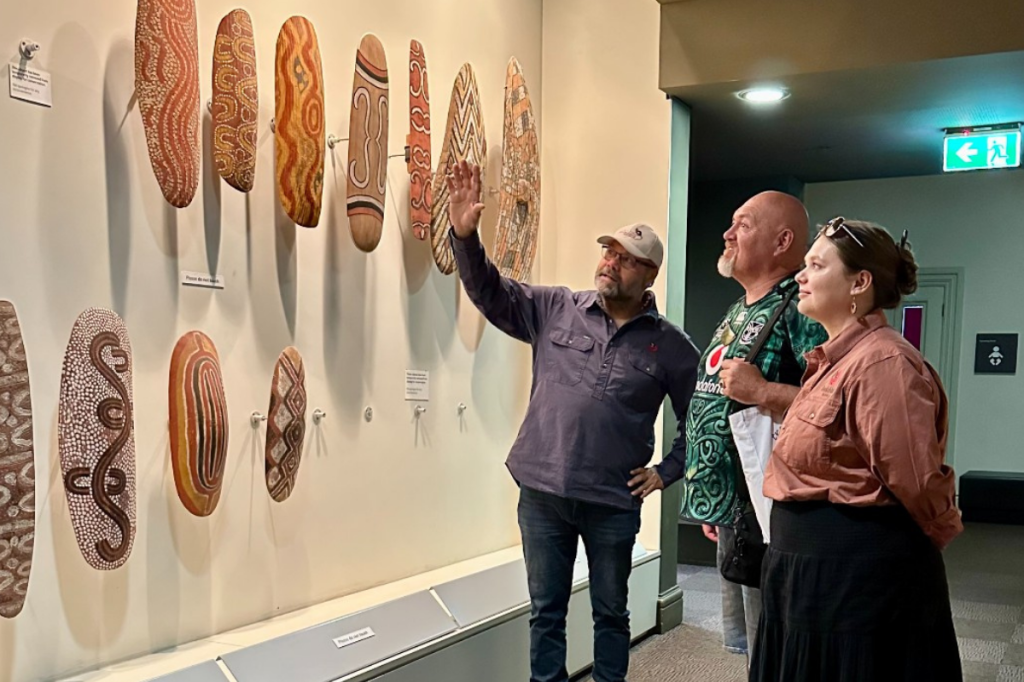
What changes when you learn it properly
Bookabee’s work isn’t just about tourism. Its cultural sensitivity and respect training is designed for workplaces, schools, government agencies and community groups – and Haydyn says it can change the way people understand Australia, and their own role in it.
When people hear that history in a training room or on a tour, Haydyn says it can be powerful.
Some are shaken when they realise how much they didn’t know.
“They come up to me and say, ‘why wasn’t I told? Why is it that I’m in my 50s and I’m learning for the first time what happened in this country?’”

That’s also what a website or documentary can’t give you, Haydyn says: lived experience.
“You can go to the gardens and look at pretty flowers,” he says. “But unless you go with an Aboriginal person, you’re not going to get the knowledge about the traditional uses, or the nutritional value, or how it’s used as a utensil.
“That lived experience is crucial.”
Iteka sees the same thing on her own tours, especially when she talks guests through the social history of a place.
“They come away feeling emotional, really empathetic,” she says. “Some say they feel guilty. I tell them, ‘you can’t feel guilty, you didn’t do anything’ – but they come away caring.”
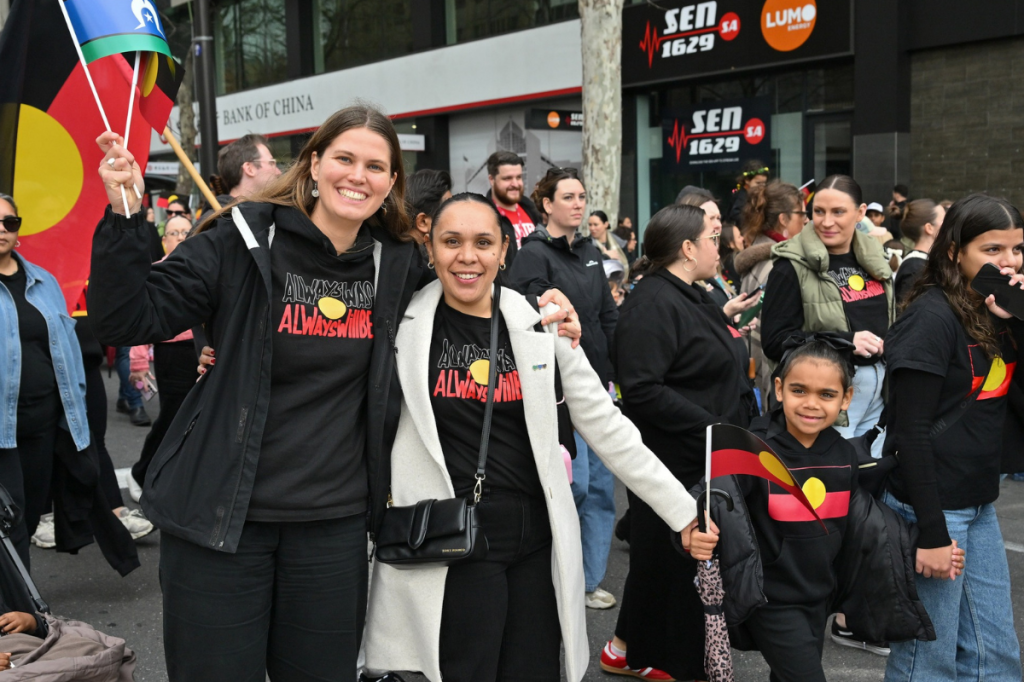
How to actually be all in
So you care, but you don’t want to be the person who reposts a graphic on 27 May and calls it done. Where do you start?
Haydyn’s answer is simple: show up.
“Have a look at the list of events happening during the year, and make an appearance,” he says. “Turn up, be involved. You might meet someone new, you might learn something new.”
But showing up is only part of it. Iteka says Reconciliation also means doing some of the work yourself.
“It’s not up to Aboriginal people to educate you,” she says. “We can’t do the whole job for you – you’ve got to do some of the work yourself.”
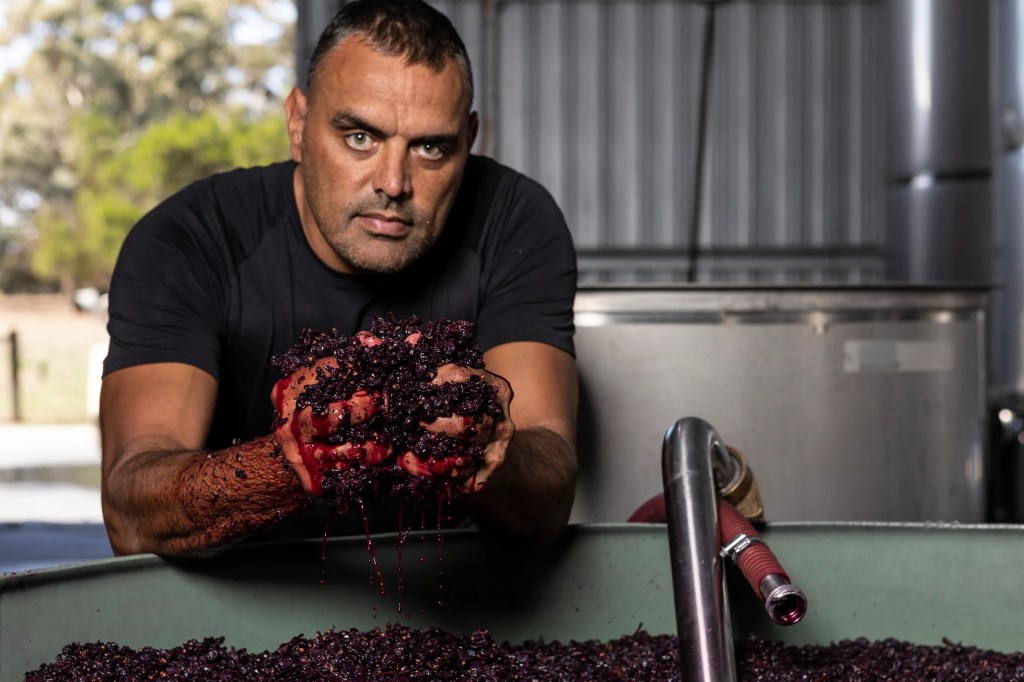
Some practical places to start:
- Reading credible books, articles and online resources that help you better understand Australia’s history – start with Reconciliation Australia’s quiz to test what you know.
- Choosing Aboriginal-led experiences, from cultural tours to community events where non-Aboriginal people are welcome.
- Supporting Aboriginal-owned businesses, while checking who you’re buying from first. “Aboriginal-inspired” is not the same as Aboriginal-owned.
- Asking questions respectfully when the moment is right, rather than letting fear of getting it wrong stop you completely.
“If you feel like a question might be a bit touchy, just say, I come from a place of curiosity and respect, I might not word this right, but I mean no disrespect,” Iteka says. “That’s better than not asking and potentially doing something wrong.”
Adds Haydyn: “You don’t have to wait for Reconciliation Week. You can do this any time.”