


Is your baby showing differences in their social interaction and communication? Inklings is a free, evidence-backed program which supports SA parents’ and caregivers’ confidence to understand their baby’s unique communication cues.
You know your baby better than anyone – so when something feels a little different about the way they communicate or connect, that feeling is worth paying attention to.
Maybe they’re not responding to their name yet, or not quite joining in the way you expected. You might have been told to ‘wait and see’, but you’d like help to understand your baby.
The Inklings program was developed for exactly that. Inklings has been proven to help caregivers and parents build on their strengths in understanding how their baby communicates, and how to respond in ways that helps their baby feel understood.
Inklings is free for all families, funded by the Commonwealth Department for Health, Disability and Ageing and the SA Government.
What is Inklings?
“It’s for babies who might be developing a little differently – or if a parent just wants to better understand how their baby is connecting,” says Chloe Evans, an Inklings practitioner based in the Barossa. “Often the parents or carers just have a question mark.”
“Inklings is about helping parents learn about their baby – how they’re communicating and what their preferences are – so they can respond more sensitively.”
The program focuses on the relationship and connection between baby and caregiver over ten fortnightly sessions.
Is Inklings for me and my baby?
Inklings supports families with babies aged six to 18 months who are showing early differences in their social interaction and communication.
“It often comes back to that inkling, that something feels a little bit different,” Chloe says.
Sometimes that’s easy to identify – less eye contact than expected, limited babbling, those back-and-forth interactions like shared smiles. Other times it’s harder to explain.
What actually happens in an Inklings session?
Inklings sessions are relaxed and informal. An initial phone call covers what’s brought the family to Inklings and what they’re hoping for, so the first session can focus on getting to know the baby.
Inklings is a “baby-led” program. That means the focus isn’t on directing the child, but on paying close attention to what they’re already doing and responding in a way that feels natural for them.

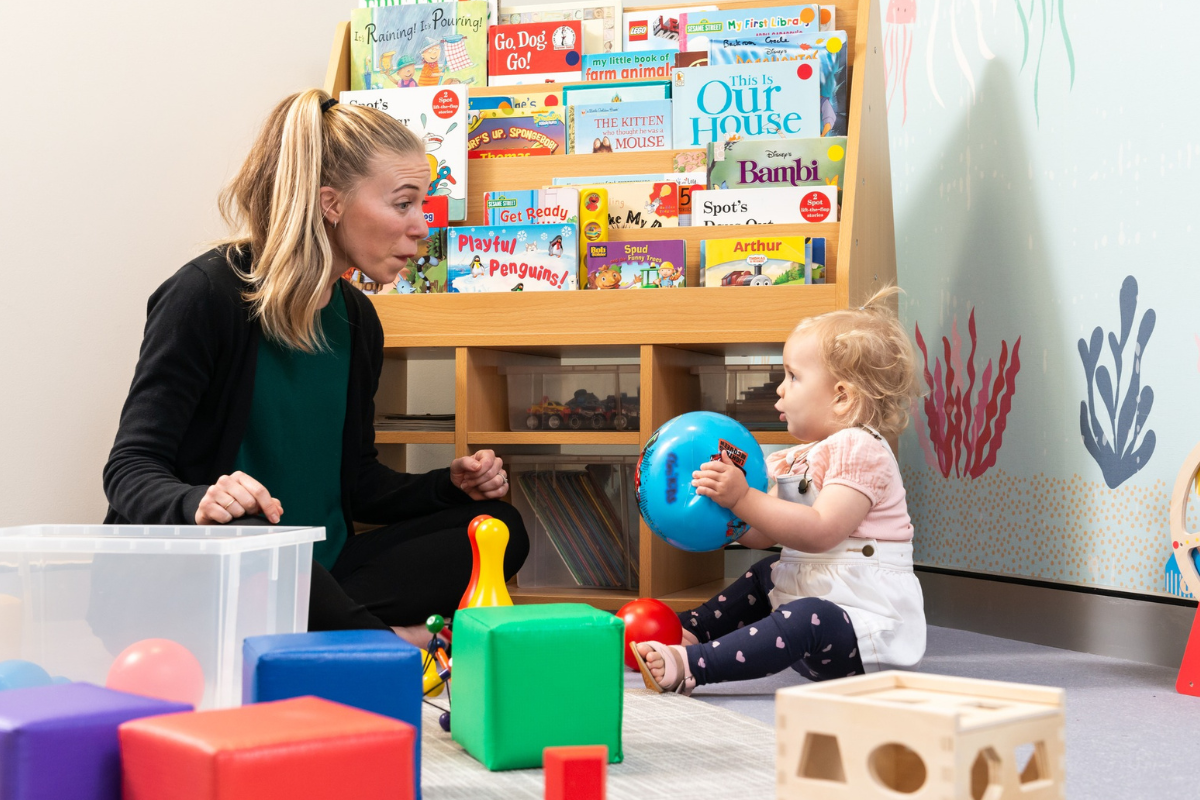
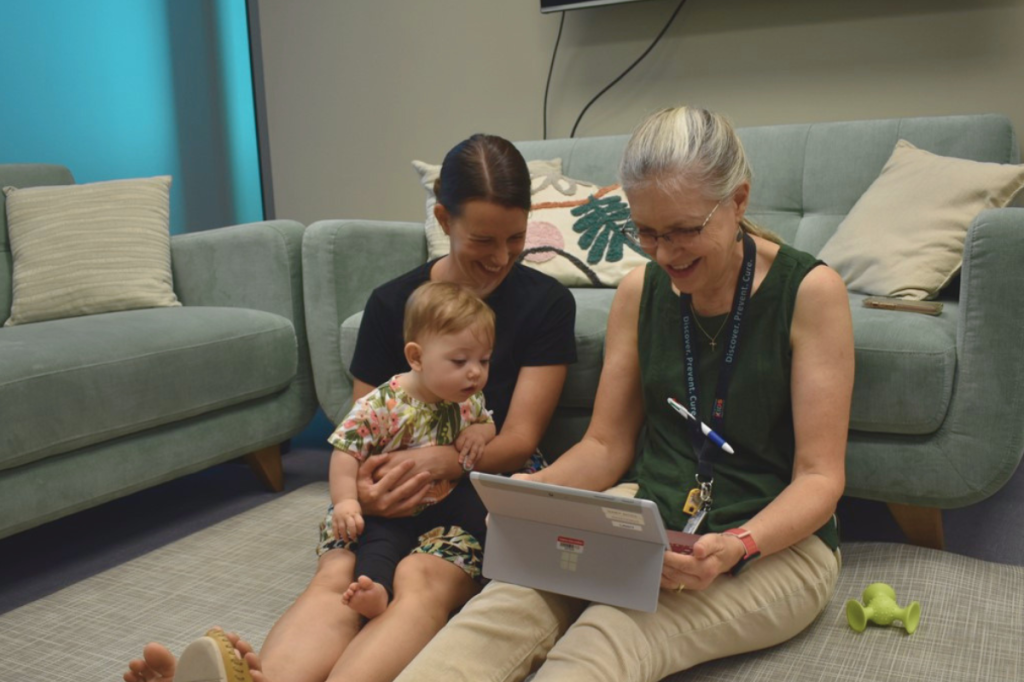
“We take a short video of the caregiver and baby interacting in everyday play – doing something they’d normally do at home,” Chloe says. “Then we watch it back together.”
Practitioners support parents to notice their baby’s small cues – the ones that are easy to miss in the busyness of everyday life.
Inklings uses the power of observation – watching those short videos back together – to help caregivers better understand and respond to their baby.
“We always position the parent as the expert,” she says. “And rightly so – they are.”
What parents are often surprised to discover
Chloe remembers one mum, Mel, who came in feeling like her baby wasn’t engaging with her at all. “She said, ‘I just feel like when I’m here, I don’t think she even notices or cares,’” Chloe recalls.
Watching the video together told a different story.
“You could see these little things – the way the baby was turning her body towards her, those quick eye glances – all these small moments where she was actually connecting,” Chloe says. “Babies communicate long before they have words.”
That’s often the moment things shift – when the caregiver realises connection is already there, just happening at the baby’s own pace, and they adjust.
“The babies just light up,” Chloe says. “They’re little humans with so much capacity for connection.”
By the end of the program, Mel had shifted her approach. During one session, she held out her hand for a high five and waited.
“She sat there for a good 30 seconds… and then the baby came and gave the high five,” Chloe says. “I remember thinking, ‘I don’t know if I could have been that patient myself – but look at the payoff.’”
What actually changes for families?
For most families, the biggest shift is how they feel in those everyday interactions.
“A lot of it comes down to confidence,” Chloe says.
Building that confidence in understanding their baby can change the way caregivers respond to their other children, too.
“They’ll say, ‘I really wish I’d understood these things about my older kids,’” Chloe says. “But a lot of what we talk about – letting a baby lead, matching baby’s pace – you can take that into how you support your older kids too.”
“If we can get to the end of the program and a parent can enjoy their baby a little bit more, then I’m happy.”
Is this about autism?
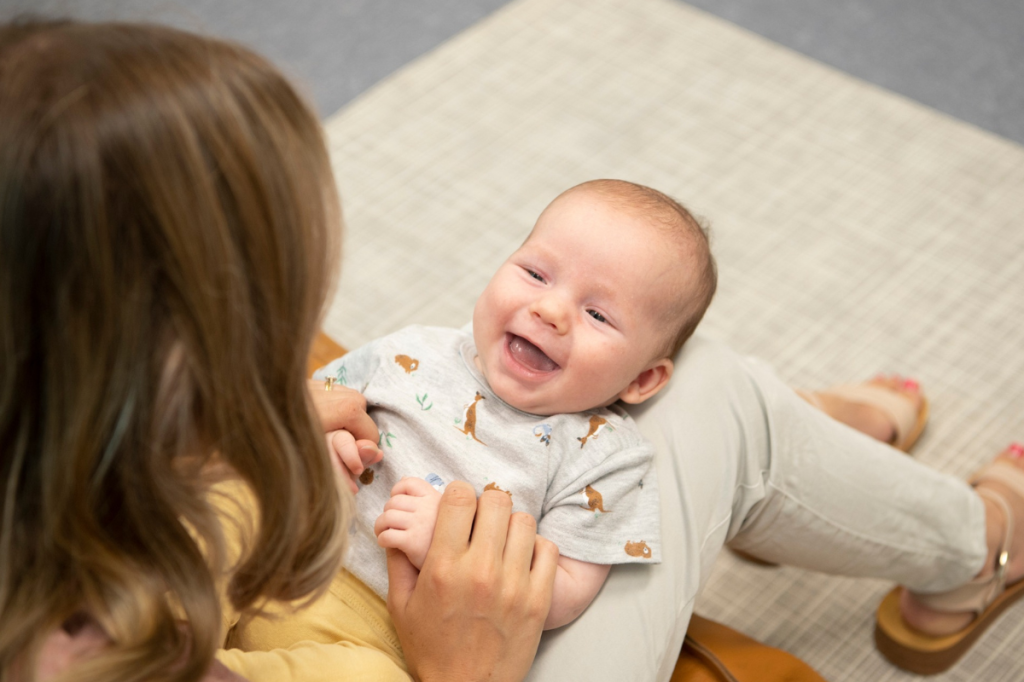
For many parents, the question in the back of their mind is whether their baby might be Autistic – and Chloe understands why.
“Uncertainty can feel really scary,” she says. “Inklings isn’t about diagnosis, it’s about learning how your baby communicates and how they experience the world. It’s not about fixing anything – it’s about meeting your baby where they’re at.”
“The whole premise of Inklings is moving away from the ‘watch and wait’ approach,” Chloe says. “Understanding your baby better and strengthening that connection is always going to be a positive outcome.”
If families have questions at the end of the program about further support and diagnosis, practitioners can point them towards the right next steps.
How do I access Inklings?
Families can refer themselves directly through the Inklings website.
The program is available across South Australia, including via telehealth, and there is currently no waitlist. Interpreters are also available at no cost.
For more information on the Inklings program in South Australia, including how to self-refer or talk to someone about whether the program is right for your family, click here.