



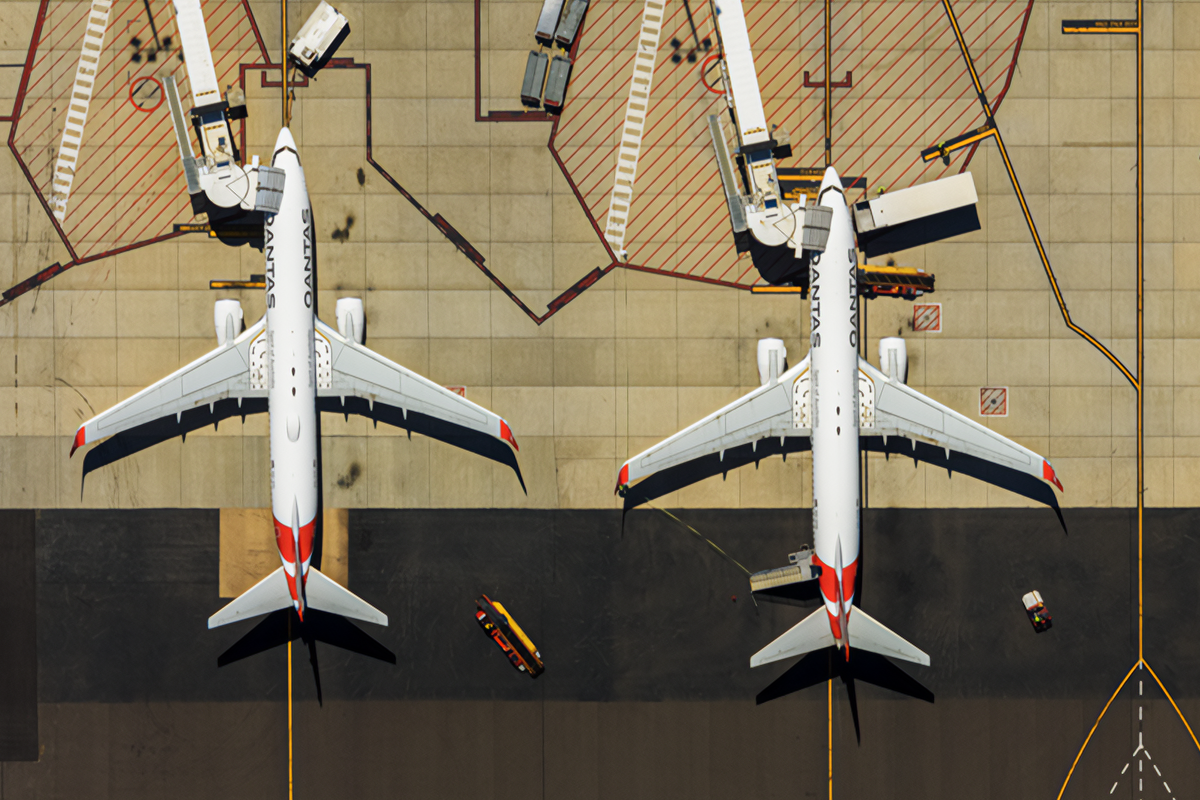
International flights are surging, competition is growing and new routes are on the horizon. So what makes Adelaide such an attractive destination for airlines?
Adelaide is getting more international flights – and that could mean more choice and better fares for South Australians.
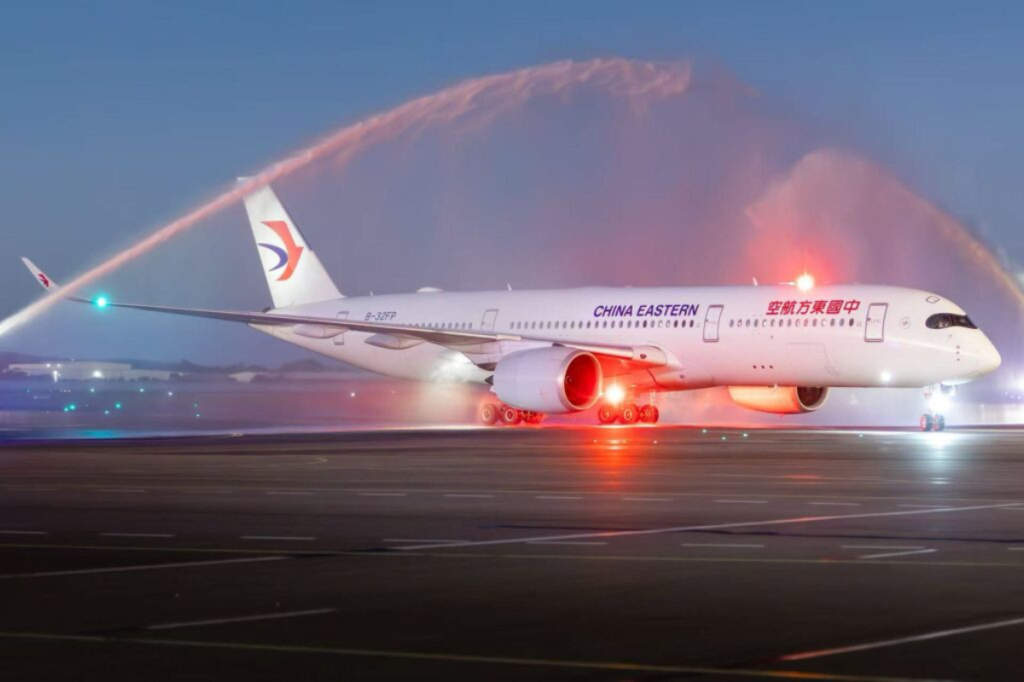
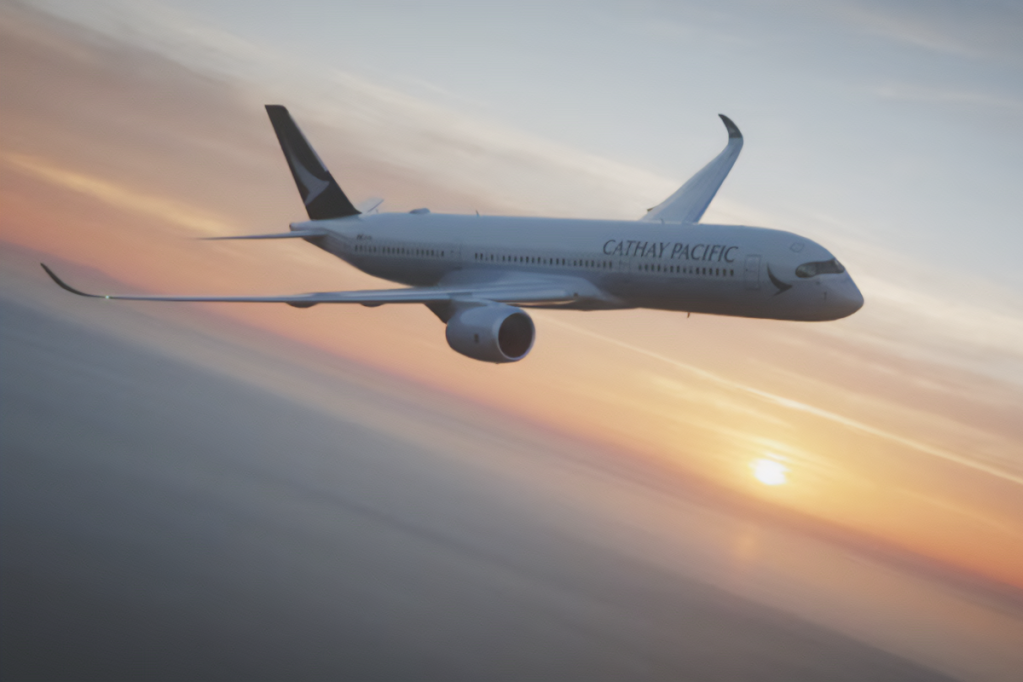
Singapore Airlines is increasing to 12 flights a week from October, China Southern is going daily over summer, Cathay Pacific is adding services, and seasonal flights to San Francisco, Shanghai and Auckland are all returning.
Adelaide Airport has also just recorded its busiest year ever, with 9.15 million passengers passing through the terminal and international numbers jumping 20 per cent to 1.24 million.
Why are airlines so keen on Adelaide?
“Airlines will fly when they have made money in a destination, or if they expect to be able to make more money,” says Adelaide Airport Managing Director Brenton Cox.
“They’re making a really big investment decision – where they’re putting an aircraft, and all their crew and resources and focus in a new market.
“Every time they choose Adelaide, they’re going, ‘We think that is the most profitable decision for us compared to every other global opportunity that we might have.’”
Brenton says that’s “quite satisfying” – but also “could easily be intimidating when you acknowledge we are competing globally”.
How more flights can mean better fares
Singapore Airlines’ increase and China Southern’s summer schedule alone will add 2392 seats a week. Cathay Pacific will ramp up to five flights a week in its peak season and Malaysia Airlines is already daily.
“The more options that people get in and out of Adelaide, the more competition,” Brenton says.
“It definitely sharpens other airlines’ focus, and that’s a good thing.
“It’s good for options. In the end, it also provides better pricing for people coming to and from a city like Adelaide.”
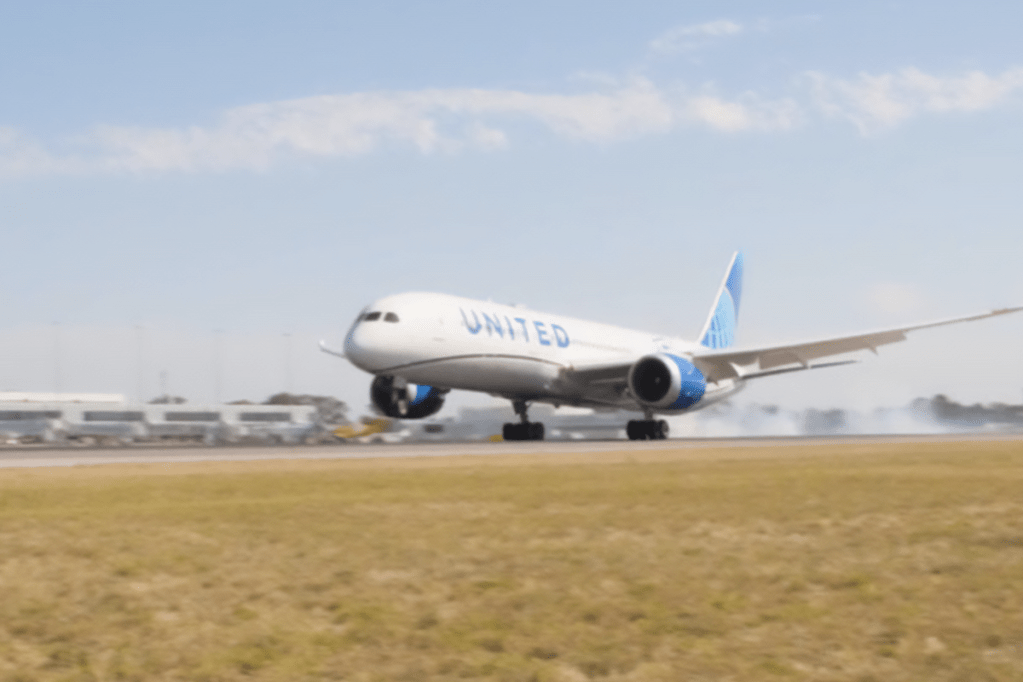
Brenton points to United Airlines launching Adelaide’s first direct US service to San Francisco, followed relatively soon afterwards by Qantas returning to international flying to Adelaide with its direct Auckland route.

Who’s filling all those seats?
Airlines need demand in both directions: South Australians heading overseas, and tourists, business travellers, international students and people visiting family coming into Adelaide.
Brenton points to strong disposable income growth, a growing SA economy and strong employment.
“It’s the consistent, sustained, reliable performance,” he says. “That’s given airlines the confidence to commit really expensive kit here.”
American Express recently named Adelaide one of the world’s top three emerging international business travel destinations, alongside Hyderabad and Manchester.
The state government has backed that push too, announcing an extra $10 million for Business Events Adelaide late last year to help attract more conferences and corporate events for 2026.
“This doesn’t just happen if we do nothing. These things don’t just fall in your lap,” Brenton says.
“You just have to go to Adelaide Oval on a non-game day, or the convention centre, and see the number of people buzzing around here for business events.
“The buzz confirms that there is something going on here. Deals are being hatched. There are important things happening.”
Big sports and arts events help too. This year’s Gather Round delivered Adelaide Airport its busiest week ever, with almost 200,000 people travelling through the terminal in the week around the event.
The benefit can last beyond the event itself: someone might come for Gather Round, discover another part of SA and decide to come back for a longer holiday.
The business opportunity under your suitcase
South Australian air freight exports rose 37 per cent in the year to June, with 23,000 tonnes of goods leaving the state by air.
“While people travelling is visible, the cargo is not,” Brenton says.
“Economic and social benefits aside, an airline might break even on the passenger flows, but they get their return on investment on the freight.”
For SA businesses selling live fish, lobster, abalone and other perishables overseas, faster flights to market can make a big difference.
Brenton says Adelaide also has plenty of smaller export success stories that disappear in the big freight numbers. More direct services can mean businesses don’t have to send goods to Melbourne or Sydney first, and airlines have cargo space they need to fill.
“Not only is it more convenient for exporters because it’s closer and easier to get straight out, it tends to be more cost-effective too,” he says.
That can give smaller SA businesses a better shot at selling overseas – and some exports end up in unexpected places.
Brenton heard an anecdote about South Australian meat from Thomas Foods flying out on Emirates before ending up in pies sold at Wembley Stadium in the UK.
Where do we fly next?
Four years ago, Adelaide Airport was hoping to have 13 international airlines by 2030.
It hit that mark last year.
Now Brenton wants to turn more of Adelaide’s seasonal and three-times-a-week services into daily, year-round flights.
“A lot of the airlines when they first started, they started at, say, three a week or seasonal,” he says.
“What we want is to get them up daily, year-round.”
And there are still some obvious gaps on the departure board.
Brenton nominates India and Japan as two places where plenty of people are already flying to and from Adelaide via another city.
“At some point, the right airline who has the right aircraft at the right time will make that happen as well. My team live to join those dots”, he says.
He says landing new routes takes a “Team Adelaide” approach, with the airport, state government and tourism and business-events agencies all helping make the case to airlines.
It’s something he doesn’t want SA to take for granted.
“Be grateful for what we’ve got, and be hungry for more.”
See where you can fly direct from Adelaide here.