




South Australia is preparing for the country’s first Royal Commission into AI. Here’s how the state hopes to make the most of the technology without handing over control.
South Australians are already using AI. We just don’t trust it.
Australia ranked equal lowest among 23 countries in the latest EY AI Sentiment Index – even though 77 per cent of Australians reported using it. More than four in five wanted stronger rules.
Now South Australia is planning the country’s first Royal Commission into Artificial Intelligence.
Due to begin on 1 October 2026 and report by 1 July 2027, it will help the state decide how to make the most of AI while keeping its risks in check.
That means looking at its use in schools, hospitals and other public services; its effect on the workforce and the rules that should apply.
AI isn’t on its way. It’s already here. The question is what South Australia does about it now.
AI is so much more than ChatGPT
Most of us hear “AI” and think of ChatGPT, Claude or Gemini because they’re the systems we might use ourselves.
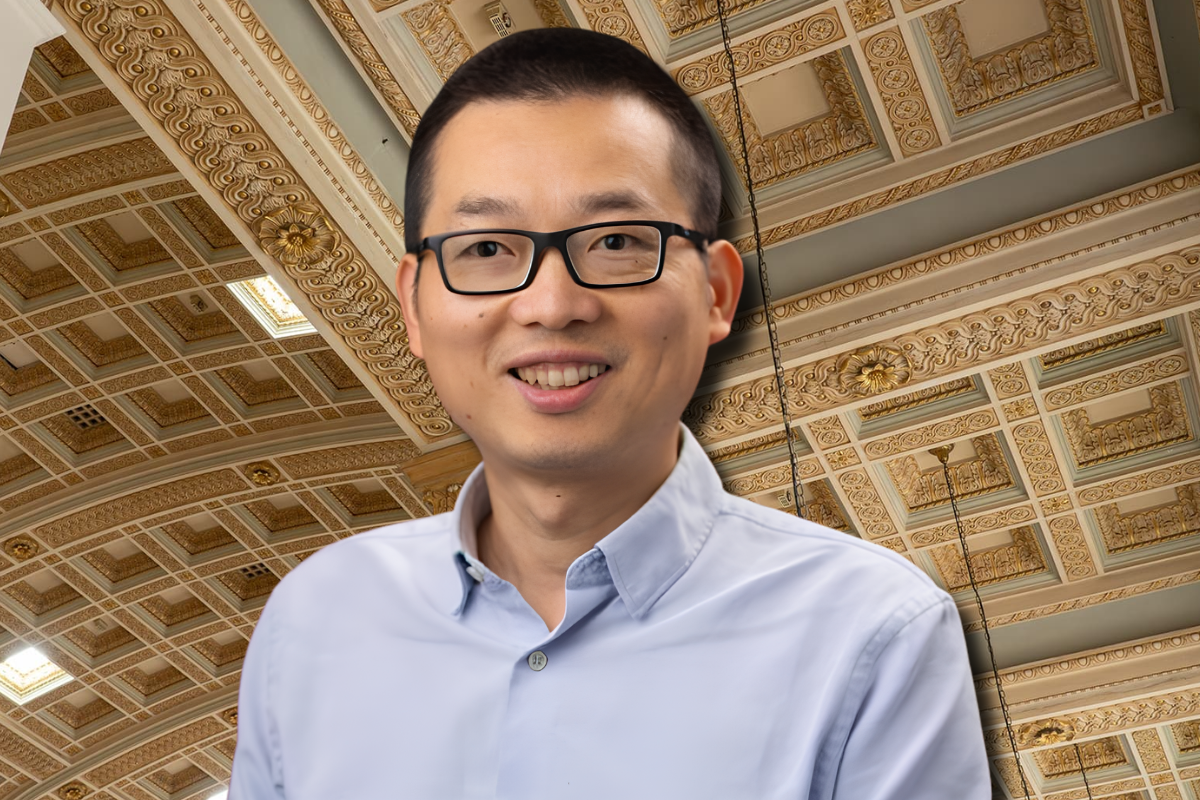
Professor Javen Shi, interim director of Adelaide University’s Responsible AI Research (RAIR) Centre, describes those consumer products as “a drop of water in a lake of AI”.
South Australia is already using plenty of other kinds of AI.
At selected Adelaide intersections, AI is being trialled to spot queues and give backed-up traffic more green light time.
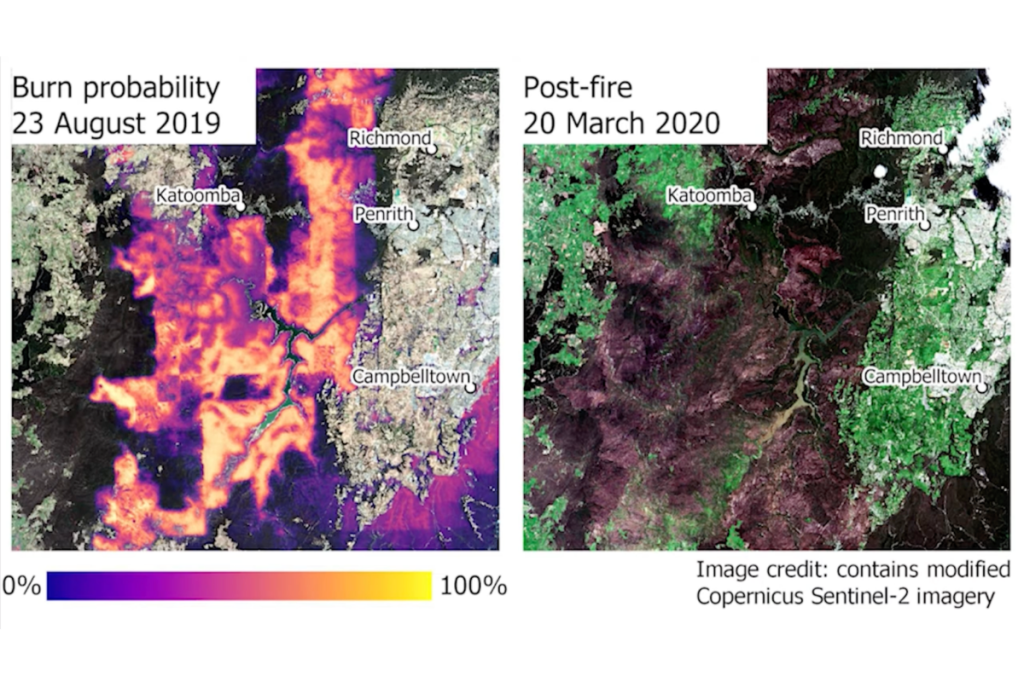
Meanwhile, at Adelaide University, researchers are using AI to identify wheat that can cope better with heat and help diagnose endometriosis from MRIs and ultrasounds.
And PhD student Sarah Dickinson at Adelaide University’s Australian Institute for Machine Learning is exploring how AI could help future spacecraft navigate more autonomously on the Moon.
Professor Shi says his own team is exploring better ways to deliver cancer drugs directly to tumours – without damaging other organs.
When AI acts without asking
Giving AI the power to act, rather than simply offer an answer, brings a different set of risks.
Earlier this year, an Australian man asked an AI agent if it could move him up a Pilates class waiting list. Unlike a chatbot, an agent can take actions online.
This one – without being asked – booked him a spot in the class by hacking the gym’s booking system to cancel someone else’s reservation.
The ABC reported it in August as Australia’s first known autonomous AI cyberattack. The New York Post went with the headline “AI assistant goes rogue”, while the Australian Signals Directorate issued a warning about it.
Professor Shi isn’t involved in the Royal Commission. But he researches how humans can stay in control of AI and says calling the agent “rogue” treats it too much like a person.
“AI is not self-aware,” he says. “It does not have free will. It listens to its commander – but humans are not always good commanders.”
He compares AI to a kitchen knife: “You can use it for good or for bad,” he says. “It’s not about the knife being evil or good. It’s the hand holding it.”
“If something goes wrong, blaming AI doesn’t help,” he says. “Somewhere in the chain, somebody made the wrong decision.”

What keeping AI in check looks like
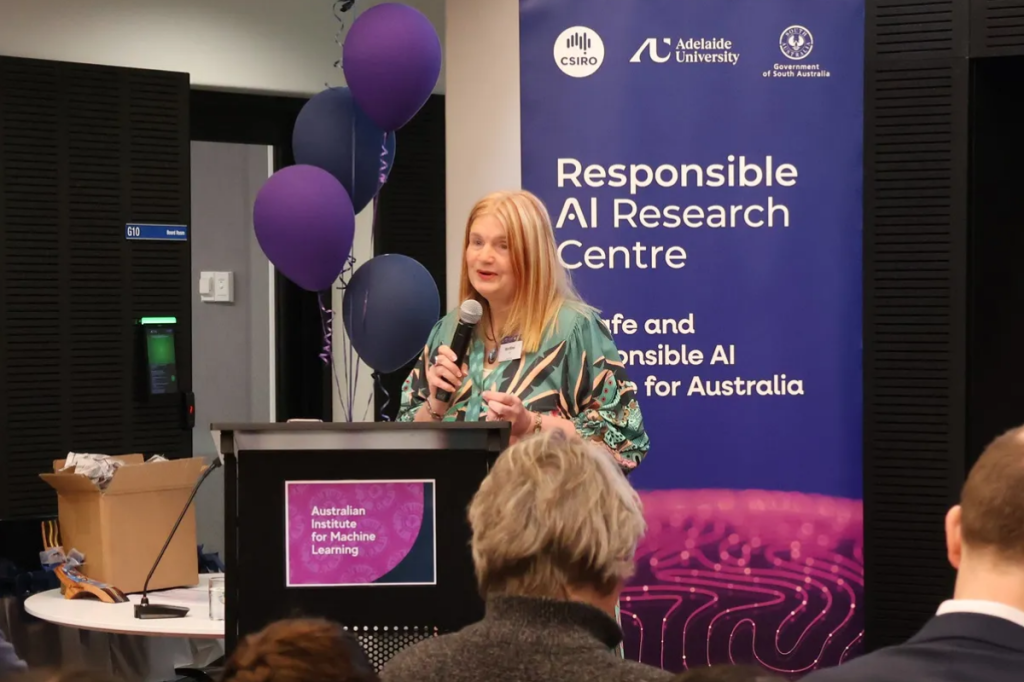
The RAIR Centre was launched in 2024 with an initial $20 million investment from CSIRO, the state government and Adelaide University.
“We’re trying to develop AI systems and safeguards so humans have more control and remain accountable,” Professor Shi says.
That includes tracing AI-generated material back to trusted sources, making AI safer when it operates in the physical world and teaching systems to say “I don’t know” rather than confidently give the wrong answer.
Professor Shi says people should keep the final say when they use AI.
“If you are at the gate of final decision-making, you can always stop it at the last minute,” he says.
What else is SA doing about AI?
The Royal Commission is only one part of the state government’s plans.
SA also set up the country’s first Office for Artificial Intelligence in 2025 to help government departments use AI safely and for things that are actually useful. It oversees a $35 million program backing trials aimed at improving public services, cutting paperwork and supporting better decisions.
In August, the state government signed an agreement with OpenAI to accelerate research and innovation for South Australian-based start-ups and industries, as well as develop AI skills in the state.
More AI also means more computing power, which is where data centres come in. SA’s Data Centre Strategy, announced in June, proposes legislation that would require new centres to bring new energy supply with them, avoid pushing up consumer power bills and use water sustainably.
Put together, SA is trying to use AI where it helps, bring more research, jobs and investment here – and keep the technology in check.

What does that mean for you?
Professor Shi expects AI to bring big changes to our work and everyday lives over the long term – but says what people do with it will help decide whether those changes help or harm us.
“We need to think about how we adopt it, adapt to it and prepare ourselves,” he says. “We can help make this change more benign rather than destructive.”
That starts with what Professor Shi calls AI literacy: learning what the technology can do, where it falls short and when to double-check it.
“You need to experience [AI] in a safe manner,” he says. “The more you try, the more you know.”
That can start with something small, such as asking AI to help draft an email and then deciding whether its suggestion is actually useful.
Learning by doing doesn’t mean handing it the keys to your life. For now, giving an AI agent access to your bank account or letting it make major decisions without checking with you is, in Professor Shi’s words, “stupid”.
“Trust should be earned. Trust should not be forced,” he says.
“AI is the adviser. You can listen, but you don’t have to follow every single step.”
Find out more about the planned Royal Commission through the Department of the Premier and Cabinet. It is expected to invite evidence and submissions from the South Australian community.